
Film
Breaker Morant
Breaker Morant reconstructs a real 1902 court-martial, where three Australian officers stand trial for shooting Boer prisoners while the British high command hunts for a convenient scapegoat to protect its own reputation. Tense, dialogue-driven, and shot in hard antipodean light, it plays like a Western that resolves in a legal brief — furious, precise, and allergic to easy verdicts.
If you liked this
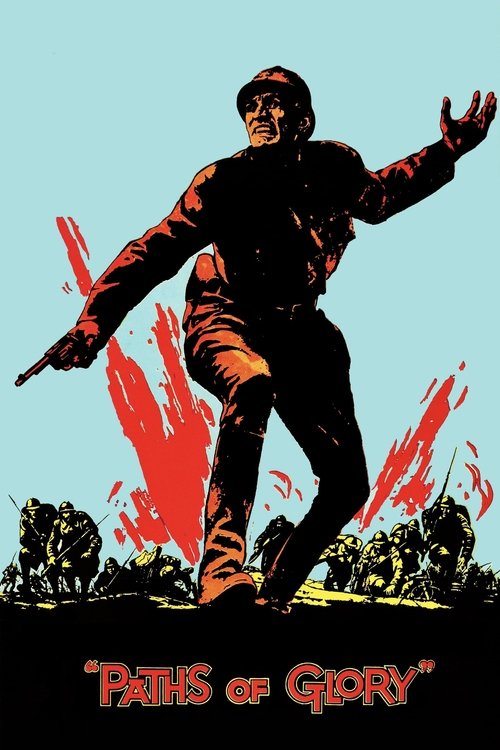
Paths of Glory1957
Kubrick's ferocious early film puts three innocent soldiers on trial for cowardice to cover a general's failed assault, sharing Morant's cold fury at armies devouring their own to protect reputations.
But Kirk Douglas's courtroom speeches can feel theatrical, and the ending offers little comfort if you're hoping for actual justice.
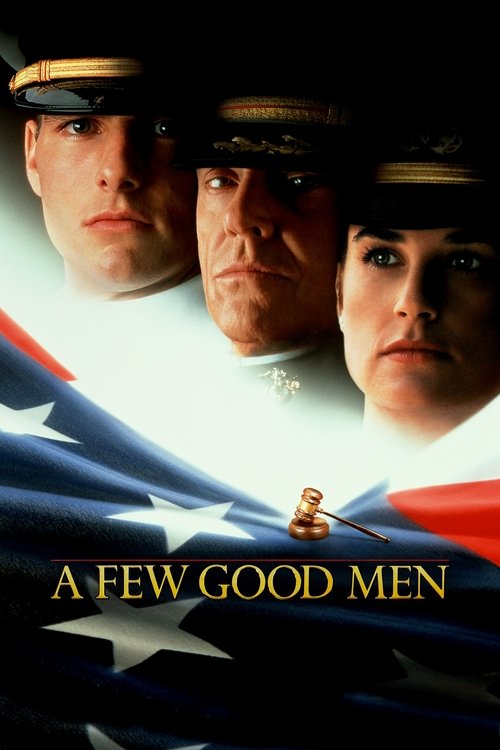
A Few Good Men1992
The most accessible cousin to Morant's trial: sharp legal sparring, a chain-of-command defence, and a courtroom showdown that still gets quoted decades later.
But Slicker and more Hollywood than Morant's bleak realism, with a tidier moral universe than the history it echoes.
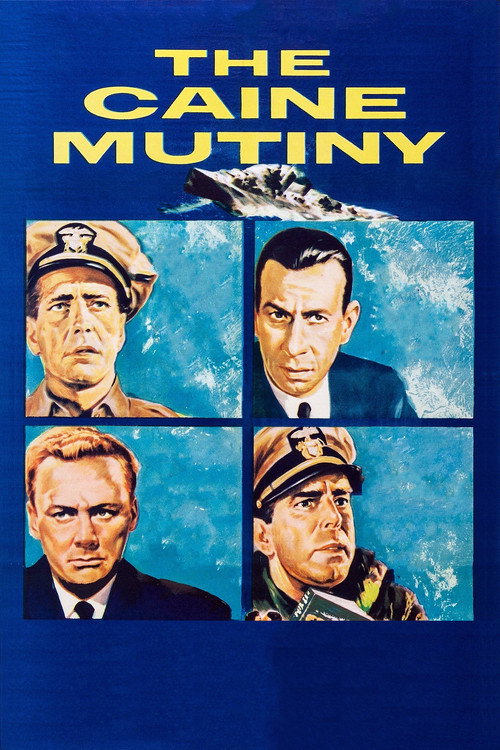
The Caine Mutiny1954
A naval court-martial classic where obeying a possibly unstable captain becomes the whole moral question, with procedural tension Morant would recognise instantly.
But Its black-and-white studio polish feels tame next to Morant's sunburnt grit, and the pacing shows its age.
The wildcard
Something you would not have found on your own.
Sergeant Rutledge1960no page yet
Same architecture — a soldier tried by an institution that needs a guilty man more than the truth — but swapped from Boer War scapegoating to American racial injustice, and from grim realism into Western myth.
John Ford's courtroom Western puts a Black cavalry officer on trial for murder and rape, exposing how military justice can be a stage for a verdict already decided — exactly Morant's trap, transplanted to Monument Valley.
But Ford's pacing and some period handling of race feel dated now, and the courtroom scenes are stagier than Morant's.
More like this (8)
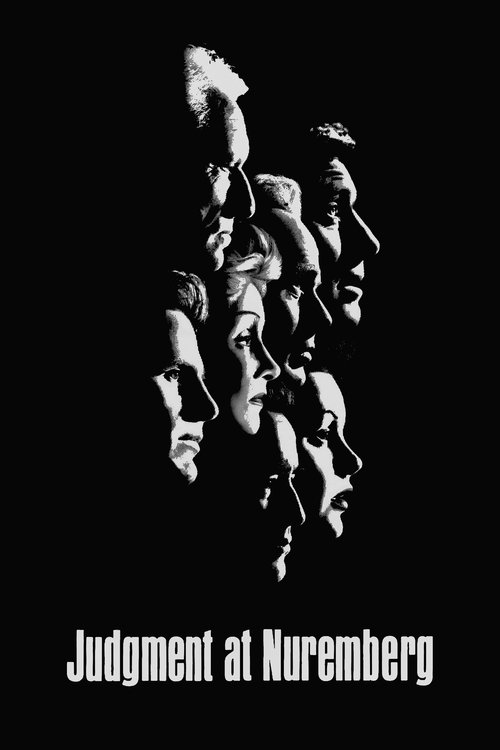
Judgment at Nuremberg1961
Spencer Tracy presides over judges who followed orders into atrocity, asking the same question Morant asks of soldiers: where does culpability actually sit?
But Three hours of courtroom philosophy demands patience, and its scale is far larger and more sobering than Morant's.
Gallipoli1981
Peter Weir's elegy for young Australians thrown away by British command shares Morant's anger at empire using colonials as expendable pawns, with the same sun-bleached, matey soul.
But It's a tragedy of youth and friendship, not a trial, so the courtroom tension you came for isn't here.
King and Country1964no page yet
A stark, little-seen British court-martial drama about a shell-shocked deserter, directed by Joseph Losey — quieter than Morant but just as damning about military justice as theatre.
But Slow, bleak, and studio-bound; it trades Morant's outdoor grandeur for claustrophobic close-ups and near-total despair.
Zulu Dawn1979no page yet
The disastrous British defeat at Isandlwana, told with the same eye for imperial arrogance and colonial troops paying for officers' blunders that runs through Morant.
But It's a battle epic, not a trial — the moral reckoning happens on the battlefield, not in a courtroom.
The Hill1965no page yet
Sean Connery grinds through a British army disciplinary camp where officers enforce cruelty as procedure — a sweaty, furious cousin to Morant's look at institutional rot.
But No trial, no verdict — just relentless punishment, which some will find punishing to sit through rather than satisfying.
The Odd Angry Shot1979no page yet
An overlooked Australian Vietnam film with the same wry, exhausted diggers' voice as Morant — men doing an ugly job while the brass stay clean.
But Small-scale and low-budget, with none of Morant's courtroom fireworks; it's mood and mateship, not drama and verdict.
The Fog of War2003
It takes the film's central argument — that following orders doesn't erase guilt, and that the powerful rarely face trial — and puts it in documentary form, from inside the mind of a man who actually held that power.
Errol Morris interviews Robert McNamara about the moral arithmetic of Vietnam and WWII — a real, elderly man openly wrestling with the same question Morant's lieutenants ask in court: who's actually responsible for a war's crimes?
But No drama, no actors, no courtroom verdict — just one man's memory and rationalisations, which some will find frustratingly unresolved.
Grand Illusion1937
Both interrogate what duty and class do to men in uniform, but Renoir made his case decades earlier and in a far softer key — proof the same questions can be asked in wildly different registers.
Renoir's WWI classic, made between the wars, watches officers on opposite sides recognise each other as gentlemen first and enemies second — a humane counterpoint to Morant's bitterness, from a gentler era of war cinema.
But Its tone is elegiac and almost tender where Morant is furious; if you want anger and injustice, this will feel like a detour.
People
Cast
 Edward WoodwardHarry 'Breaker' Morant
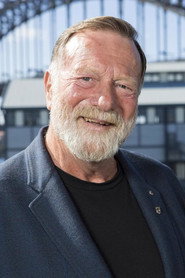 Jack ThompsonMajor J.F. Thomas
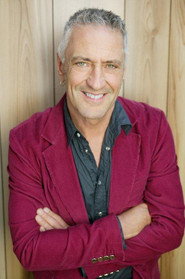 John WatersCpt. Alfred Taylor
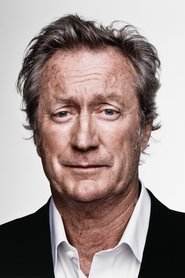 Bryan BrownLt. Peter Handcock
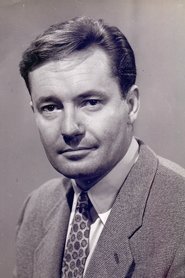 Charles TingwellLt. Col. Denny
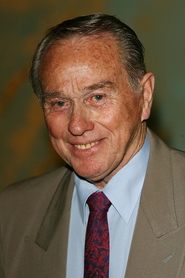 Terence DonovanCpt. Simon Hunt
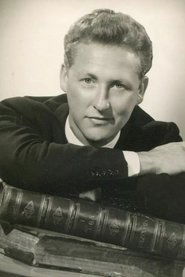 Vincent BallCol. Ian (Johnny) Hamilton
 Ray MeagherSar. Maj. Drummond
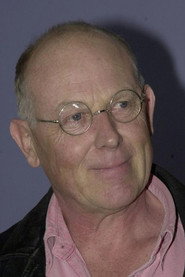 Chris HaywoodCpl. Sharp
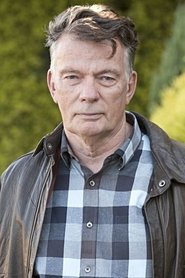 Russell KiefelChristiaan Botha
 Lewis Fitz-GeraldLt. George Witton
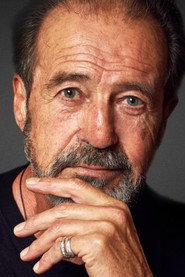 Rod MullinarMajor Charles Bolton
Directing
- Bruce BeresfordDirector
Writing
- Bruce BeresfordScreenplay
- David StevensScreenplay
- Jonathan HardyScreenplay
- Kenneth G. RossTheatre Play
Production
- Alison BarrettCasting
- Jenny DayLocation Manager
- Matt CarrollProducer
- Pamela H. VanneckProduction Manager