
Film
The Hill
- War drama
- Very dark
A brutal examination of power and cruelty within a British military prison camp in North Africa during World War II. Connery leads a group of soldiers forced to repeatedly march up a vast sand hill as punishment, with no purpose but suffering. The film is a lean, fierce study of what authority becomes when unchecked—less war film than psychological pressure cooker, shot in stark black and white.
Should you watch it?
Watch it if you like war films that are really about cruelty and authority, where the grinding heat and a sergeant's cold rules do more damage than any battlefield, and you admire tight ensemble performances more than action.
Skip it if you want the war itself on screen, with explosions, movement and clear heroes; this is mostly one brutal place and one unrelenting mood, and it rarely lets up for breath.
What it asks of you: Nearly two hours in a punishing desert setting, with slow, deliberate build-up and little relief, so you need patience and a willingness to sit with discomfort.
Not sure? Find tonight's pick in a minute.
If you liked this
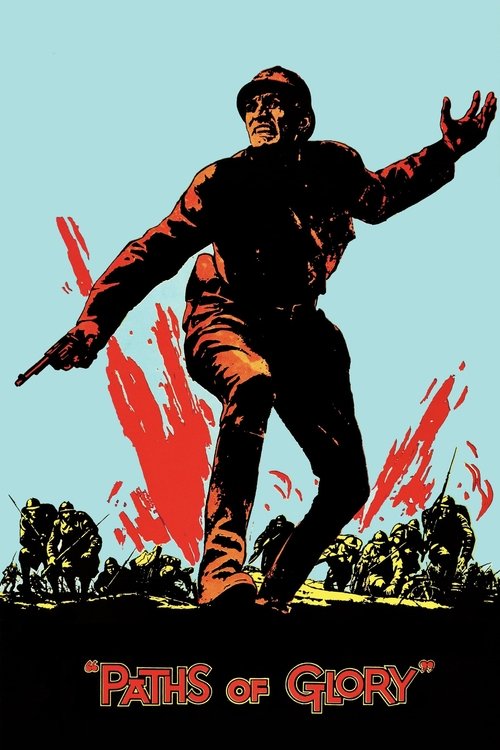
Paths of Glory1957
Kubrick's devastating indictment of military hierarchy and the machinery of injustice. Like The Hill, it finds horror not in combat but in the systems that grind men down, with Kirk Douglas as the conscience they crush.
But A courtroom procedural in the second half pulls focus from the visceral fury of the first. The pacing can feel deliberate to the point of slowness.
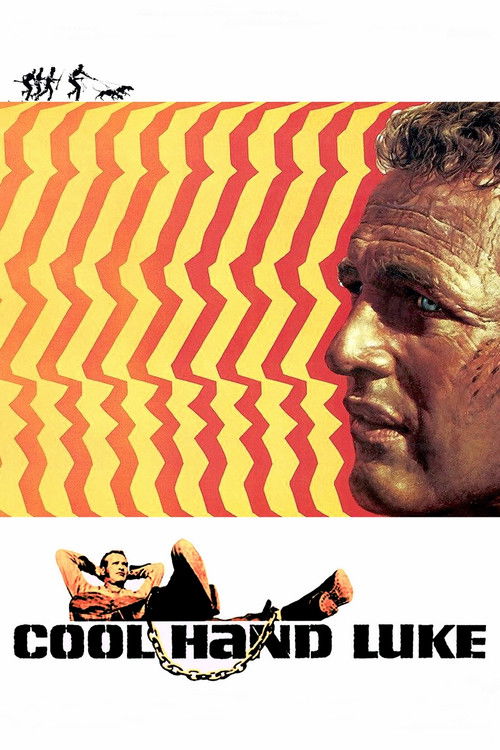
Cool Hand Luke1967
Newman in a chain gang, an unyielding authority structure, and the slow, methodical breaking of a man's spirit. Prison as a microcosm of power and resistance, told with dark humour and real tension.
But The tonal whiplash between broad comedy and genuine cruelty may feel uneven. Some moments play softer than The Hill's relentless grimness.
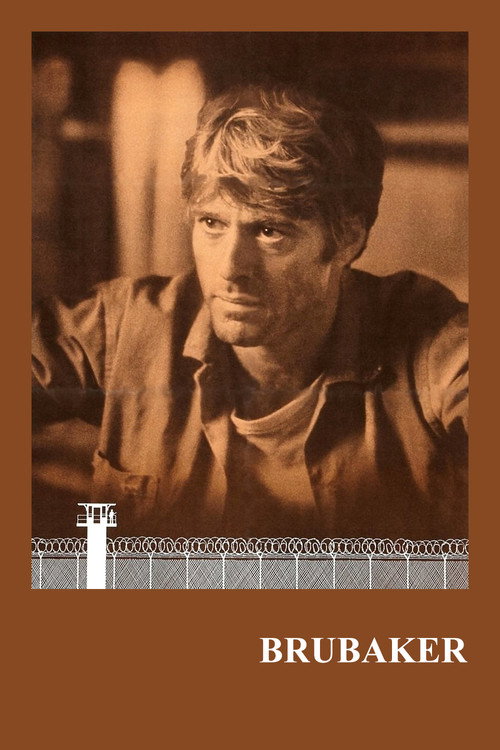
Brubaker1980
Redford infiltrates a corrupt prison to expose its brutality from within. It shares The Hill's focus on systemic cruelty and one man's attempt to maintain dignity against an institution designed to strip it away.
But The narrative is more conventional than The Hill—it follows a clearer arc toward reform rather than ambiguity. Less formally experimental.
Not sure tonight? Get a pick in a minute, starting from The Hill
The wildcard
Something you would not have found on your own.
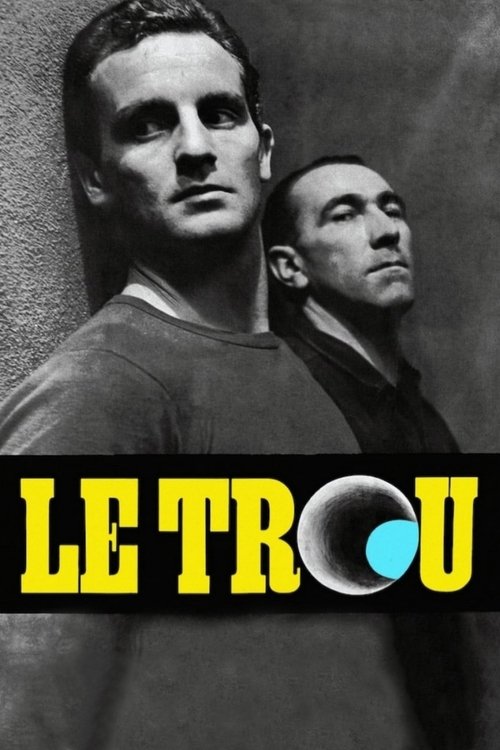
Le Trou1960
Both films treat institutional confinement as a space where human nature is stripped bare and character is forged through pressure. Both distrust authority without sentimentality.
A meditation on an escape attempt from a French prison, filmed by an ex-con with documentary precision. Where The Hill is about power and punishment, this is about hope and solidarity among inmates. Same moral intensity, completely different register.
But It's French, it's slow, it's focused on the technical and psychological intricacies of planning rather than action. If you're seeking momentum, you'll find only patient, meticulous observation.
More like this (7)
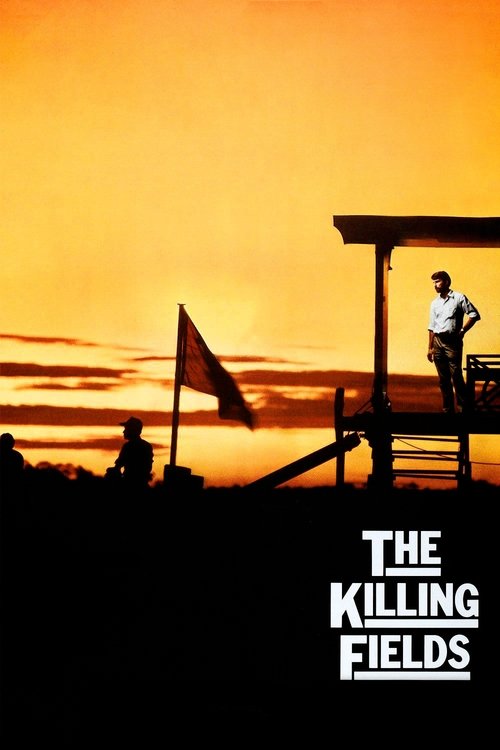
The Killing Fields1984
A journalist and a Cambodian interpreter caught in the machinery of genocide. Like The Hill, it's about survival under absolute power, though here the scale is historical and the horror is devastatingly real.
But The emotional weight is almost unbearable. This is trauma cinema, not entertainment. The Hill is bleak; this is worse.
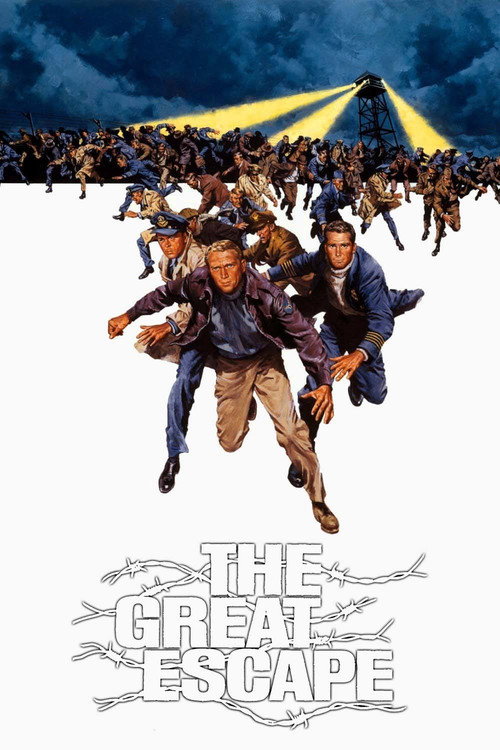
The Great Escape1963
Prisoners of war resisting authority through cunning and solidarity. McQueen and Bronson lead an ensemble that proves men can maintain agency even in captivity, a thematic mirror to The Hill's darker vision.
But It's more adventure than ordeal—the tone is heroic rather than suffocating. The Hill's claustrophobia is replaced by momentum and escapism.
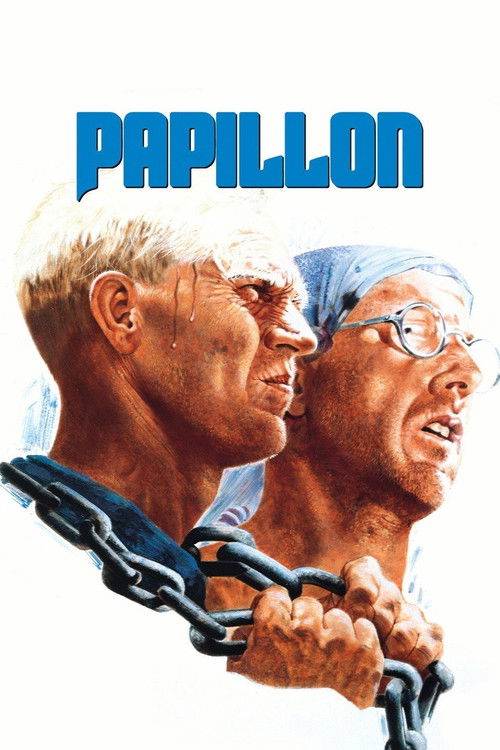
Papillon1973
McQueen's obsessive drive for freedom against the dehumanising machinery of a penal colony. Survival and dignity become the same battle, across decades, with visual poetry emerging from brutality.
But Nearly three hours, and the middle section drags. The episodic structure doesn't have The Hill's tight, suffocating focus.
A Prophet2009
A young man survives prison by understanding and navigating its internal power structures. French cinema at its fiercest, with the same attention to how authority corrupts and how men resist or capitulate.
But Modern sensibility and longer runtime shift the mood. The Hill's antiquated, almost classical formality is part of its power; this is grittier and more contemporary.

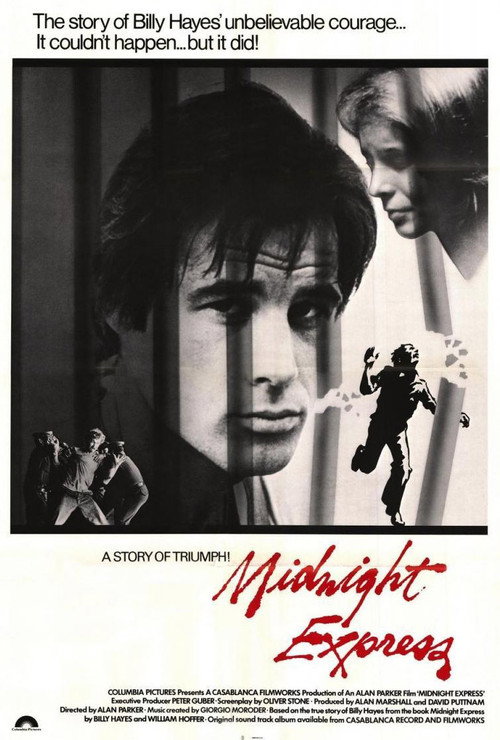
Midnight Express1978
An American imprisoned in Turkey navigates a hostile system where nationality and language are weapons used against him. Paranoia, injustice, and the will to survive drive the narrative as relentlessly as The Hill's sand.
But The script softens some of the complexity into a more straightforward escape drama. Some find it exploitative rather than exploratory.
Come and See1985
Both present war not as combat but as a grinding machine designed to hollow out human beings. Both favour long takes and repetition to convey psychological collapse. The Hill does it in sand; Come and See does it across a nation.
A Soviet masterpiece that follows a boy conscripted into the Red Army during World War II. Like The Hill, it's a war film that rejects heroics and shows how systems destroy the young. Formally radical and spiritually devastating.
But This is not entertainment. It is a film about atrocity that refuses comfort. The final thirty minutes are almost unwatchable. The Hill is brutal; this is apocalyptic.

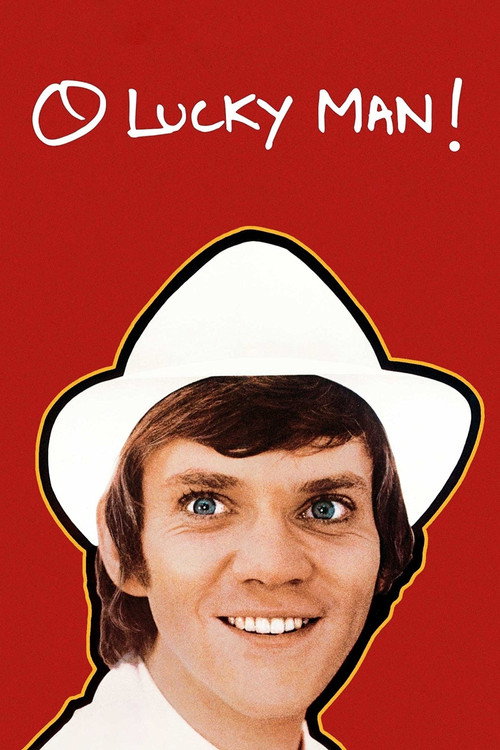
O Lucky Man!1973
Both are British films about systems that grind individuals down, and both show authority as absurd as well as cruel. Anderson was fascinated by The Hill's world and interrogates it through nightmare and satire instead of realism.
Lindsay Anderson's wild, genre-defying satire follows a naive young man through a series of escalating humiliations and corruptions within an indifferent system. It shares The Hill's interest in institutional cruelty but explodes it across surrealism and music and dark comedy.
But It's three hours long and structurally chaotic. If you want The Hill's taut focus, this is its opposite—baroque, digressive, almost delirious. Some see it as a masterpiece; others as indulgent nonsense.
People
Cast
 Sean ConneryJoe Roberts
 Harry AndrewsR.S.M. Wilson
 Ian BannenHarris
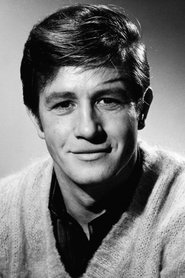 Alfred LynchGeorge Stevens
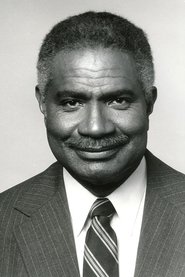 Ossie DavisJacko King
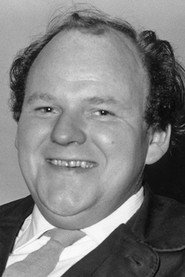 Roy KinnearMonty Bartlett
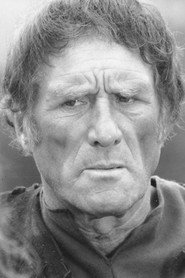 Jack WatsonJock McGrath
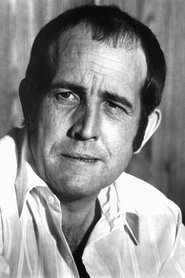 Ian HendryStaff Sergeant Williams
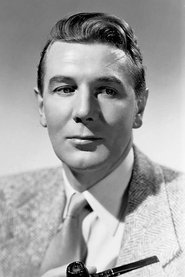 Michael RedgraveThe Medical Officer
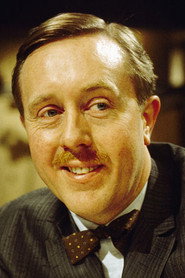 Norman BirdCommandant
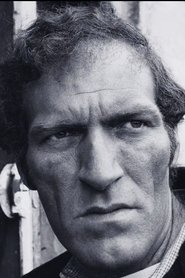 Neil McCarthyBurton
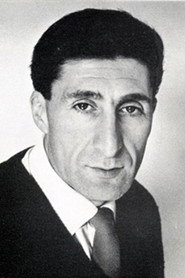 Howard GoorneyWalters
Directing
- Frank ErnstAssistant Director
- Pedro VidalAssistant Director
- Lee TurnerContinuity
- Sidney LumetDirector
Writing
- Ray RigbyScreenplay
- R.S. AllenTheatre Play
- Ray RigbyTheatre Play
Production
- Raymond AnzarutAssociate Producer
- Kenneth HymanProducer
- Clifton BrandonProduction Manager
Recommended by
The Dirty Dozen, Stalag 17, Le Trou, Bronson, Breaker Morant, The Bridges at Toko-Ri, Birdman of Alcatraz, King and Country, Regeneration, The Sergeant, Satan's Sadists, The Desert Rats, The Bunker