
Film
King and Country
A stark 1964 court-martial drama set in World War I. Dirk Bogarde defends a shell-shocked private accused of desertion, unraveling the moral rot beneath military discipline. Shot in austere black-and-white, it's a precise, furious film about institutional cruelty masquerading as order. For anyone who wants their war stories lean and unflinching.
If you liked this
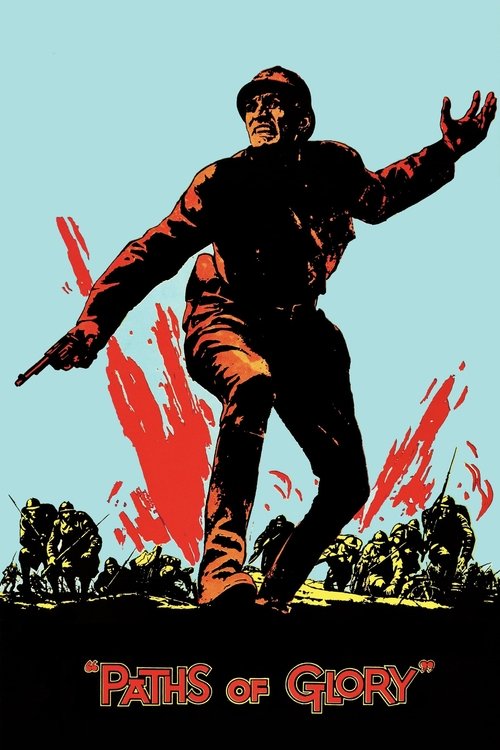
Paths of Glory1957
Kubrick's 1957 masterpiece about a colonel defending soldiers court-martialed for cowardice. Formal, devastating, and fundamentally about how power destroys the powerless. Essential viewing.
But The courtroom sequences can feel static by modern standards, and the film's pessimism is unrelenting—there are no comforting resolutions here.
The Hill1965
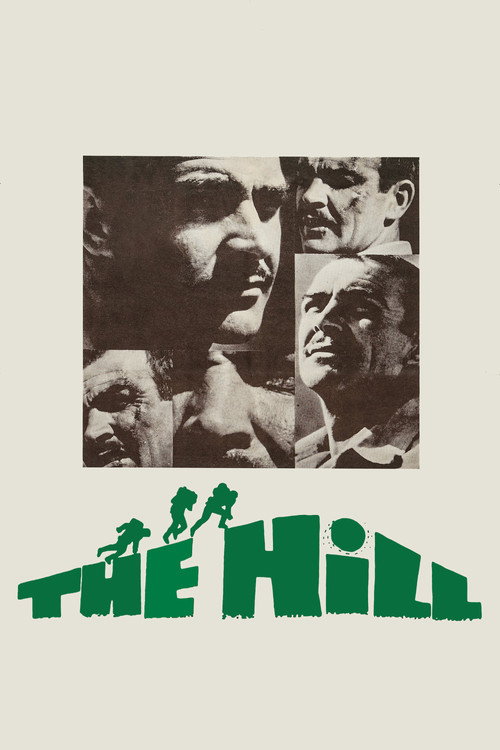
Another British military court-martial film, this one about prisoners in a brutal army stockade. Sean Connery and Harry Andrews in a pressure-cooker about institutional sadism. Raw and immensely gripping.
But Visually grim and relentlessly dark. The power dynamics can be exhausting to watch, and there's limited emotional relief.
Come and See1985
Elem Klimov's Soviet film about a boy conscript in WWII. Hallucinatory, apocalyptic, and morally absolute about war's dehumanizing cost. Nothing else captures the obliteration of innocence quite like this.
But Intensely graphic and psychologically punishing. This isn't entertainment—it's an ordeal by design, and it feels that way.

Not sure tonight? Get a pick in a minute, starting from King and Country
The wildcard
Something you would not have found on your own.
Masculin Féminin1966
Both are films about young men destroyed by systems larger than themselves—one through military law, one through the machinery of society and spectacle. Both see the individual as sacrificial.
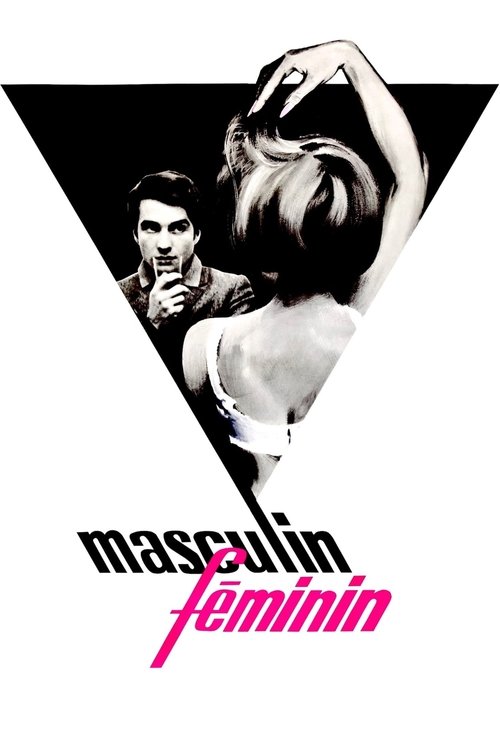
Godard's 1966 essay-film on youth, politics, and desire in Paris. Jean-Pierre Léaud as a young man navigating the Vietnam War through pop culture and ideology. Shot in his restless, fractured style—nothing like King and Country formally, but the same moral fury about institutions consuming individuals.
But Structurally chaotic by design. Subtitled, and deliberately anti-narrative; it's as much philosophy as story. Will frustrate anyone wanting conventional plot.
More like this (7)
Regeneration1997
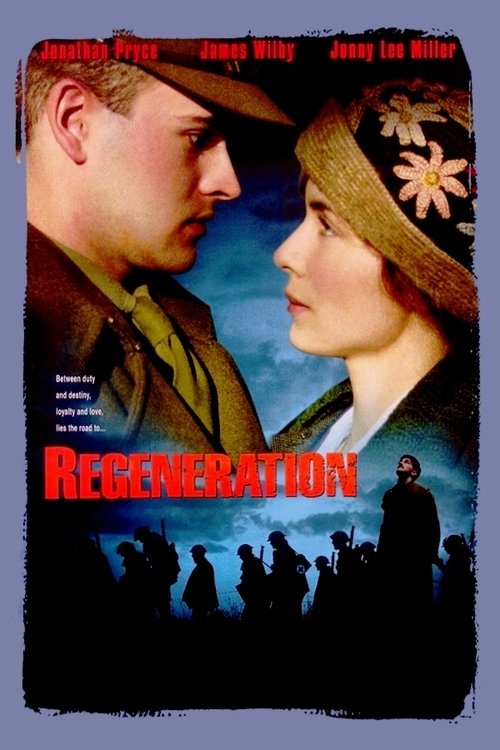
WWI drama following shell-shocked soldiers in a psychiatric hospital. Thoughtful and humane, with Jonathan Pryce and James Wilby examining trauma before we had language for it. Compassionate without being sentimental.
But Considerably gentler in tone than King and Country. If you want moral rage, this substitutes understanding, which some will find less cathartic.
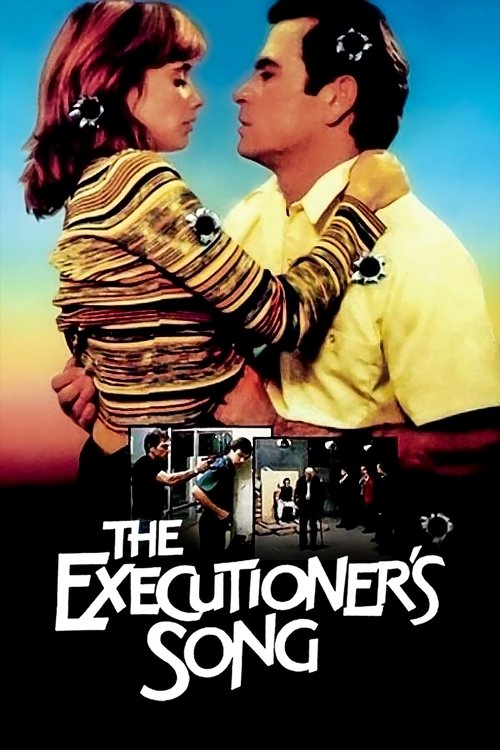
The Executioner's Song1982
Mailer's adaptation of his own novel about Gary Gilmore's execution. Tommy Lee Jones and Jason Robards in a film about bureaucratic death. Methodical, horrifying, and structurally similar in its unflinching examination of the machinery of judgment.
But Slow-burn and deliberately procedural. The subject matter—capital punishment—may be too raw for some viewers.
The Third Man1949
Welles and Reed's post-war Vienna noir. Shot in crystalline black-and-white like King and Country, it examines moral compromise and institutional corruption through a soldier navigating a broken world.
But A thriller, not a drama, so the moral enquiry sits alongside genre mechanics. Some find the ornate style distracting.

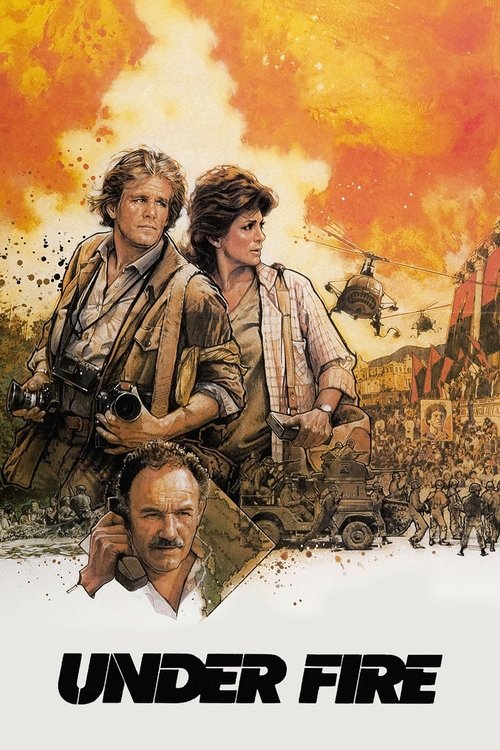
Under Fire1983
Journalists and rebels in Nicaragua, with Nick Nolte and Gene Hackman. War told from the margins, about witnesses trying to tell the truth. Morally complex and visually striking.
But Dated in its politics and pacing. Less formally rigorous than King and Country, and the 80s filmmaking shows its age.
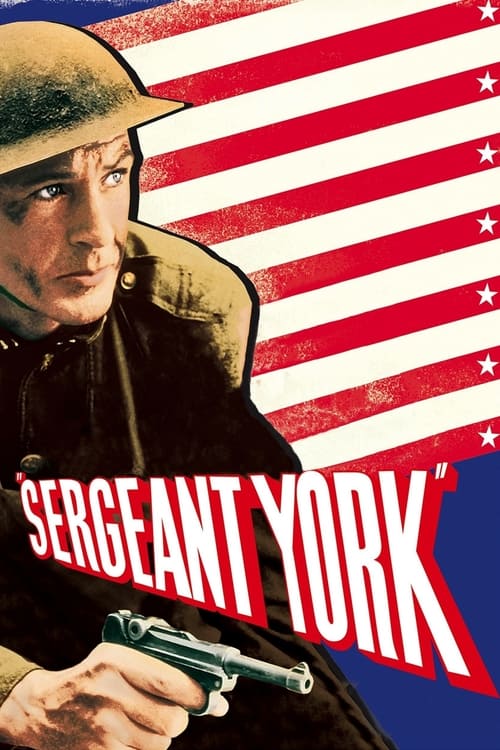
Sergeant York1941
Gary Cooper as the reluctant hero, a WWI drama that subverts the uniform just enough to make it interesting. If you want to see the machinery of myth-making applied to war.
But Ultimately a conventional heroism narrative despite its skepticism. Wartime propaganda in nicer clothing, really.
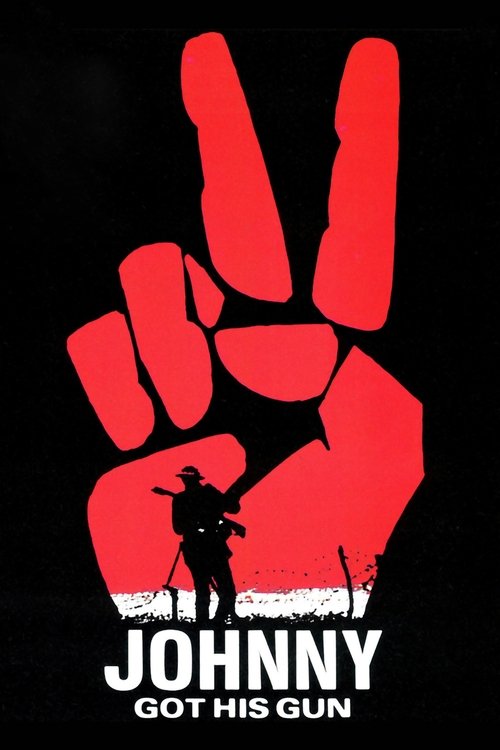
Johnny Got His Gun1971
Where King and Country is about institutional machinery destroying the innocent, Johnny Got His Gun is about the literal reduction of a human being to a problem to be managed. Both are about what remains when everything is taken.
Dalton Trumbo's adaptation of his own novel: a soldier without limbs, sight, or speech in a hospital bed, trapped in a body. Black-and-white, formally daring, philosophically extreme. The most radical anti-war film made in America.
But Aggressively bleak and nearly unwatchable at points. The visual metaphors can feel theatrical rather than earned. Not for those wanting catharsis.
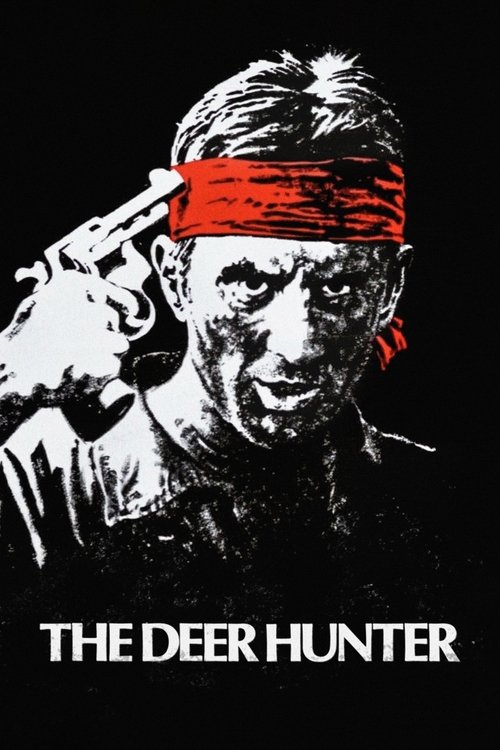
The Deer Hunter1978
Both films examine how institutions (military, industrial) grind down ordinary men. Both are formally precise about moral corruption. But where King and Country is taut and focused, The Deer Hunter is sprawling and elegiac—same moral core, opposite register.
Cimino's three-hour epic about working-class Pennsylvania steelworkers before and after Vietnam. Walken, De Niro, Streep. Essentially a Western about American life, with war as the rupture. Formally ambitious and devastatingly sad.
But Extremely long, and the pacing is deliberate to the point of demanding patience. Controversial for its geopolitical implications, and some found it exploitative on release.
People
Cast
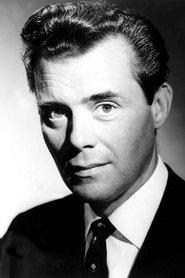 Dirk BogardeCapt. Hargreaves
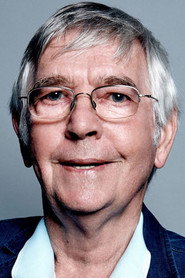 Tom CourtenayPvt. Arthur Hamp
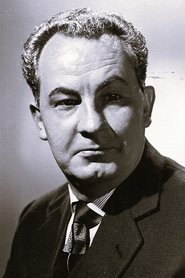 Leo McKernCapt. O'Sullivan
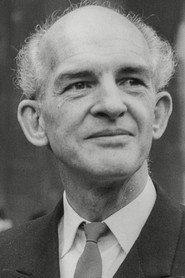 Peter CopleyColonel
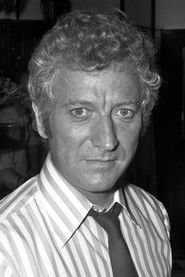 Barry FosterLt. Webb
- Barry JusticeLt. Prescott
 James VilliersCapt. Midgley
 Jeremy SpenserPvt. Sparrow
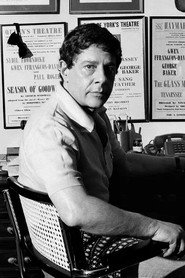 Vivian MatalonPadre
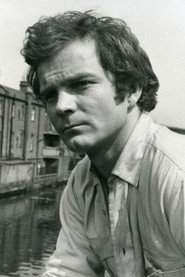 Keith BuckleyCorporal of Guard
- James HunterPvt. Sykes
- Jonah SeymourCpl. Hamilton
Directing
- Joseph LoseyDirector
Writing
- Evan JonesScreenplay
- John WilsonTheatre Play
- A.E. HousmanWriter
- Dirk BogardeWriter
- J.L. HodsonWriter
Production
- Joseph LoseyProducer
- Norman PriggenProducer
Recommended by
The Battle of the Somme, Breaker Morant, Westfront 1918, Von Richthofen and Brown, Aces High, Dawn