
Film
Dawn
A 1928 silent film about Nurse Edith Cavell, who sheltered Allied soldiers in occupied Belgium during WWI and faced execution for her defiance. It's a restrained, dignified piece of cinema that treats heroism not as spectacle but as quiet conscience. Essential viewing for anyone interested in how early film handled moral courage.
If you liked this
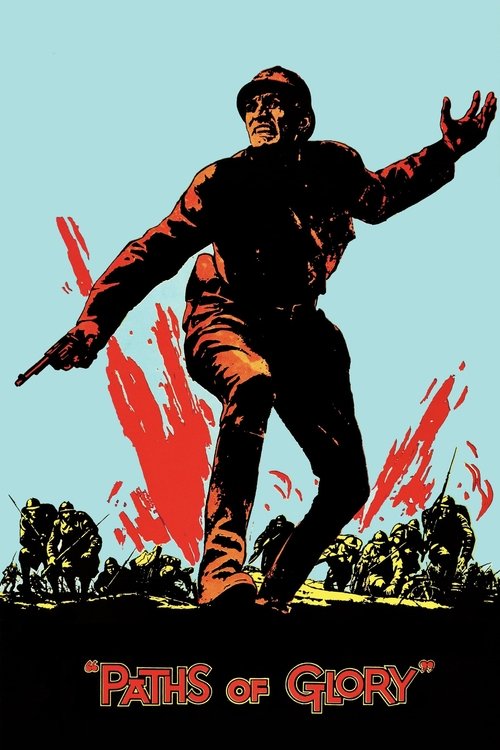
Paths of Glory1957
Kubrick's ferocious indictment of WWI military hierarchy, following soldiers caught between impossible orders and their own survival. Morally uncompromising and visually masterful, it shares Dawn's concern with individual conscience under totalitarian pressure.
But It's brutally bleak with a devastating final scene. Not a film that leaves you feeling uplifted, and the courtroom sequences are almost unwatchable in their injustice.
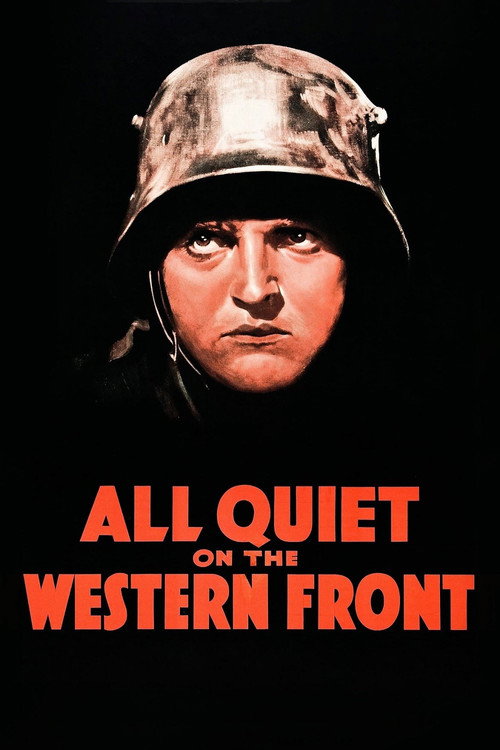
All Quiet on the Western Front1930
Remarque's novel became this immersive, horrifying portrait of young men ground through the trenches. It captures the machinery of war with an immediacy that makes the sacrifice in Dawn resonate differently—you see what those escaped soldiers were running from.
But Some of the early sound acting feels stiff by modern standards, and the battle sequences, while powerful, can feel repetitive. It's three hours of accumulated dread.
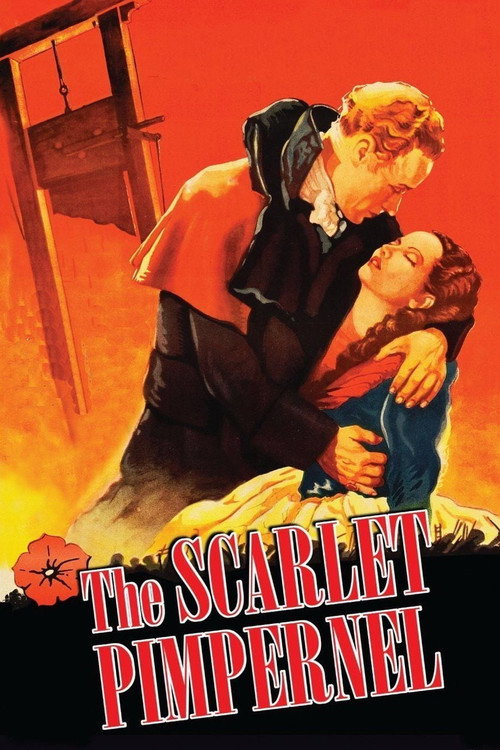
The Scarlet Pimpernel1934
Leslie Howard as the foppish aristocrat who rescues French aristocrats from the Terror. It has the same DNA as Dawn—ordinary people risking everything to save lives—but dressed as adventure rather than tragedy.
But It's considerably more theatrical and lighter in tone. If you want to sit with moral weight, this trades that for swashbuckling charm.
Not sure tonight? Get a pick in a minute, starting from Dawn
The wildcard
Something you would not have found on your own.
Battleship Potemkin1925
Both are silent films from the late 1920s that use cinema as a medium for political moral clarity—showing heroism as something unglamorous and absolute, not triumphalist.
Eisenstein's Soviet masterpiece isn't about WWI or heroism—it's about ordinary people in extraordinary defiance. Released just years before Dawn, it uses film language in revolutionary ways to show collective courage. Watching both reveals how differently filmmaking traditions approached moral resistance.
But It's silent, Russian, and stylistically avant-garde. The editing is hypnotic but demands active viewing; it's easy to get lost if you're not engaged.

More like this (6)
Gallipoli1981
Weir's film follows young Australian soldiers toward a doomed campaign. Like Dawn, it's concerned with the waste of war and the powerlessness of individual conscience against vast machinery. The final scene is devastating.
But It's emotionally exhausting and the pacing is deliberate. The second half strips away hope in ways that some find punishing rather than enlightening.
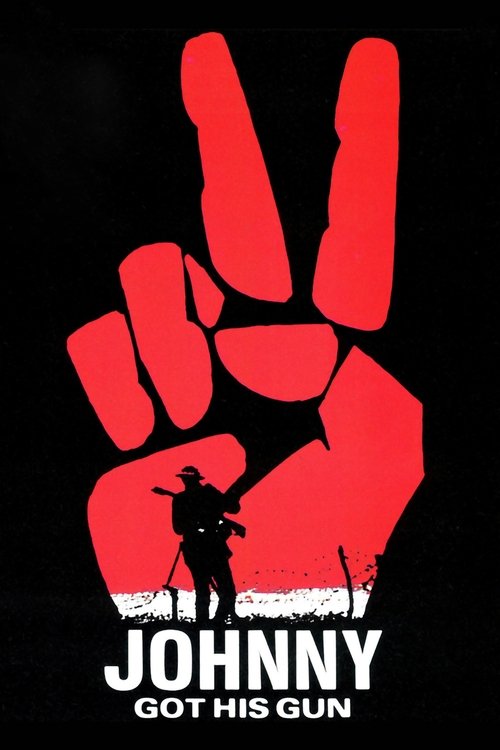
Johnny Got His Gun1971
Dalton Trumbo adapted his own anti-war novel into a hallucinogenic protest against mechanized slaughter. It's radically different from Dawn but shares its horror at what war demands of human beings.
But The surrealist sequences are genuinely difficult to watch. It's not subtle, and the film's rage can feel overwrought to some viewers.
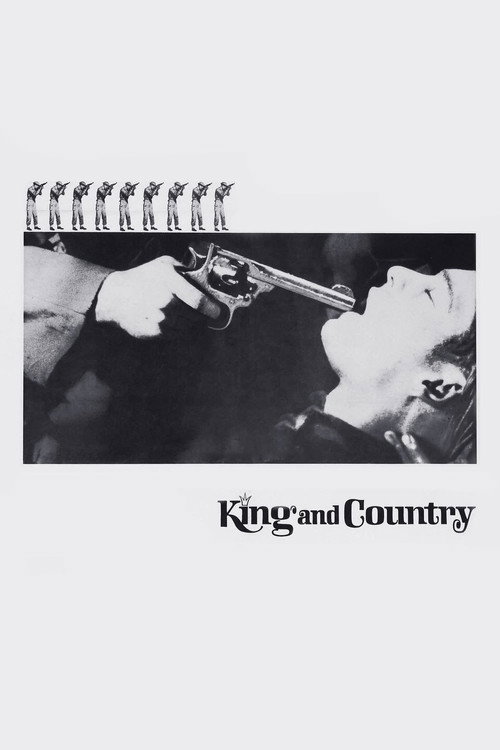
King and Country1964
Joseph Losey's bitter court-martial film about a soldier executed for desertion. It has Dawn's interest in systems that crush individual dignity, but viewed through postwar disillusionment rather than wartime idealism.
But It's a chamber piece—mostly dialogue and performance—and lacks the visual drama some expect from a war film. Very British in its restraint.
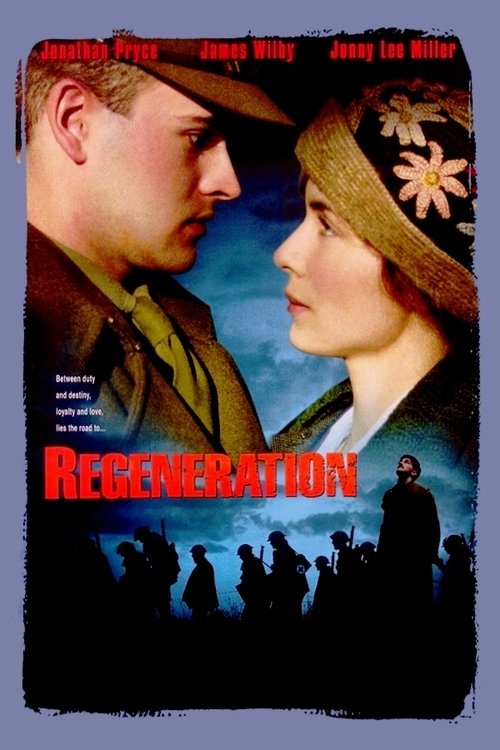
Regeneration1997
Adapted from Pat Barker's novel, it focuses on shell-shocked officers in a psychiatric hospital. It explores how war damages the mind and soul of those who survive, offering a different angle on the human cost.
But It moves slowly and the psychological material can feel repetitive. The film doesn't build toward clear catharsis, which frustrates viewers wanting narrative momentum.
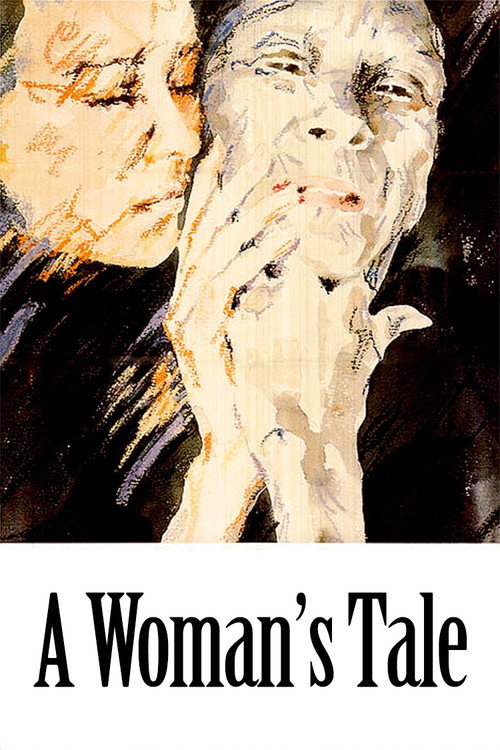
A Woman's Tale1991
Both films are interested in how individuals maintain moral and spiritual independence when systems—war, illness, oppression—offer only surrender. Both treat this with absolute seriousness and no sentimentality.
Paul Cox's Australian film about an elderly woman facing her final illness with defiant grace. It has nothing to do with war, but everything to do with Cavell's quiet refusal to submit to power—here, the power of mortality itself. A profound meditation on dignity in the face of the inevitable.
But It's a slow, meditative film about aging and death. Commercially, it barely exists. And it offers no comfort, only acceptance, which some find bleak rather than moving.
Come and See1985
If Dawn shows us the hope that conscience can triumph in war, Come and See systematically dismantles that hope. Watching both gives you the full moral range of how cinema has understood conflict and resistance.
Elem Klimov's Soviet film about a boy conscripted into war follows the opposite arc from Dawn: instead of rescue, we watch corruption. It's harrowing and necessary—a document of what happens when ordinary humanity meets mechanized slaughter without the mercy Cavell offered.
But It's genuinely traumatic to watch. Shot in deliberately ugly, chaotic style. You will not enjoy it in any conventional sense. Absolutely essential, but it carries a cost.

People
Cast
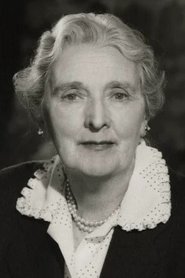 Sybil ThorndikeNurse Edith Cavell
- Ada BodartHerself
- Gordon CraigPhilippe Bodart
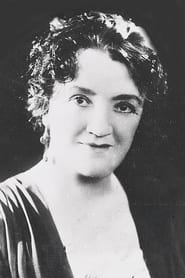 Marie AultMme. Rappard
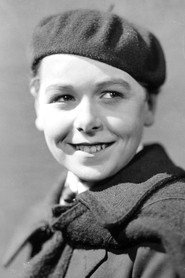 Mickey BrantfordJacques Rappard
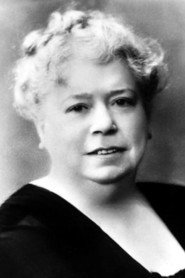 Mary BroughMme. Pitou
- Richard WorthJean Pitou - Bargekeeper
- Colin BellWidow Deveaux
- Dacia DeaneMme. Deveaux's Daughter
- Cecil BarryCol. Schultz
- Frank PerfittGen. von Zauberzweig
- Haddon MasonGerman A.P.M.
Directing
- Herbert WilcoxDirector
Writing
- Herbert WilcoxAdaptation
- Robert CullenScreenplay
- Reginald BerkeleyStory