
Film
Aces High
- War action
- Very dark
A 1976 WWI drama that strips away romance from aerial combat, following a RAF squadron commander watching his pilots—many barely out of school—burn through life expectancy measured in days. The film marries stunning practical dogfight sequences with quiet, devastating character work, more interested in the moral exhaustion of command than in heroics. It's for anyone who wants war cinema that respects your intelligence.
Should you watch it?
Watch it if you want a stately, dialogue-driven war film where the air battles carry real weight and the talk between officers in the mess matters as much as the dogfights.
Skip it if you need your wartime drama to move briskly, since this one lingers over its talk and its long stretches of quiet between sorties, and its mood stays sombre throughout.
What it asks of you: Settle in for a leisurely 114 minutes, patient with its officers and its quiet stretches between flights, with a grave, steady tone rather than a breathless one.
Not sure? Find tonight's pick in a minute.
If you liked this
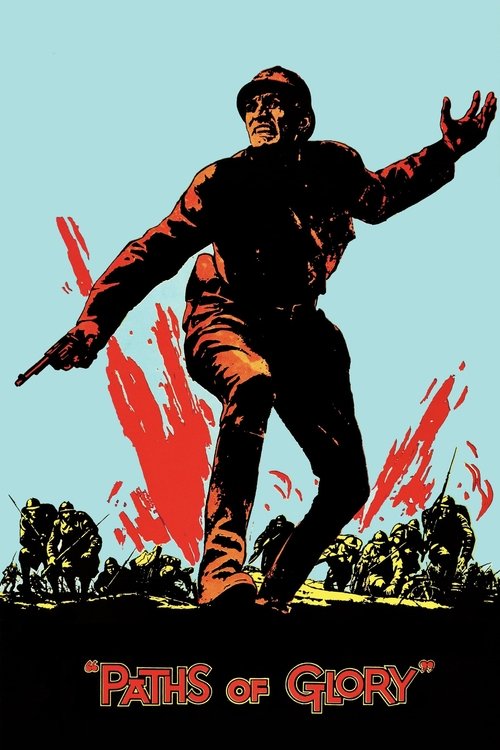
Paths of Glory1957
Kubrick's devastating WWI masterpiece about the machinery of war grinding through human lives. Identical thematic core to Aces High—futility, command under impossible conditions, men as expendable resources—but relentless and icier in tone.
But Ends on a note so bleak it doesn't offer even the modest catharsis Aces High provides. Slower paced, heavier throughout.
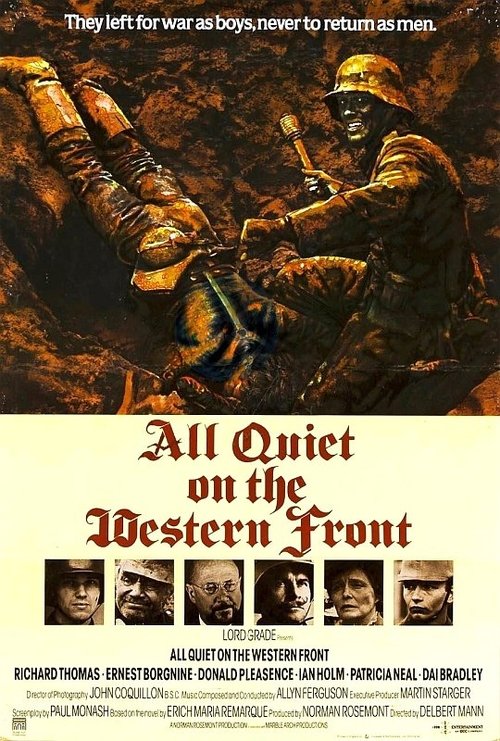
All Quiet on the Western Front1979
The Milestone version captures the grinding horror of trench warfare with unflinching clarity. Like Aces High, it centers on young men facing industrial-scale death, but from the enlisted perspective rather than the officer's chair.
But More graphically brutal. The 1930 version is more famous, but this '79 version can feel overly earnest to some.
Gallipoli1981
Weir's film about Australian soldiers heading toward futile slaughter has Aces High's blend of camaraderie, coming-of-age, and creeping dread. Visually gorgeous and emotionally precise about waste.
But Shifts between scenes of training and scenes of battle in ways that can feel uneven. Less interested in command structure and more in youth itself.
Not sure tonight? Get a pick in a minute, starting from Aces High
The wildcard
Something you would not have found on your own.
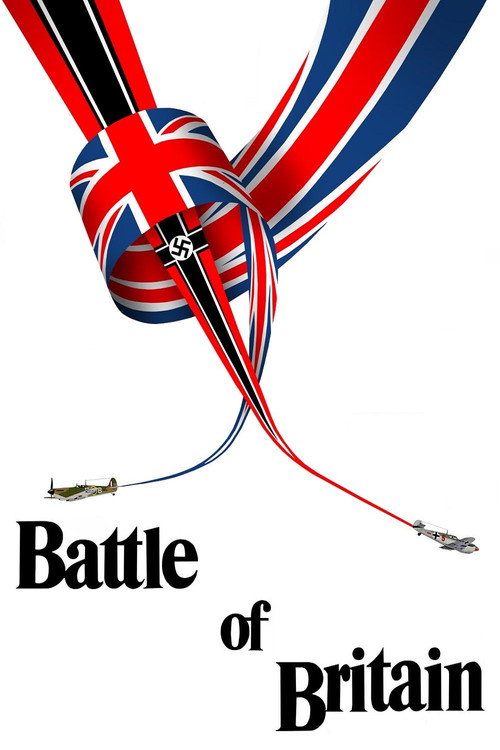
Battle of Britain1969
Both films treat aerial combat as a logistical problem and a moral one, using real flying sequences to convey the specific terror of being alone in the sky. Both centre on command decisions that kill young men.
An ensemble WWII aerial combat film that learned everything from earlier flying movies. Bigger budget than Aces High, more stars, but same commitment to practical flying sequences and the strange isolation of air warfare. Lets you see what Aces High's aesthetic evolved into.
But Nearly three hours and sprawling—it doesn't have Aces High's tightness or character focus. The WWII setting means it carries different historical weight.
More like this (8)
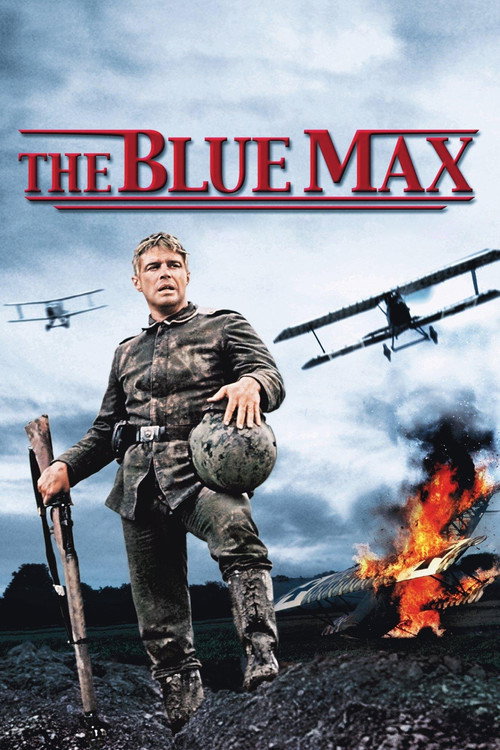
The Blue Max1966
A WWI aerial combat film with real flying sequences and stunning 1960s cinematography. Pits ambition against conscience in ways that echo Aces High's moral complications.
But Its protagonist is far less sympathetic, and the film sometimes leans into exploitation. Doesn't have the character depth you're looking for.
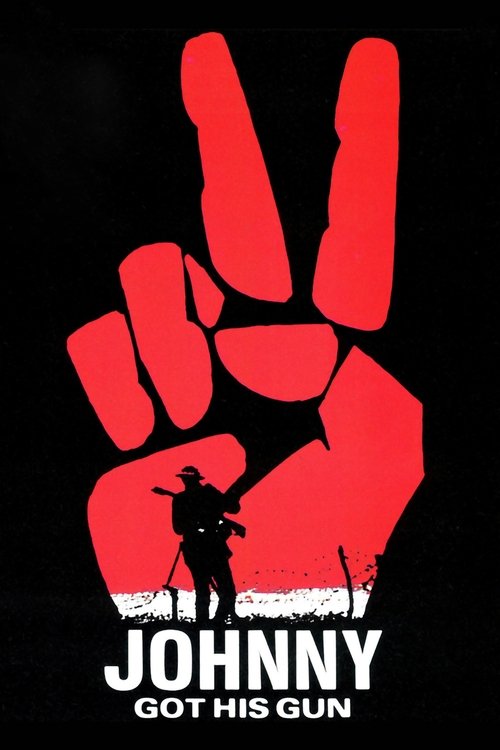
Johnny Got His Gun1971
Dalton Trumbo's adaptation of his own novel is a ferocious, hallucinatory anti-war statement about a soldier reduced to consciousness trapped in a body. Shares Aces High's moral clarity about what war actually costs.
But Surreal and deeply unsettling rather than conventional. The imagery is designed to disturb, not comfort. Not a comfortable watch.
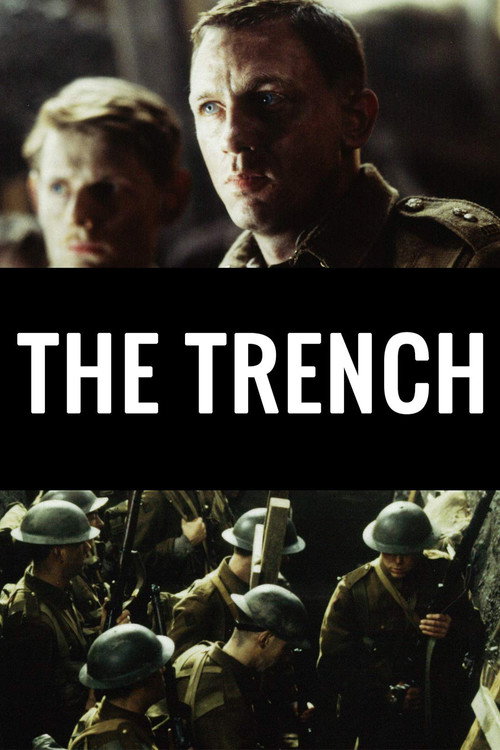
The Trench1999
A smaller, quieter film about British soldiers in the trenches awaiting an order to go over the top. Chamber-piece intensity about men facing death with nowhere to run.
But Low budget shows. Less cinematically ambitious than Aces High and the pacing can drag in the middle stretches.
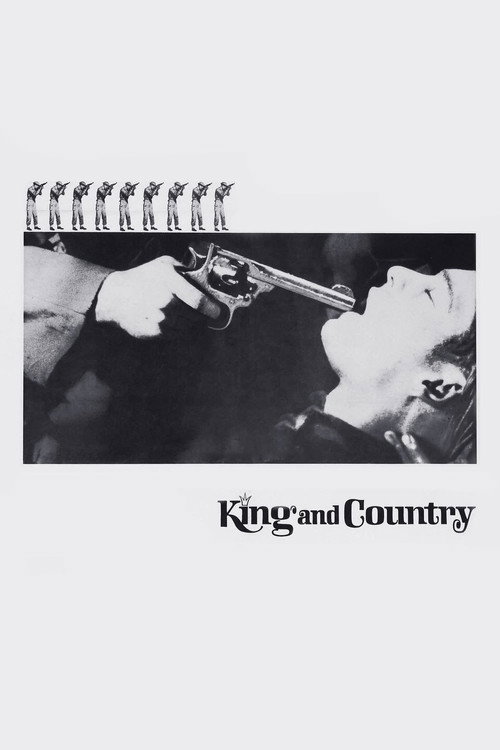
King and Country1964
Joseph Losey's court-martial drama about a shell-shocked private and the officer forced to defend him. Piercing examination of military authority and moral responsibility in wartime.
But Deliberately theatrical and talk-heavy. Very much a film about ideas, which means it moves slowly and can feel dated in its approach.
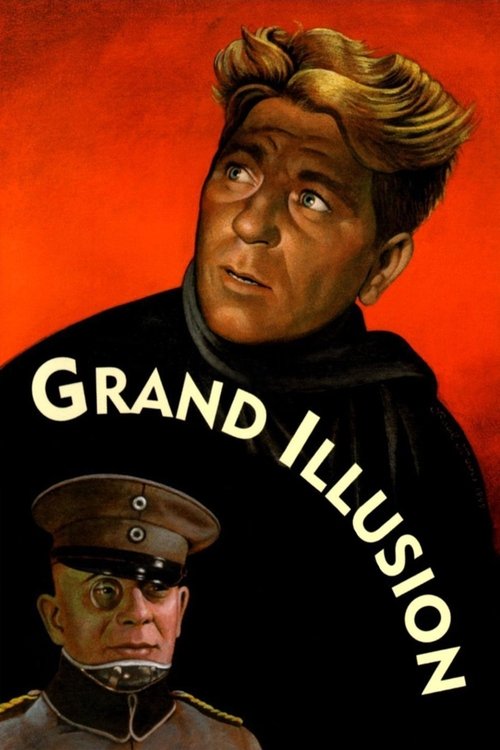
Grand Illusion1937
Renoir's masterpiece about class, nationality, and the bonds between men across enemy lines during WWI. Deeper and more humanistic than Aces High, less about combat than about connection amid conflict.
But Pre-war production values and pacing. Some will find it too philosophically minded and not enough story. Subtitled, which matters for some viewers.
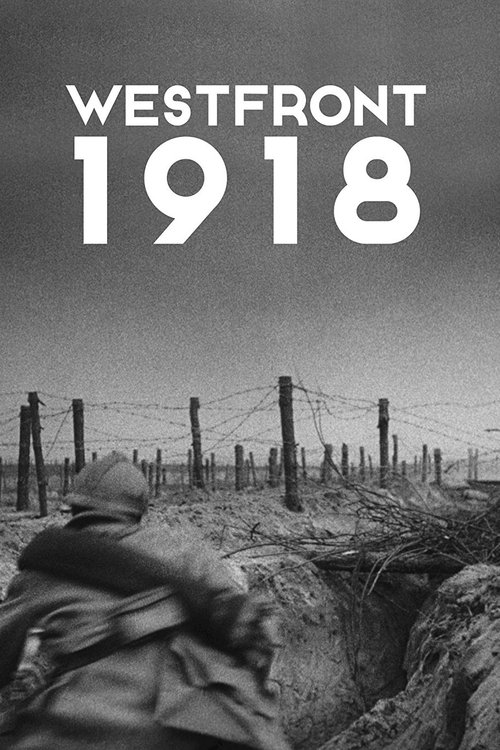
Westfront 19181930
Pabst's rarely-discussed early talkie about German soldiers in the trenches. Raw, unflinching look at the grinding degradation of trench warfare without sentimentality or national bias.
But Silent and early-talkie conventions make it feel very distant. Image quality varies wildly depending on print. Harder to find than others here.
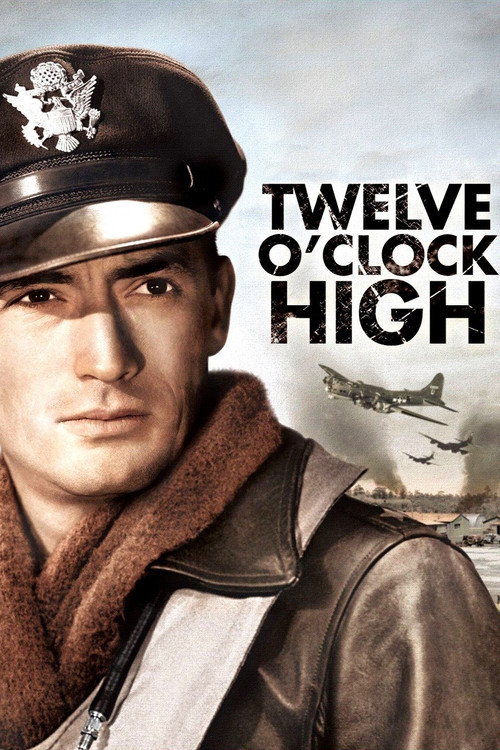
Twelve O'Clock High1949
Both films understand that the worst burden in war falls on the men responsible for other men's deaths. Both treat this seriously, without melodrama. Same basic structure: command, attrition, moral fracture.
An American WWII film about a bomber squadron commander pushed to the breaking point by the attrition rate of his crews. The emotional and psychological core is nearly identical to Aces High—the toll of sending men to die—but shot in 1949 black-and-white with Gregory Peck. A template for every war film about command that came after.
But Older film stock and conventions. The politics around American versus British heroism embedded in it will read differently. Less visually stunning than Aces High.
Come and See1985
Both films refuse to make war beautiful or meaningful. Both centre on young men—boys, really—facing industrial killing. Aces High has restraint and distance; Come and See has none. Together they show two ways cinema can tell the truth about war without flinching.
A Soviet film about a boy conscripted into WWII, tracking his journey through combat and atrocity. Absolutely uncompromising about what war does to the human spirit. Shot in 1985 but depicting 1943. No comfort here, no distance—it's shot like a nightmare.
But Genuinely traumatising. Not recommended if you're watching to feel moved in a healthy way. Long, bleak, and designed to exhaust you. Subtitled. Many who respect it deeply cannot watch it twice.

People
Cast
 Malcolm McDowellMaj. John Gresham
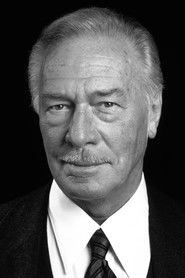 Christopher PlummerCapt. 'Uncle' Sinclair
 Simon WardLt. Crawford
 Peter FirthLt. Stephen Croft
 David WoodLt. 'Tommy' Thompson
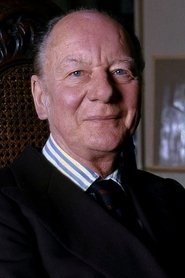 John GielgudHeadmaster
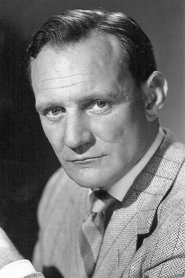 Trevor HowardLieutenant Colonel Silkin
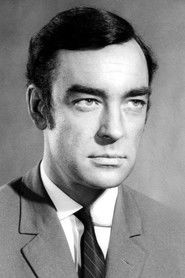 Richard JohnsonMajor Lyle
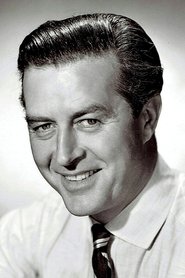 Ray MillandBrigadier General Whale
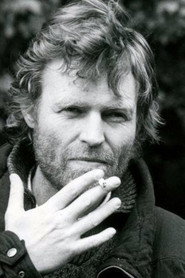 Gilles BéhatCaptain Beckenauer
 Tim Pigott-SmithMajor Stoppard
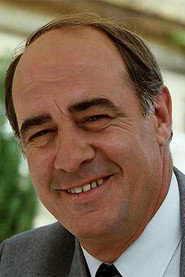 David DakerBennett
Directing
- Jack GoldDirector
Writing
- Howard BarkerWriter
Production
- Maude SpectorCasting
- Benjamin FiszProducer
- Jacques RoitfeldProducer
Recommended by
The Sound Barrier, Strike Commando, The Red Baron, The Great Waldo Pepper