
Film
The Sound Barrier
A 1952 British drama about an RAF pilot pushing an experimental aircraft toward the sound barrier while his marriage fractures under the weight of ambition. David Lean's film treats technological obsession with the gravity of Greek tragedy, mixing domestic heartbreak with the austere beauty of mid-century engineering. It's for anyone who understands that the real barrier isn't physical.
Should you watch it?
Watch it if you love British postwar films where the drama lives in arguments over blueprints and kitchen-table silences, and where the machines are as much a character as the people.
Skip it if you want the sky-high spectacle the title promises, since much of the flying is discussed in offices and hangars, and the romance can feel stiff and slow.
What it asks of you: At 117 minutes it moves at an unhurried clip, letting scenes breathe and tension build through conversation rather than cutting quickly for effect.
Not sure? Find tonight's pick in a minute.
If you liked this
Test Pilot1938
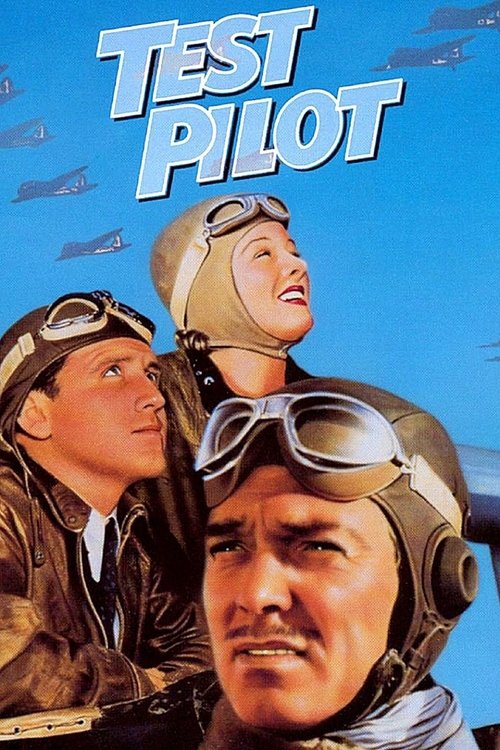
Spencer Tracy as a daredevil aviator married to Myrna Loy, testing experimental planes while his wife watches from the ground. The template Lean refined: obsession, marriage strain, and the specific loneliness of pushing machines to their limit.
But The pacing is deliberate, even slow by 1930s standards. Some will find it emotionally thin compared to what Lean achieved later.
The Right Stuff1983
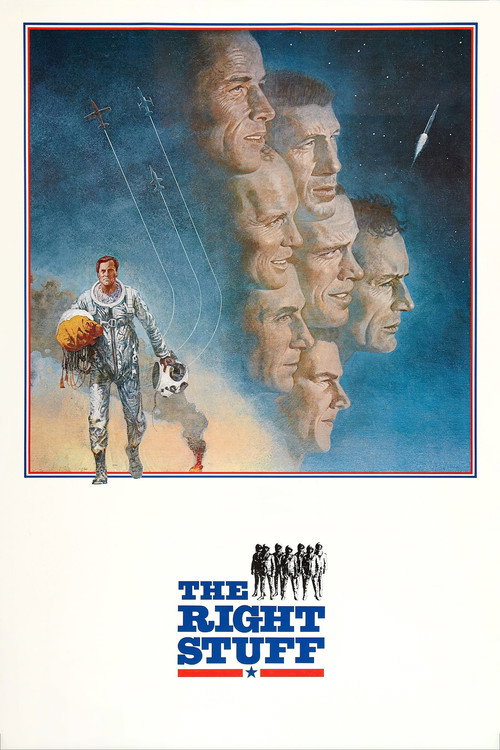
Philip Kaufman's epic follows test pilots from Yeager breaking the sound barrier onward, capturing the same collision between ego, ambition, and the cost to families. It has The Sound Barrier's moral weight without the restraint.
But At three hours and determinedly episodic, it demands patience. The ensemble approach means no single character gets Lean's focused intensity.
A Place in the Sun1951
George Stevens' tragedy also pivots on a weak man destroyed by his own desires, with Montgomery Clift and Elizabeth Taylor trapped in desire and class. The same interior collapse, different machinery: social climbing instead of aviation.
But The melodrama can feel overwrought. It's in love with its own sadness in ways that might tip into soap opera for modern viewers.

Not sure tonight? Get a pick in a minute, starting from The Sound Barrier
The wildcard
Something you would not have found on your own.
Ghost in the Shell1995
Both films are about the annihilation of the self through obsession with the transcendent—one physical, one digital.
Mamoru Oshii's anime asks what happens when human consciousness dissolves into pure function—the inverse of The Sound Barrier's question. Where Lean watches a man consume himself in pursuit of technical perfection, Oshii watches a woman disappear into it. Both are about the price of transcendence.
But It's visually dense and philosophically abstract in ways that can feel impenetrable. If you want clarity and narrative momentum, this will frustrate you.

More like this (7)
The Best Years of Our Lives1946
William Wyler's three-hour masterpiece about veterans returning home finds meaning in restraint and small gestures—the same tonal register as Lean. It knows that the deepest dramas happen in living rooms.
But The pacing is glacial. A contemporary viewer expecting plot momentum will find it frustrating.

Aces High1976
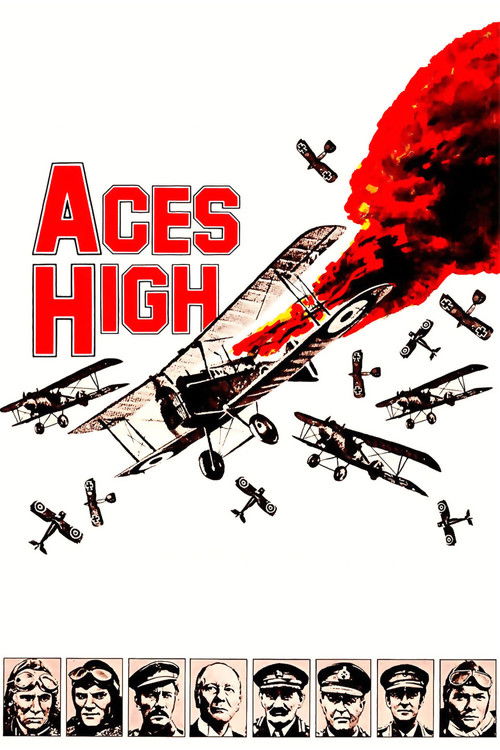
A British war film about RAF pilots in WWI that captures the same blend of technical precision, masculine anxiety, and inevitable tragedy. Less polished than Lean but equally unblinking about the cost of courage.
But It's grittier and more pulpy than The Sound Barrier—less interested in psychology, more in spectacle and carnage.
The Bridge on the River Kwai1957
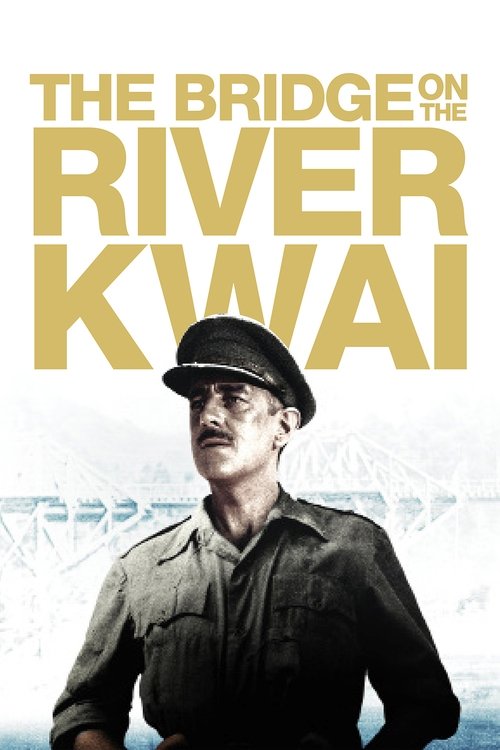
Lean's own epic, with Alec Guinness destroying himself through obsession with a construction project. It's The Sound Barrier's thematic twin: ambition as a form of self-annihilation, dressed in adventure.
But If you've already seen it, the obsession with Lean's filmography might feel redundant.
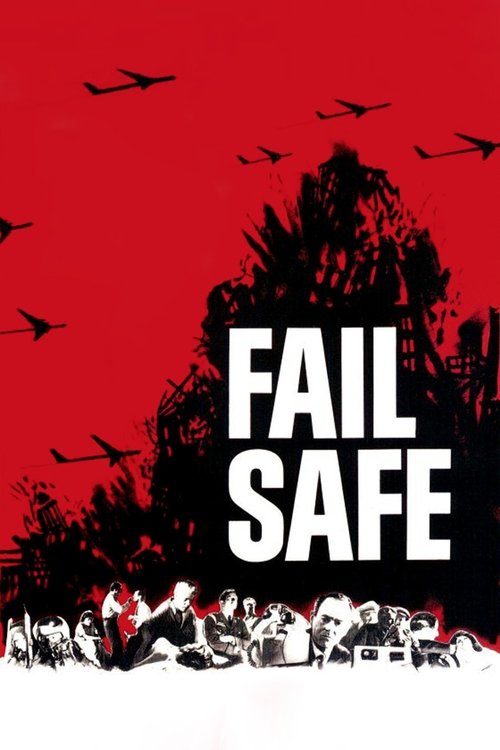
Fail Safe1964
Sidney Lumet's taut Cold War thriller about technology spiraling beyond human control, with Henry Fonda as a president watching catastrophe unfold. It shares Lean's fear that progress has an appetite we can't satisfy.
But It's a thriller, not a drama—faster-paced and less introspective. The intellectual argument matters more than character pain.
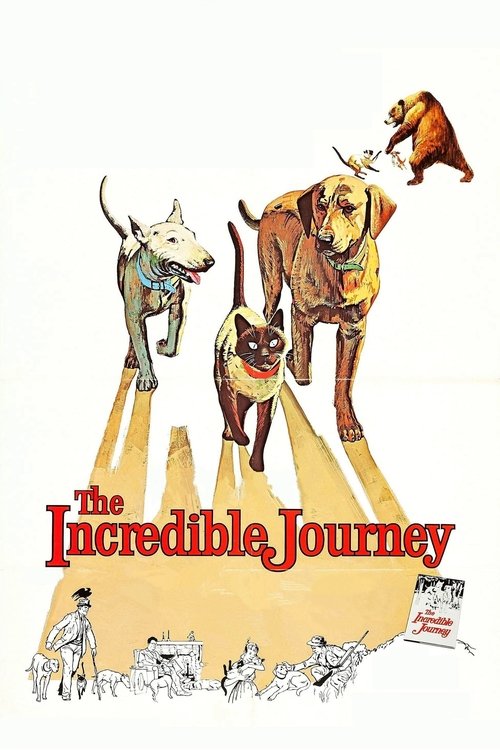
The Incredible Journey1963
A Disney adventure that's deceptively profound about endurance and purpose—animals driven by instinct toward a goal they may never reach. The Sound Barrier stripped of dialogue; the same obsession, non-verbal.
But It's a family film about animals. If you're looking for human drama and marital devastation, you'll find it muted and sentimental.
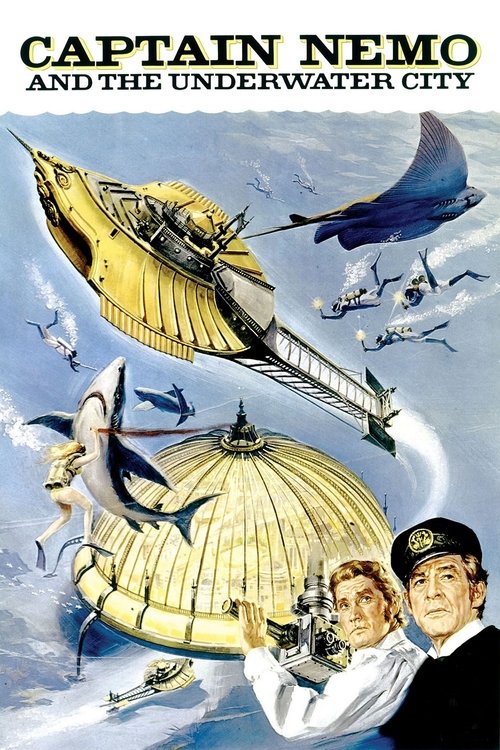
Captain Nemo and the Underwater City1969
A forgotten Jules Verne adaptation where Robert Ryan commands a submarine society built on visionary obsession. Minor and strange, but it shares the same DNA: a man consumed by technological dream while humanity suffers around him.
But It's campy, stagy, and burdened with 1960s special effects that haven't aged well. The earnestness can read as unintentional comedy.
Ikiru1952
Both films use professional obsession as a metaphor for the human search for meaning in the face of mortality; both conclude that the search itself may be all we have.
Kurosawa's masterpiece, made the same year as The Sound Barrier: a Japanese bureaucrat discovers he's dying and scrambles to give his life meaning through a small construction project. It's The Sound Barrier in miniature, shorn of all spectacle—the same question about what makes existence matter when we know it ends.
But It's almost three hours of a man confronting his own emptiness. If you need narrative drive or external conflict, this will feel slow and claustrophobic.

People
Cast
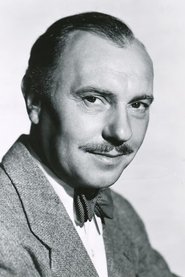 Ralph RichardsonJohn Ridgefield
 Ann ToddSusan Garthwaite
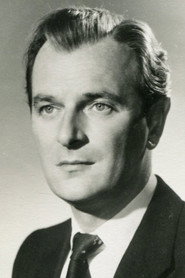 Nigel PatrickTony Garthwaite
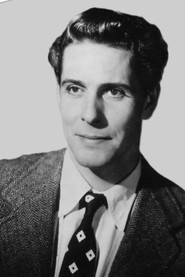 John JustinPhilip Peel
 Dinah SheridanJess Peel
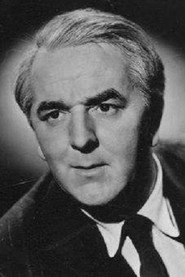 Joseph TomeltyWill
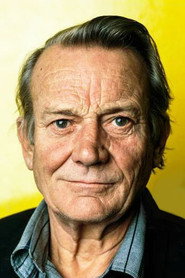 Denholm ElliottChristopher Ridgefield
 Jack Allen'Windy'
 Ralph MichaelFletcher
 Leslie PhillipsController
 Donald HarronATA officer
- Vincent HolmanFactor
Directing
- Adrian Pryce-JonesAssistant Director
- David LeanDirector
Writing
- Terence RattiganWriter
Production
- Norman SpencerAssociate Producer
- David LeanProducer
- John PalmerProduction Manager
- Margaret TownsendProduction Secretary
- Jean OsbornePublicist