
Film
Ghost in the Shell
Ghost in the Shell is less an action film than a philosophical essay wearing one's clothes—gorgeous, unhurried, punctuated by gunfights and net-diving sequences that still look state-of-the-art. Mamoru Oshii lingers on rain-slicked cityscapes as patiently as on shootouts, more interested in what a self is than in what happens next. It's for viewers who want their science fiction to actually think.
If you liked this
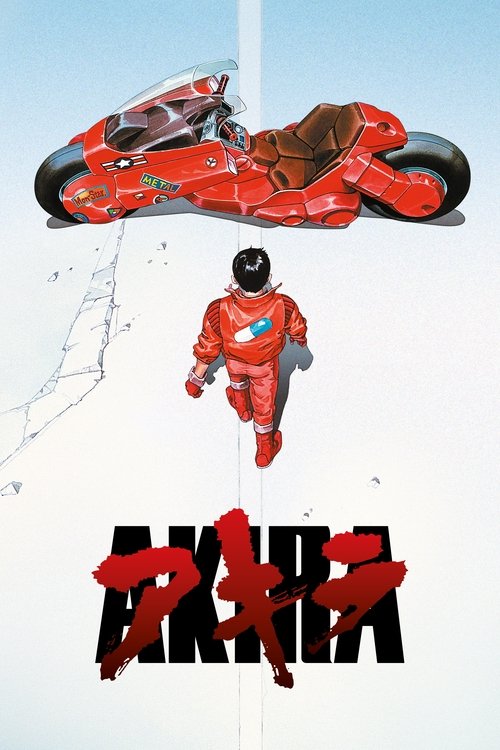
Akira1988
The other pillar of adult anime that reshaped Western ideas of what animation could do—apocalyptic, psychedelic, and drenched in the same body-horror unease about technology remaking identity.
But Its plot fractures into chaos by the third act; go in for imagery and dread, not narrative clarity.
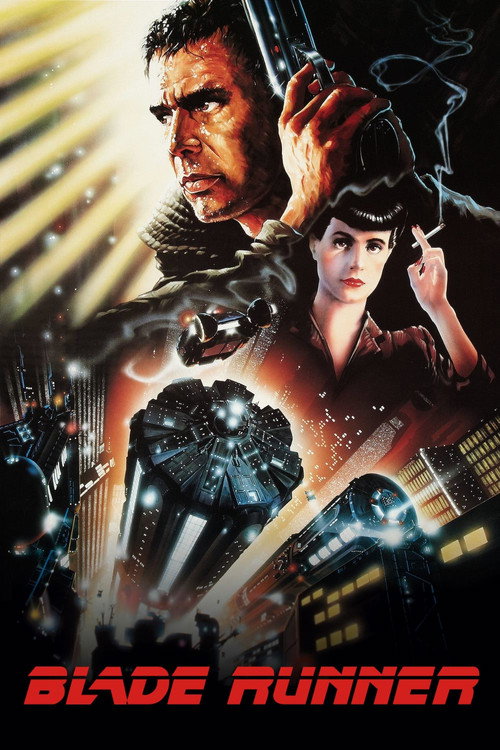
Blade Runner1982
The film Oshii was in direct conversation with—rain, neon, and the same aching question of what separates a manufactured mind from a real one.
But Glacially paced by today's standards; if you want the philosophy delivered faster, this will test your patience.
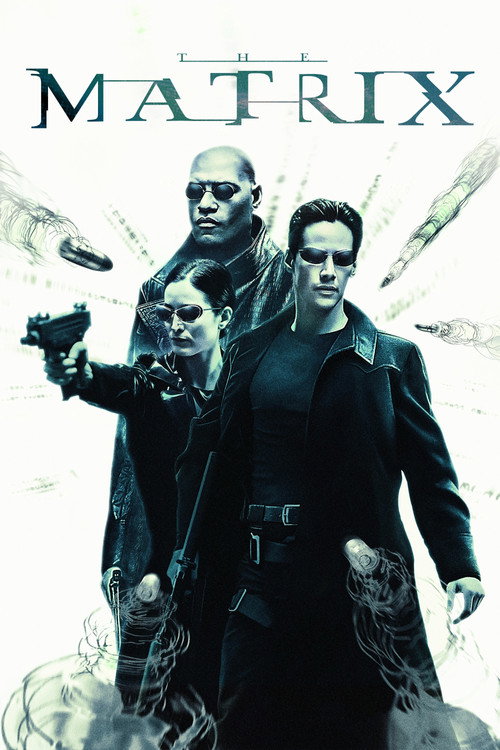
The Matrix1999
Openly lifts entire shots and ideas from Oshii's film and turns them into a global blockbuster—the same questions about simulated reality, dressed for a mass audience.
But Louder and less interested in sitting with a question than in answering it with kung fu.
The wildcard
Something you would not have found on your own.
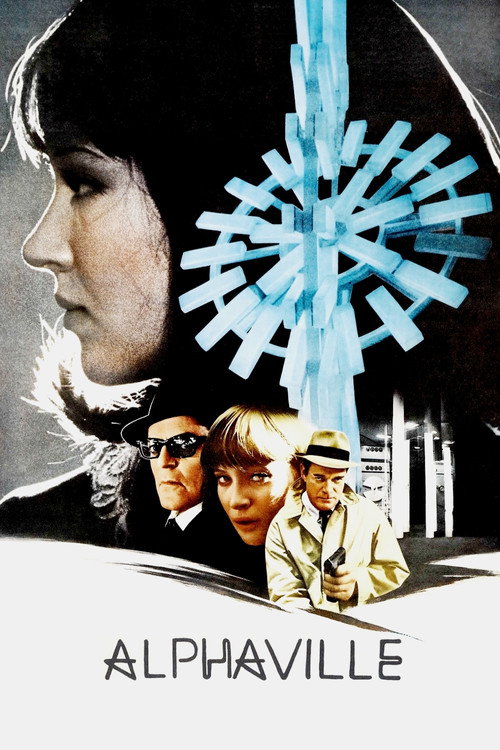
Alphaville1965
Both send a lone investigator into a city where a machine intelligence has redefined what counts as human, trusting a detective plot to carry real philosophy.
Godard's black-and-white noir set in a city ruled by a tyrannical computer that outlaws emotion—a detective story asking exactly what Ghost in the Shell asks, three decades earlier and without a single special effect.
But No cyberpunk gloss at all—just a rumpled trench coat, a Paris backlot standing in for the future, and dialogue that leans essayistic.
More like this (8)
Ghost in the Shell 2: Innocence2004no page yet
Oshii's own sequel, even more painterly and even less plot-driven, pushing the same ideas about dolls, souls and bodies further into abstraction.
But Practically no action and dialogue that verges on philosophy-lecture; a real patience test even for fans of the first.
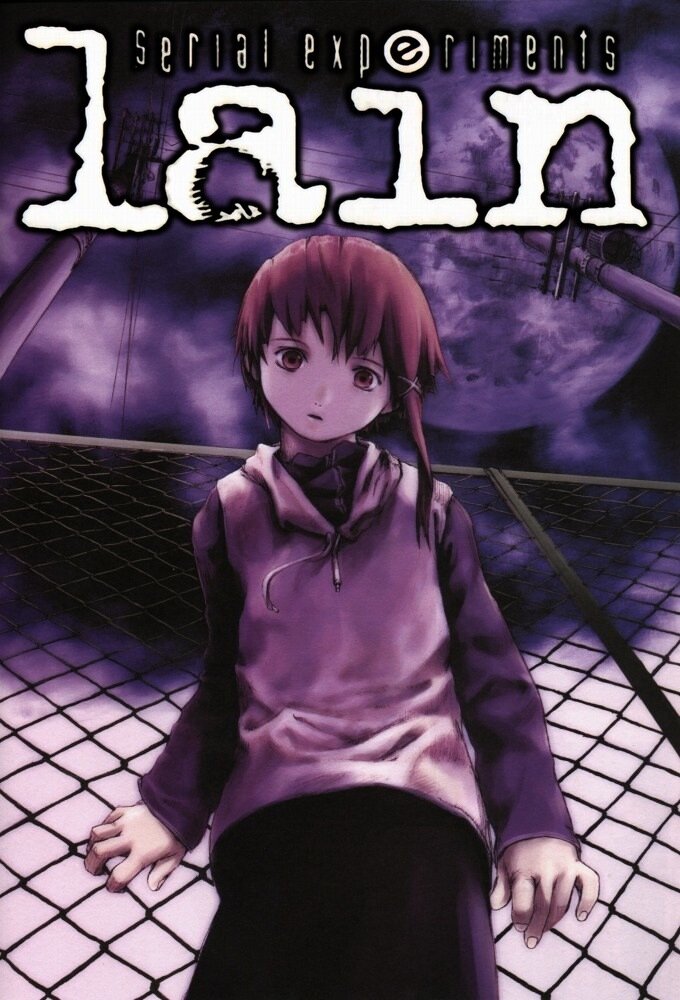
Serial Experiments Lain1998
A stranger, more unsettling cousin—an early-internet fever dream about a teenage girl dissolving into the network, told with genuine dread instead of cool detachment.
But Deliberately confusing and slow-burning; it withholds explanations far longer than most viewers will be comfortable with.
Paprika2006
Satoshi Kon's fever dream about dreams invading reality shares Oshii's fascination with fractured identity, but trades cyberpunk melancholy for riotous, hallucinatory colour.
But Its dream-logic plotting can be genuinely disorienting; if you need a clear throughline, this will frustrate you.

Ex Machina2015
A tighter, more intimate take on the same question—what makes a mind a mind—told as a claustrophobic three-hander instead of a sprawling metropolis.
But Slower and quieter, with none of the action set pieces; it's a chamber piece, not a thriller.

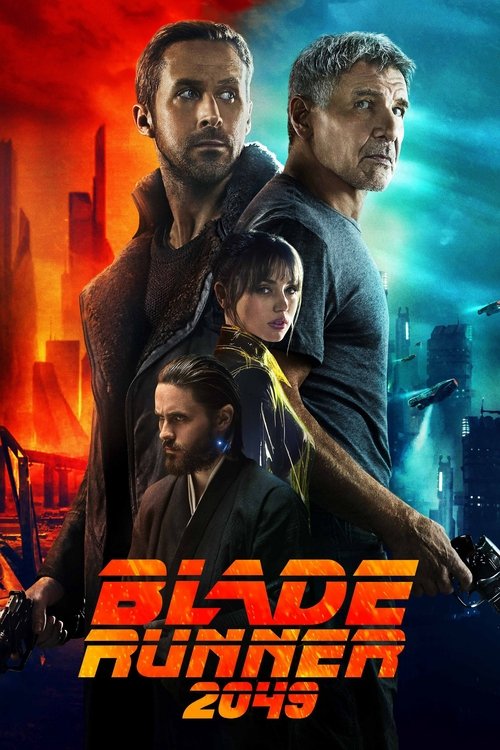
Blade Runner 20492017
Picks up Blade Runner's questions decades later with the same aching visual grandeur, going even further into memory, manufactured selves and what a soul might be made of.
But Nearly three hours long and moves at a deliberate crawl; demands real patience for a slow, melancholy payoff.
Altered Carbon2018no page yet
The most direct spiritual heir on television—bodies as disposable shells, consciousness uploaded and swapped, noir plotting wrapped in cyberpunk neon.
But Considerably more violent and sexed-up, with a pulpier sensibility that trades philosophical patience for pace and spectacle.
We Live in Public2009no page yet
Trades the anime's fictional 2029 for lived history, but asks the same question the film poses about the net: once you're inside it, how much of 'you' survives?
A real documentary about an internet pioneer who broadcast his own life and watched privacy, identity and selfhood dissolve into the network—Section 9's nightmare, except it actually happened.
But It's a documentary with no action and a genuinely uncomfortable human subject; this is sociology, not spectacle.
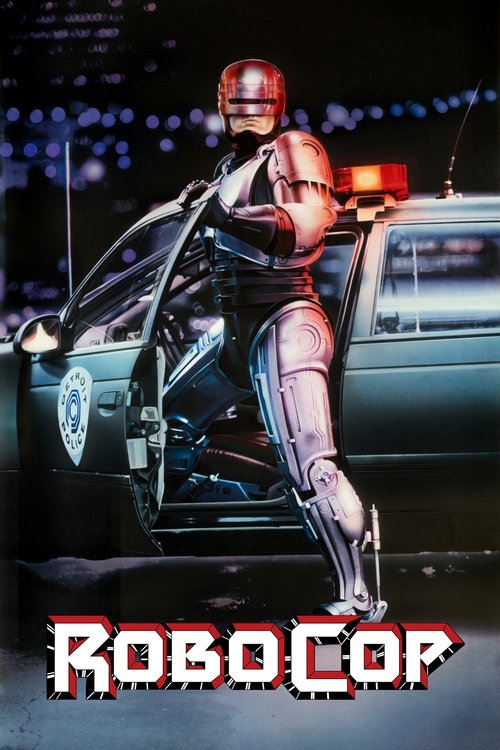
RoboCop1987
Both are literally about a human consciousness relocated into a manufactured body doing police work, one solemn and painterly, the other a satirical action bloodbath asking the identical question.
A cop rebuilt as a machine, wrestling with fragments of memory and identity underneath the armour—the same ghost-in-a-shell premise turned into gleeful, ultraviolent corporate satire.
But Far trashier and funnier, more splatter than meditation—if you want Oshii's hush and restraint, this will feel like a different universe.
People
Cast
 Atsuko TanakaMotoko Kusanagi (voice)
 Akio OtsukaBatou (voice)
 Iemasa KayumiPuppetmaster (voice)
 Koichi YamaderaTogusa (voice)
 Yutaka NakanoIshikawa (voice)
 Tamio OhkiAramaki (voice)
 Tessyo GendaDirector Nakamura (voice)
 Masakazu NamakiDr. Willis (voice)
- Masato YamanouchiMinister of Foreign Affairs (voice)
 Shinji OgawaGaikôkan (voice)
 Mitsuru MiyamotoMizuho Daita (voice)
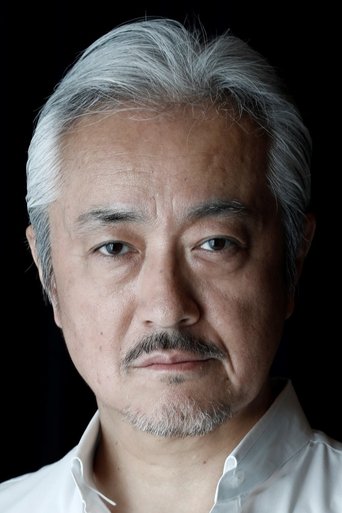 Kazuhiro YamajiGarbage Collector A (voice)
Directing
- Mamoru OshiiDirector
- Atsushi TakeuchiLayout
- Kazuchika KiseLayout
- Takashi WatabeLayout
- Yasumitsu SuetakeLayout
Writing
- Shirow MasamuneOriginal Story
- Kazunori ItoScreenplay
Production
- Hiroshi YamazakiAssociate Producer
- Makoto IbukiAssociate Producer
- Yasushi SukeofAssociate Producer
- Andy FrainExecutive Producer
- Shigeru WatanabeExecutive Producer
- Takashi MogiExecutive Producer
- Teruo MiyaharaExecutive Producer
- Ken IyadomiProducer
- Ken MatsumotoProducer
- Mitsuhisa IshikawaProducer
- Yoshimasa MizuoProducer
- Haruo MizunoProduction Coordinator
- Takashi WatabeProduction Designer
- Ryuji MitsumotoProduction Manager
Recommended by
Star Trek: First Contact, The Matrix, Paprika, Blade Runner 2049, Blade Runner, RoboCop, The Terminator, TRON: Legacy, Never Let Me Go, Akira, Serial Experiments Lain, Cyberpunk: Edgerunners, Universal Soldier: Day of Reckoning