
Film
Metropolis
Other titles called Metropolis: the 1927 film.
Osamu Tezuka's 2001 anime masterpiece transplants his classic manga to a towering deco-futuristic city where class warfare, human ambition, and artificial consciousness collide. Visually rapturous—all impossible architecture and hand-drawn fluidity—it's science fiction as visual poetry, asking urgent questions about what makes us human. For patient viewers who want to be moved and astonished.
Should you watch it?
Watch it if you love science fiction built on gorgeous hand-drawn detail, where the city itself is the main character and the pleasure lies in lingering over crowded streets, retro art deco towers and a mournful, melodic score.
Skip it if you want brisk plotting and quick cuts, since this one moves at a stately, almost meditative pace and its story unfolds through rich atmosphere more than through momentum.
What it asks of you: Settle in for about an hour and three quarters of patient looking, with long stretches where mood and visuals carry the weight and dialogue arrives in measured, deliberate bursts.
Not sure? Find tonight's pick in a minute.
If you liked this
Ghost in the Shell1995
The definitive cyberpunk anime. A cyborg counter-terrorism agent questions her own consciousness while hunting a terrorist hacker. Shares Metropolis's philosophical depth and stunning animation, but trades beauty for neon severity.
But Extremely dense plot, minimal hand-holding through philosophical tangents. Long stretches of exposition-heavy dialogue.

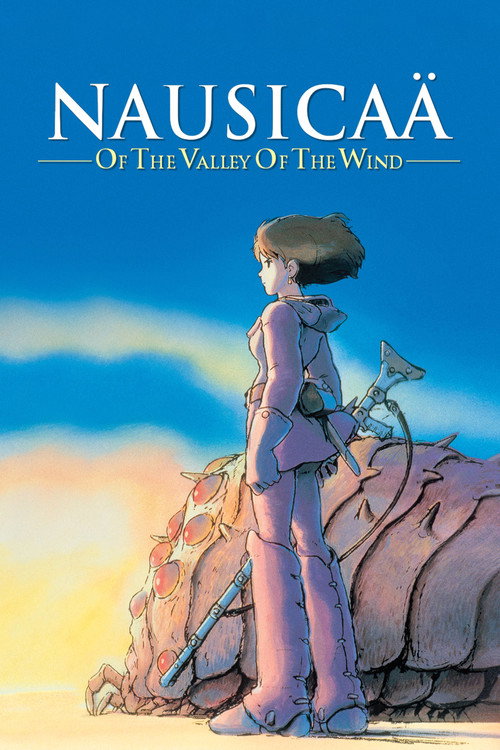
Warriors of the Wind1984
Hayao Miyazaki's epic about a young pilot navigating a toxic world of insects and warfare. Hand-drawn wonder and a genuinely complex heroine. Same sense that animation can achieve depths live-action only dreams of.
But The pacing is deliberately unhurried. If you want propulsive plotting rather than immersion, it'll feel slow.
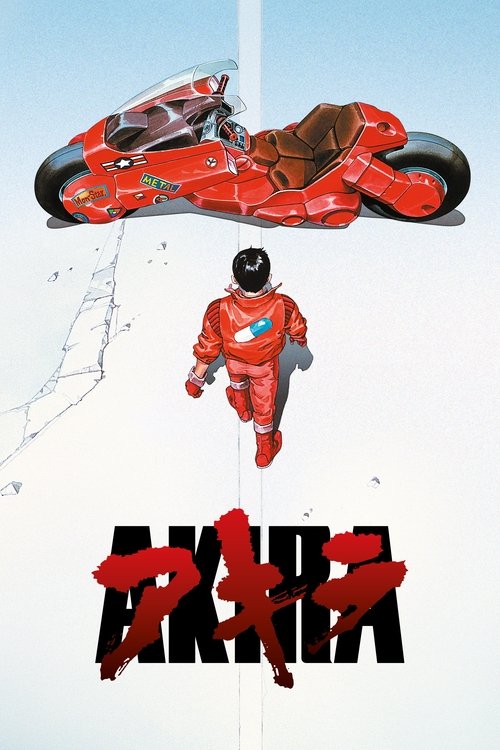
Akira1988
The film that proved anime could be cinematic art. Cyberpunk Tokyo, devastating animation, a story about power and friendship in ruins. Visually groundbreaking and still looks extraordinary. Shares Metropolis's ambition and technical mastery.
But Truncates its source material heavily; manga readers often feel it sacrifices character depth for spectacle. The ending divides viewers.
Not sure tonight? Get a pick in a minute, starting from Metropolis
The wildcard
Something you would not have found on your own.
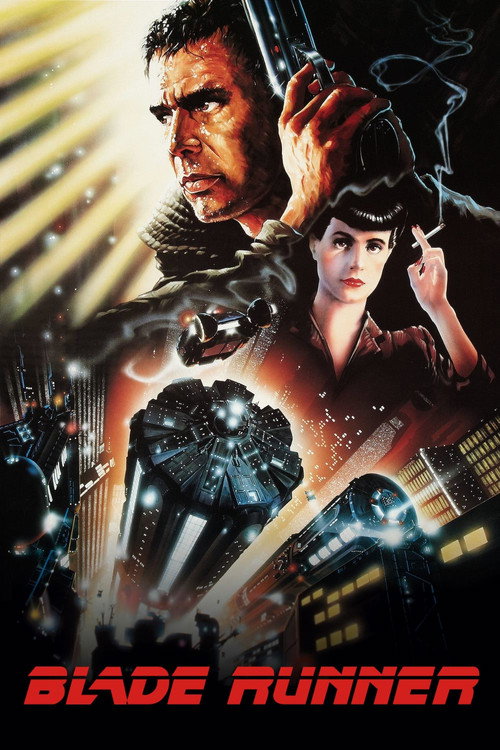
Blade Runner1982
Both grapple with the moral status of artificial beings, and both argue that empathy—the capacity to care—is the truest mark of humanity. Both are visual spectacles in service of a moral argument.
Ridley Scott's definitive AI existentialism film. A replicant hunter questions his own humanity while hunting androids. Same core question as Metropolis—what is consciousness?—but delivered as a noir mystery rather than an expressionist fairy tale.
But 1980s pacing is deliberate. Harrison Ford sounds disengaged. The plot is secondary to atmosphere and philosophy.
More like this (8)
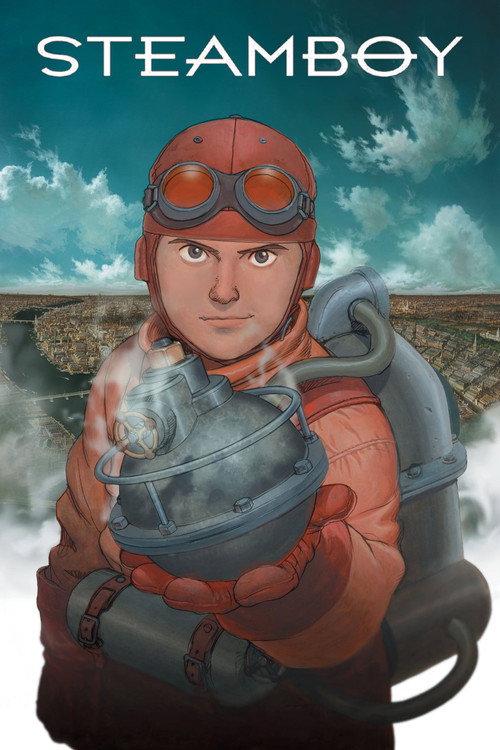
Steamboy2004
From the creator of Akira: a steampunk adventure about a young inventor caught between his father and grandfather's ideologies. Lavishly detailed worlds, earnest emotional stakes, technical animation wizardry.
But Plot is straightforward compared to its visual ambitions. Some find it all surface and spectacle without commensurate narrative weight.
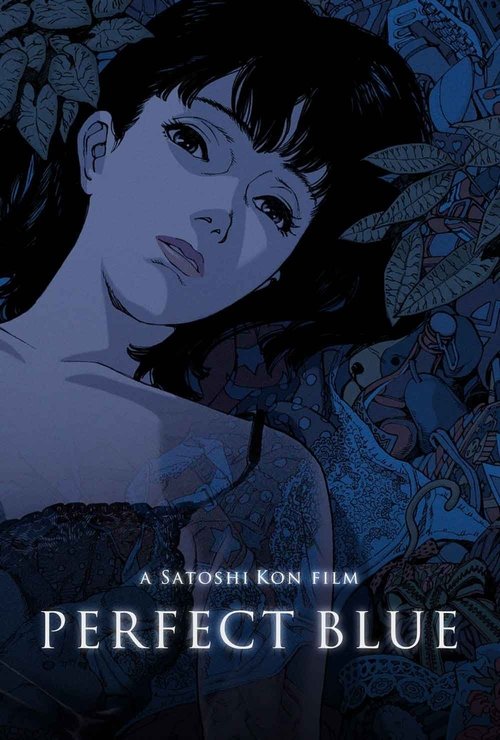
Perfect Blue1998
Satoshi Kon's psychological thriller about a pop star's fractured reality. Gorgeous, unsettling, intellectually vicious. Proves anime isn't bound by genre—it's a medium that can do anything live-action does, differently.
But Genuinely distressing imagery and a disorienting narrative structure. Not comforting viewing.
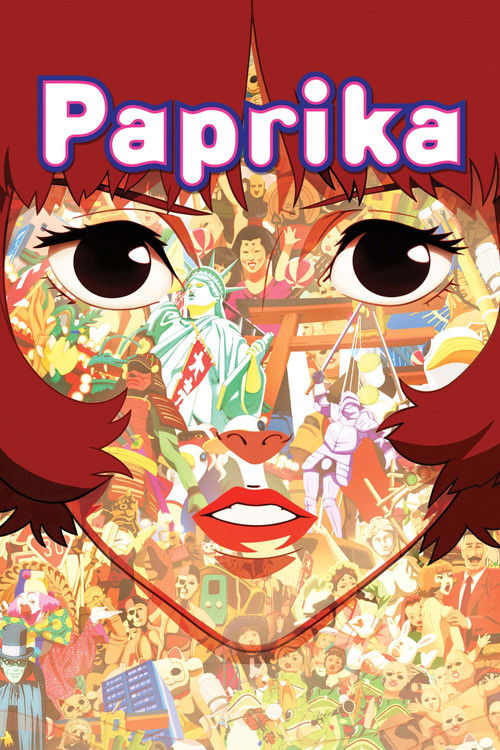
Paprika2006
Another Satoshi Kon film: a psychiatrist's dreams bleed into the waking world in Tokyo. Kaleidoscopic animation, intoxicating visuals, a mystery that unfolds like a dream feels. Pure imaginative cinema.
But The plot becomes deliberately dreamlike and hard to follow. Some find it more beautiful than coherent, which is either a feature or a bug.
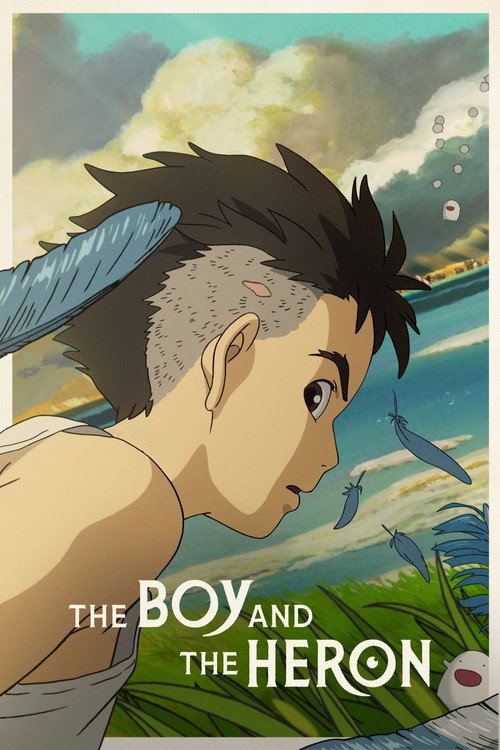
The Boy and the Heron2023
Hayao Miyazaki's most recent work. A boy searches for his stepmother in a supernatural tower during wartime. Transcendently beautiful, emotionally devastating, made by a master of hand-drawn animation at the height of his powers.
But Deliberately paced, sometimes opaque. Demands patience and tolerance for ambiguity. Not everyone wants to work that hard.
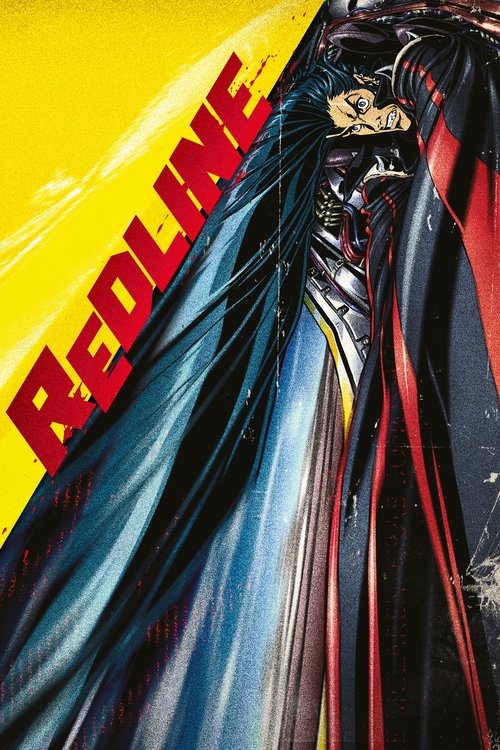
Redline2009
A space-faring racing film animated frame by hand over seven years. Dialogue matters less than the impossible visuals: ships that defy physics, colours that don't exist, pure kinetic joy. A love letter to animation as an art form.
But The plot is gossamer-thin and the narrative barely holds. If you need story, this will frustrate you. Also difficult to track down.
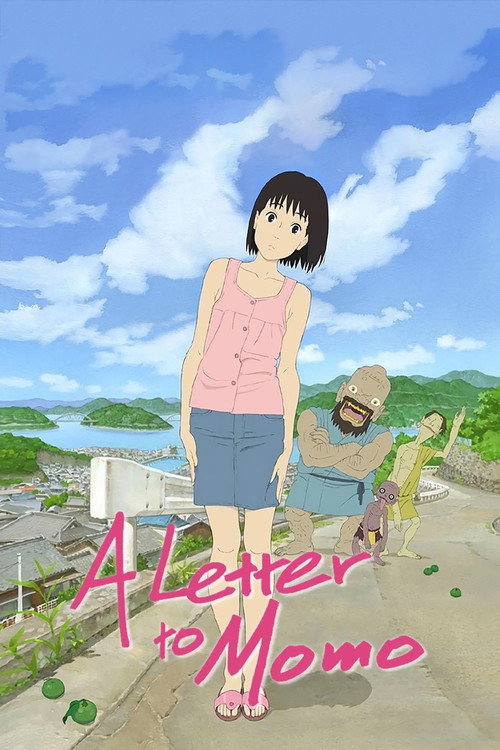
A Letter to Momo2012
Understated magical realism about a grieving girl on a rural island. Gentle, observant, gorgeously drawn. Shows that anime drama doesn't need spectacular premises—character and atmosphere are enough.
But Extremely slow, almost plotless. Viewers looking for conflict or momentum will find it precious rather than engaging.
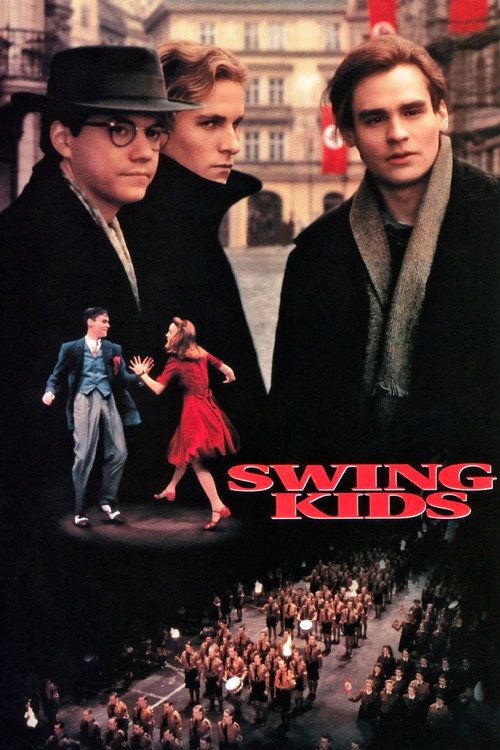
Swing Kids1993
Both explore how totalitarian power structures corrupt youth and exploit the vulnerable. Both use that examination to argue for the irreplaceable value of individual freedom and feeling.
A live-action Nazi-era drama about teenagers drawn to forbidden American swing music. Based on real history, acted with real stakes, about youth defiance in a totalitarian state. Not a thriller—more a character study of how ordinary people resist ideology.
But Painfully serious, even bleak. No catharsis. A story about atrocity is not entertainment, and this film refuses to let you forget that.
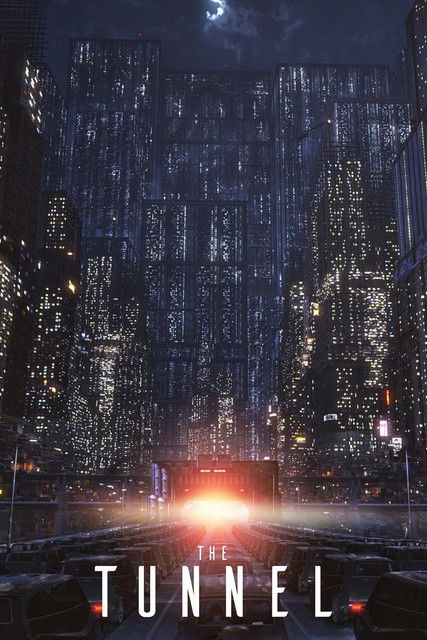
The Tunnel2016
Both use an artificially divided city and class separation as their frame. Both ask what people will sacrifice for connection, and both suggest that systems designed to control us ultimately fail because humans need each other more than they fear punishment.
A German film about the 1962 tunnel escape from East Berlin. Methodical, tense, focused on the human cost of division and surveillance. Inspired by real events, filmed with documentary restraint. Deco-era city split by ideology, families separated by systems.
But Procedural in structure. Dramatically inert by design. If you want heroic triumph, this film is interested in survival and loss instead.
People
Cast
 Yuka ImotoTima (voice)
 Kohki OkadaRock (voice)
 Kosei TomitaShunsaku Ban (voice)
 Kei KobayashiKenichi (voice)
 Rikako AikawaFifi (voice)
 Masashi EbaraHam and Egg (voice)
 Shigeru ChibaLamp (voice)
 Taro IshidaDuke Red (voice)
 Norio WakamotoPero (voice)
 Junpei TakiguchiDr. Laughton (voice)
 Takeshi AonoPonkotz (voice)
 Masaru IkedaPresident Boon (voice)
Directing
- Naoko KusumiAssistant Director
- RintaroDirector
Writing
- Osamu TezukaComic Book
- Katsuhiro OtomoScreenplay
Production
- Hisanori HiranumaExecutive Producer
- Kazumi KawashiroExecutive Producer
- Ryohei TsunodaExecutive Producer
- Tadamichi AbeExecutive Producer
- Takayuki MatsutaniExecutive Producer
- Toru ShiobaraExecutive Producer
- Masao MaruyamaProducer
- Shinji KomoriProducer
- Kumiko MurataProduction Coordinator
- Ayumi KimuraProduction Secretary
- Nobuko MaruyamaProduction Secretary
Recommended by
Akira, 9, Cutie Honey, Batman: The Brave and the Bold, Michiko e Hatchin, Battle Angel, Appleseed, Gigantor, Mobile Suit Gundam 00 The Movie: -A Wakening of the Trailblazer-, Astro Boy