Television series
Cutie Honey
The grandfather of magical girl anime: a cheerful android schoolgirl discovers her father's murder and transforms into a crime-fighting hero to dismantle the organization responsible. Cutie Honey explodes with colour, invention, and anarchic humour, mixing transformation sequences, slapstick comedy, and genuine stakes. It's aggressively fun and utterly unlike the genteel magical girl shows that came after it.
Should you watch it?
Watch it if you love giddy, cheerfully lurid 1970s anime where a transforming heroine, cheap-looking spectacle and a pulpy villain's lair are played with total sincerity and sly humor.
Skip it if you need tight plotting or modern polish, since this early anime is episodic, visually rough and happy to repeat its formula week after week.
What it asks of you: Expect short, brisk episodes with plenty of repetition and a tone that jumps from comic school life into flashy action without much patience for slow scenes.
Not sure? Find tonight's pick in a minute.
If you liked this
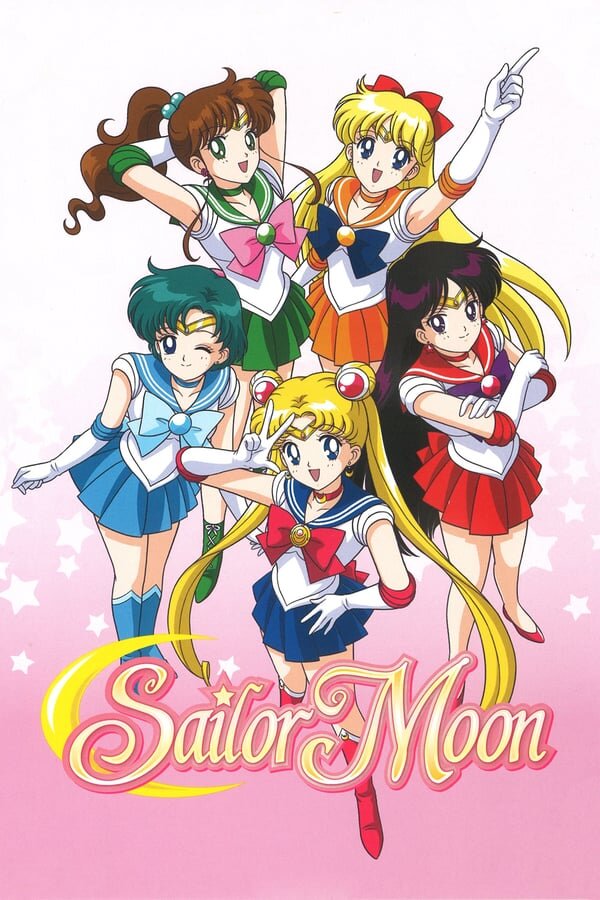
Bishoujo Senshi Sailor Moon1992
The direct spiritual successor: transformation sequences, a teenage heroine balancing school life with cosmic battles, an ensemble cast that grows as the series deepens. But this one has darker edges and genuine menace underneath the sparkle.
But It's much longer and more serialized than Cutie Honey's episodic energy. If you want rapid-fire plot, this demands patience and investment.
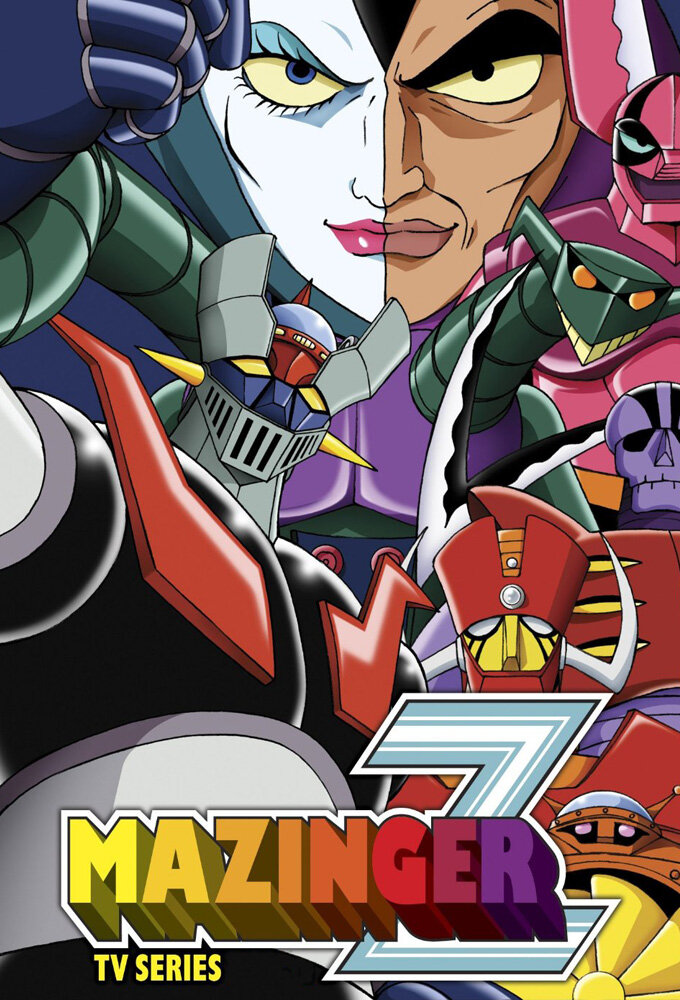
Mazinger Z1972
Released almost simultaneously, this is anime's other pillar of the era: giant robot action with the same cartoonish physicality and urgent pacing. Same DNA, different DNA. Proof that 1972-73 was an extraordinary moment.
But The mecha battles are the point; there's minimal story architecture between them. If you're watching for plot coherence, you'll be disappointed.
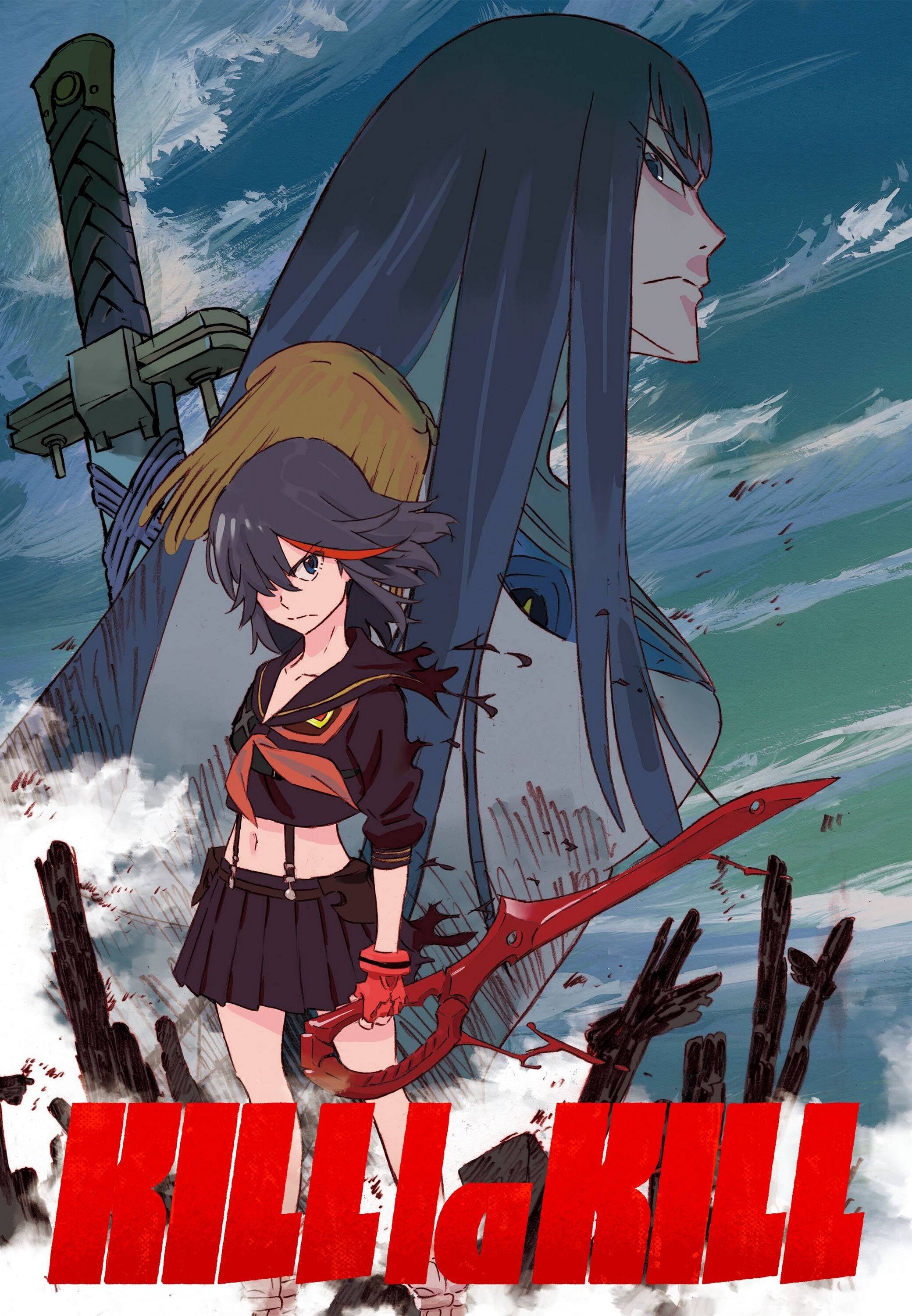
Kill la Kill2013
Modern anime that deliberately echoes Cutie Honey's anything-goes spirit: absurdist humour, transformation spectacle, and unhinged animation that treats its own premise as an invitation to go wilder. A love letter that updates the energy.
But It's gratuitously sexualized in ways that will alienate plenty of viewers. The show knows this and commits fully to it anyway.
Not sure tonight? Get a pick in a minute, starting from Cutie Honey
The wildcard
Something you would not have found on your own.
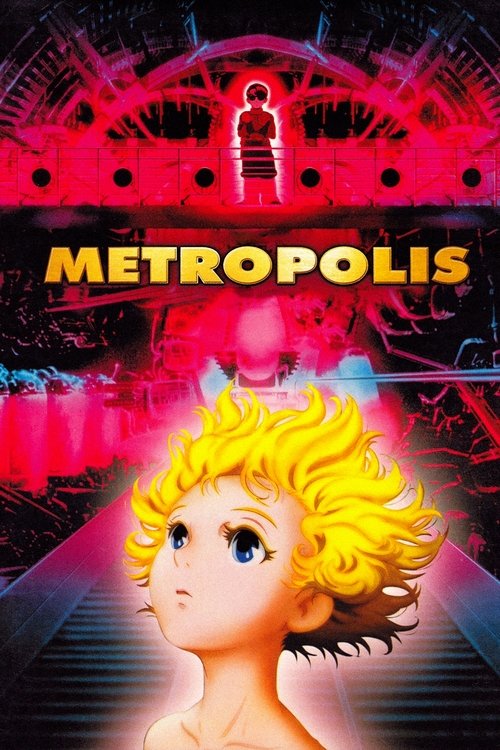
Metropolis2001
Same creator, same central premise (android girl navigating a dangerous world), but Tezuka's later reflection rather than his early invention.
Osamu Tezuka himself—Cutie Honey's creator—adapted his 1949 manga into a feature that reclaims the android-girl-in-a-city premise with baroque visual grandeur. It's what Cutie Honey might have become if Tezuka had unlimited time and budget.
But It's gorgeous but stately; 110 minutes of painterly visuals and philosophical weight. The anarchic fun is replaced by genuine melancholy.
More like this (5)
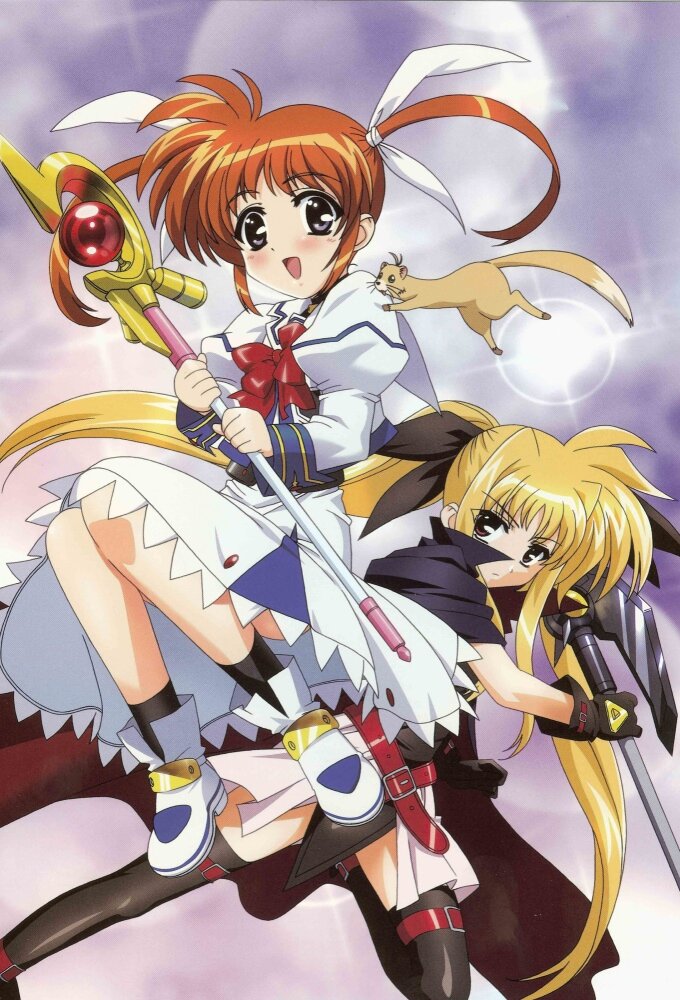
Magical Girl Lyrical Nanoha2004
Takes the magical girl template and weaponizes it into genuine space opera. It takes the transformation sequence seriously as a story device, not just spectacle, and builds a universe that rewards investment.
But The early episodes are slower than Cutie Honey's instant engagement. It needs setup before it becomes the show it's promising.
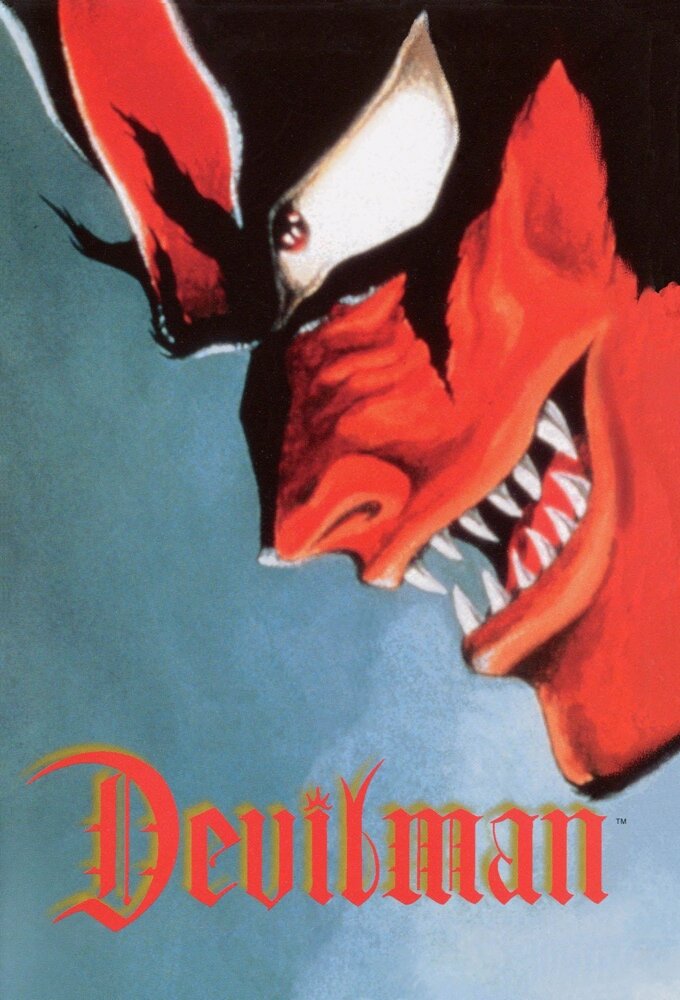
Devilman1972
Go Big Gulp Go's spiritual sibling: a teenager discovers an impossible truth about themselves and fights demons in a series that never quite knows whether to be campy or apocalyptic. The tonal whiplash is part of its charm.
But The animation quality is spotty and the pacing is lumpy. This is raw 1972 energy, not polish.
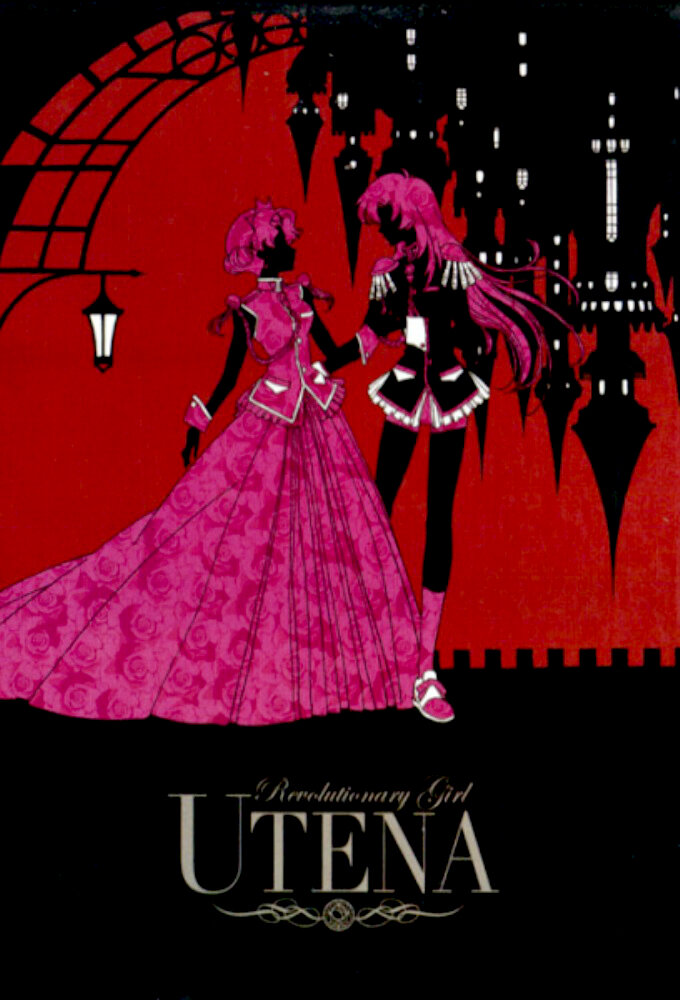
Revolutionary Girl Utena1997
Another transformation-based heroine series, but this one is surreal and symbolic where Cutie Honey is direct. It shares the structural DNA while asking completely different questions about power and identity.
But It's dense and abstract. If you want straightforward action and laughs, this will feel deliberately obscure.
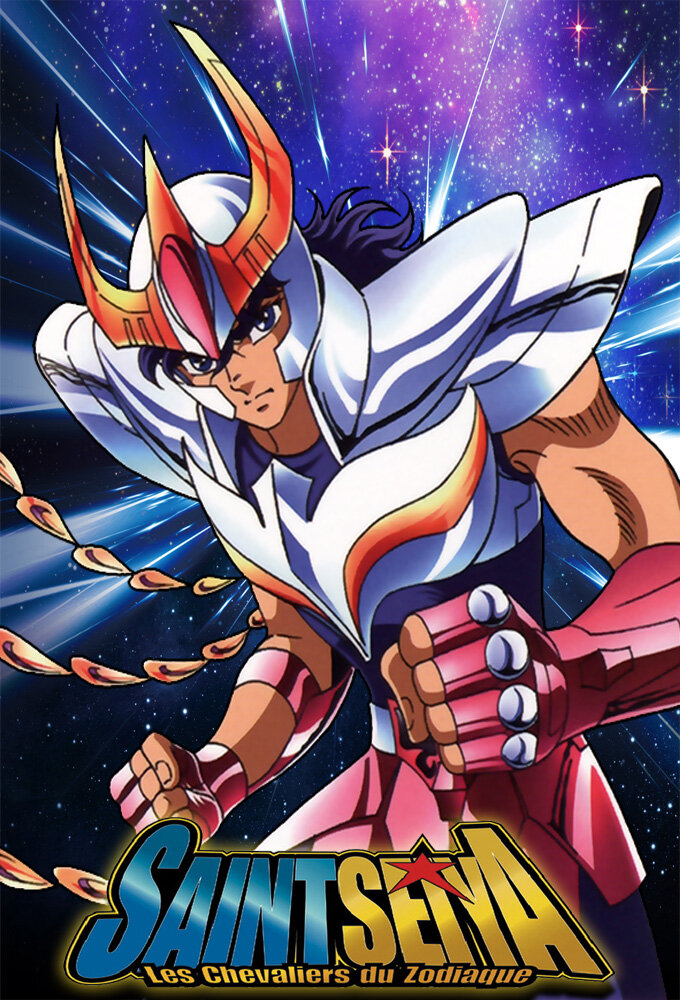
Saint Seiya1986
Takes the transformation-and-armour aesthetic, marries it to tournament structure and genuine emotional stakes. Long-form serialization of the Cutie Honey template, executed with real craft.
But It's very long and very repetitive in structure. The fights can blur together if you're not committed.
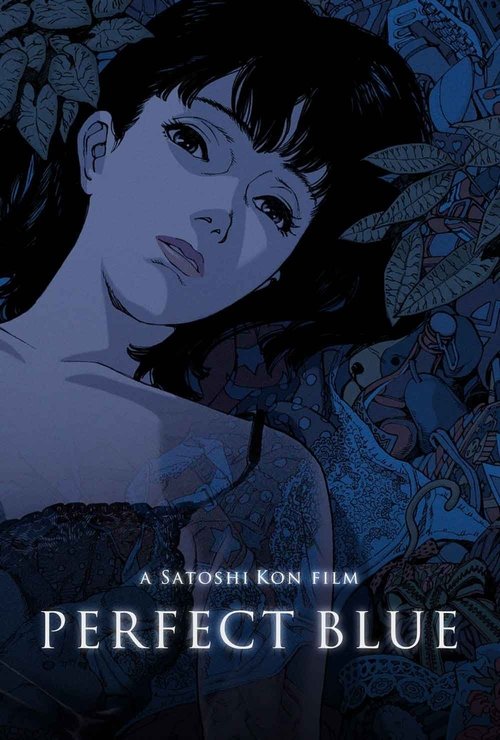
Perfect Blue1998
Both use transformation-as-spectacle as their core visual language, but Kon asks what transformation costs when it's not under your control—the nightmare version of Honey's power.
Satoshi Kon's masterpiece: a young woman's identity fragmenting as she transitions between roles (pop star to actress). The transformation motif inverted—not empowerment but dissolution. Visually stunning and genuinely unsettling.
But It's a 90-minute psychological thriller about trauma and identity theft, not action-adventure. The tonal distance from Cutie Honey couldn't be wider.