
Television series
Revolutionary Girl Utena
Utena arrives dressed as a shoujo fairy tale — princes, roses, a girl determined to become one herself — then spends thirty-nine episodes quietly, then not so quietly, taking that fairy tale apart. Duels are staged like theatre, motives shift beneath repeated rituals, and each arc peels back another layer of denial. Gorgeous, elliptical, sometimes deliberately baffling, building to something genuinely upending. For patient viewers who like symbolism more than exposition.
If you liked this
Mahou Shoujo Madoka Magica2011no page yet
Takes the cheerful magical-girl genre and quietly reveals the cost hiding underneath it, much as Utena does to shoujo romance. Gorgeous, devastating, and considerably shorter.
But Twelve episodes means the turn comes fast — if you wanted a slow-build dread, this delivers its gut punch too early for some tastes.
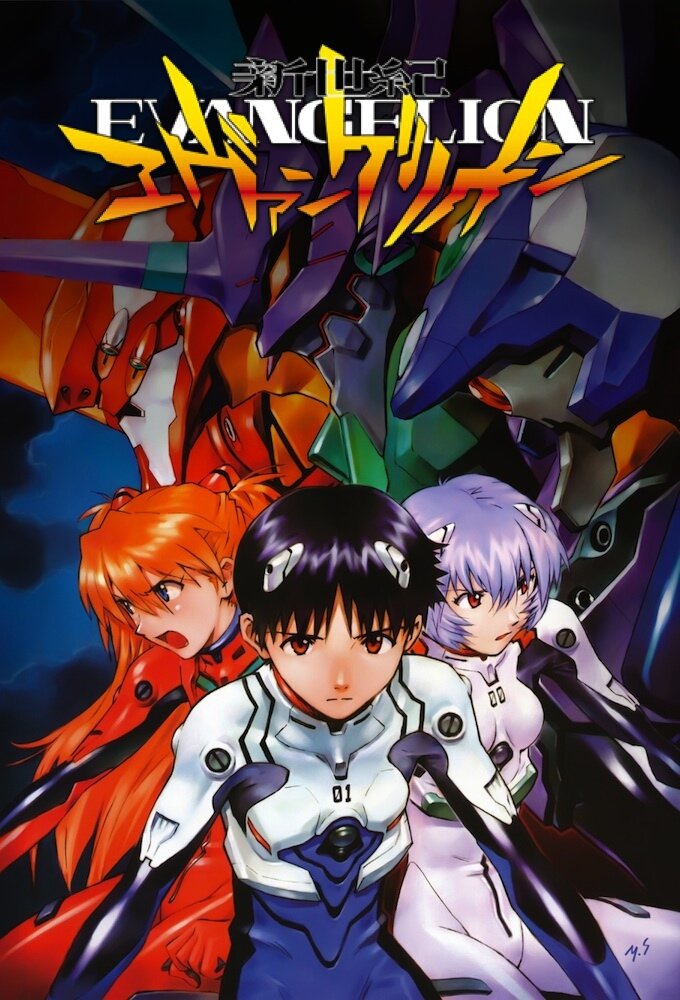
Neon Genesis Evangelion1995
The other essential 90s anime about teenagers weaponised by adults, psychology fraying under ritual combat, and an ending that abandons plot for something closer to therapy. A kindred ambition.
But It's mecha-coded and more overtly nihilistic — if Utena's theatrical elegance is what hooked you, this is grimier and colder.
Yuri Kuma Arashi2015no page yet
Same director again, this time bears and girls, with an even more nakedly political allegory about desire, exclusion and who gets permission to love whom. Shorter, blunter, still gorgeous.
But It leans harder into overt symbolism and repetition than even Utena did, and some find it more didactic than dreamlike.
The wildcard
Something you would not have found on your own.
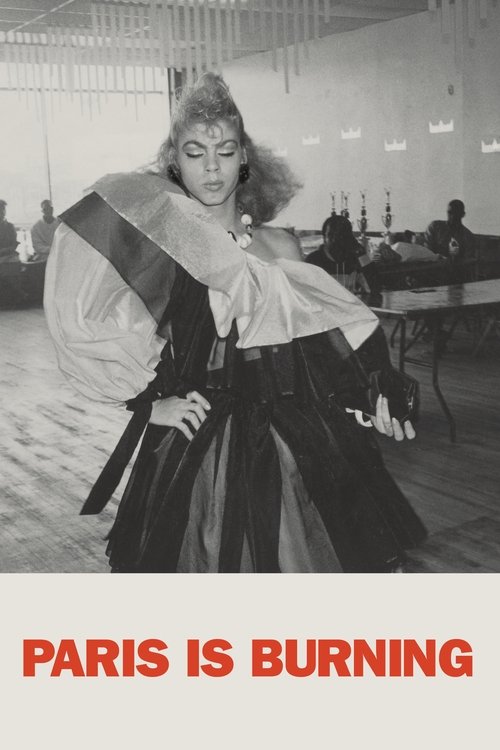
Paris Is Burning1991
Utena's 'become a prince' is fantasy self-invention against a rigid world; this documentary follows real people claiming titles, houses and identities denied them elsewhere — the same act of self-crowning, entirely unfictionalised.
A landmark documentary about New York's drag balls and chosen family, funny and heartbreaking, years ahead of the culture it predicted. Watching it after Utena grounds all that anime's symbolism in real, lived stakes.
But It's a documentary with no animation and no fantasy — some of what made Utena magical, the ritual, the surreal staging, simply isn't here.
More like this (7)
Princess Tutu2002no page yet
A ballet-dancing duck-turned-girl story that looks childlike but is actually about authorship, storytelling and who controls a narrative — Utena's fairy-tale deconstruction played gentler and warmer.
But Its sweetness and simpler animation style might undersell how sharp it gets, and it's slower to show its teeth.
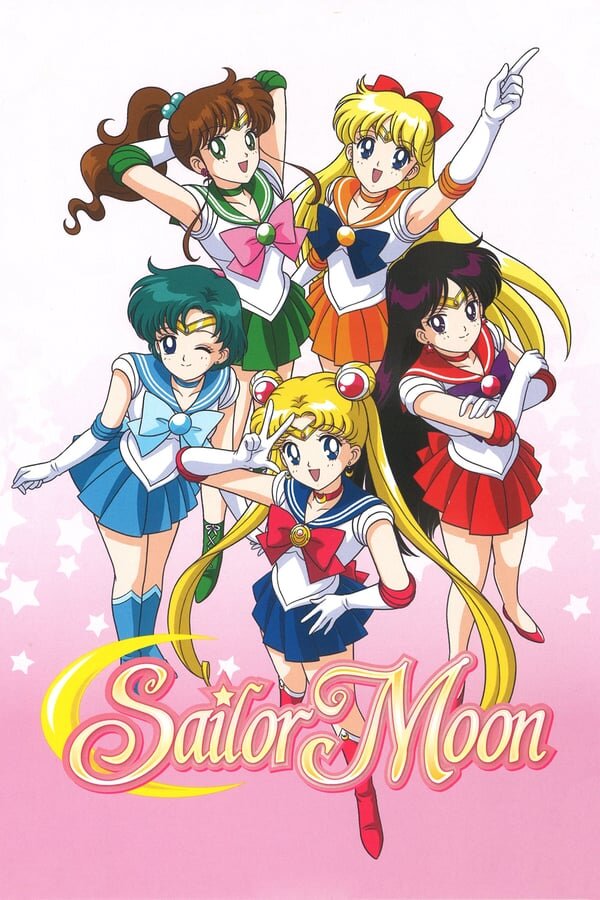
Bishoujo Senshi Sailor Moon1992
The genre Utena is quietly arguing with — princes, transformations, girl power against evil — in its earnest, unironic original form. Watching this first makes Utena's subversions land harder.
But It's long, formulaic in places, and plays its tropes completely straight, which some will find tedious after Utena's irony.
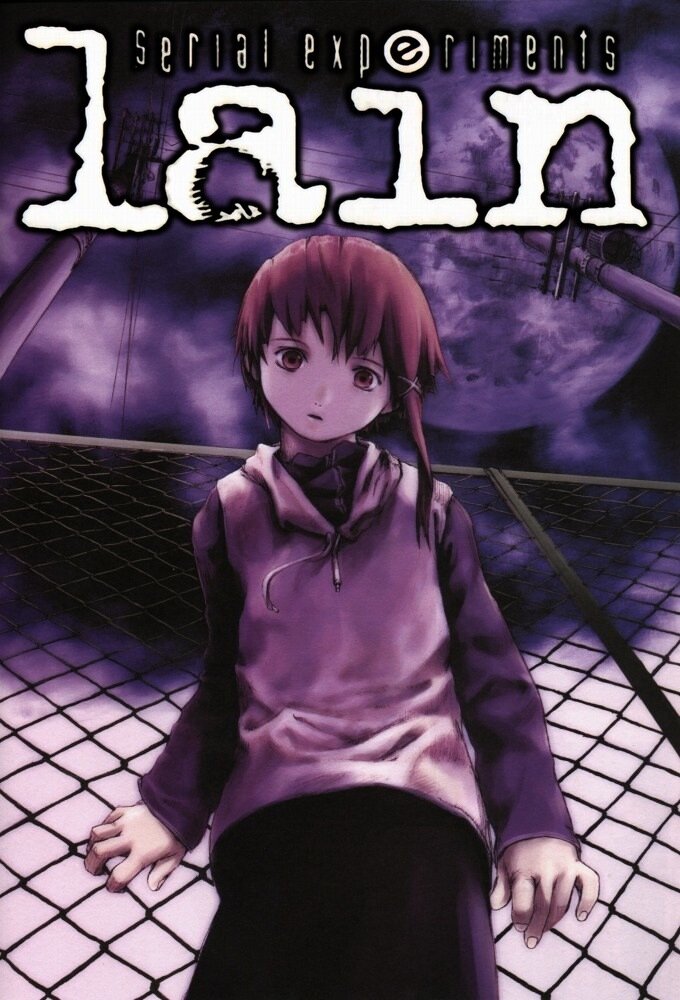
Serial Experiments Lain1998
Contemporary with Utena, equally elliptical, equally committed to disorientation as method — here the subject is identity dissolving into networks rather than fairy tales.
But It's colder and more technologically abstract, with even less handholding; some will find it opaque rather than mysterious.
Cardcaptor Sakura1998no page yet
A contemporaneous shoujo series that plays its magic and romance completely sincere — a comforting contrast to Utena's constant unease, from adjacent creative circles.
But It's gentle, episodic and aimed younger; if you want more of Utena's dread and ambiguity, this won't scratch that itch.
Ouran High School Host Club2006no page yet
A lighter, funnier riff on gender performance, elite academies and staged romantic roles — cross-dressing protagonist included — for when you want the themes without the existential weight.
But It plays everything for comedy and romance rather than critique, so the satire is much softer and less unsettling.
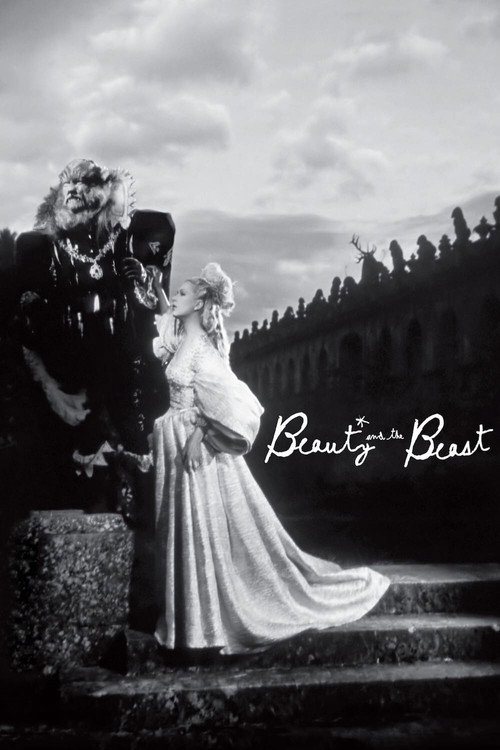
Beauty and the Beast1946
Cocteau shot the fairy-tale prince literally, taking the myth's logic completely seriously and watching it warp — the same instinct Utena has, decades before it staged its own prince myth as ritualised theatre.
Gorgeous, dreamlike stagecraft that treats fairy-tale imagery as literal reality rather than metaphor — arms growing from walls, living candelabras — the ancestor of Utena's theatrical unreality, made nearly fifty years earlier.
But It's a 1946 black-and-white French film with none of Utena's irony or critique — a sincere fairy tale, not a subversion of one.
The Fall2006no page yet
A man tells an elaborate, visually extravagant fantasy story to cope with real trauma, and the fantasy's internal logic starts bending under the weight of what it's covering for — the same trick Utena pulls with its duels and roses.
Insanely beautiful practical-location filmmaking wrapped around a story about storytelling as survival — a live-action cousin to Utena's use of fantasy to process real pain.
But It's more melodrama than psychological puzzle, and its emotional manipulation is more direct and sentimental than Utena ever allows itself.
Recommended by
Kill la Kill, Buffy the Vampire Slayer, She-Ra and the Princesses of Power, Bishoujo Senshi Sailor Moon