
Film
Beauty and the Beast
Jean Cocteau's 1946 fairy tale trades Disney sweetness for surrealist enchantment: candelabra arms grow from castle walls, living statues watch with human eyes, smoke curls from the Beast's hands. Shot in ravaged postwar France on almost no money, it turns poverty into pure poetry. Slow, strange, and gorgeous — for anyone who wants fairy tale as hallucination rather than lesson.
If you liked this
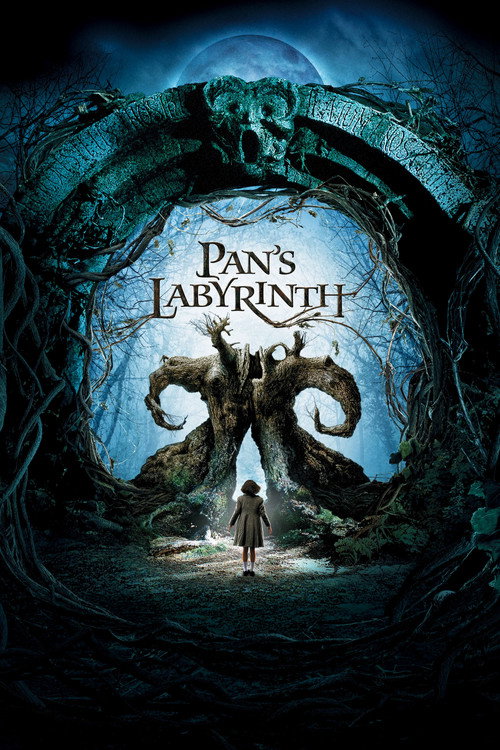
Pan's Labyrinth2006
Del Toro builds the same fairy-tale logic — dread and wonder tangled together — into a story about a girl escaping fascist Spain into a labyrinth full of monsters, painterly and strange as Cocteau's castle.
But It's far darker and more violent; there's no ambiguity about who the real monsters are, and it doesn't end gently.
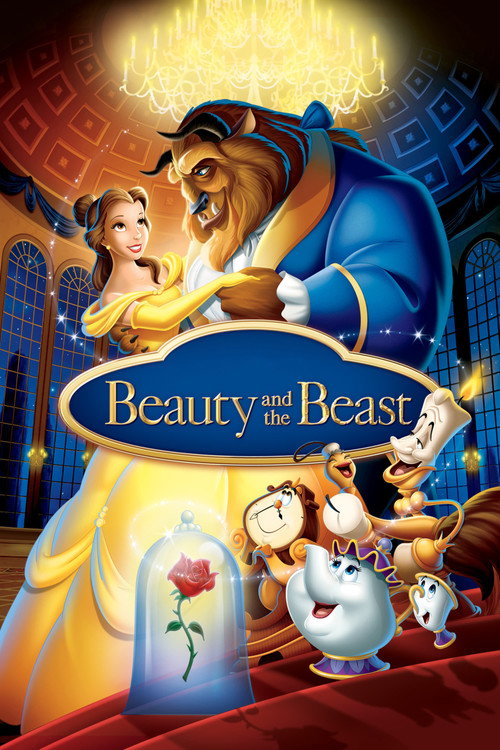
Beauty and the Beast1991
The direct descendant — same bones, same rose, but sung, bright, and built for children. Watching it after Cocteau shows how much of his imagery Disney quietly borrowed and softened.
But If you want more of Cocteau's dreamlike dread, this will feel cheerful and safe by comparison — it's a musical, not a hallucination.
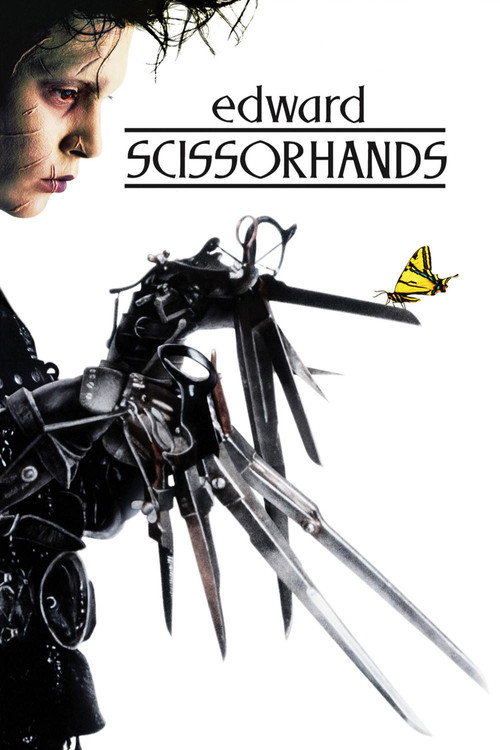
Edward Scissorhands1990
Burton's suburban gothic fairy tale gives you the same ache — a gentle monster who can never quite touch the person he loves — dressed in pastel American sprawl instead of candlelit corridors.
But The tone shifts hard into whimsy and satire; if you want unbroken atmosphere, the jokes about lawn ornaments might jar.
The wildcard
Something you would not have found on your own.
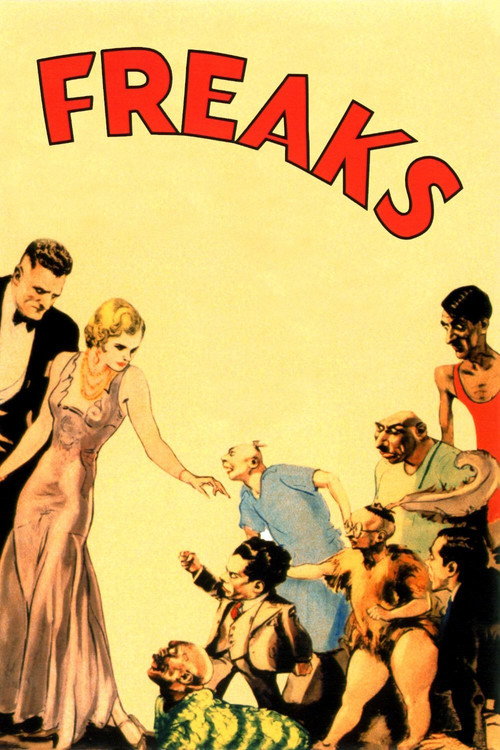
Freaks1932
Both films put ugliness and cruelty side by side and dare the audience to reconsider which is which; Freaks just does it as horror rather than romance, with real people instead of makeup.
Made fourteen years before Cocteau's film, in pre-Code Hollywood, using real sideshow performers to ask the same question his fable poses — who is actually monstrous, the deformed or the beautiful?
But It's blunt and exploitative by today's standards, and was banned for decades — it has Cocteau's nerve but none of his tenderness.
More like this (7)
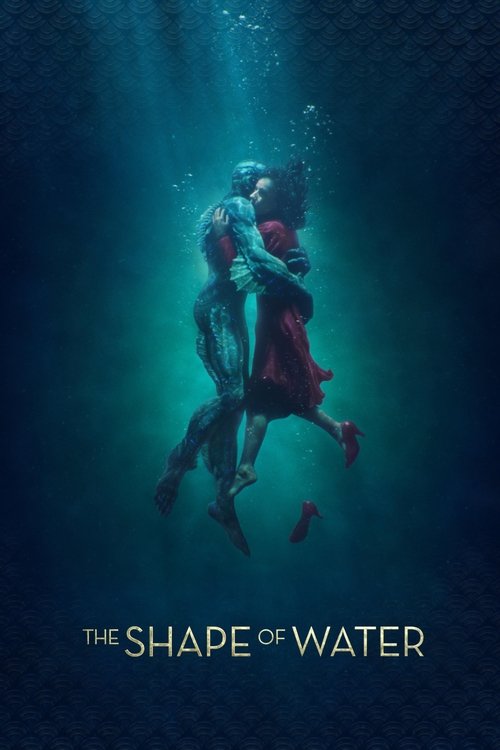
The Shape of Water2017
Del Toro again, in Cold War Baltimore, with a mute cleaner falling for a captured river god. It shares Cocteau's conviction that desire for the strange is grace, not flaw.
But It's more explicit, more violent, and more political than Cocteau's fable — this is not a story for children in any sense.
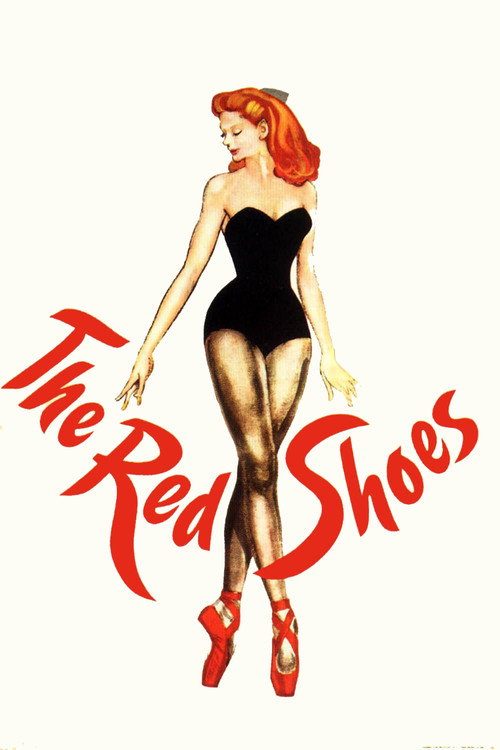
The Red Shoes1948
Made two years after Cocteau's film, by artists chasing the same ambition: cinema as pure, hallucinatory spectacle. Every frame is composed like a painting, and the ending hits just as hard.
But It's about ballet and obsession rather than romance and transformation — the connection is in the craft and mood, not the story.
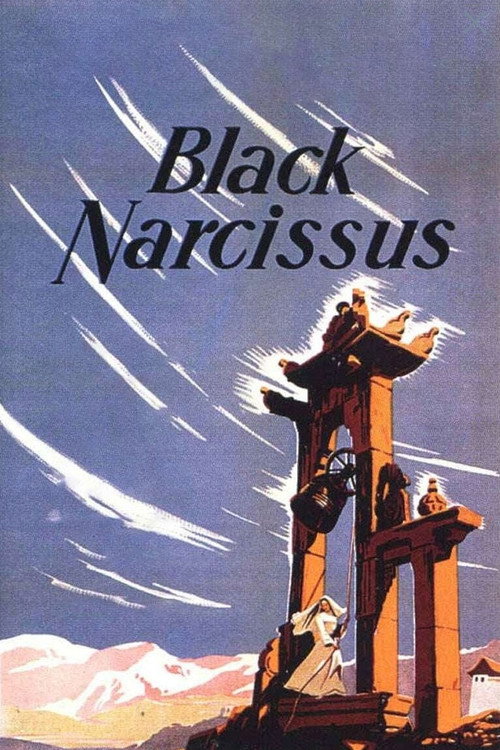
Black Narcissus1947
Same year, same Powell and Pressburger intensity of colour and shadow — nuns unravelling in a Himalayan convent, shot with the same theatrical, painterly confidence Cocteau brought to his castle.
But There's no fairy tale here at all — no beast, no romance resolved — just slow-building psychological dread.
The Company of Wolves1984no page yet
Neil Jordan and Angela Carter strip the cosiness out of Red Riding Hood and replace it with something closer to Cocteau's original instinct: fairy tales as coded stories about desire and fear.
But It's low-budget '80s horror with practical effects that have aged into camp — some will find that charming, others distracting.
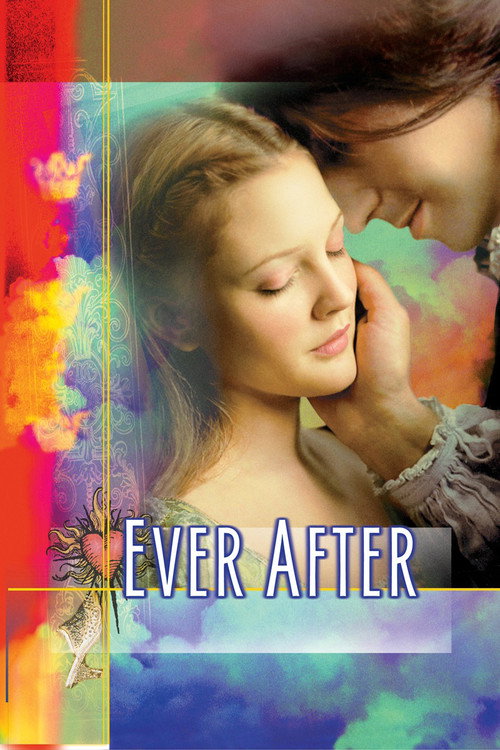
EverAfter1998
A gentler pick: a grounded, unmagical Cinderella retelling with real wit and a Drew Barrymore performance that carries genuine warmth, for when you want fairy-tale mood without surrealism.
But There's no beast, no transformation, no strangeness — this is straightforward romance, and it will feel plain next to Cocteau.
Ladyhawke1985no page yet
An underseen '80s fantasy about lovers cursed to never be human at the same moment — day and night, hawk and man — with the same tragic shape as Cocteau's love tested by time.
But The effects and pacing are dated, and the tone swings between earnest romance and swashbuckling adventure more than Cocteau's does.
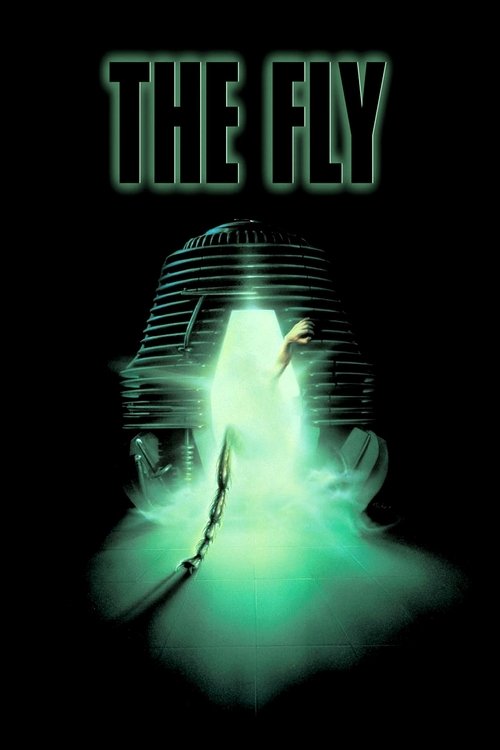
The Fly1986
Cocteau's Beast begs Belle to love him despite his monstrous body; Cronenberg asks the same question in reverse, watching Geena Davis's love curdle as the man she adores becomes something she can barely look at.
Cronenberg's body-horror remake turns the Beast's transformation into something happening in real time to a man you've already fallen for — the tragedy of loving someone as they become unrecognisable.
But It is genuinely gruesome and upsetting in ways Cocteau never approaches — this is not a film for the squeamish.
People
Cast
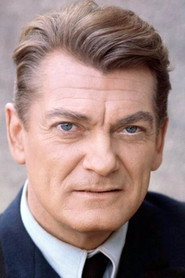 Jean MaraisLa Bête / Le Prince / Avenant
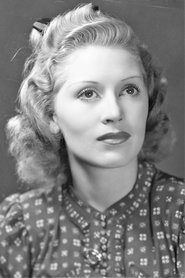 Josette DayBelle
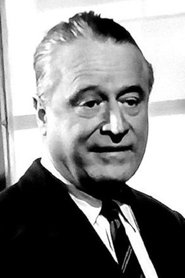 Marcel AndréBelle's Father
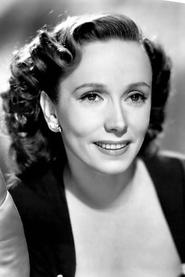 Mila ParélyFélicie
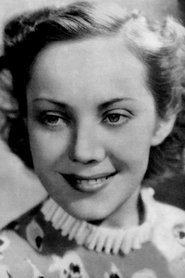 Nane GermonAdélaïde
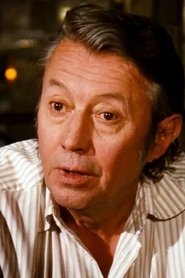 Michel AuclairLudovic
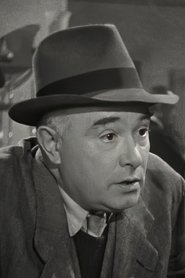 Raoul MarcoThe Insurer
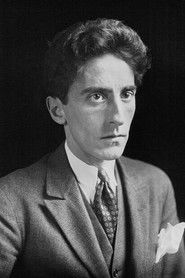 Jean CocteauThe Voice of Magic (uncredited)
- Noël BlinFootman (uncredited)
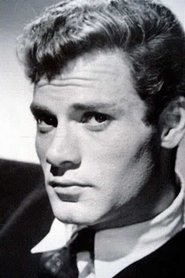 Christian MarquandFootman (uncredited)
- Gilles WatteauxFootman (uncredited)
Directing
- Jean CocteauDirector
- René ClémentFirst Assistant Director
Writing
- Jean CocteauDialogue
- Jeanne-Marie Leprince de BeaumontNovel
- Jean CocteauScreenplay
- Jean CocteauStory
Production
- André PaulvéExecutive Producer