
Film
The Magic Flute
Other titles called The Magic Flute: the 1975 film, the 2006 film.
Florian Henckel von Donnersmarck's 2006 film adapts Mozart's opera for cinema, transplanting its story into a dreamlike WWI setting. It's visually sumptuous and narratively playful—part fairy tale, part anti-war allegory—that treats the absurdity of the original text seriously while never losing its sense of wonder. For anyone curious what happens when you let a visionary director loose on a baroque masterpiece.
Should you watch it?
Watch it if you already love Mozart's score or enjoy big theatrical flourishes, and want to hear the music sung in English against a wartime backdrop.
Skip it if you expect the story's fairy-tale logic to stay untouched, because the wartime reframing shifts it into a sturdier, more earnest register than the original.
What it asks of you: Just over two hours at an unhurried operatic tempo, the songs carry the scenes and you settle into long stretches of music rather than quick cuts.
Not sure? Find tonight's pick in a minute.
If you liked this
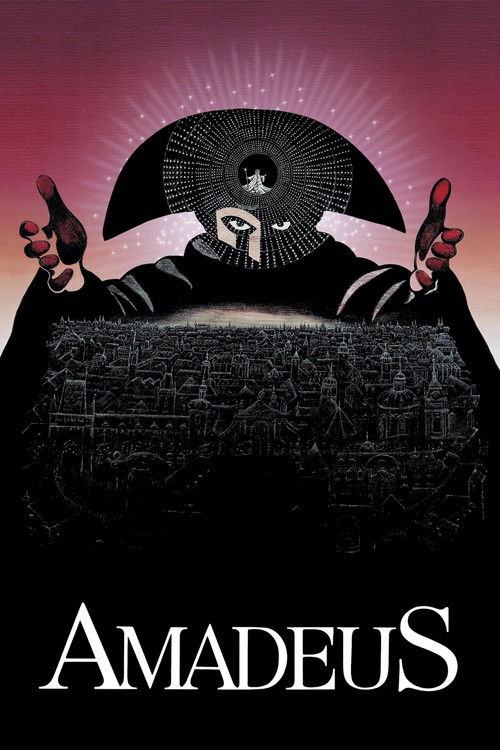
Amadeus1984
Another passionate exploration of Mozart's genius, staged with operatic grandeur and theatrical flair. It makes the composer's life feel as momentous as his music deserves, and the cinematography is stunning.
But It's a long film about dead people making arrangements and political intrigue. Some find it overwrought, and the plot isn't exactly propulsive.
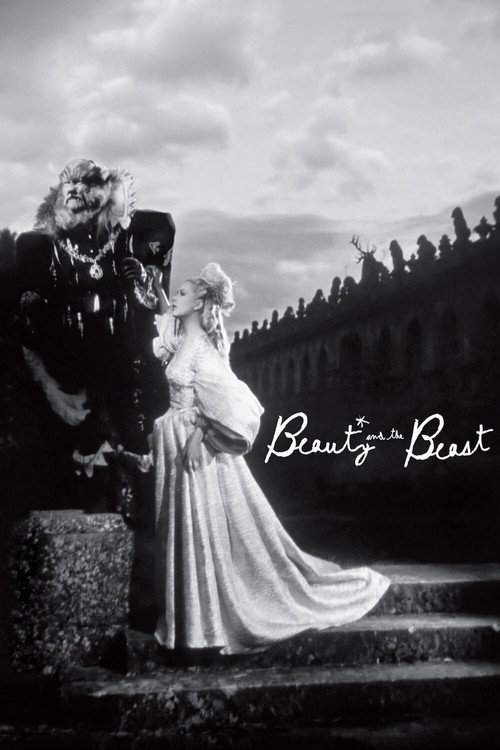
Beauty and the Beast1946
Cocteau's fairy tale transforms a simple story into visual poetry—surreal, dangerous, seductive. Every frame is composed like a painting; it's enchantment as pure cinema.
But The pacing is dreamlike to the point of drowsiness. The dialogue can feel mannered, and the print quality issues take some getting used to.
The Seventh Seal1957
Bergman's masterpiece uses medieval aesthetics and existential dread to conjure genuine wonder. Death as a character, a chess game at stake, and a troupe of players—it's the closest cinema gets to mythmaking.
But It's philosophically demanding, shot in black and white, and fundamentally bleak. Death, plague, and suicide are the actual plot points. Not comfort viewing.

Not sure tonight? Get a pick in a minute, starting from The Magic Flute
The wildcard
Something you would not have found on your own.
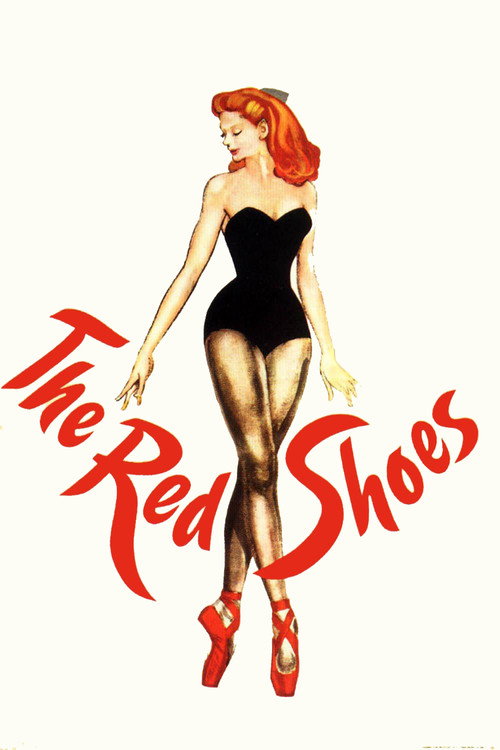
The Red Shoes1948
Both remake canonical art forms for cinema while refusing to apologise for theatricality. Both place visual spectacle and emotional truth at equal weight.
Powell and Pressburger's film is essentially an opera about art, obsession, and desire told through cinema. A twenty-minute ballet sequence that shouldn't work but becomes transcendent. It's about the cost of beauty.
But It's melodrama in primary colours, emotionally excessive, and the gender politics are troubling by modern standards. Some find it overwrought rather than moving.
More like this (7)
The Cabinet of Dr. Caligari1920
German Expressionism gone mad—twisted sets, nightmare logic, a fever dream that feels both alien and intimate. It's about power, corruption, and sanity collapsing under pressure, rendered in pure visual syntax.
But It's silent, over a century old, and the acting style is broad. The print is often damaged. You have to meet it more than halfway.

Suspiria1977
Dario Argento's operatic horror film is exactly that—operatic. Bold colour, a pulsing electronic score by Goblin, and a visual language that's purely expressive rather than realistic. Beautiful and terrifying.
But The plot is nonsense, the dubbing is distracting, and it's gratuitously violent in ways that feel dated rather than thrilling.

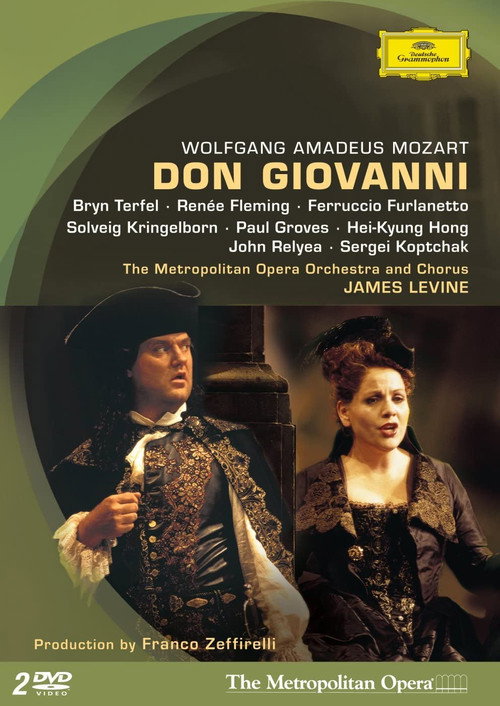
Don Giovanni2000
Losey's operatic staging is intimate and muscular. The seduction, the betrayal, the reckoning—all played out in confined spaces with genuine erotic tension. Mozart's music has rarely sounded this alive.
But It's a filmed opera, not a dramatisation. If you don't engage with the form itself, you're stuck watching people singing in a room for two hours.
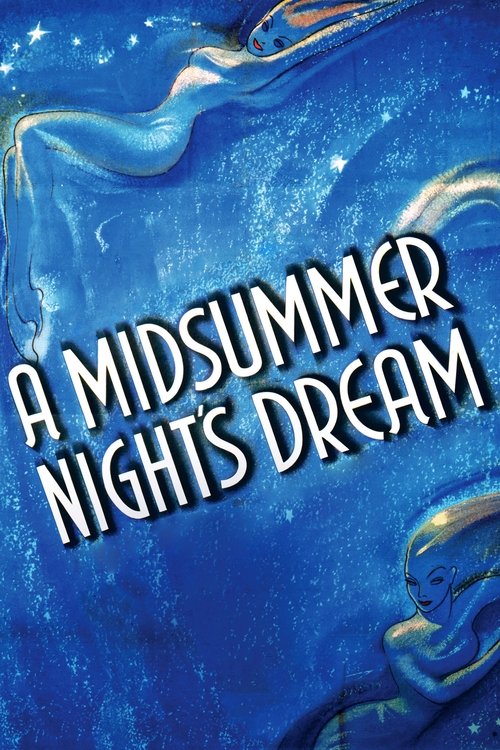
A Midsummer Night's Dream1935
Reinhardt and Dieterle's Hollywood adaptation is visually baroque and genuinely romantic—fairies shimmer, transformation happens in real time, and the enchantment feels authentic rather than cute.
But Some of the casting is bewildering, the tone wavers between reverent and camp, and it's been better adapted since.
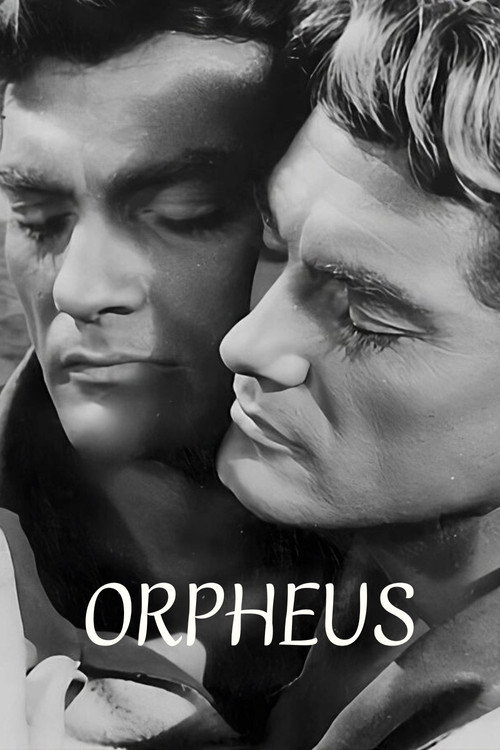
Orpheus1950
Cocteau transplants the Orpheus myth to 1950s Paris—jazz, mirrors, automobiles as death. It's playful about being profound and profound about being playful. Romance and dread coexist.
But It's mannered to the point of opacity sometimes. The allegory gets clever with itself, and if you're not tracking the symbolism, you can feel lost.
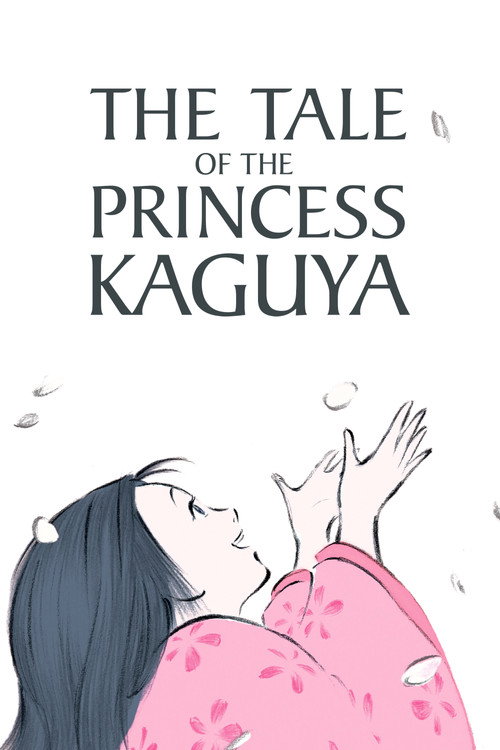
The Tale of The Princess Kaguya2013
Takahata's animated feature adapts a Japanese folk tale with unparalleled hand-drawn artistry and a genuine sense of tragic inevitability. It's tender and devastating in ways that justify the form completely.
But The pacing is contemplative bordering on slow. Viewers expecting narrative momentum will find it punishing. Some animation styles don't age equally.
Stalker1979
Both treat the journey toward enlightenment (spiritual, moral, magical) as more significant than arrival. Both believe cinema can express the ineffable through patience and beauty rather than exposition.
Tarkovsky's science-fiction pilgrimage film moves with glacial intention toward a metaphysical destination. Visually meditative rather than spectacular, it creates an atmosphere of yearning and spiritual hunger. Pure cinema used for philosophical inquiry.
But It's genuinely slow—nothing happens for long stretches. If you approach film as plot-delivery, this will feel like punishment rather than contemplation.

People
Cast
- Joseph KaiserTamino
- Amy CarsonPamina
 Ben DavisPapageno
- Silvia MoiPapagena
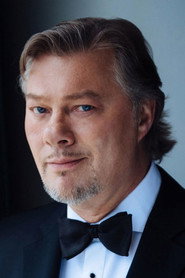 René PapeSarastro
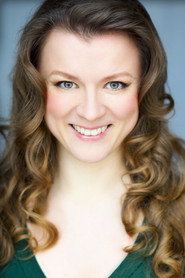 Lyubov PetrovaQueen of the Night
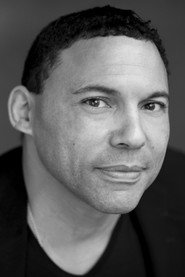 Tom RandleMonostatos
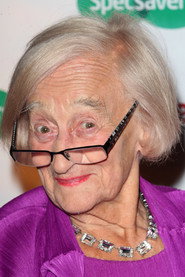 Liz SmithThe Old Papagena
- Teuta KoçoFirst Lady
- Louise CallinanSecond Lady
- Kim-Marie WoodhouseThird Lady
- William DuttonFirst Boy
Directing
- Kenneth BranaghDirector
- Josh RobertsonFirst Assistant Director
- Lee GrumettSecond Unit First Assistant Director
Writing
- Kenneth BranaghAdaptation
- Wolfgang Amadeus MozartAuthor
- Stephen FryDialogue
- Stephen FryLyricist
- Emanuel SchikanederOpera
- Kenneth BranaghScreenplay
- Stephen FryWriter
Production
- Sarah PlayfairCasting
- Stephen WrightExecutive Producer
- Kenneth BranaghProducer
- Pierre-Olivier BardetProducer
- Simon MoseleyProducer
- Steve Clark-HallProducer
Recommended by
La Bohème, La Rondine, Don Carlo, Les Contes d'Hoffmann, The Abduction from the Seraglio, Lucia di Lammermoor, La Bohème