
Film
La Bohème
Other titles called La Bohème: the 1926 film, the 1982 film, the 1988 film, the 1994 film.
Puccini's beloved opera of bohemian romance and heartbreak, filmed with A-list opera stars rather than relocated to a car park. Anna Netrebko and Rolando Villazón have genuine chemistry; the production is lush and traditional. For anyone who loves the music, or wants to discover why this opera has never left the repertoire in 150 years.
Should you watch it?
Watch it if you already love Puccini, or want a traditional staging where the singing carries the romance, and you're happy to let two gifted leads do the work of making a love affair feel real.
Skip it if you need plot to push stories forward, since nearly everything here moves through sung emotion, and that pace can drag if opera isn't already comfortable for you.
What it asks of you: Settle in for about two hours of sung drama paced by the music rather than quick cuts, with long held moments you'll need to let breathe.
Not sure? Find tonight's pick in a minute.
If you liked this
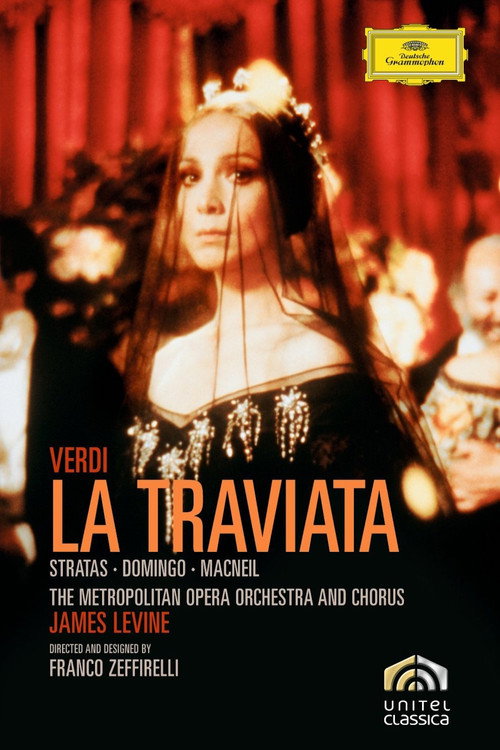
La traviata1982
Another Puccini-era masterpiece about passion and doomed love, with similar emotional devastation. Placido Domingo and Teresa Stratas are captivating, and Franco Zeffirelli's direction is sumptuous.
But If you find 19th-century operatic melodrama exhausting, this will feel even more so—it's almost pure suffering in gorgeous costumes.
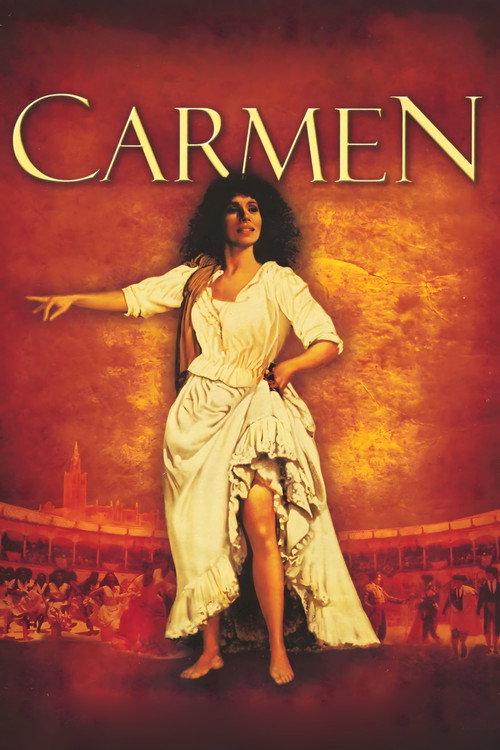
Carmen1984
Bizet's most performed opera, filmed by director François Girard with incredible energy. The love triangle is as raw and immediate as La Bohème's romance, but fiercer. You'll understand why this music endures.
But The opera itself is darker and more violent than La Bohème; if you want romance without tragedy, this goes harder the other way.
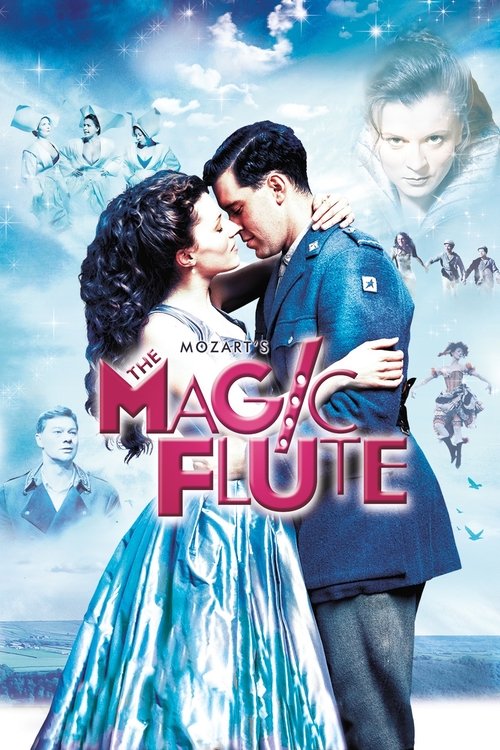
The Magic Flute2006
Mozart's most enchanting opera, filmed by Kenneth Branagh with wit, beauty, and genuine wonder. It's lighter than La Bohème but has the same sense of music as pure storytelling. A genuine joy to watch.
But It's a fairy tale with some silly moments; if you want serious drama, the tone shifts from profound to whimsical in ways that might feel uneven.
Not sure tonight? Get a pick in a minute, starting from La Bohème
The wildcard
Something you would not have found on your own.
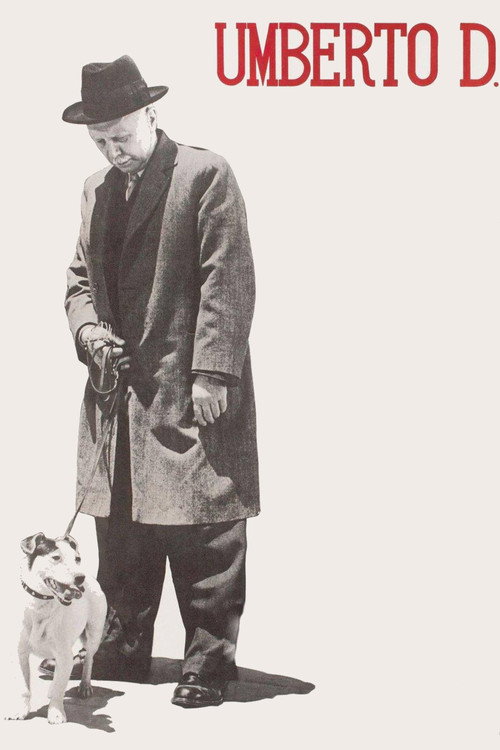
Umberto D.1952
Both explore love and survival in poverty, but La Bohème mythologizes the experience while this film documents its actual cruelty. One is art about suffering; the other is suffering as art.
De Sica's neorealist masterpiece about an elderly pensioner and his dog, living in the same poverty as La Bohème's artists but without the romance or music. It's devastatingly real—the same economic desperation, but stripped of all theatricality. A meditation on dignity and love in impossible circumstances.
But There is no music, no beauty in the cinematography, no sentimentality. It's bleak and slow, and watching it is an act of witness, not escape.
More like this (6)
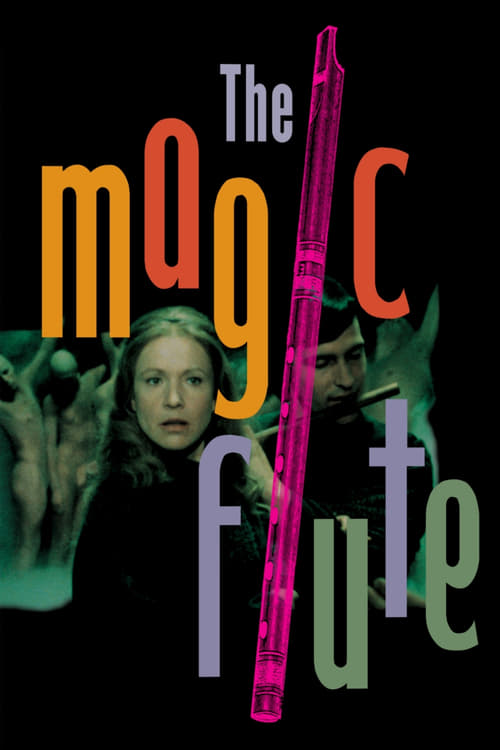
The Magic Flute1975
Ingmar Bergman's film of Mozart's masterpiece. Visually stunning, philosophically rich, and utterly transportive. The production design alone justifies the watch; the performances are transcendent.
But Bergman reads the opera as spiritual fable, not entertainment. If you want lightness, his depth and seriousness might feel like work.
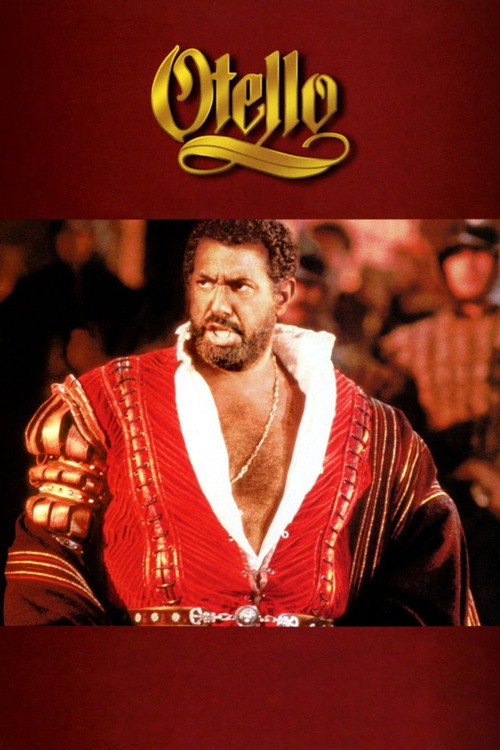
Otello1986
Verdi's operatic version of Shakespeare. Plácido Domingo is magnificent; the jealousy and betrayal cut deeper than most drama. Straight narrative storytelling at maximum emotional intensity.
But It's relentlessly dark and violent. Iago's evil is not theatrical—it's sickening. There's no beauty to cling to, only skill and cruelty.
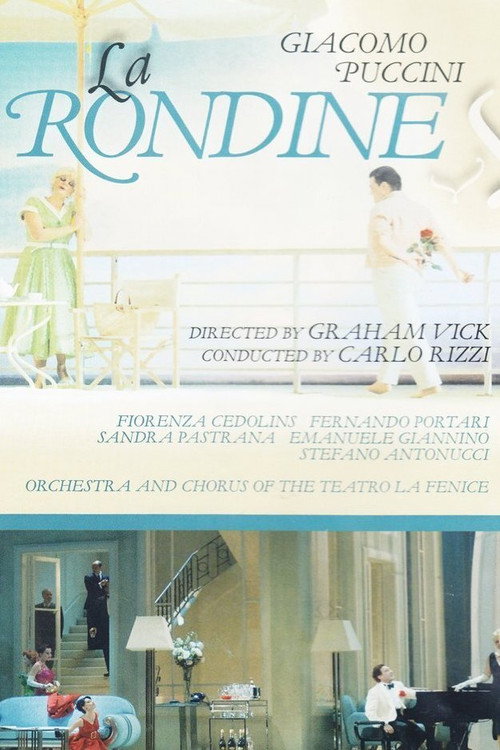
La Rondine2008
Another Puccini gem, lighter than La Bohème but with the same gorgeous melodies. It's about romantic choice and consequence rather than poverty and death. Elegant, moving, less harrowing.
But It lives in the shadow of La Bohème and doesn't quite reach the same emotional heights. The plot is simpler; it can feel slight by comparison.
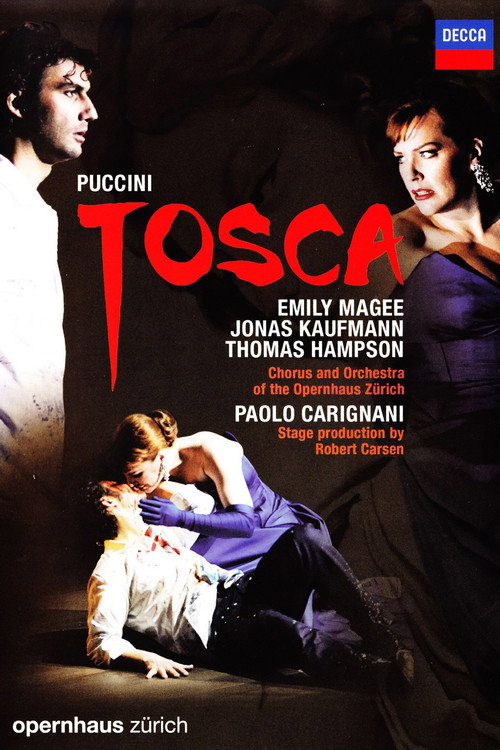
Tosca2009
Puccini's most dramatic opera. Political intrigue, betrayal, violence, and one of the greatest soprano roles ever written. Maria Guleghina is ferocious. Pure operatic spectacle.
But It's frantically paced and the plot requires you to accept torture and execution as backdrop. If you want intimacy, this is all power and grandeur.
Synecdoche, New York2008
Both grapple with the relationship between performed emotion and real feeling. La Bohème uses opera's artifice to make heartbreak universal; this film uses chaos to ask whether performance can ever touch truth.
Charlie Kaufman's fractured masterpiece about a theater director building a replica of New York inside a warehouse. Like La Bohème, it's obsessed with the texture of real life and the impossibility of capturing it perfectly. It's about art made from grief, the blur between life and performance, and whether love survives creation.
But It's deliberately confusing, structurally chaotic, and philosophically dense. If you want clarity and catharsis, this is a puzzle that may never resolve.

Stalker1979
Both locate the essential human drama not in what happens, but in what people feel and want. One uses operatic excess; the other uses emptiness. Both are saying: this feeling is everything.
Tarkovsky's science-fiction meditation on desire and meaning. A man guides two others through a mysterious zone to find a room that grants wishes. Slow, hypnotic, visually austere. It asks the same question La Bohème's music asks: what do we actually want when everything is stripped away?
But It's nearly three hours of walking and philosophical dialogue with minimal plot. If you need action or conventional narrative momentum, this will feel like punishment.

People
Cast
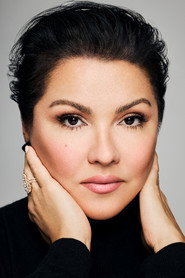 Anna NetrebkoMimì
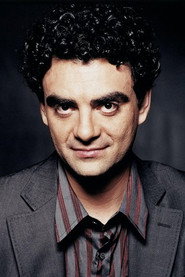 Rolando VillazónRodolfo
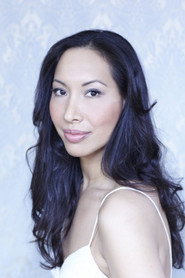 Nicole CabellMusetta
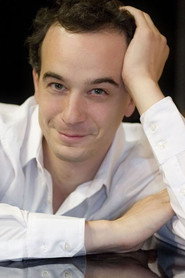 Adrian ErödSchaunard
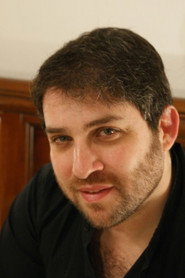 Boaz DanielMarcello
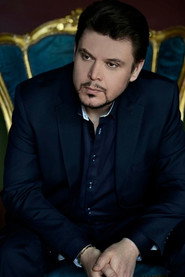 Vitalij KowaljowColline
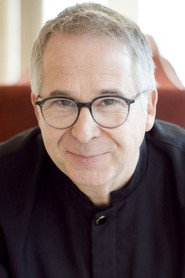 Bertrand de BillySelf - Conductor
Directing
- Robert DornhelmDirector
Writing
- Henri MurgerNovel
- Giuseppe GiacosaWriter
- Luigi IllicaWriter
Production
- Andreas KammProducer
- Jan MojtoProducer
- Kurt J. MrkwickaProducer
- Oliver AuspitzProducer
Recommended by
Moonstruck, Immortal Beloved, The Marriage of Figaro, La Traviata, Don Giovanni, The Marriage of Figaro