
Film
La Bohème
Other titles called La Bohème: the 1982 film, the 1988 film, the 1994 film, the 2008 film.
Lillian Gish glows through this 1926 silent adaptation of Puccini's opera, tracking a doomed love affair between a seamstress and a playwright among Paris's bohemian poor. It's tender and tragic, with real pathos beneath the melodrama. Essential for anyone curious how silent film handled emotion before sound existed to help.
Should you watch it?
Watch it if you love silent cinema's big gestures and faces, and want a love story told through looks, bustling garrets and sudden tenderness rather than dialogue.
Skip it if you need talkies' rhythms and snappy dialogue; its sentiment runs warm and ornate, and the silent-era pacing can feel stagey to modern eyes.
What it asks of you: Ninety-three minutes of patience with intertitles and broad, expressive acting, where the mood stays wistful and the pace unhurried, so settle in and give it your full attention.
Not sure? Find tonight's pick in a minute.
If you liked this
Sunrise: A Song of Two Humans1927
F.W. Murnau's masterpiece about a city man and country woman uses visual language so sophisticated it makes dialogue seem unnecessary. Pure cinema, absolutely ravishing.
But It's a silent film from 1927, which means patience with pacing and comfort reading intertitles. The melodrama can feel heavy-handed to modern eyes.

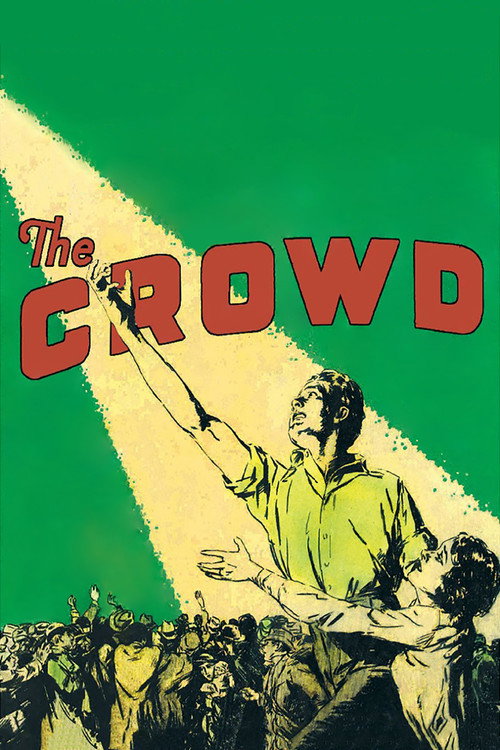
The Crowd1928
King Vidor captures the poetry in ordinary life—a young couple in the city, love, ambition, disappointment. It's funny and heartbreaking by turns, alive in ways many silents aren't.
But The social critique feels bleak. There's real despair here, and it doesn't resolve neatly. Some find the fatalism depressing.
The Phantom Carriage1921
Victor Sjöström's Swedish ghost story is achingly human—a man confronts his cruelty through supernatural intervention. Visually innovative, morally complex, genuinely moving.
But It's slow by any standard and the supernatural elements may feel quaint. The philosophical weight won't appeal if you want plot momentum.

Not sure tonight? Get a pick in a minute, starting from La Bohème
The wildcard
Something you would not have found on your own.
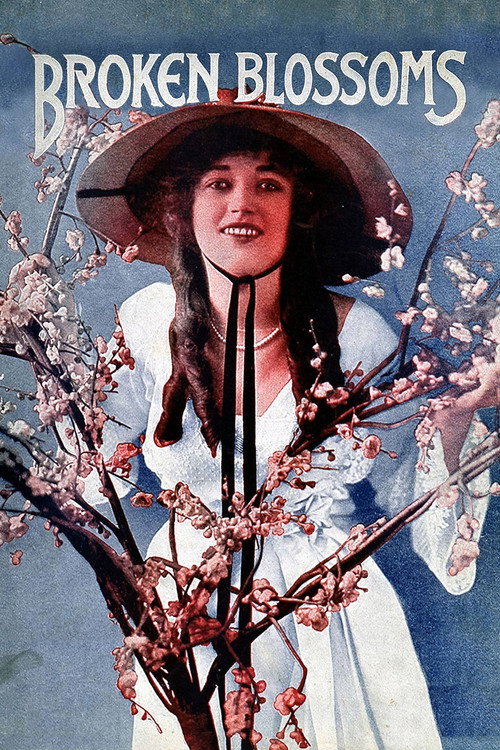
Broken Blossoms or The Yellow Man and the Girl1919
Both films find tragedy in the collision between romantic love and brutal circumstance. Both center on the margin-dweller—the outsider who loves someone they cannot have.
D.W. Griffith's film about a Chinese man and a battered English girl is formally revolutionary—deep focus, intimate framing, visual metaphor replacing explanation. Tender and radical for 1919.
But It's a white director's meditation on race and Otherness, which creates genuine discomfort. The paternalism and soft-focus exoticism are hard to ignore, however sincere the sentiment.
More like this (8)
Nosferatu1922
F.W. Murnau again, but here channeling dread and beauty in equal measure. A vampire film that's genuinely unsettling and oddly poetic about mortality and desire.
But The pacing is glacial and the horror is atmospheric rather than visceral. Also, it's technically a vampire film, which some find a tiresome genre.

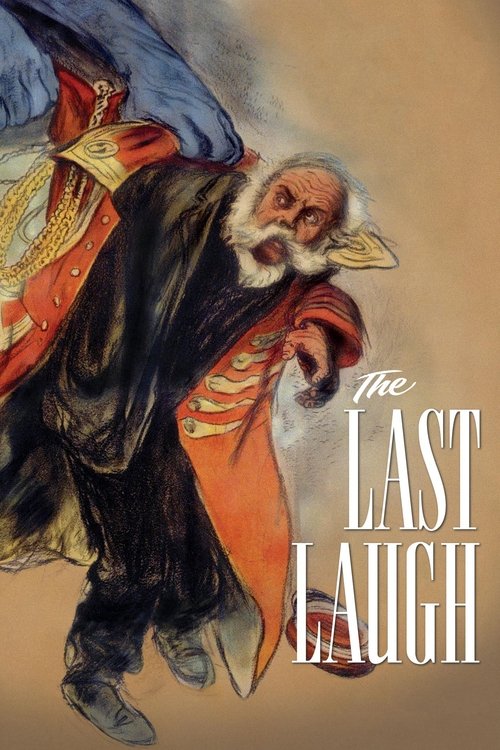
The Last Laugh1924
Emil Jannings gives a performance of staggering dignity as a doorman watching his status crumble. Murnau's camera moves with unprecedented freedom. Deeply human and technical marvel alike.
But German Expressionism can feel overwrought. Also, the social humiliation at its center is genuinely uncomfortable to watch.
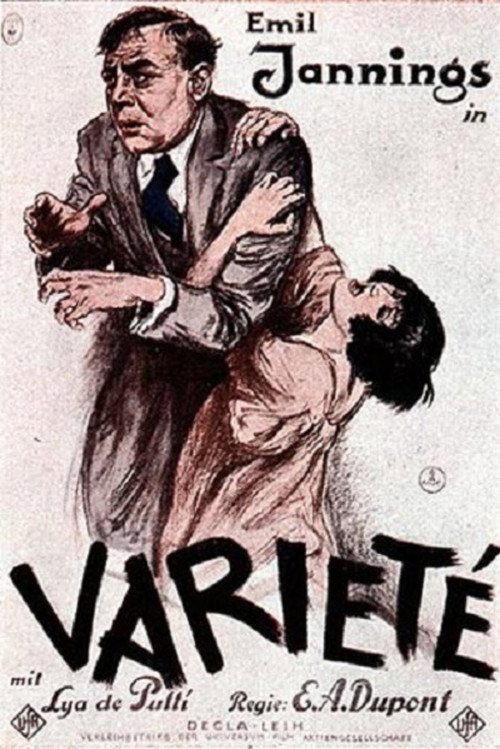
Variety1925
E.A. Dupont's film about trapeze artists and jealousy uses acrobatics and camera tricks to visualize emotion. Dazzling technical craft in service of genuine passion and betrayal.
But The circus setting feels dated, and the plot is fairly simple—the spectacle can distract from emotional stakes.
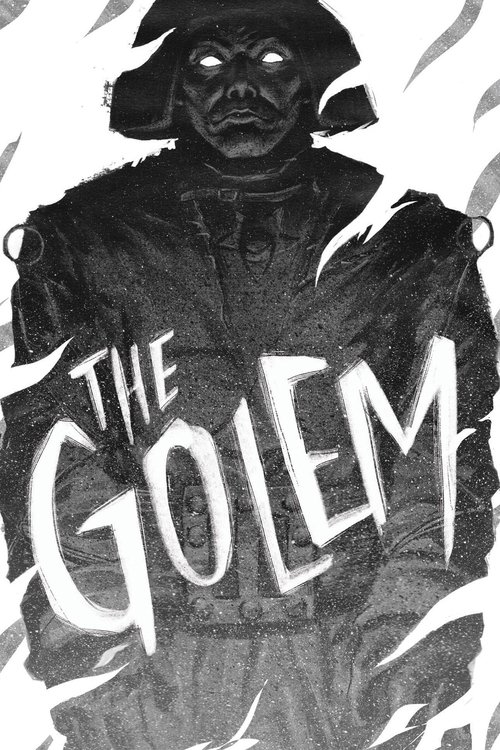
The Golem: How He Came into the World1920
Paul Wegener's supernatural drama about a created being protecting Prague's Jews is visually stunning, architecturally gorgeous, and surprisingly tender about what it means to be other.
But The pacing is deliberate and the action sequences are few. Some viewers find the fantasy setup distracting from the thematic weight.
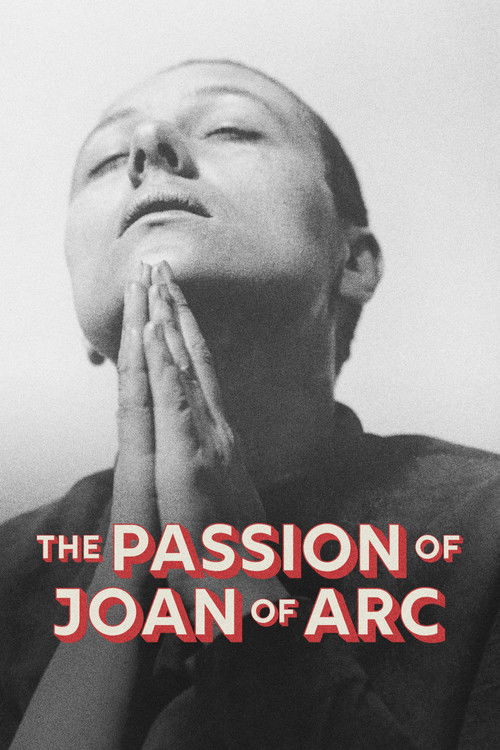
The Passion of Joan of Arc1928
Carl Theodor Dreyer and Renée Jeanne's close-ups form an almost unbearable intimacy. This is cinema as spiritual interrogation. Devastating, unlike anything else, pure cinema language.
But It's brutal. The trial and suffering go on, and Dreyer offers no relief. This is endurance viewing. Also, it's Danish and very austere.
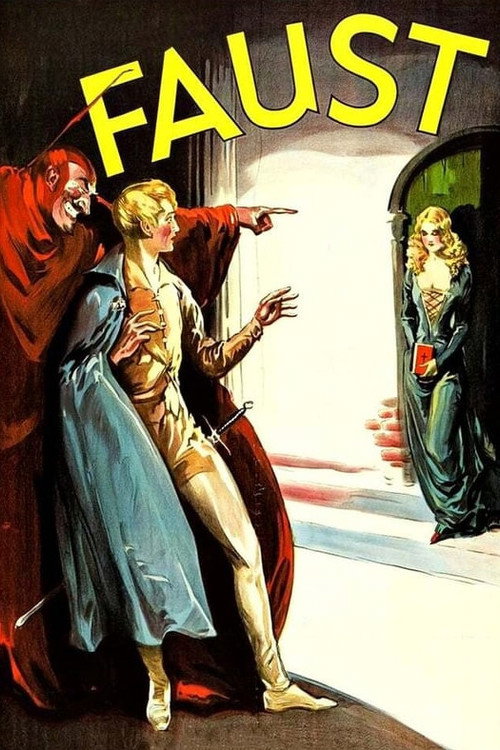
Faust1926
F.W. Murnau brings Goethe to baroque life with supernatural spectacle and genuine pathos. Marlowe's story told through pure visual storytelling, technically audacious and emotionally grounded.
But At over two hours, it's a commitment. The special effects are impressive but visibly achieved through practical tricks. The plot is dense.
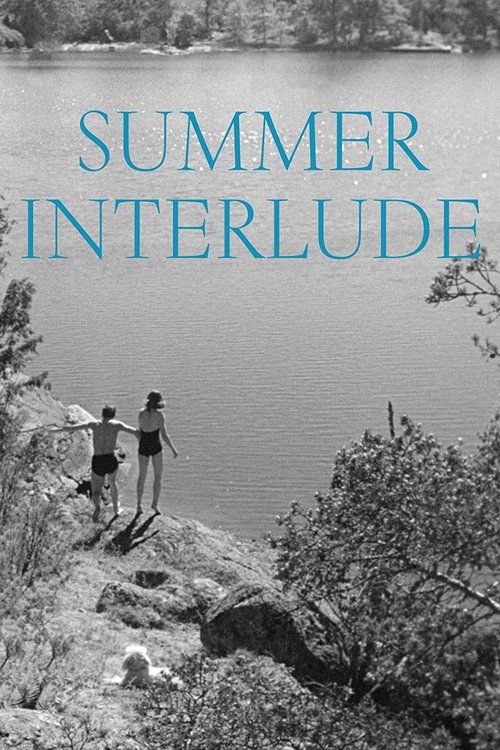
Summer Interlude1951
Both trace how love exists in time, how we live with people who've left us or whom we've lost. Both use theater/performance to explore authentic feeling beneath the performance of daily life.
Ingmar Bergman strips away all artifice to study memory, loss, and how the past shapes present love. A ballerina haunted by a dead first love finds new connection. Sensual, psychologically precise, deeply felt.
But It's introspective and quiet. Nothing happens in plot terms. Also, it's almost certainly not what you expect from Bergman at this early stage, which can feel like a detour.
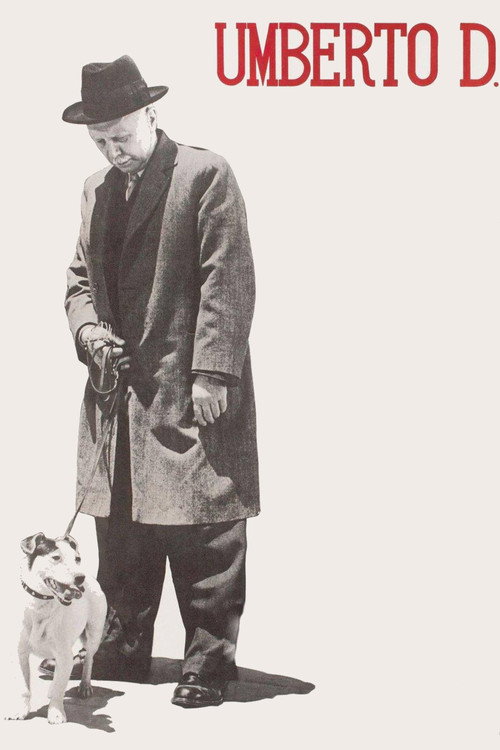
Umberto D.1952
Both are about bohemia and poverty, but one is romantic myth and this is its actual lived truth. De Sica strips away the beauty Gish's film preserves, showing what happens to artists when the dream doesn't sustain.
Vittorio De Sica's film about an elderly pensioner and his dog is neo-realist devastation—no music, no plot, just the quiet desperation of trying to survive with dignity when the world has moved on.
But It's anti-narrative. A man walks around Rome, unable to pay rent. There is no plot climax. Many find it punishingly slow and depressing.
People
Cast
 Lillian GishMimi
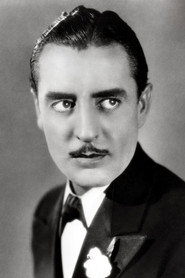 John GilbertRodolphe
 Renée AdoréeMusette
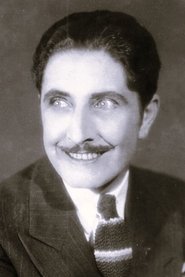 Roy D'ArcyVicomte Paul
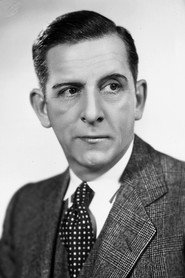 Edward Everett HortonBenoit - Janitor
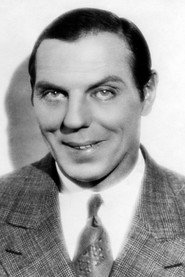 Karl DaneBenoit - Janitor
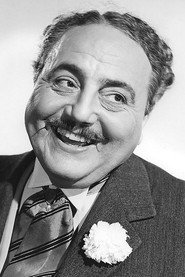 Gino CorradoMarcel
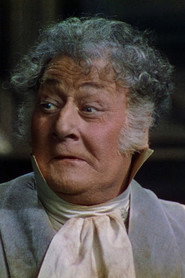 George HassellSchaunard
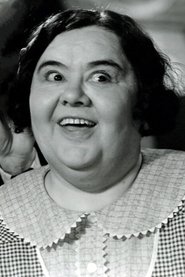 Mathilde ComontMadame Benoit
- Eugene PouyetBernard
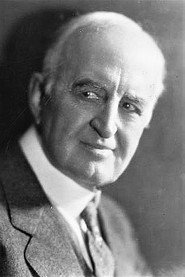 Frank CurrierTheatre Manager
- David MirAlexis
Recommended by
Maytime, The Waltz Dream, The Great Caruso, Wandering Stars, Blossom Time, The Lovers of Montparnasse, Pagliacci, Torrent