
Film
Wandering Stars
A 1991 Soviet adaptation of Sholom Aleichem's classic novel about two gifted performers—actors and musicians—who fall in love and flee their provincial home with a traveling theater troupe. Visually sumptuous and emotionally turbulent, it captures the collision between artistic ambition and the bonds that bind us. For anyone moved by stories about talent, sacrifice, and roads not taken.
Should you watch it?
Watch it if you love sprawling, old-fashioned romance about travelling performers, where the theatre life and the music carry as much weight as the lovers' longing.
Skip it if you're after a light, witty romp, since this is sentimental, heavy-hearted and plainly unembarrassed about its tears.
What it asks of you: Long, unhurried scenes stretch across nearly two and a half hours, and its feelings are played straight, without a wink.
Not sure? Find tonight's pick in a minute.
If you liked this
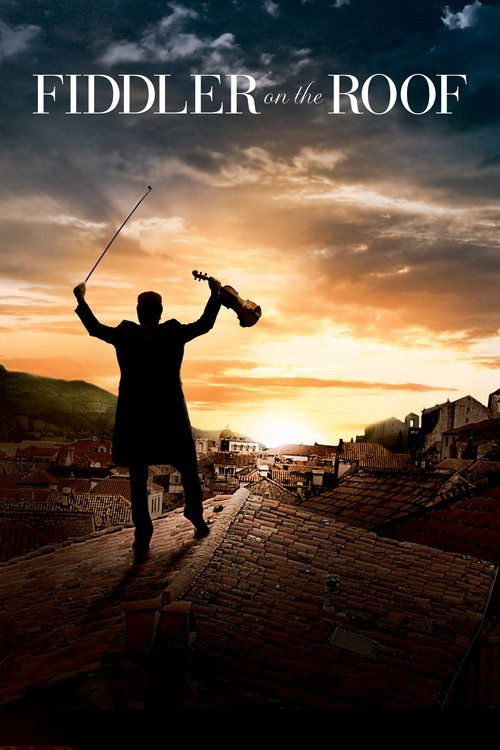
Fiddler on the Roof1971
Also adapted from Sholom Aleichem, with the same blend of Jewish theatrical tradition, family drama, and bittersweet humor. The musical language is different, but the emotional architecture overlaps—love against cultural expectation, art as survival.
But The film is long and its pacing reflects 1970s theatrical sensibilities, which some find stately rather than gripping. The sentimentality can feel dated.
The Red Shoes1948
A masterpiece about artistic obsession and the cost of beauty. Two lovers torn between career and relationship, rendered in sumptuous Technicolor. The same tragic momentum, the same understanding that talent demands sacrifice.
But It's operatic and highly stylized—if you want naturalism, this isn't it. The gender politics are very much of their era and may feel uncomfortable.

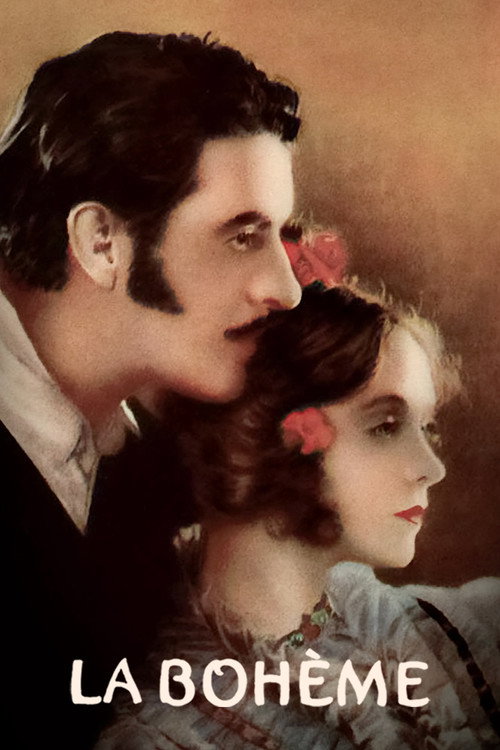
La Bohème1926
Puccini's opera of poor artists in Paris, their love and their hunger. Like Wandering Stars, it romanticizes poverty and artistic struggle while breaking your heart. A kindred spirit across mediums.
But It's silent and operatic, which demands patience and a willingness to sit with emotion rather than plot momentum. Not everyone connects with that register.
Not sure tonight? Get a pick in a minute, starting from Wandering Stars
The wildcard
Something you would not have found on your own.
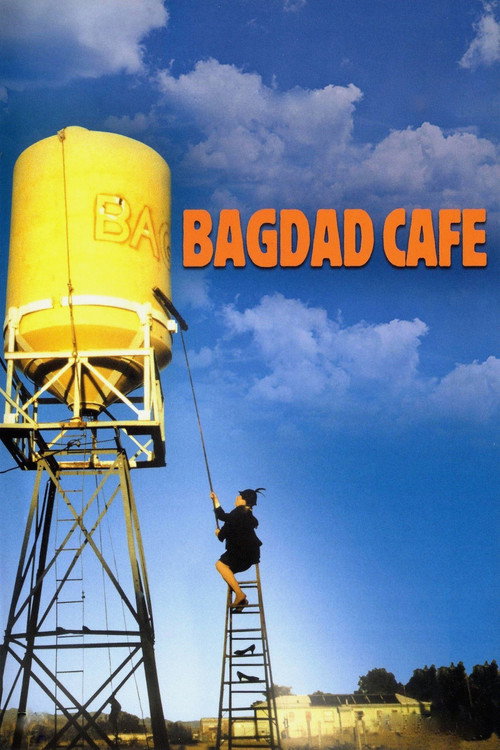
Bagdad Cafe1987
Both films are about outsiders finding each other through art and then discovering that the world won't let them stay. But where Wandering Stars is tragic, Bagdad Café is quietly transcendent—it suggests another ending is possible.
An unlikely connection: a German woman and an American diner owner form an unexpected bond, and the film transforms around acts of creativity and connection. Like Wandering Stars, it's about two people who shouldn't fit together, finding each other anyway—but here, the focus is on making art in small places, on refusal to be diminished. Warm, strange, generous.
But The tone is whimsical in ways that can feel precious or unearned. If you need dramatic stakes or conventional narrative drive, the gentleness will frustrate you.
More like this (8)
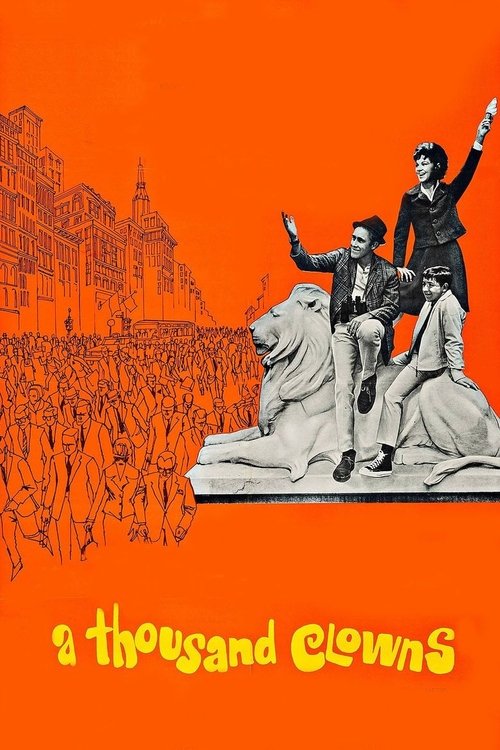
A Thousand Clowns1965
Non-conformist artist grapples with responsibility, love, and the world's demand that he compromise. Funny and tender in equal measure, with real bite about what we sacrifice for connection.
But It's chatty and talky, built on dialogue rather than spectacle. If you prefer action or plot to character conversation, it drags.
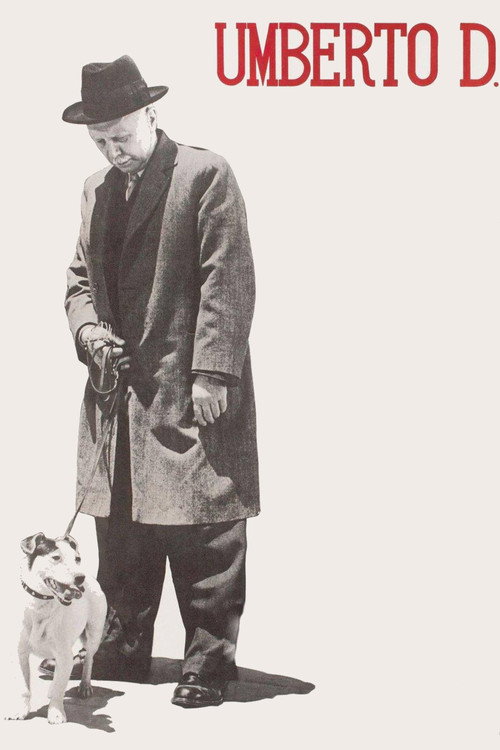
Umberto D.1952
Neorealist portrait of displacement and quiet dignity. An older man watches the world move on without him. The emotional precision and refusal to sentimentalize poverty are remarkable.
But Deliberately undramatic and slow. Very little happens. The reward is subtle, which can feel like no reward at all if you're looking for catharsis.
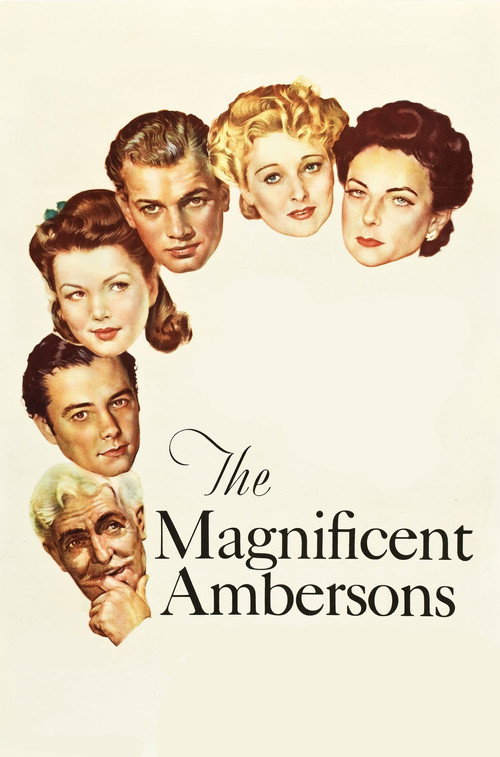
The Magnificent Ambersons1942
Welles's examination of artistic ambition and family dissolution. A gifted, selfish man's talent cannot save him from the wreckage of his own life. The tragedy of unmet potential.
But The studio compromised Welles's cut and it shows—the ending feels tacked on. The film's power is diminished by that damage.
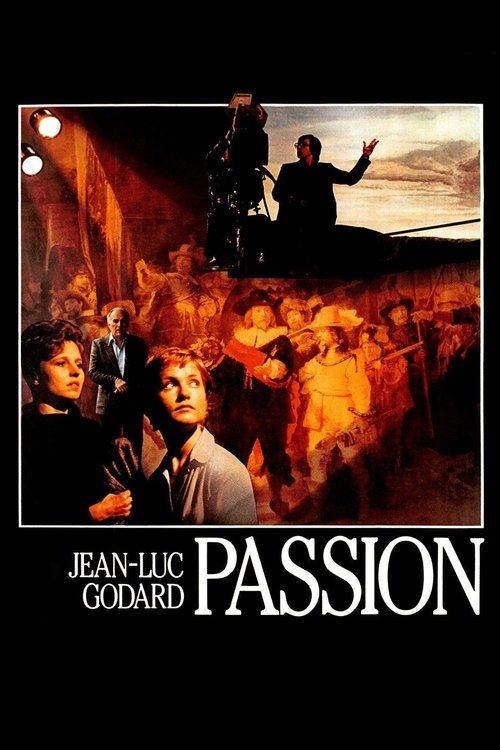
Godard's Passion1982
Godard's meditation on art-making, collaboration, and the distance between lovers. Formally daring and genuinely moving about how talent isolates us.
But It's Godard: fragmented, self-reflexive, sometimes opaque. If experimental cinema feels like work rather than pleasure, stay away.
Vincent & Theo1990
A portrait of artistic genius and the brother who loves him. Quiet, devastatingly human, about the gap between vision and the world's readiness for it.
But Quiet to the point of melancholy. Very little plot. It's a mood piece that some will find moving and others simply gloomy.
Stalker1979
Tarkovsky's slow, meditative masterpiece about desire, meaning, and the distance between what we want and what we can have. Thematically rich about human yearning.
But It's 163 minutes of philosophical digression and long takes. Patience isn't optional; it's the price of entry. Many people simply cannot finish it.

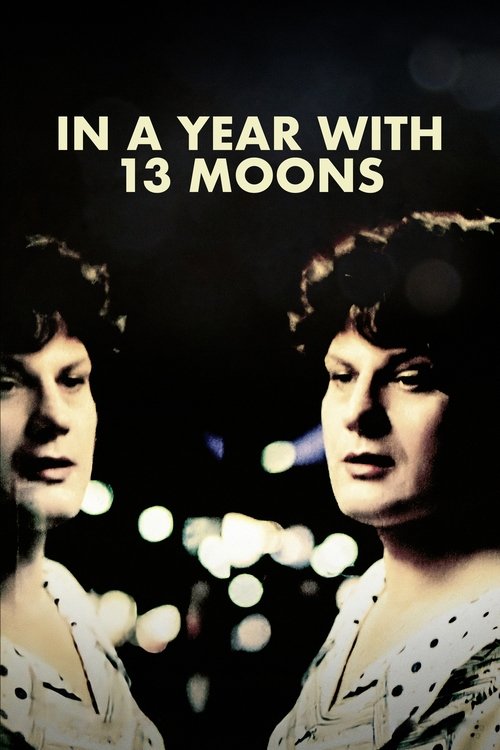
In a Year with 13 Moons1978
Both examine how love—real, desperate, total love—can destroy the people who feel it. But Wandering Stars locates that tragedy in circumstance and separation, while Thirteen Moons locates it in the lover's own psyche.
Rainer Werner Fassbinder's anguished portrait of a woman seeking the person she loves and finding only the wreckage of her own decisions. Like Wandering Stars, it's about devotion curdled into obsession, but filtered through a completely different worldview and form. Hypnotic, merciless.
But It's 124 minutes of baroque suffering with minimal plot. Fassbinder doesn't comfort; he lacerates. If you need resolution or hope, this is not the film for you.
Come and See1985
Where Wandering Stars is romantic tragedy—the world won't let them be together—Come and See is existential horror: the world will not let anyone remain human. Both are about what the world takes from us.
Elem Klimov's devastating document of a boy's initiation into war. The connection is oblique but real: both are films about young people with a gift—one for art, one for survival—who are ground into nothing by the world's indifference. Both are about watching innocence die. This is hard viewing, but essential.
But It depicts graphic violence and psychological destruction. Not a film you watch for pleasure. It's unbearable, intentionally so. Only watch if you can sit with genuine horror.

People
Cast
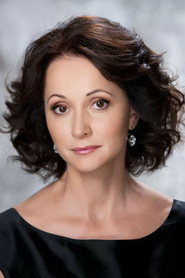
 Irina Lachina(as Irina Toma)
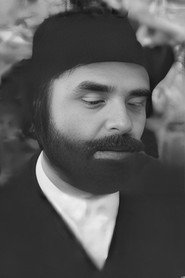
 Mamuka Kikaleishvili(as Mamuka Kikaleyshvili)


Directing
- Vsevolod ShilovskyDirector
Writing
- Sholom AleichemNovel
- Lev PiskunovWriter
- Oleksa SherengovoyWriter