
Film
The Long Way Home
A 96-minute road movie about an older man's impulsive cross-country journey to reconnect with a lost love. Jack Lemmon brings weathered charm to a story that treats its protagonist's restlessness with genuine affection rather than judgment. It's for anyone who believes it's never too late to pursue unfinished business, and who likes character-driven journeys over plot mechanics.
Should you watch it?
Watch it if you like gentle road movies where an older man's stubborn quiet and the people he meets along the way do the real work, and you don't need a tidy payoff.
Skip it if you want a brisk plot or a sharp edge, since this runs gently and sentimentally, and its family drama can feel soft and familiar.
What it asks of you: Ninety-six minutes of unhurried attention, with long stretches of open road and quiet talk where little happens while the characters slowly shift.
Not sure? Find tonight's pick in a minute.
If you liked this
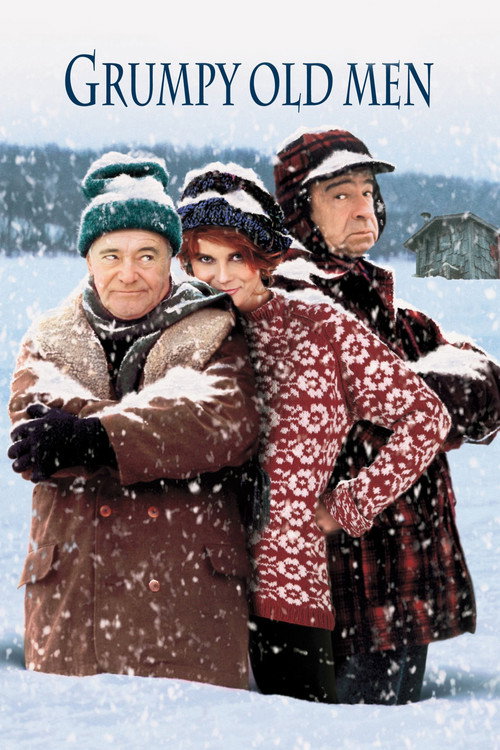
Grumpy Old Men1993
Another Lemmon vehicle that mines comedy and warmth from aging male stubbornness and unexpected friendship. The chemistry between leads and the film's refusal to mock its older characters feel cut from the same cloth.
But Broad sitcom energy and predictable romantic plotting might feel slight if you're after something weightier.
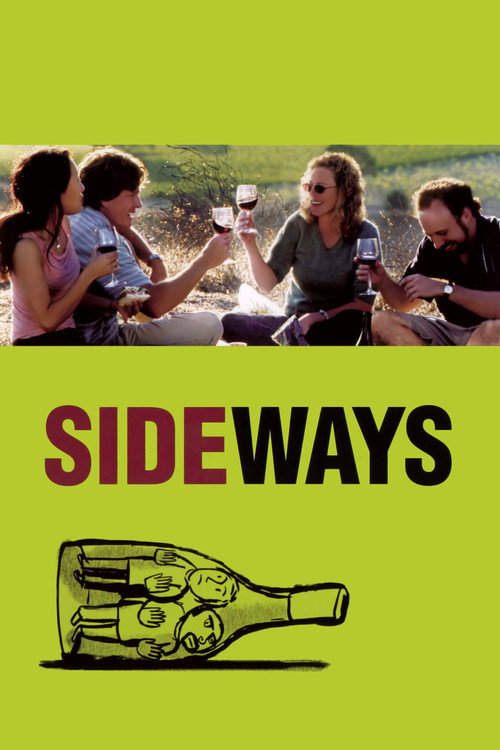
Sideways2004
A road trip through California by men grappling with regret, aging, and second chances. Same DNA of graceful humour mixed with genuine melancholy, same belief that detours matter more than destinations.
But The pace is deliberately slow and contemplative. If you want forward momentum and clear stakes, this will frustrate you.
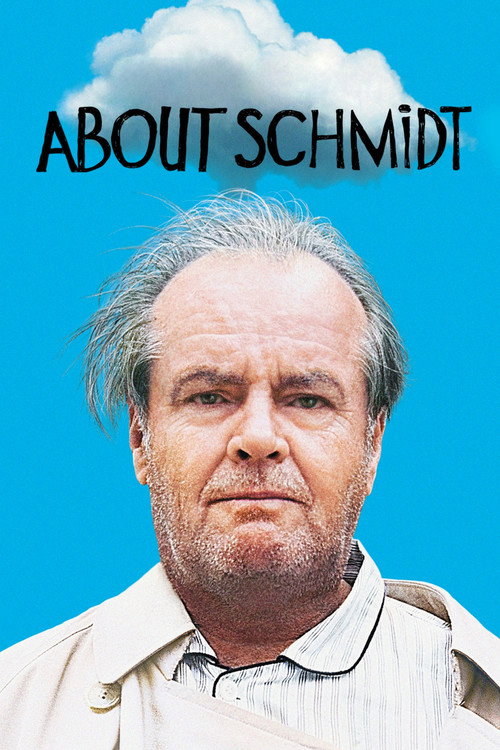
About Schmidt2002
Jack Nicholson as a retired man on an RV journey confronting his marriage and mortality. Bitter and funny and sad in equal measure—what The Long Way Home reaches for tonally.
But Darker and sharper than a typical feel-good road movie. Nicholson's character is genuinely difficult to like for stretches.
Not sure tonight? Get a pick in a minute, starting from The Long Way Home
The wildcard
Something you would not have found on your own.
Ikiru1952
Both follow older men facing mortality who realize they've lived smaller lives than they might have. Both end in quiet reconciliation rather than triumph.
Kurosawa's masterpiece about a dying bureaucrat's late-life awakening to meaning and connection. A widower discovering purpose echoes across decades and cultures. Profound without sentimentality.
But Japanese cinema from 1952, shot in black-and-white with subtitles. The pacing is slow and meditative; modern audiences often find it demanding.

More like this (8)
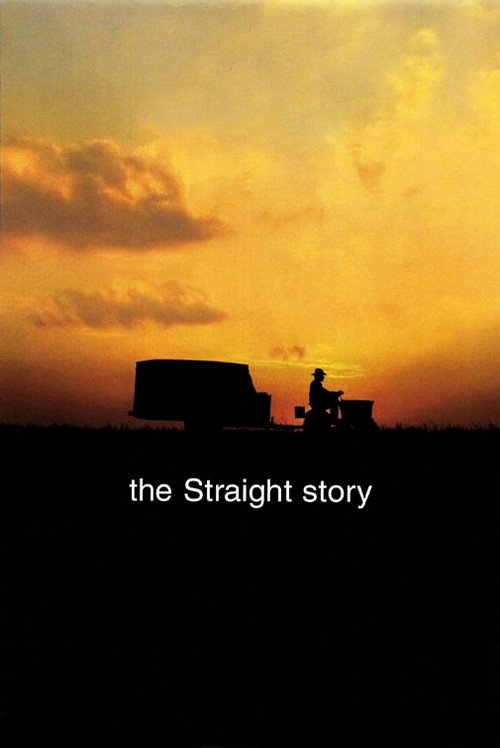
The Straight Story1999
David Lynch's only G-rated film: an elderly man rides a lawnmower across America to reconcile with his estranged brother. Earnest, meditative, oddly touching—a meditation on grace and human connection.
But Almost nothing happens. If you need conventional drama or character conflict, the glacial pace will test your patience.
Nebraska2013
Bruce Dern as an aging man on a cross-country journey with his son. Shot in black-and-white, it treats its protagonist's dreams with dignity and its Midwestern setting with real affection.
But Sparse and quiet to the point of austerity. The emotional payoff is subtle; some will find it remote.

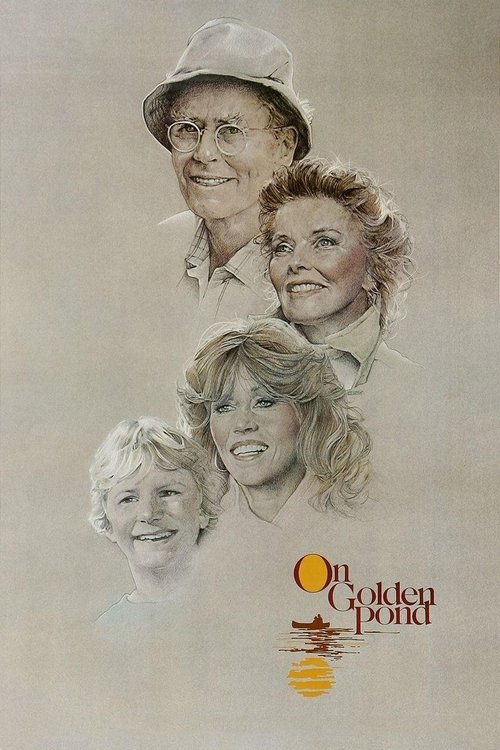
On Golden Pond1981
Lemmon's spiritual predecessor: aging characters at a lakeside cottage confronting mortality, legacy, and unresolved family business. Henry Fonda is magnificent, and the film earns every tear.
But The family drama in the middle section feels dated and stagey. It's a product of its theatrical origins.
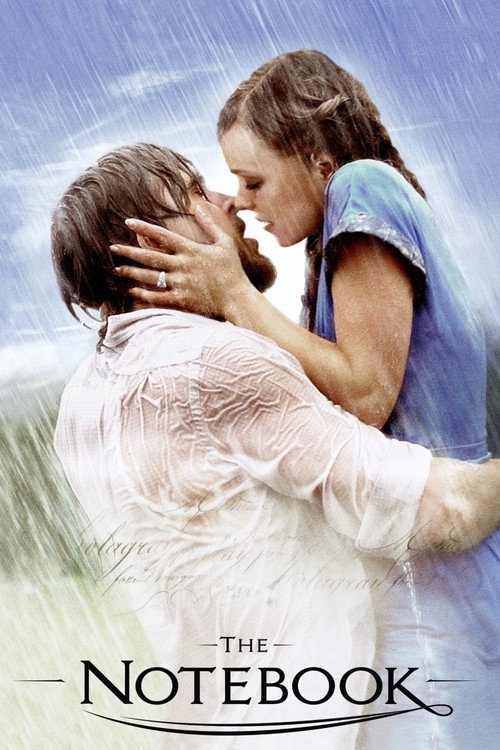
The Notebook2004
An older man reads his life story to his wife with dementia. A genuine tearjerker about enduring love across decades, with real chemistry between its leads despite the age difference.
But Unapologetically sentimental. If you're allergic to sincerity, the emotional directness will feel manipulative.
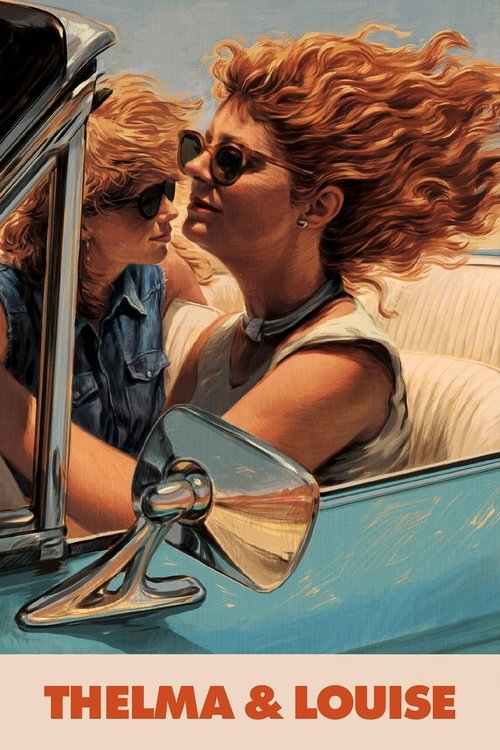
Thelma & Louise1991
A road movie about reinvention and defiance. The structure—unlikely pairing, journey as transformation—mirrors The Long Way Home, though pointed in a wilder direction.
But Tonally it's a thriller that builds toward tragedy. The register is entirely different, and it may feel like a mismatch.
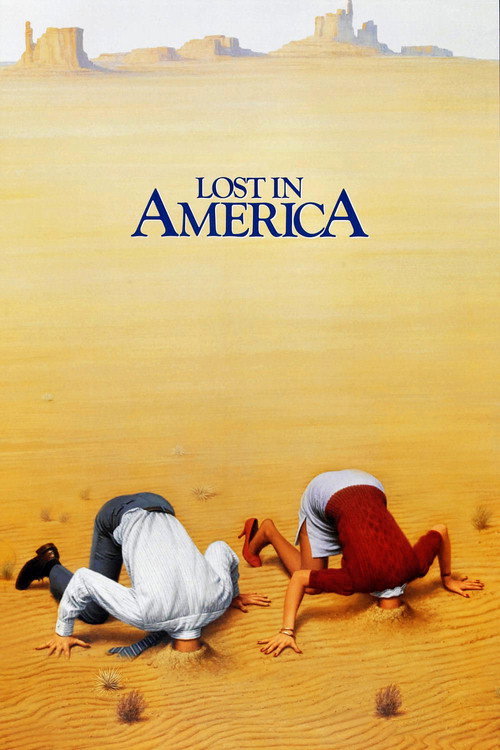
Lost in America1985
Albert Brooks and Julie Hagerty as a couple who abandon their lives for a cross-country adventure. Funny and sad about American restlessness and the gap between fantasy and reality.
But Darker and more cynical than The Long Way Home. The humour is acerbic and the ending is bleak.
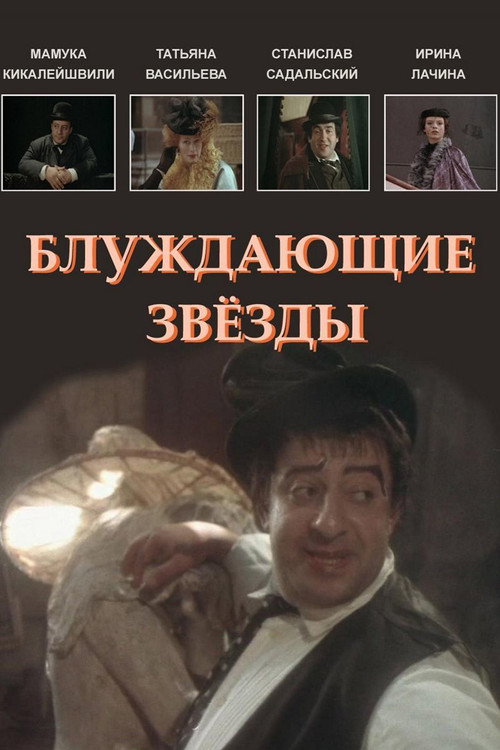
Wandering Stars1991
Same premise almost exactly—mismatched pairing, cross-country journey, the road as self-discovery—but inverts the age dynamic and deepens the romance.
A miniseries about a young woman and an older man who meet on a cross-country journey. Intimate, character-driven storytelling with genuine emotional depth. Hard to find but worth the effort.
But Television from three decades ago feels distant in production values and pacing. Very few people have seen it, so no cultural foothold.
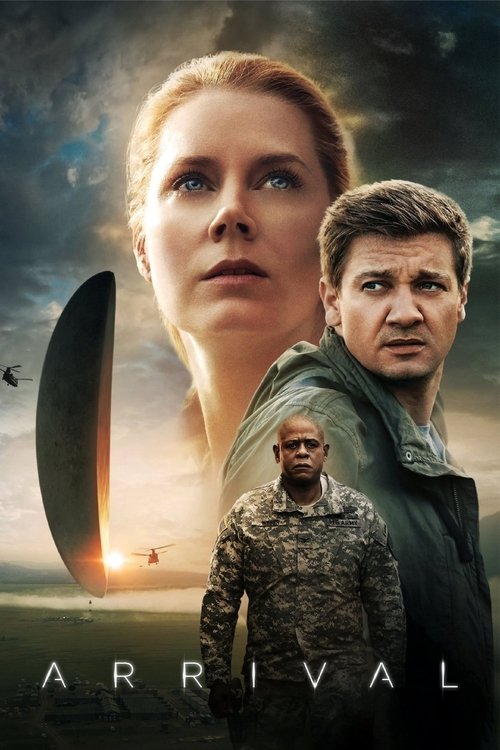
Arrival2016
Both hinge on the idea that time is not linear—that a moment from decades ago can reshape your present self, and that connection transcends chronology.
Science fiction about communication and time. Louise Banks (Amy Adams) is haunted by a 55-year-old memory—the same span Lemmon's character waited to reconnect. A meditation on how the past shapes every moment.
But Slow-burn sci-fi that demands patience. Many find the premise difficult to follow, and the ending divides audiences sharply.
People
Cast
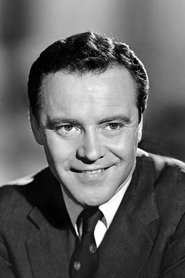 Jack LemmonTom Gerrin
 Sarah PaulsonLeanne Bossert
 Kristin GriffithBonnie Gerrin
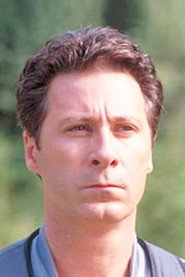 Garwin SanfordKen Gerrin
 Rosemary DunsmoreMrs. Bossert
 Peter DvorskyCraig Bossert
 Tom ButlerPete Gerrin
 James PurcellMarco
 Betty GarrettVeronica
 Eric KeenleysideSheriff Billings
 Peter BryantTrooper
- Ewan 'Sudsy' ClarkHarvey
Directing
- Glenn JordanDirector
Writing
- Louise VincentOriginal Film Writer
- Patrick JamainOriginal Film Writer
- William HanleyTeleplay
Production
- Lawrence TurmanExecutive Producer
- Robert Halmi Sr.Executive Producer
- Glenn JordanProducer