
Film
Days of Waiting: The Life & Art of Estelle Ishigo
- Biopic
- Slow-burning
A 28-minute documentary about Estelle Ishigo, a white woman who chose to be interned alongside her Japanese American husband during WWII rather than abandon him. Through her art and writings, it's an intimate portrait of solidarity, sacrifice, and the cost of principle. For anyone grappling with American history, loyalty under pressure, or how one person's choices ripple through time.
Should you watch it?
Watch it if you care about wartime history told through one stubborn, observant woman's own sketches and letters, and you like documentaries that let a life's art speak as loudly as the archive footage.
Skip it if you want a sweeping, wide-angle account of the internment camps; this is a short, intimate portrait of one person, and its focus is narrow by design.
What it asks of you: Half an hour, quiet and reflective, with a single voice carrying most of it. You'll need to sit with pictures and private papers more than with plot or argument.
Not sure? Find tonight's pick in a minute.
If you liked this
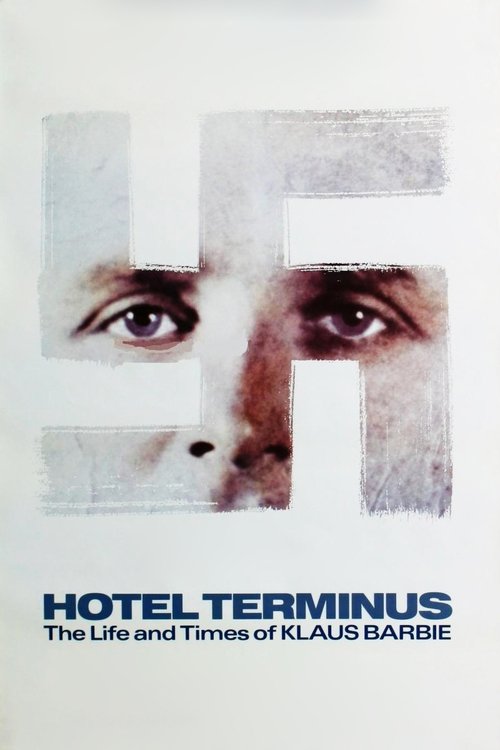
Hôtel Terminus: The Life and Times of Klaus Barbie1988
Meticulously constructed documentary that traces one man's monstrousness across decades and continents, asking hard questions about complicity, memory, and who bears responsibility for atrocity.
But Nearly five hours long and relentlessly heavy; there are no easy answers and the investigation can feel glacial when you want closure.
The Act of Killing2012
Confronts perpetrators of mass violence directly, asking them to reenact their crimes. Unsettling and hypnotic, it creates space for moral reckoning in ways conventional documentaries cannot.
But Deliberately provocative and deeply uncomfortable; some will feel it gives a platform to people who don't deserve one.

Shoah1985
Claude Lanzmann's nine-hour testament to Holocaust survivors and witnesses. Each testimony is a act of preservation and witnessing that feels almost sacred in its commitment to memory.
But The length is real, and Lanzmann refuses conventional documentary shortcuts—you must sit with silence and grief without relief.
Not sure tonight? Get a pick in a minute, starting from Days of Waiting: The Life & Art of Estelle Ishigo
The wildcard
Something you would not have found on your own.
Love and Diane2002
Both films sit quietly with people in impossible situations and document how they endure. Neither looks away, neither simplifies, and both understand that bearing witness is itself a form of love.
A documentary following a mother and daughter through addiction, poverty, and attempts at redemption over many years. It's an intimate act of witnessing ordinary people's extraordinary struggle. Shot with gentleness rather than judgment, it finds dignity in precarity.
But Slow, cumulative, and sometimes difficult to watch; there's no redemption arc that feels earned or complete, which some experience as depressing rather than honest.
More like this (6)
Sans Soleil1983
Chris Marker's essay-film about memory, archipelagos, and what remains. Poetic and formally daring, it uses image and voice to ask what we carry and what we leave behind.
But Deliberately oblique and fragmented; if you want narrative clarity or linear argument, you'll be frustrated.

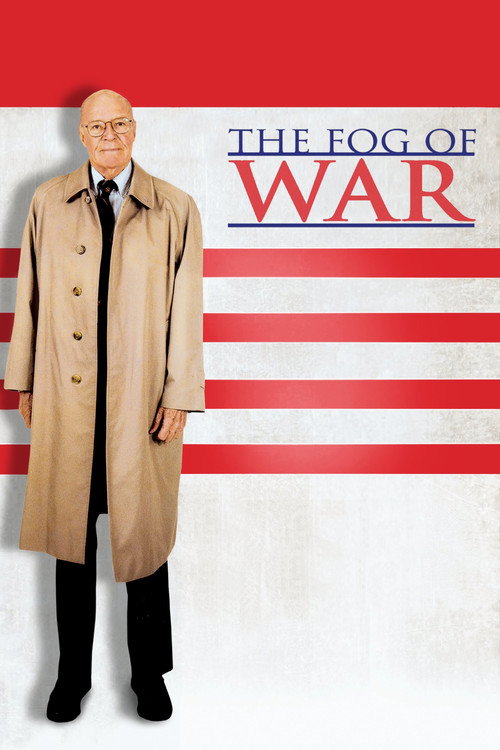
The Fog of War2003
Errol Morris interrogates McNamara about decision-making, moral certainty, and the gap between intention and consequence. Gripping and philosophically serious.
But May feel like it lets a powerful man off too easy; the philosophical distance some viewers want is precisely what others find troubling.
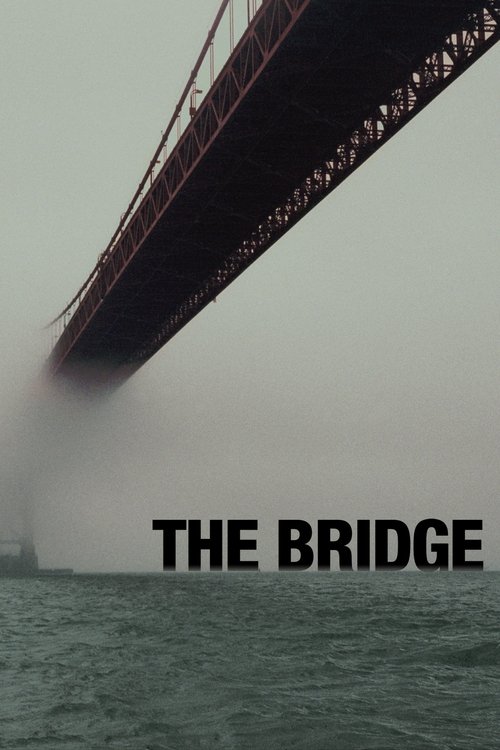
The Bridge2006
Unflinching documentary about suicide at the Golden Gate Bridge. It treats the subject with gravity and humanity, asking how we understand despair and witness.
But Deeply sad and sometimes graphic; not suitable for anyone in crisis, and the premise alone will deter many.
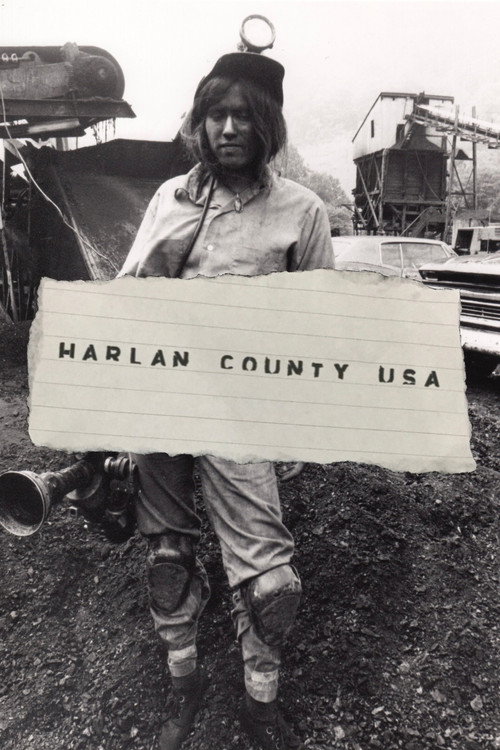
Harlan County U.S.A.1976
Barbara Kopple's immersive account of a coal-mining strike and the women who hold the line. Raw, energetic, and morally clear without being simple.
But The handheld camera work is rough and the audio patchy; it feels like being in the thick of things, which some find exhausting rather than authentic.
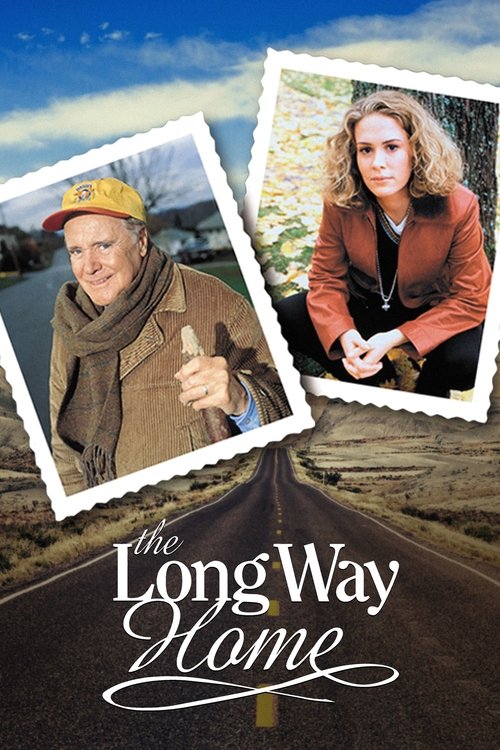
The Long Way Home1998
Both center on people choosing family and loyalty across lines of blood and law, and both ask what society owes to those who refuse to abandon the ones they love.
Documentary about Jewish refugees after the Holocaust—where they could go, who would take them, how nations turned them away. Archival, academic, and deeply moving. Absolutely essential context for understanding post-war displacement and belonging.
But Denser and more historically focused than a character-driven story; if you want individual faces and voices rather than systemic analysis, you'll find it drier.
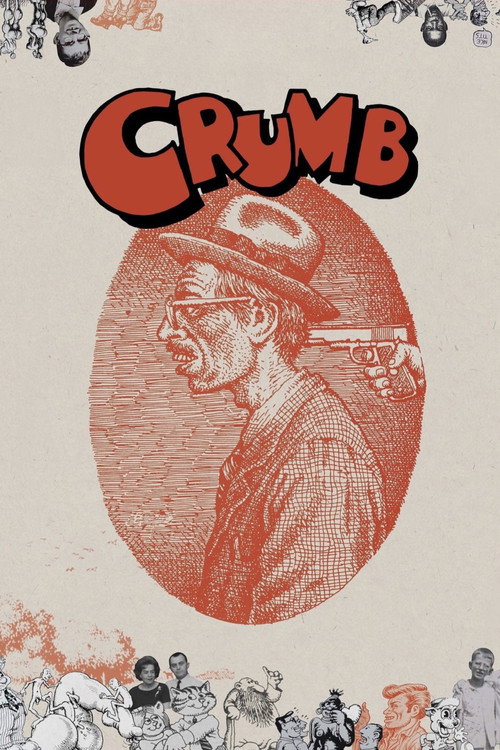
Crumb1995
Both documents use art and creative work as a primary mode of witness and survival—not as escape, but as a way of testifying to what happened and making it bearable.
Intimate portrait of cartoonist Robert Crumb and his traumatized family. It's an unflinching documentary about genius, mental illness, and how art becomes a way to survive. Weird, dark, oddly moving—and utterly gripping.
But Some of Crumb's work and the family's behavior is deeply misogynistic and disturbing; the film doesn't redeem it or explain it away. Viewer discretion essential.
People
Cast
- Dorothy StroupSelf - Narrator
Directing
- Steven OkazakiDirector
Writing
- Estelle Peck IshigoNovel
- Steven OkazakiWriter
Production
- Steven OkazakiProducer
- Zand GeeProducer