
Film
Hôtel Terminus: The Life and Times of Klaus Barbie
- Crime
- Very dark
Marcel Ophüls' four-hour investigation into Klaus Barbie—the Gestapo torturer who murdered thousands in occupied France, then escaped to Bolivia with American assistance. It's a meticulous, almost obsessive reconstruction of complicity, evasion, and reckoning, built from trial testimony, archival footage, and interviews with survivors, perpetrators, and the hunters who finally caught him.
Should you watch it?
Watch it if you want a patient, interview-driven portrait that builds a man out of testimony, archive footage and the reactions of those who lived through his era, and you don't mind sitting with moral discomfort.
Skip it if the running time is a real commitment, the pace is deliberately unhurried, and the grim subject rarely gives way to any lightness, so it can feel like a long siege.
What it asks of you: Roughly four and a half hours split across long interviews, archival footage and a slow accumulation of testimony, with little relief from the grim subject.
Not sure? Find tonight's pick in a minute.
If you liked this
The Act of Killing2012
Werner Herzog-produced documentary where Indonesian death-squad leaders reenact their own mass killings. Like Barbie, it confronts perpetrators with their atrocities and asks the unsettling question: what do monsters see when they look at themselves?
But Nearly four hours, and deliberately repetitive in a way designed to make you uncomfortable. Some will find it exploitative rather than illuminating.

Shoah1985
Claude Lanzmann's nine-hour Holocaust documentary (he appears in Hôtel Terminus). Uncompromising, methodical, and focused entirely on testimony. If you need to understand systematic evil, this is the deepest available well.
But Nine hours. No music, no archival footage—just voices. It demands absolute attention and emotional stamina.

The Killing Fields1984
Narrative film about a journalist and his Cambodian fixer during the Khmer Rouge genocide. It dramatizes what documentary cannot: the human moment before atrocity swallows everything.
But Harrowing, with scenes of real violence and cruelty. Not educational overview; it's visceral trauma.
Not sure tonight? Get a pick in a minute, starting from Hôtel Terminus: The Life and Times of Klaus Barbie
The wildcard
Something you would not have found on your own.
Memories of Murder2003
Both indict systems that protect murderers through paperwork, complicity, and official indifference. Ophüls shows how America and France allowed Barbie to live. This film shows how a nation drowns justice in procedure.
Bong Joon-ho's 1986 Korea crime film: a serial killer investigation where the real culprit is the state itself. Korean, narrative, a genre film. It's atrocity examined through bureaucratic incompetence and institutional evil—systemic rather than personal. Completely different mode, but the same moral center.
But Slow, oblique, sometimes maddening in its refusal to resolve. If you want clear answers, you won't find them.

More like this (2)
The Eichmann Show2015
How the 1961 trial was broadcast to the world—the first televised war-crimes prosecution. It frames Barbie's later trial (1987) as part of a continuous conversation about justice and spectacle.
But Slightly dramatized, which undercuts its own point about trials becoming media events.
The Discreet Charm of the Bourgeoisie1972
Both gaze at how ordinary dinner-table pleasantness coexists with mass death. Ophüls shows the documents; Buñuel shows the dream-logic that makes those documents possible.
Luis Buñuel's surrealist comedy about diplomats and generals trying to share a meal while the world spirals into chaos. It's anarchic, absurdist, and French—nothing like a documentary. But it's a moral investigation of complicity disguised as farce: how do civilized people normalize atrocity?
But It's a puzzle with no answer. If you want clarity, Buñuel offers only style. The politics are embedded, not stated.
People
Cast
 Klaus BarbieSelf
- Marcel OphülsSelf
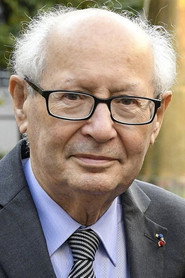 Serge KlarsfeldSelf
 Beate KlarsfeldSelf
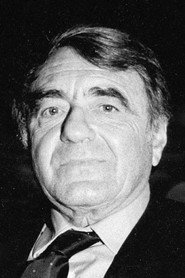 Claude LanzmannSelf

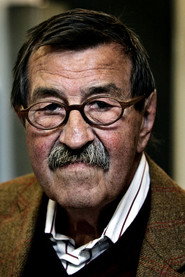 Günter GrassSelf
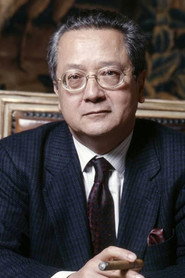 Jacques VergèsSelf
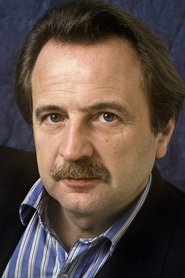 Régis DebraySelf
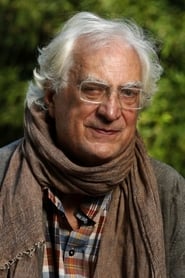
- Raymond AubracSelf
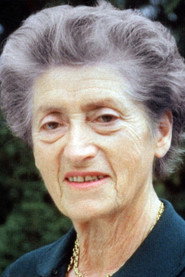 Lucie AubracSelf
Recommended by
Shoah, Days of Waiting: The Life & Art of Estelle Ishigo, Farewell to Manzanar