
Film
Farewell to Manzanar
A 1976 TV drama based on a true memoir: the Wakatsuki family's imprisonment in Manzanar, a Japanese American internment camp during WWII. It's intimate rather than grand, following one family's struggle to maintain dignity and identity through dehumanisation. Quietly powerful, essential viewing on American injustice and resilience.
Should you watch it?
Watch it if you want a quiet, observant family story about how a historical injustice lands on ordinary households, told through small domestic moments rather than spectacle.
Skip it if you need fast plotting or sweeping scale; this is a modest, talky made-for-television production with a deliberate pace and a restrained, unshowy look.
What it asks of you: It asks for two hours of patient attention, with long quiet stretches where the weight comes from faces and silences rather than from events moving briskly forward.
Not sure? Find tonight's pick in a minute.
If you liked this
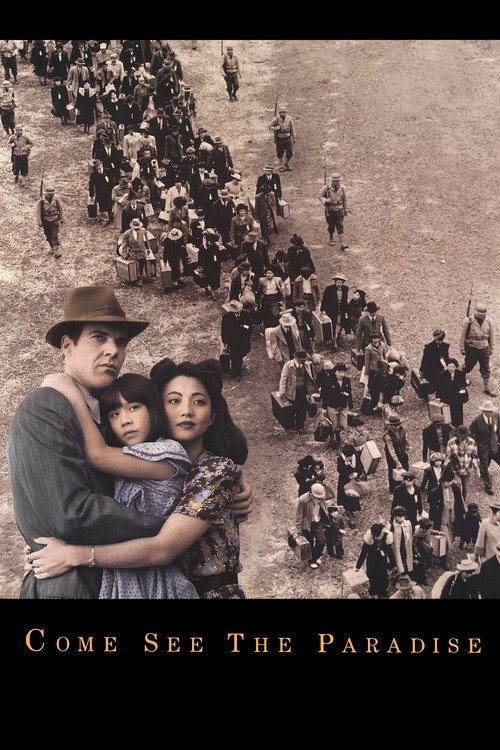
Come See the Paradise1990
A full narrative film about Japanese American internment and its aftermath, centred on a mixed-race couple separated by the camps. Expands the historical scope while maintaining intimate focus on how policy devastates individual lives.
But The romance plot can feel like it's the point, when the internment is. Some find the emotional beats manipulative rather than earned.
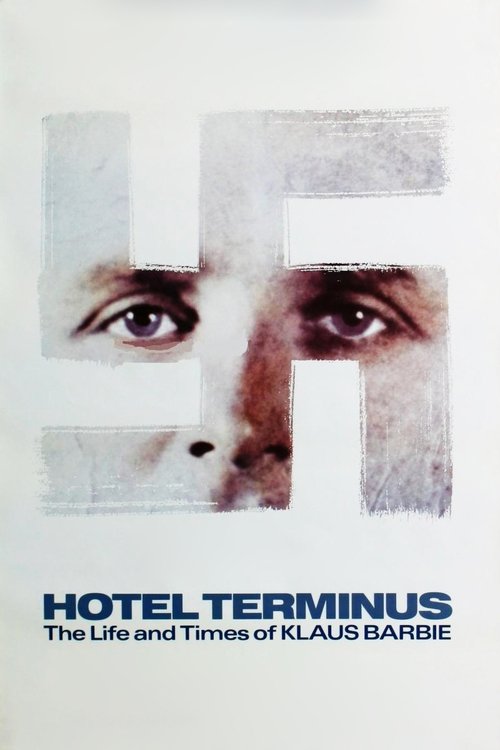
Hôtel Terminus: The Life and Times of Klaus Barbie1988
A four-hour documentary investigation into a Nazi war criminal and the moral failures that allowed him to escape justice. Shares Manzanar's interrogation of how democracies betray their own citizens.
But Extremely long and demanding. The subject is a Nazi, which feels different in tone and scale, even if the structural questions overlap.
Come and See1985
A Soviet WWII film about the psychological destruction of war. Not about internment, but about how systems grind down human beings with the same quiet, inexorable force as Manzanar's daily humiliations.
But Graphically brutal and emotionally punishing. Some of the most difficult wartime imagery on film. Very different register from Farewell to Manzanar.

Not sure tonight? Get a pick in a minute, starting from Farewell to Manzanar
The wildcard
Something you would not have found on your own.
Sans Soleil1983
Both refuse the redemption arc. They show systems persisting and people enduring, without offering false comfort. Both ask: how do we remember what we're asked to forget?
Chris Marker's essay film meditates on memory, displacement, and how we live in history rather than learn from it. Covers Japan, Africa, and political exile. Like Manzanar, it refuses easy catharsis and asks what it means to witness.
But It's a 100-minute essay film with a voiceover and no conventional narrative. It demands active watching and can feel impenetrable if you're not in the right headspace.

More like this (6)
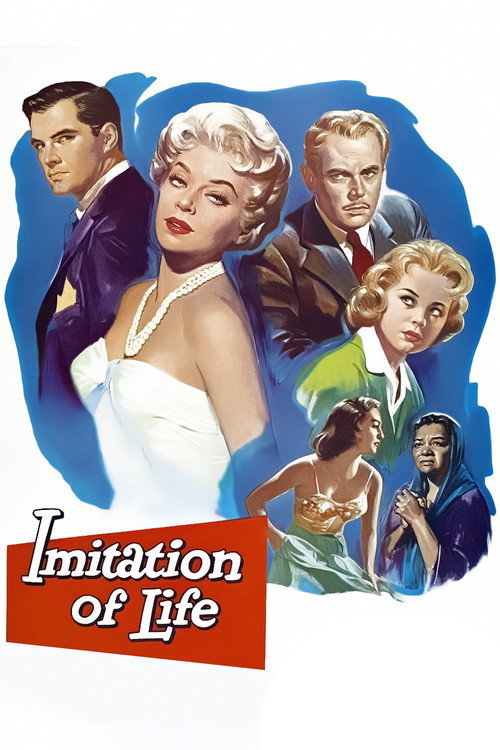
Imitation of Life1959
Douglas Sirk's melodrama about identity, passing, and the American dream's refusal to accommodate certain bodies. Different historical moment, same machinery of exclusion. Sumptuous where Manzanar is spare.
But It's a 1959 Hollywood melodrama in Technicolor. The style is aggressively earnest and might feel dated or overwrought to modern viewers.
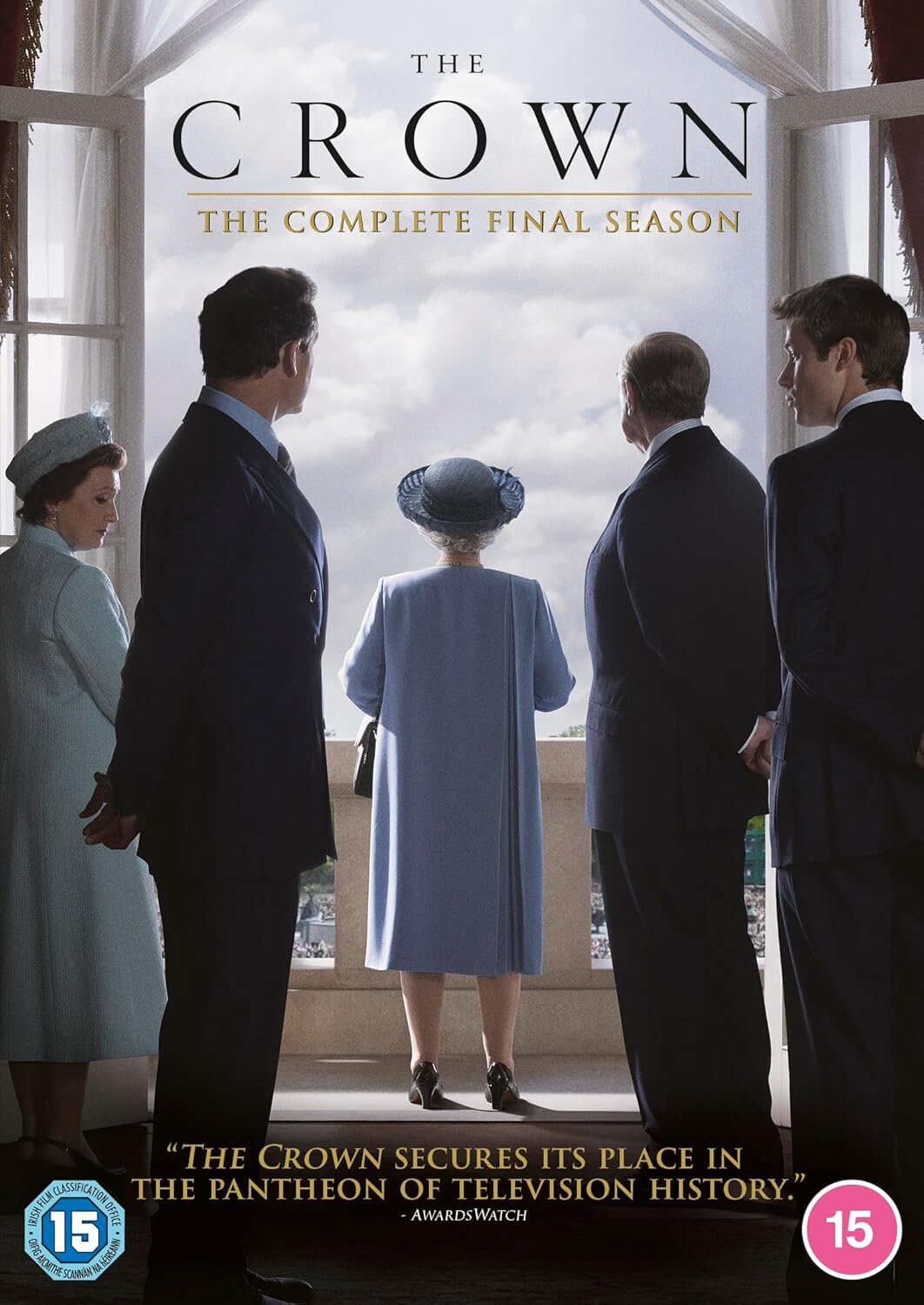
The Crown2016
A series that takes the personal costs of historical systems seriously. Shows how private life gets colonised by political forces beyond individual control. The scope is entirely different but the moral attention is similar.
But Twelve hours minimum and deeply royalist. You're watching people with immense power being sad about their constraints, which is tonally far removed from Manzanar.
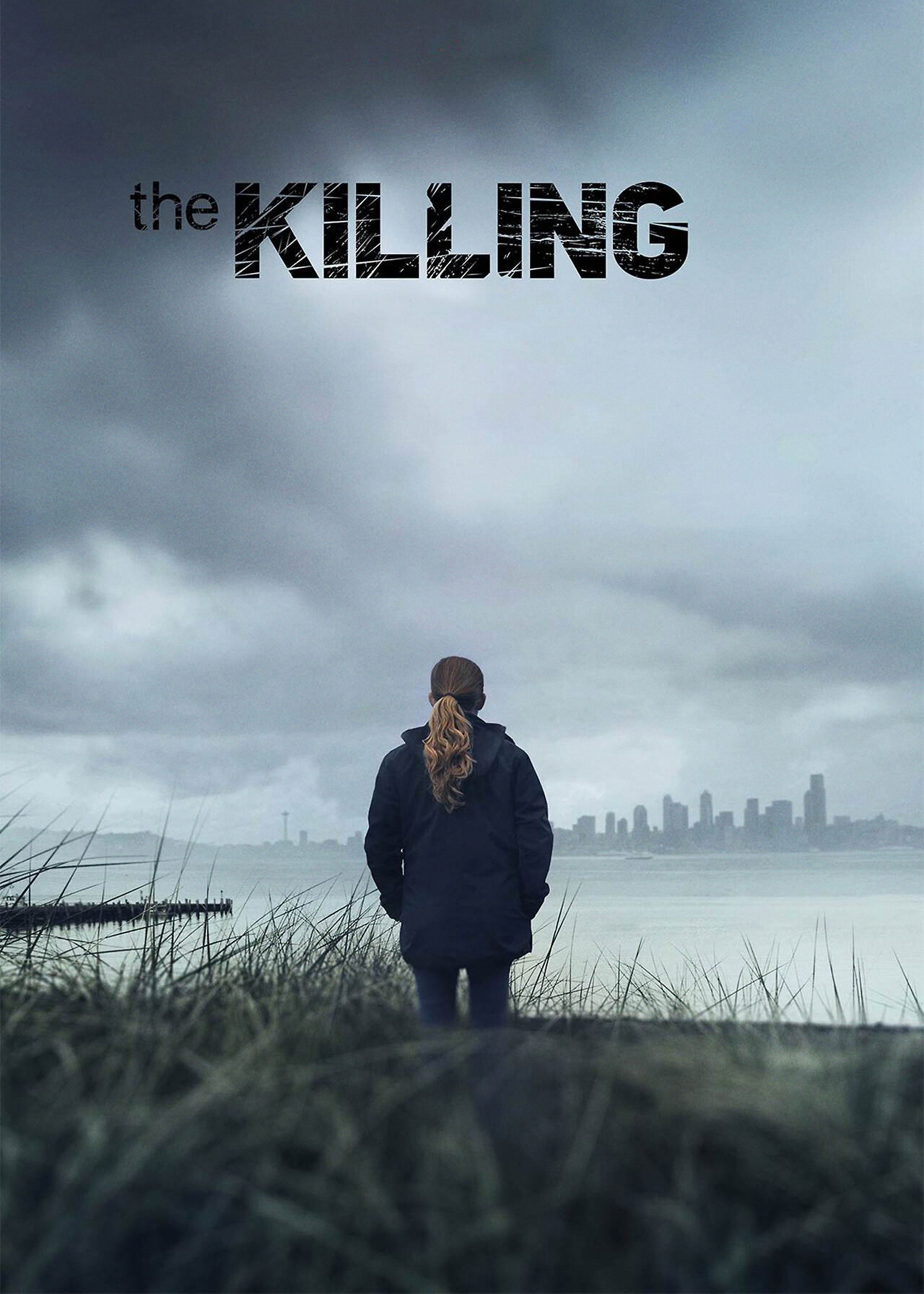
The Killing2011
A Danish series about systems grinding down individuals. Slow, methodical, focused on how bureaucracy and institutional indifference compound grief. Shares Manzanar's patience with difficult emotional truths.
But A murder mystery where the mystery outlasts its emotional payoff. Some find the slowness punishing rather than meditative.
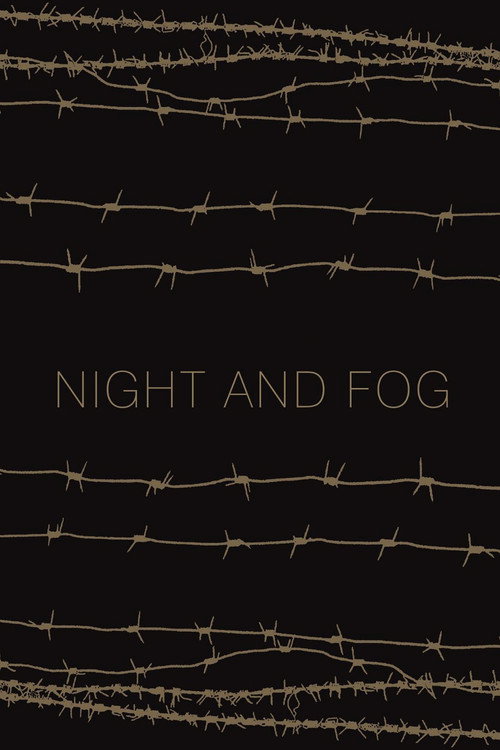
Night and Fog1956
A 32-minute documentary essay on concentration camps. Alain Resnais's masterpiece. If you need to understand what it means to document atrocity with gravity and without spectacle, this is the film.
But Very short and very heavy. The subject is the Holocaust. It's also from 1956 and in French, so even seeing it requires effort.
In the Mood for Love2000
Both films trust that the inability to speak, touch, or escape is itself the story. Beauty and dignity are found in constraint, not despite it.
Wong Kar-wai's film about two neighbours in 1960s Hong Kong, shot in jewel-box colours and measured glances. It's about confinement—spatial, emotional, social—and the grace people find in impossible circumstances. Utterly different genre; identical core.
But Two hours of almost nothing happening, visually gorgeous but narratively spare. Plot moves at one frame per hour. If you need forward momentum, you'll rage at it.

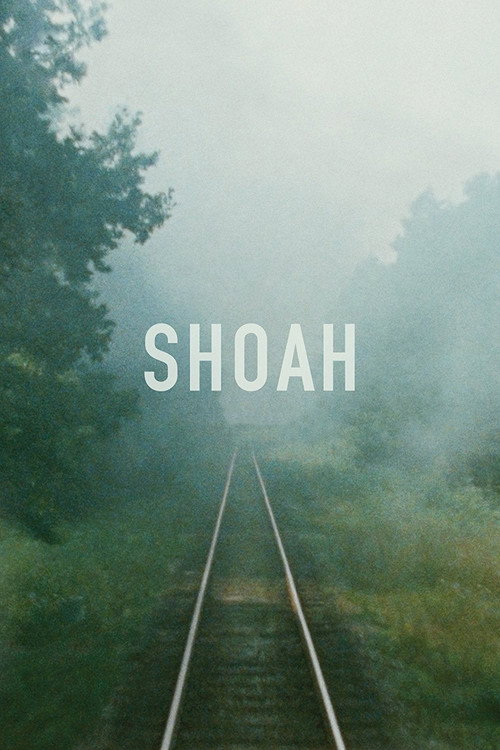
Shoah1985
Both insist that what happened must be witnessed by someone who wasn't there. Both understand that the archive is not enough—you must hear the voice, see the face, sit in the presence of survival.
Claude Lanzmann's nine-hour documentary interviews survivors and perpetrators of the Holocaust in real time, without archival footage. It's about testimony and the impossibility of ever truly witnessing what happened. Farewell to Manzanar's moral project at maximum scale and intensity.
But Nine hours. The Holocaust. Long silences. People crying. If you need a film that resolves or comforts, this will break you instead. One of cinema's most demanding works.
People
Cast
 Yuki ShimodaKo Wakatsuki
 Nobu McCarthyMisa / Jeanne Wakatsuki
- Dori TakeshitaYoung Jeanne
- Akemi KikumuraKoro
 Clyde KusatsuTeddy Wakatsuki
 MakoFukimoto
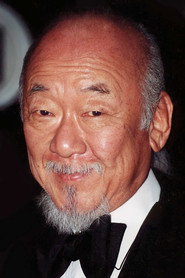 Pat MoritaZenahiro
 James SaitoRichard Wakatsuki
- Momo YashimaAlice
Directing
- John KortyDirector
Writing
- James D. HoustonWriter
- Jeanne HoustonWriter
- John KortyWriter