
Film
The Eichmann Show
A tense, deliberately unglamorous account of how a producer and a blacklisted director fought broadcasters, censors, and their own crew to put the 1961 Eichmann trial on television, splicing real courtroom footage into the drama behind the cameras. It's less about the trial's verdict than about the ethics of watching — procedural, morally serious, built for history and media buffs rather than thrill-seekers.
If you liked this
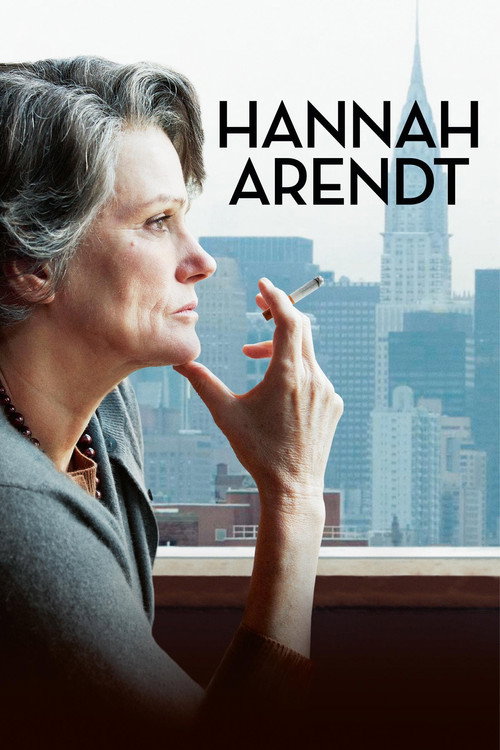
Hannah Arendt2012
Follows the same 1961 trial from across the courtroom, through the eyes of the philosopher who coined 'the banality of evil' — a fierce companion piece about how one event splits into two moral worlds.
But It's a chamber drama of ideas — cigarettes, typewriters, and argument — with almost no courtroom footage of its own.
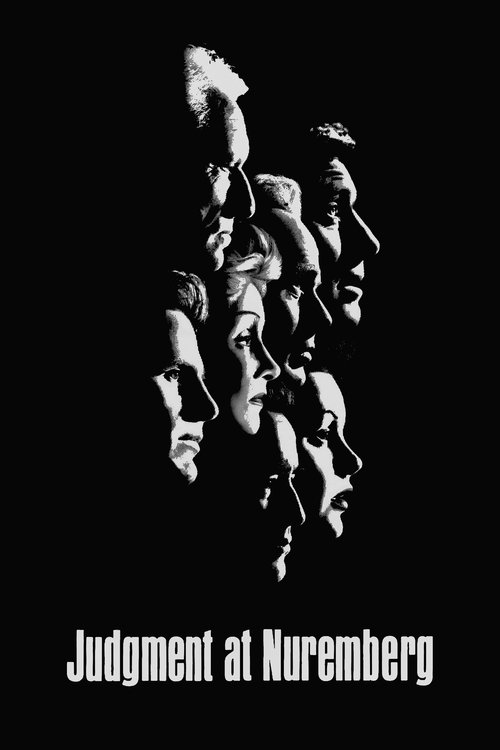
Judgment at Nuremberg1961
Spencer Tracy presides over a three-hour reckoning with collective guilt, decades before anyone thought to televise a war-crimes trial — the film that proved courtroom drama could carry the full weight of genocide.
But Stately, speechy, and unhurried even by 1961 standards — this is theatre on film, not procedural tension.
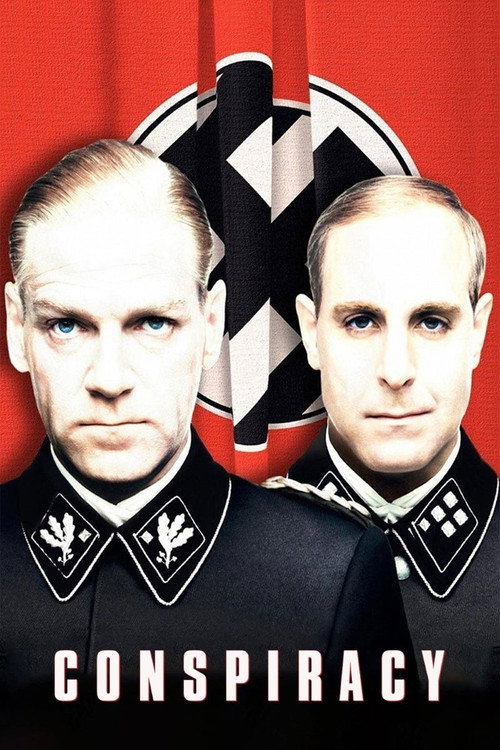
Conspiracy2001
Kenneth Branagh's Heydrich chairs the Wannsee Conference where the Final Solution gets rubber-stamped over cocktails and canapés — a horror movie disguised as an office meeting, and just as gripping.
But One room, one afternoon, all dialogue — there's no verdict, no release, just the machinery closing in.
The wildcard
Something you would not have found on your own.
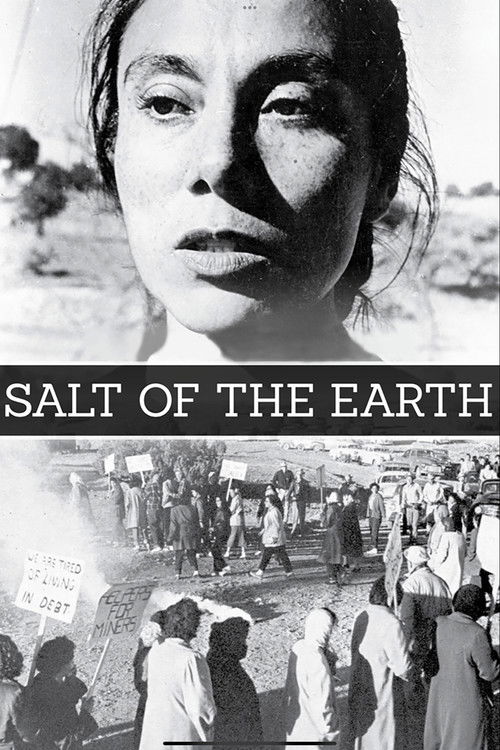
Salt of the Earth1954
Leo Hurwitz was blacklisted for over a decade before he was allowed to direct the Eichmann broadcast. Salt of the Earth was made by that same generation of blacklisted talent, shut out of Hollywood and shooting anyway — the other side of that fight, a decade earlier.
Made by blacklisted filmmakers using non-professional actors and borrowed equipment, this drama about a miners' strike is a defiant act of independent filmmaking under the exact political pressure Leo Hurwitz spent a decade living under.
But Rough, low-budget, and openly didactic — this is agitprop cinema, not polished drama, and it shows its seams.
More like this (8)
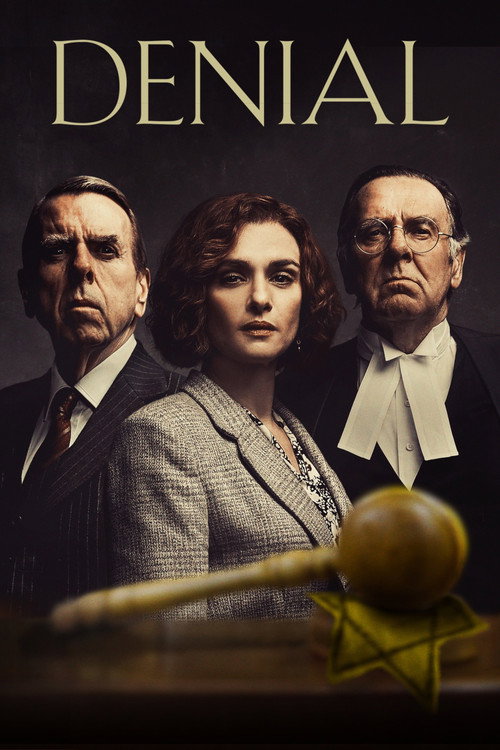
Denial2016
Deborah Lipstadt fights a libel case brought by a Holocaust denier, and has to decide whether survivor testimony belongs in a courtroom built for legal precision rather than emotional truth.
But A legal-strategy drama more than a courtroom showdown — restraint is the whole point, which some will find frustrating.
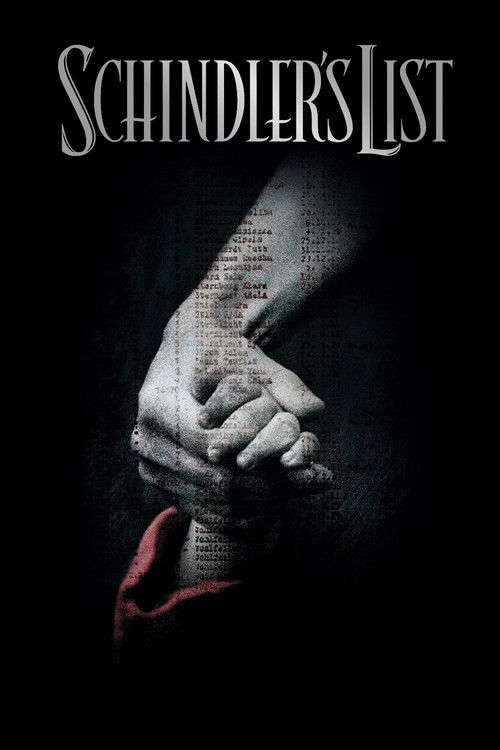
Schindler's List1993
The film everyone means when they say Holocaust cinema — vast, devastating, and still the reference point every other attempt gets measured against, for good reason.
But Three hours long, harrowing by design, and so famous you may already feel you've seen it.
The Reader2008no page yet
A postwar love affair curdles into a reckoning with complicity, asking what ordinary people did or didn't understand about their own crimes — quieter and more uncomfortable than a trial drama.
But Some found its framing of guilt-through-romance queasy rather than illuminating; it's divisive for a reason.
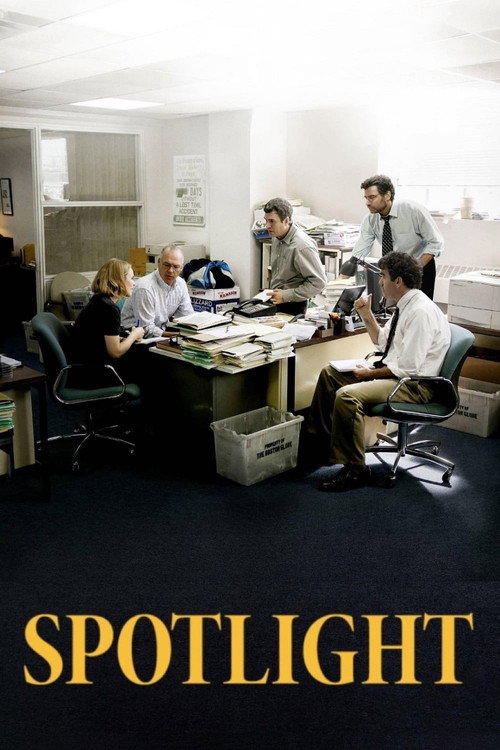
Spotlight2015
Journalists piece together an institutional cover-up story by story, phone call by phone call — the same unglamorous, procedural faith that bearing witness properly actually matters.
But No courtroom, no Nazis, no historical distance — it's about the Catholic Church, decades later and closer to home.
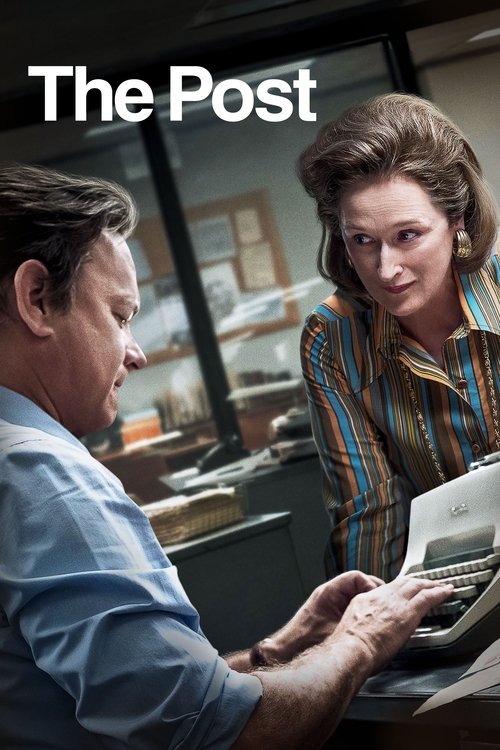
The Post2017
A newsroom decides whether to publish what the government wants buried, weighing the same question The Eichmann Show asks about broadcasters: what do we owe the public, whatever the cost.
But Spielberg in comfortable, handsome mode — you know exactly how nobly this one is going to end.
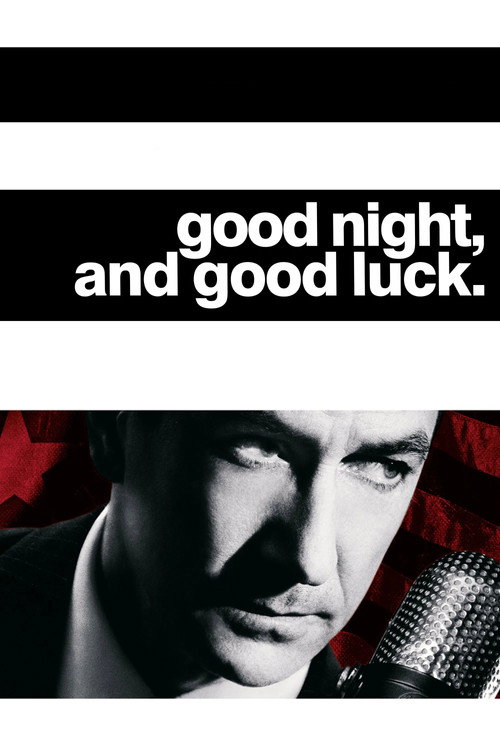
Good Night, and Good Luck.2005
Edward R. Murrow takes on McCarthy live on air, in the same black-and-white, chain-smoking, early-television world The Eichmann Show recreates — a companion piece about broadcasting's power to hold power accountable.
But Talky and stagey, and it assumes some appetite for 1950s American broadcast politics going in.
Shoah1985
The Eichmann Show is about the ethics of putting testimony on screen. Shoah is what that instinct looks like taken to its absolute, patient extreme — no drama, no actors, just the raw material the trial's broadcasters believed an audience needed to see.
Claude Lanzmann's nine-and-a-half-hour documentary refuses reenactment, music, or archival footage entirely — just survivors, perpetrators, and bystanders talking, decades later, in the exact places it happened. Nothing else comes close.
But Nine and a half hours with no narration and no relief — this demands a level of commitment most evenings can't offer.
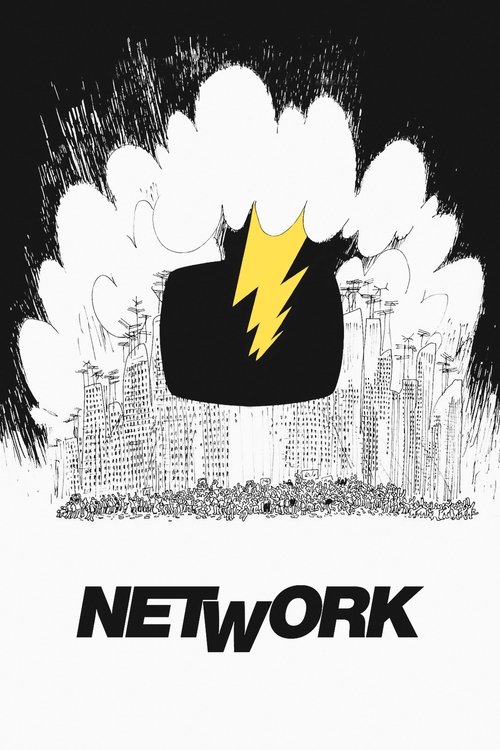
Network1976
The Eichmann Show trusts television to make an audience confront horror responsibly. Network is the cynical rebuttal, made twenty years later: the same medium discovering it can turn anguish into entertainment and simply does. Same instrument, opposite faith.
A savage satire about television discovering that despair makes great ratings — the funhouse-mirror version of everything The Eichmann Show believes about broadcasting's power to make people watch and feel something real.
But Loud, cynical, and deliberately over the top — the opposite mood entirely if you're after solemn history.
People
Cast
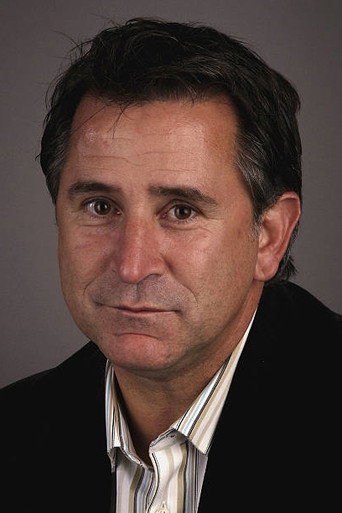 Anthony LaPagliaLeo Hurwitz
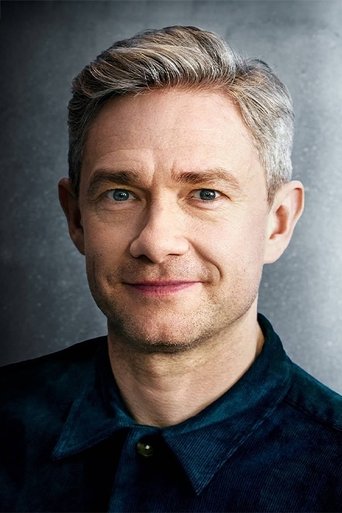 Martin FreemanMilton Fruchtman
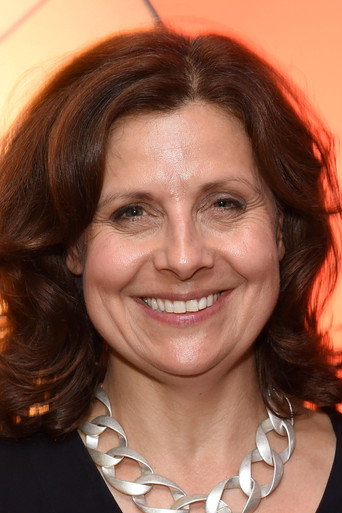 Rebecca FrontMrs Landau
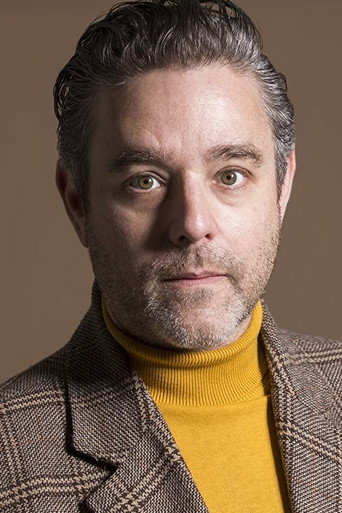 Andy NymanDavid Landor
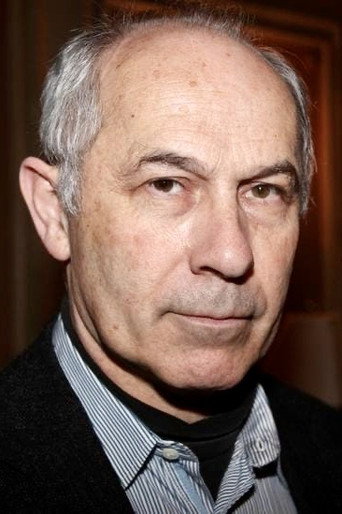 Nicholas WoodesonYaakov Jonilowicz
 Ben AddisRon Huntsman
 Samuel WestNarrator
- Caroline BartleetJudy Gold
 Morwenna BanksFemale Translator (voice)
 Ed BirchMillek Knebel
 Zora BishopEva Fruchtman
 Dylan EdwardsRoy Sedwell
Directing
- Paul Andrew WilliamsDirector
Writing
- Simon BlockWriter
Production
- Julie HarkinCasting
- Laurence BowenProducer
Recommended by
The Devil Next Door, Operation Finale, Obedience, Experimenter