
Film
The Bridge
Other titles called The Bridge: the 1959 film, the 2010 series (CTV), the 2013 series (FX).
- Horror
- Very dark
The Bridge is a documentary about suicide at the Golden Gate Bridge, filmed over a year as the director positioned cameras to capture people jumping. It intersperses these stark moments with interviews from families and friends, creating a portrait of grief and the lives behind statistics. For those ready for unflinching confrontation with a public health crisis, it's essential and devastating.
Should you watch it?
Watch it if you want a patient, serious look at a public tragedy through the memories of those left behind, and you can sit with grief without needing it resolved into a lesson.
Skip it if you want stylistic daring or narrative drive; this is mostly talking heads and bleak subject matter with little formal invention, so its pull depends entirely on the testimony.
What it asks of you: Its ninety-three minutes stay close to the interviewees at an unhurried pace, requiring steady attention and a willingness to sit in prolonged sorrow with little relief.
Not sure? Find tonight's pick in a minute.
If you liked this
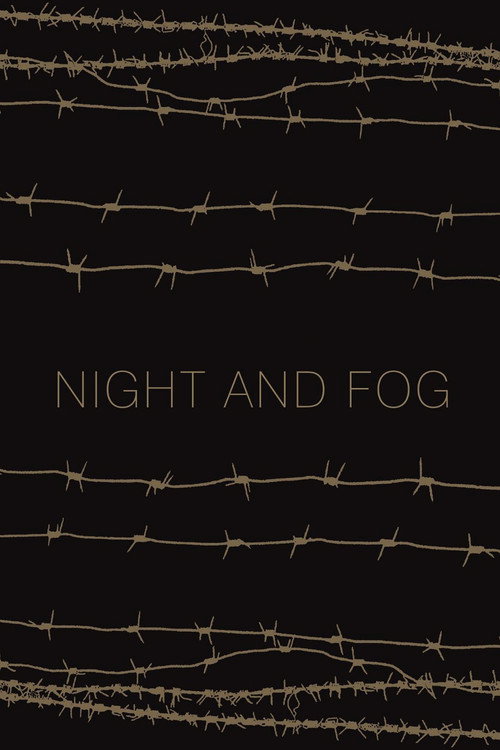
Night and Fog1956
Alain Resnais's Holocaust documentary established how to witness atrocity with moral weight. Using archival footage and present-day imagery, it honors the dead by refusing to look away or sensationalize. Essential viewing on bearing witness.
But It's relentlessly bleak and the formal distance won't soften the horrors. Some find the philosophical narration can feel distancing rather than deepening.
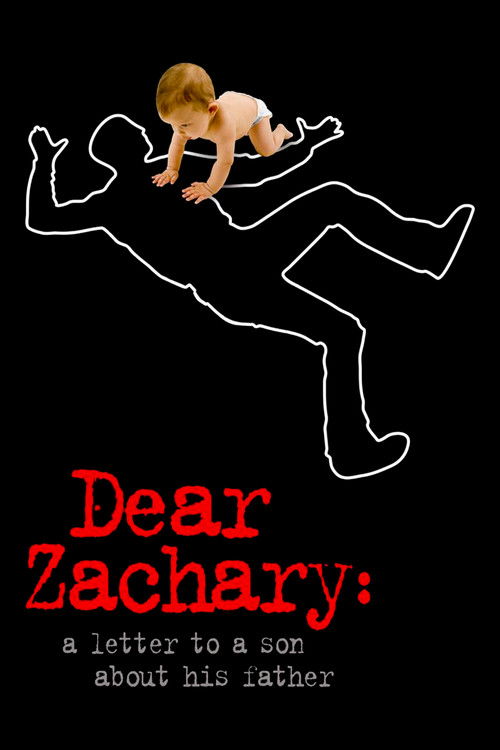
Dear Zachary: A Letter to a Son About His Father2008
A documentary about a murdered friend told through letters, it becomes an increasingly powerful investigation. Like The Bridge, it places real grief at the center and asks difficult questions about how we remember the dead.
But The emotional manipulation is deliberate and intense. Its structure, while brilliant, trades some subtlety for maximum impact.
The Act of Killing2012
Joshua Oppenheimer documents Indonesian mass murderers reenacting their crimes. It's haunting in how it reveals psychological truth through performance, forcing viewers to sit with moral complexity and the humanity of perpetrators.
But It's often unwatchable. The casual cruelty and the filmmaker's refusal to judge directly can feel complicit if you're not prepared for that approach.

Not sure tonight? Get a pick in a minute, starting from The Bridge
The wildcard
Something you would not have found on your own.
Sans Soleil1983
Both films reject conventional narrative closure about suffering. They honor the dead and the grieving by preserving ambiguity and refusing easy meaning-making.
Chris Marker's essayistic documentary is formally experimental and philosophically searching—it's about memory, death, and how we see the world through fragmented images. Like The Bridge, it holds contradictions without resolving them, and trusts you to feel rather than conclude.
But It's challenging and deliberately obscure. The form is digressive, the narration is cryptic, and it demands active engagement rather than easy understanding.

More like this (7)
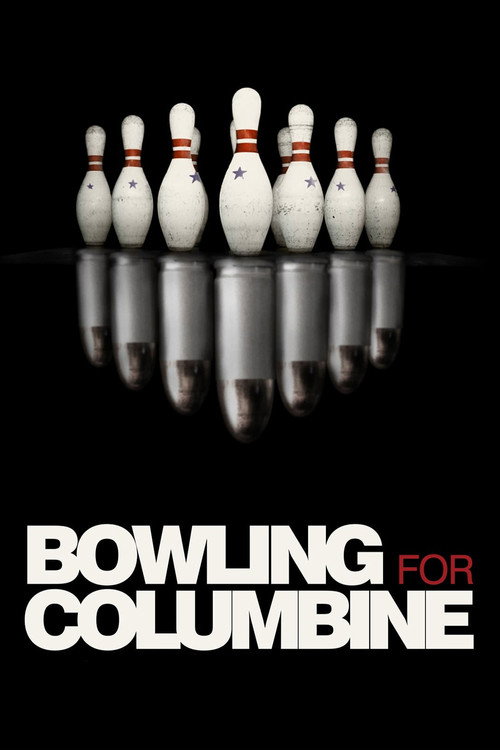
Bowling for Columbine2002
Michael Moore investigates gun violence and American culture through personal stories and public records. It's angry and well-structured, making complex social questions accessible without losing their weight.
But Moore's tactics are often cheap—confrontational ambush journalism that plays for audience applause. The editing can distort arguments as much as it clarifies them.
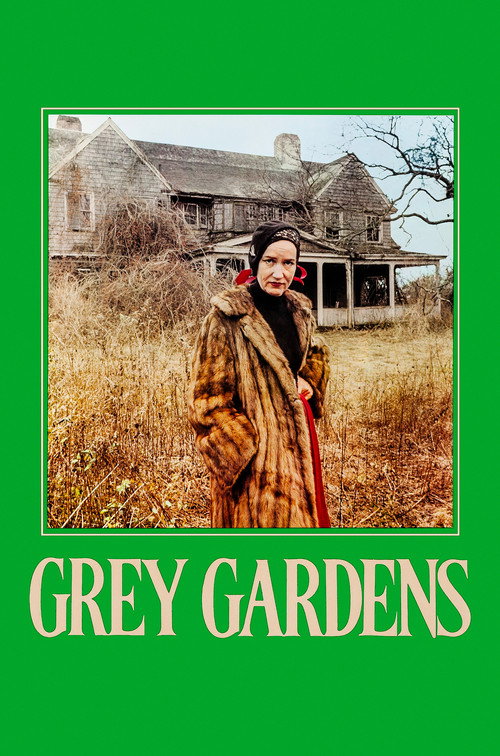
Grey Gardens1976
The Maysles brothers' portrait of two reclusive women in a crumbling mansion is darkly funny and deeply tragic. It's observational in a way that reveals both dignity and damage in the same moment.
But It's uncomfortable—you're watching people in crisis with limited consent or judgment. The humor can feel like watching someone suffer.
The Thin Blue Line1988
Errol Morris investigates a wrongful conviction through interviews and stylized reenactments. It's a procedural and a moral argument, proving documentary can be both intellectually rigorous and emotionally urgent.
But The aesthetics can overshadow the injustice. Some find the reenactments distancing rather than clarifying, or see the score as manipulative.
Crumb1995
Terry Zwigoff's portrait of cartoonist Robert Crumb is unflinchingly honest about genius, damage, and obsession. It asks hard questions about whether brilliant work excuses a difficult person, and finds no easy answers.
But It's uncomfortable and sexually frank. Crumb himself is abrasive and misogynistic, and Zwigoff refuses to soften that for narrative comfort.
Grizzly Man2005
Werner Herzog examines Timothy Treadwell, a man killed by bears after living among them. It's both fascinating and tragic, asking what drives someone to court danger and what we're searching for in the wilderness.
But Herzog's philosophical digression can feel self-indulgent. Some viewers find the bear footage gratuitous or the tone oddly detached from real suffering.
Synecdoche, New York2008
Both use artifice and distance to convey intimate pain. They're skeptical of resolution and understand that some griefs don't resolve; they just become part of you.
Charlie Kaufman's narrative film is really a documentary of grief, loneliness, and the terror of unraveling—a man builds a life-sized replica of New York inside a warehouse as everything collapses around him. It captures psychological truth through surrealism instead of interviews.
But It's deliberately confusing, repetitive, and depressing. Many find it self-indulgent and exhausting rather than enlightening.

Come and See1985
Both are about bearing witness to tragedy without mediation or comfort. They refuse the viewer a safe distance and ask whether looking unflinchingly is itself an act of respect.
Elem Klimov's Belarusian war film follows a boy through Nazi occupation with formal restraint and devastating sensory detail. It's a documentary impulse expressed through fiction—it insists you witness brutality and young death without looking away or flinching.
But It's one of the most harrowing films ever made. The violence is graphic and the despair is total. This is not entertainment or catharsis; it's an endurance test of your own conscience.

People
Cast
- Eric GeleynseSelf
- Susan GinwallaSelf
- Gene SpragueSelf
- Rachel MarkerSelf
- Tara HarrellSelf
- Lyle SmithSelf
- Dave WilliamsSelf
- Wally ManikowSelf
- Mary ManikowSelf
Directing
- Eric SteelDirector
Production
- Eric SteelProducer
Recommended by
Free Solo, Robin Williams: Come Inside My Mind, Erasing Hate, Extremis, Charlie Victor Romeo, Days of Waiting: The Life & Art of Estelle Ishigo, Boy Interrupted, Web Junkie, Roadrunner: A Film About Anthony Bourdain, City 40