
Film
Erasing Hate
A documentary following Bryon Widner, a former white supremacist, as he undergoes painful laser removal of his extensive hate tattoos. It's an unflinching portrait of radicalization, redemption, and the physical cost of leaving extremism behind. The film doesn't offer easy answers or neat closure—just an honest look at whether change is possible when your past is written on your skin.
Should you watch it?
Watch it if you want a documentary that stays close to one man's body and conscience, where the physical cost of leaving a movement is shown plainly rather than argued about.
Skip it if you are looking for a broad look at white supremacy as a movement, since this stays with one man and his treatments, and its pace is deliberate.
What it asks of you: Ninety-one minutes of patient, close observation, mostly quiet and unhurried, with pain shown in real time and little comic relief to lean on.
Not sure? Find tonight's pick in a minute.
If you liked this
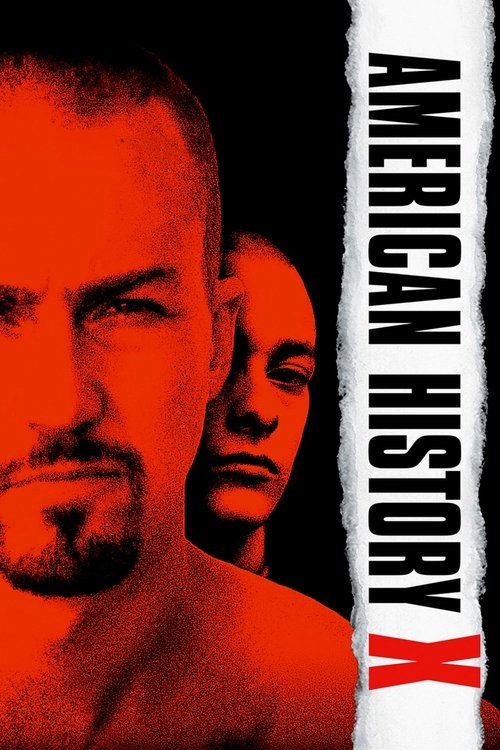
American History X1998
A brutal examination of white supremacist radicalization and its consequences. Edward Norton's performance and the film's unflinching depiction of hatred and its reverberations will haunt you in ways that deepen Widner's story.
But Extremely violent and deliberately provocative. Some scenes exist to disturb rather than entertain, which can feel like punishment to sit through.
The Autopsy of Jane Doe2016
Like Erasing Hate, this is a film about examination—literal and psychological. It builds dread and moral complexity in a confined space with minimal characters, making every moment count.
But A horror film, not a documentary. If you're seeking real-world substance over genre thrills, the supernatural framing may feel like a dodge.

Winter on Fire: Ukraine's Fight for Freedom2015
A documentary that captures radicalization in reverse—ordinary people becoming activists. Like Widner's story, it's about transformation under pressure, but collective rather than individual.
But Focuses on geopolitics and mass movements rather than intimate personal change. Less about internal struggle, more about external conflict.

Not sure tonight? Get a pick in a minute, starting from Erasing Hate
The wildcard
Something you would not have found on your own.
Moonlight2016
Both examine how identity becomes inscribed on and in the body, and the courage required to rewrite it. But where Widner's story is about actively erasing what he chose, Moonlight is about a man learning to claim what was forced upon him.
Three chapters of a Black man's life shaped by circumstance, masculinity, and the roles others assign him. Like Widner's story, it's about identity as something imposed and then reclaimed—but from the opposite end of power.
But Quiet, poetic, and structurally unconventional. If you want clear narrative momentum, this moves like memory, not plot.

More like this (7)
The Act of Killing2012
Confronts perpetrators of atrocity with their own past. Like Erasing Hate, it asks whether someone who committed horrors can acknowledge and process what they've done.
But Longer, slower, and more philosophically unsettling. Some find its approach to perpetrators exploitative rather than illuminating.

Skin in the Game2014
Directly addresses tattoo removal as a path out of extremism. A natural companion piece that explores similar ground through different subjects and approaches.
But Less polished production quality. Feels more like a shorter educational piece than a fully realized documentary feature.

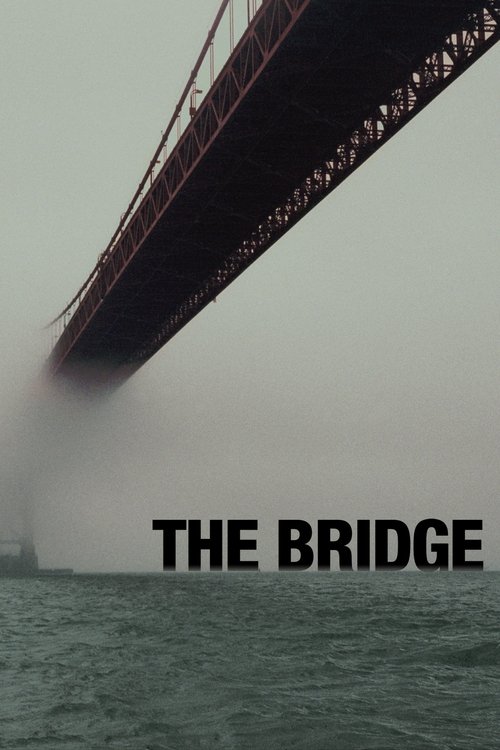
The Bridge2006
An intimate, difficult portrait of suicide at the Golden Gate Bridge. Like Erasing Hate, it refuses to look away from pain and doesn't offer false comfort.
But Deeply depressing. Some shots are genuinely disturbing, and the film never pivots toward hope or resolution.
Ghostland2018
An experimental doc that deconstructs mythology around the American South. Thematically connected to how Widner's story challenges myths about redemption and transformation.
But Abstract and fragmented. If you want a linear narrative with clear emotional beats, this will frustrate you.

Tickled2016
Starts as comedy, becomes an investigation into exploitation and control. Demonstrates how quickly someone can be drawn into an identity not their own—a mirror to radicalization.
But The subject matter becomes genuinely creepy. Some viewers find the doc itself complicit in the exploitation it exposes.

Requiem for a Dream2000
Both unflinch when showing how an ideology or addiction becomes your entire world, and how the body keeps the score. But Requiem offers no redemption, making Widner's effort to change feel even more significant by contrast.
A descent into addiction and obsession told with visual poetry and horror. It captures the same relentless, inescapable logic that radicalization can have—and the toll of trying to escape it.
But Stylistically punishing and emotionally devastating. Darren Aronofsky uses technique as assault; many find it unwatchable rather than illuminating.

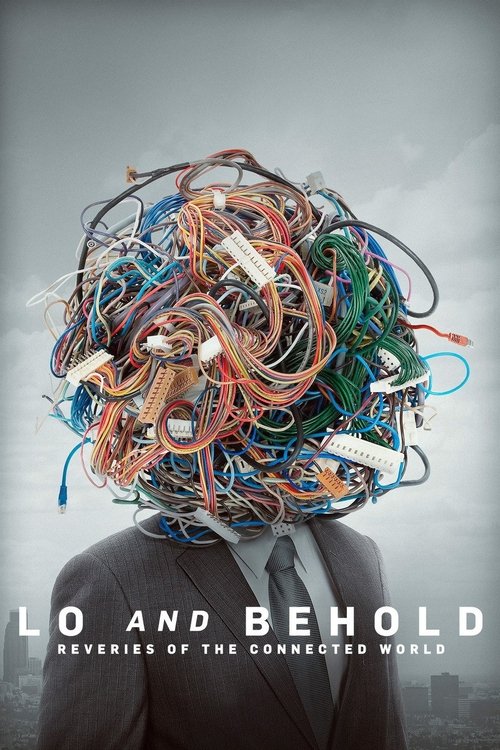
Lo and Behold: Reveries of the Connected World2016
Both ask how systems (tattoo culture, online radicalization networks) become part of your identity, and what it costs to step outside them. Herzog finds poetry in that question; Erasing Hate finds it in lasers and pain.
Werner Herzog's documentary essay on the internet and human connection. Seemingly unrelated to Widner until you realize both are about infrastructure—physical and digital—that shapes who we become.
But Philosophically wandering and sometimes whimsical. If you want focused narrative, Herzog's essayistic approach will feel digressive.
People
Cast
- Bryon WidnerHimself