
Film
Lo and Behold: Reveries of the Connected World
- Slow-burning
Werner Herzog turns his visionary eye on the internet itself, seeking philosophical meaning in our web of connection. He interviews prophets and pioneers—Elon Musk, Lawrence Krauss, early architects—while finding both wonder and dread in how technology has rewired us. It's meditative, occasionally unsettling, and gloriously strange.
Should you watch it?
Watch it if you enjoy Herzog's restless, curious interviewing style and want big questions about machines and humanity delivered with dry wit rather than a tidy lecture.
Skip it if you want a focused history or a hard-hitting investigation, since this drifts across topics and leans on a few famous voices rather than deep reporting.
What it asks of you: A loose, wandering shape of about an hour and a half, with long conversations and fragments that rarely stay on one thread, so it rewards patience more than focus.
Not sure? Find tonight's pick in a minute.
If you liked this
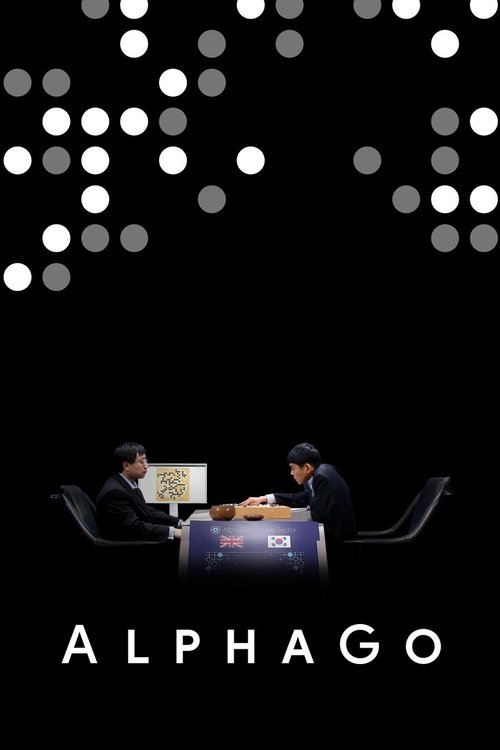
AlphaGo2017
A documentary that finds poetry in artificial intelligence's leap into mastery. It captures the tension between human intuition and machine learning with real dramatic stakes and philosophical weight.
But If you want a beginner-friendly explainer, this assumes some comfort with complex game theory and technical concepts.
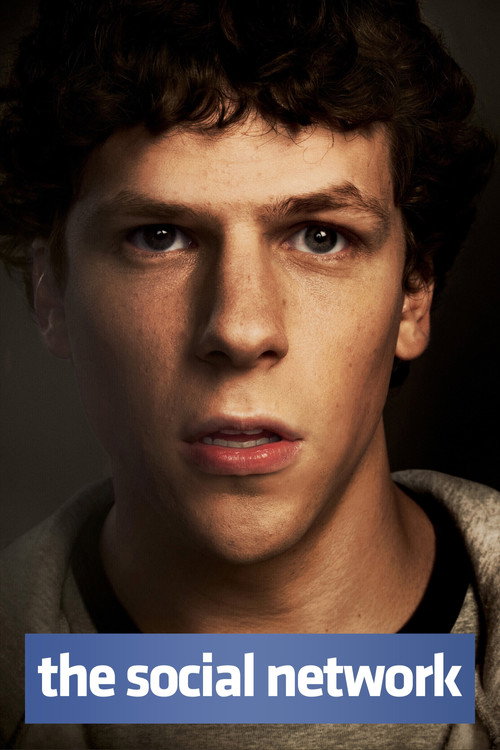
The Social Network2010
Sorkin's sharp, propulsive script captures the idealism and ego driving tech's rise. It's a portrait of how the internet reshapes human connection—exactly Herzog's obsession, but as crackling drama instead of meditation.
But It's a narrative fiction, not documentary, so it invents scenes and compresses history in service of drama rather than truth.
All Watched Over by Machines of Loving Grace2011
Adam Curtis's three-part essay film shares Herzog's philosophical unease. It traces how cybernetics and the internet were supposed to liberate us, then quietly examines what actually happened instead.
But Curtis's style is deliberately slow and associative. If you want clear answers rather than atmospheric questioning, it will frustrate you.
Not sure tonight? Get a pick in a minute, starting from Lo and Behold: Reveries of the Connected World
The wildcard
Something you would not have found on your own.
Synecdoche, New York2008
Both are metaphysical investigations of presence and connection disguised as stories about systems. Herzog asks if the internet truly connects us; Kaufman asks if art or recreation can ever really make us known to each other.
Charlie Kaufman's fever dream about a man building a replica of the world inside a warehouse. Like Herzog, it's obsessed with the nature of connection and whether we can truly know or represent reality. Completely different in mood—desperate, weird, exhausting—but philosophically adjacent.
But It's aggressively surreal and emotionally draining. If you want clarity or catharsis, this withholding, maze-like film will leave you frustrated.

More like this (5)
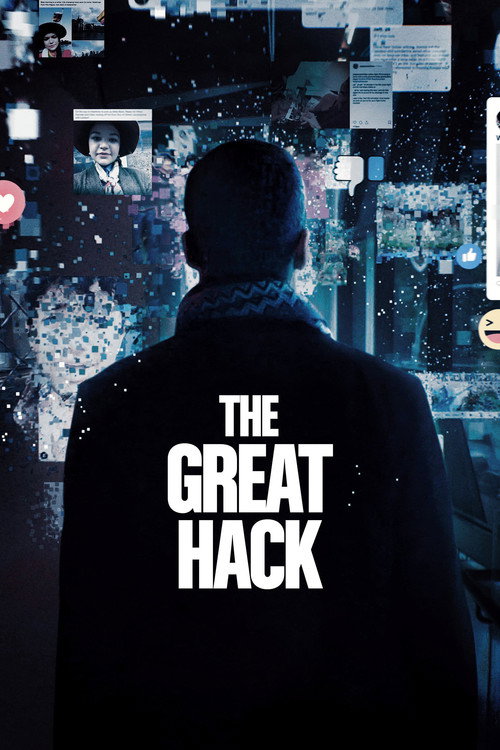
The Great Hack2019
A gripping investigation into Cambridge Analytica and data harvesting. It makes concrete what Herzog explores philosophically: how our connectedness has become exploitable, with real political consequences.
But It's advocacy journalism with a point of view, not dispassionate analysis. Some viewers find it preachy rather than exploratory.
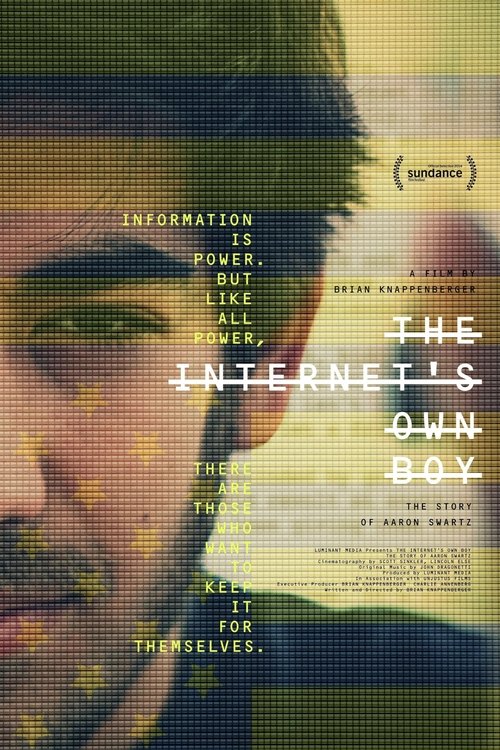
The Internet's Own Boy: The Story of Aaron Swartz2014
A portrait of Aaron Swartz and the ideals that animated early internet culture. It captures the utopian vision Herzog gently interrogates, showing what believers thought we were building.
But The film is a eulogy, not a balanced biography. Its reverence for Swartz overshadows more critical questions about his choices.
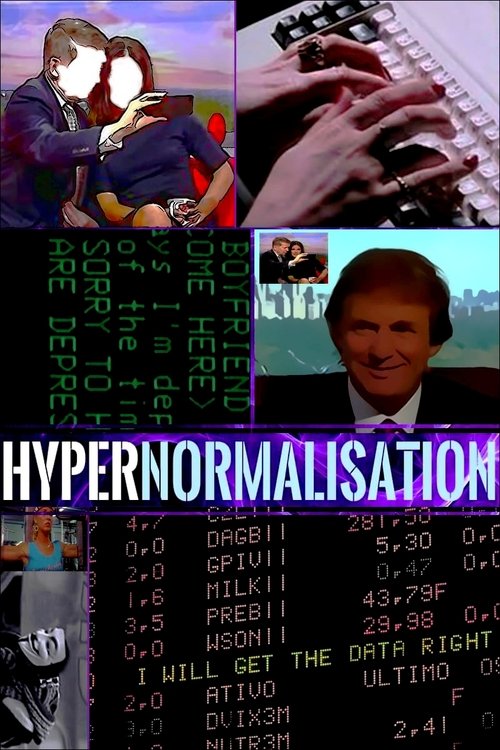
HyperNormalisation2016
Another Curtis essay on how technology, media, and power shape reality. Like Herzog, Curtis finds darkness lurking beneath promises of connection, but he argues it's intentional confusion.
But Nearly three hours, deliberately disjointed, and purposefully ambiguous about its conclusions. This is cinema as mood, not argument.
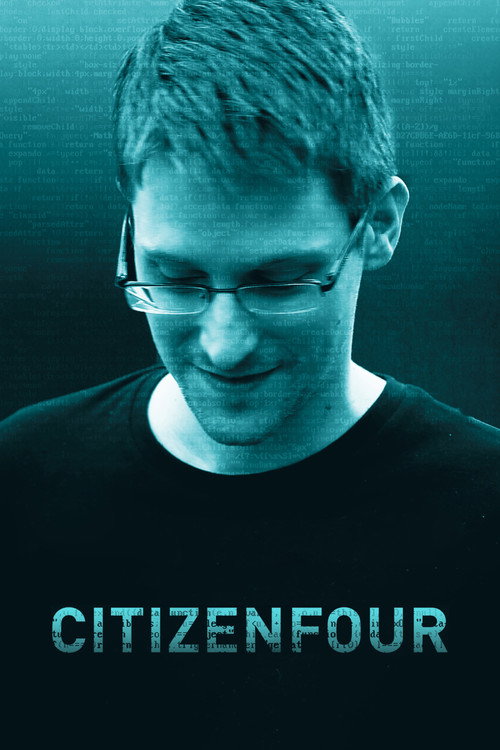
Citizenfour2014
Laura Poitras's documentation of the Snowden revelations. It's Herzog's abstract fears made terrifyingly specific: the infrastructure of connection as infrastructure of surveillance.
But Watching it feels like being implicated. Some people find it so paranoia-inducing that it damages their ability to use technology casually.
Stalker1979
Both films treat technology as a mirror for human yearning rather than a source of answers. Herzog's internet explorers and Tarkovsky's seekers are after the same impossible thing: transcendence through connection to something beyond themselves.
Andrei Tarkovsky's science fiction masterpiece about a guide leading travelers to a room that grants wishes. It's glacially paced and hypnotic, using technology (the room as interface) to explore desire, faith, and whether reaching what we want actually satisfies us.
But It is very, very slow—163 minutes—and demands total patience. Modern viewers accustomed to quick cuts often find it incomprehensibly boring.

People
Cast
 Elon MuskSelf
 Lawrence KraussSelf
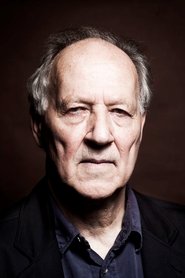 Werner HerzogSelf
- Ted NelsonSelf
- Bob KahnSelf
- Danny HillisSelf
- Adrien TreuilleSelf
- Raj RajkumarSelf
- Joydeep BiswasSelf
- Lesli CatsourasSelf
Directing
- Werner HerzogDirector
Writing
- Werner HerzogWriter
Production
- Dave ArnoldExecutive Producer
- David D. MooreExecutive Producer
- Jim McNeilExecutive Producer
- Tennille TeagueExecutive Producer
- Sky HelwigPost Production Coordinator
- Rupert MaconickProducer
- Werner HerzogProducer
- Jin Ah LeeProduction Supervisor
Recommended by
Room 237, Stroszek, Behind the Curve, We Live in Public, Downloaded, Death Stranding: Inside Kojima Productions, The Last Blockbuster, Erasing Hate, iHuman, I Am Santa Claus, Atari: Game Over, Second Skin, The Defiant Ones, The Immortalists, Art & Copy, RiP!: A Remix Manifesto, The Internet's Own Boy: The Story of Aaron Swartz, Fast N' Loud, Generation Like, Making The Billion Dollar Code, Inside the Factory, Deep Web, CamGirls, Computer Networks: The Heralds of Resource Sharing, Nothing to Hide, Fake Famous, Breakthrough, Code: Debugging the Gender Gap, The Cleaners, The American Meme, After Porn Ends, Cirque du Soleil: Alegria - The Truth of Illusion, Life 2.0, Terror Studios, Neil Young: Heart of Gold, Dostoevsky's Travels, Killing for Love