
Film
Nothing to Hide
A sharp, urgent documentary that dismantles the "nothing to hide" argument against surveillance. Directed by Berlin-based journalists, it investigates why we've become so passive about corporate and state monitoring, tracing the shift from Snowden-era outrage to resigned acceptance. Essential viewing for anyone who's ever said—or heard—that privacy-destroying phrase.
If you liked this
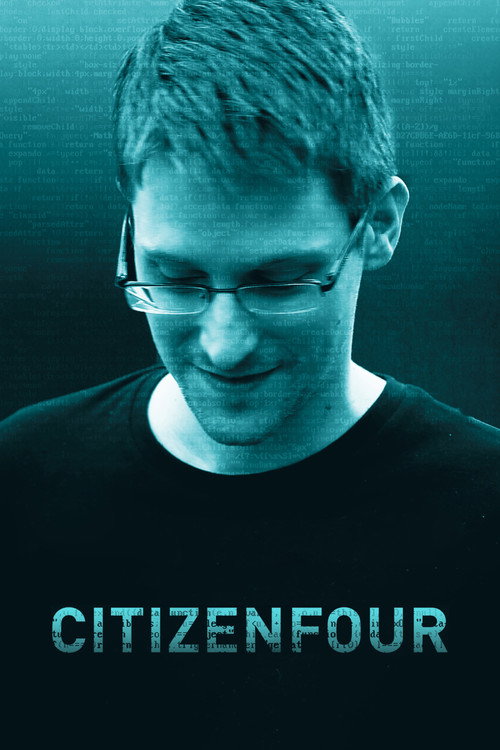
Citizenfour2014
Laura Poitras's Oscar-winning film about Edward Snowden and the NSA revelations. Tense, intimate, and the necessary prequel to understanding why Nothing to Hide exists—it shows the moment the conversation began.
But It's technically demanding and requires patience with encrypted communications and technical jargon that can feel opaque.
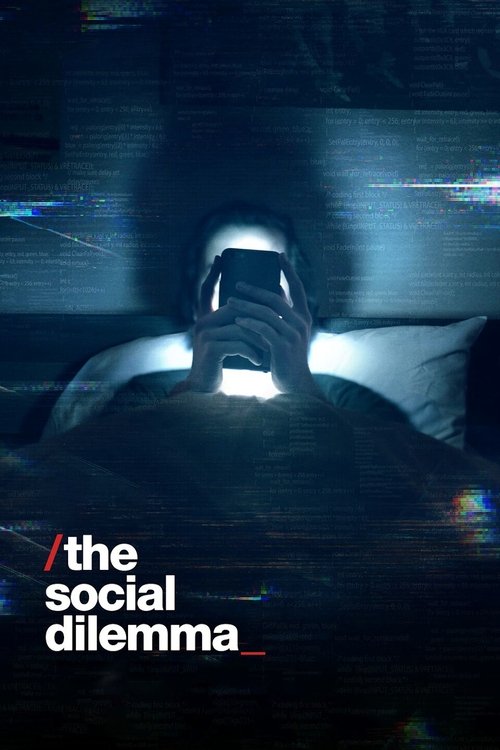
The Social Dilemma2020
Explores how tech companies harvest your data and manipulate behaviour through algorithms. Combines interviews with Silicon Valley insiders and dramatised scenes that make the invisible mechanics of surveillance tangible and disturbing.
But The dramatised sections feel occasionally heavy-handed, and it sometimes preaches to the converted rather than challenging sceptics.
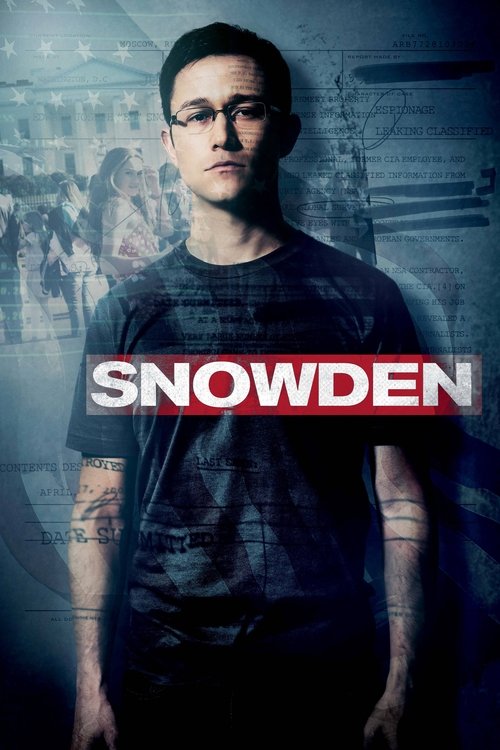
Snowden2016
Oliver Stone's dramatisation of Edward Snowden's life before and after the leaks. A more human, narrative-driven entry point than Citizenfour if you need faces and tension rather than pure documentary restraint.
But Some reviewers felt it simplifies complex technical and political issues, and Stone's stylistic flourishes can distract from substance.
Not sure tonight? Get a pick in a minute, starting from Nothing to Hide
The wildcard
Something you would not have found on your own.
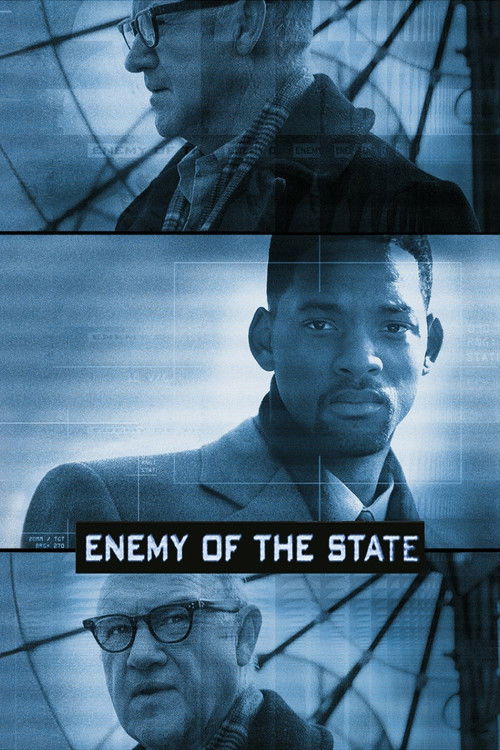
Enemy of the State1998
Both ask what happens when surveillance stops being abstract policy and becomes a tool directed at you specifically. Enemy of the State dramatises the paranoia; Nothing to Hide explains why it should be rational.
A mainstream thriller from the pre-smartphone era about a lawyer hunted by NSA surveillance. What's striking now is how prescient it was—the paranoia feels less like fiction with every year that passes. A brilliant "future that arrived" companion piece to Nothing to Hide.
But It's a 90s action film, so expect dated visual effects and some cheesy moments, plus a runtime that indulges the medium's excesses.
More like this (5)
The Great Hack2019
Examines the Cambridge Analytica scandal and how personal data was weaponised for political campaigns. A specific, case-study approach that makes abstract concerns concrete and infuriating.
But Some subjects are interviewed uncritically, and the film occasionally prioritises narrative momentum over nuance.
Terms and Conditions May Apply2013
An earlier documentary that asks what happens when you actually read the terms and conditions you click 'agree' to. Absurdist in tone, darkly funny, and genuinely alarming about corporate overreach.
But It predates GDPR and some current protections, so parts feel slightly dated despite the core argument holding up.

Do Not Track2015
A webdocumentary about internet tracking and ad targeting. Explores the hidden infrastructure that follows you across the web and the impossibility of opting out.
But The webdoc format means it's dependent on outdated interfaces and browser compatibility, which can make it clunky to experience now.
The Lives of Others2006
Nothing to Hide examines why we accept surveillance now; this film shows what we might become if we do. A haunting counterargument that works in a different register—intimate, tragic, human.
A German film about the Stasi secret police and a surveillance officer who begins to question his work. Profound meditation on how surveillance corrupts not just the watched but the watcher. Completely absorbing and morally complex.
But It's slow and deeply melancholic in a way that requires patience. Some will find it dour rather than engaging.
Lo and Behold: Reveries of the Connected World2016
Where Nothing to Hide is argumentative and evidence-based, Herzog simply observes the internet's effects with wonder and unease. Same territory, completely different temperature—a necessary companion that asks what surveillance means for human flourishing rather than just policy.
Werner Herzog's meditation on the internet, technology, and connection. Meandering, philosophical, sometimes absurdist—he visits server farms and speaks to hackers and families destroyed by online cruelty. A sideways approach that captures what Nothing to Hide is arguing about with more poetry.
But Herzog's voice and sensibility dominate utterly; if his philosophical riffing annoys you, this will feel indulgent rather than illuminating.
People
Directing
- Marc MeillassouxDirector
Production
- Marc MeillassouxProducer
- Mihaela GladovicProducer