
Film
Risk
Laura Poitras's intimate documentary follows Julian Assange and WikiLeaks during their most turbulent years, granted rare access that reveals uncomfortable contradictions. It's a portrait of power and idealism colliding with pragmatism and ego. Essential viewing for anyone trying to understand information warfare, state secrecy, and the cost of dissent—but the film itself becomes part of its subject.
If you liked this
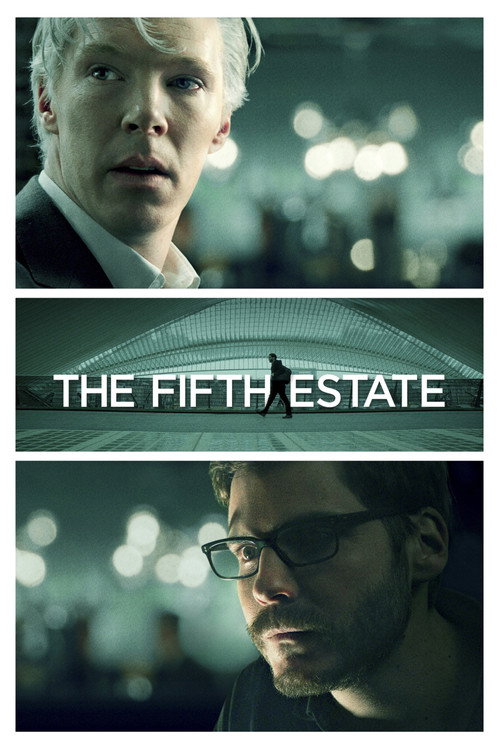
The Fifth Estate2013
Dramatizes the same WikiLeaks story with urgency and clarity, letting you see how cinema shapes what documentary cannot. Strong performances ground the ideological stakes in human conflict.
But It simplifies some of the complexity that Poitras's film sits with uncomfortably, and the thriller structure can feel manipulative if you're wary of narrative bias.
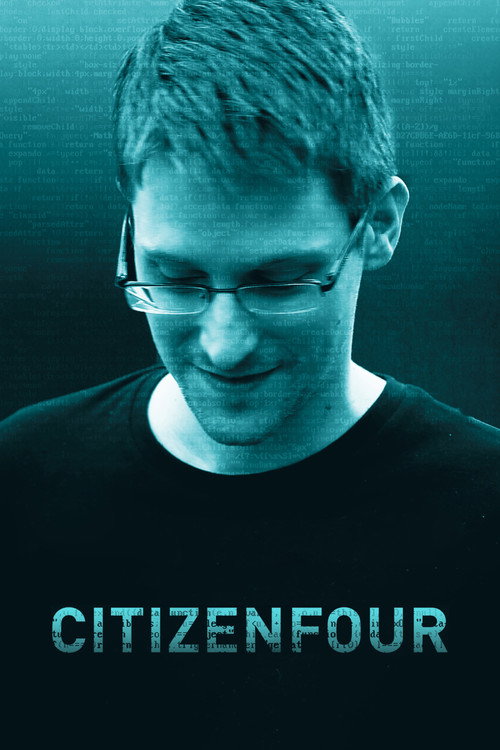
Citizenfour2014
Poitras's masterpiece about Edward Snowden captures similar themes of surveillance, state power, and the isolation of dissent, but with clearer moral architecture and more sustained emotional impact.
But If you find Snowden exhausting as a subject, another Poitras documentary won't change that fatigue. The pacing is slower and more meditative than typical documentaries.
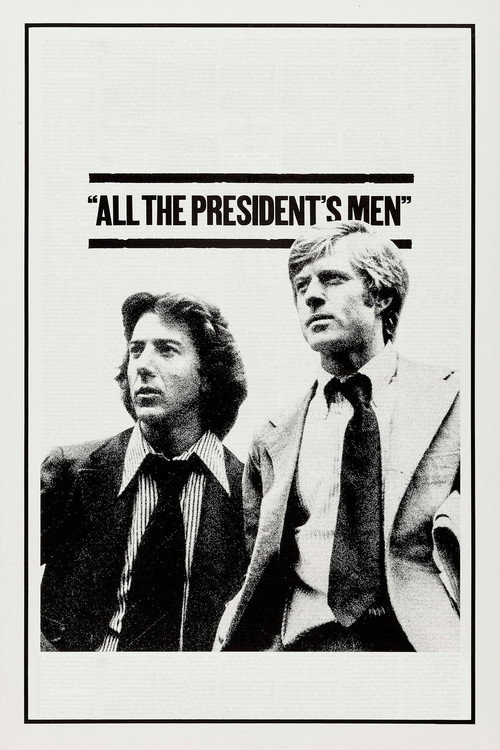
All the President's Men1976
The template for how journalists challenge power: meticulous, procedural, thrilling without melodrama. Shows what accountability looks like when institutions still function, which makes it a crucial counterpoint.
But It's deeply procedural and can feel slow to modern viewers. The victory feels quaint compared to the post-truth world Risk inhabits.
Not sure tonight? Get a pick in a minute, starting from Risk
The wildcard
Something you would not have found on your own.
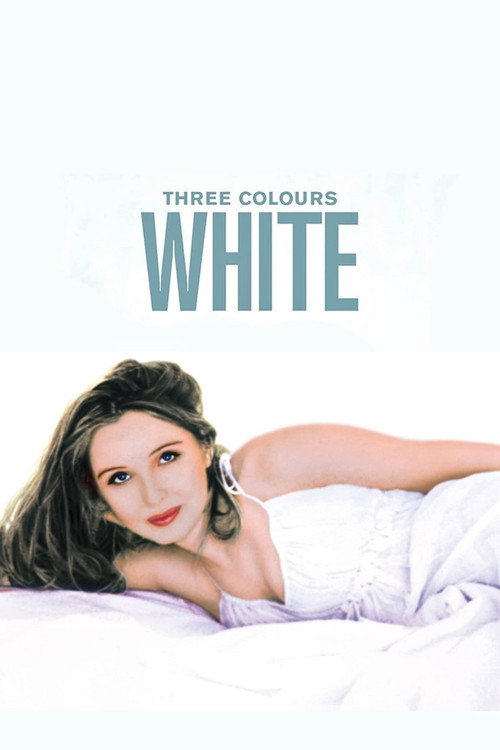
Three Colors: White1994
Both are studies of how noble ideals curdle when filtered through individual will. Poitras's access reveals what Kieślowski imagines.
Kieślowski's film about power dynamics, humiliation, and the desire for control among unequal people. The relationship at its centre mirrors the contradictions Poitras captures in Assange's world: idealism corroded by ego and vengeance.
But It's a narrative drama, not a documentary. The allegorical approach to power is indirect and requires patience with slowness and emotional restraint.
More like this (6)
The Panama Papers2018
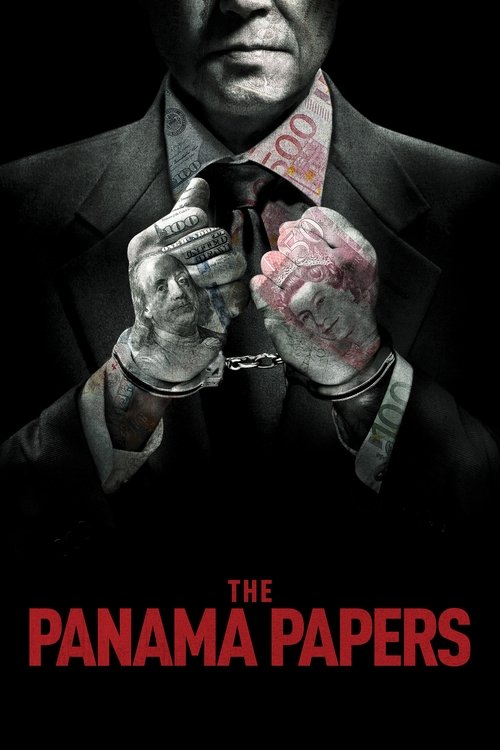
Documents massive financial crime and the journalists who exposed it, showing another model of accountability. Focuses on systems rather than personalities, which Risk's Assange obsession sometimes obscures.
But It's methodical to the point of dryness. The triumph feels temporary—the systems remain unchanged—which some find demoralizing.
Spotlight2015
Journalism as collective work, accountability as institutional process. If Risk makes you wonder what responsible truth-telling looks like, this film answers it by example.
But It's deliberately restrained and procedural. If you want rawer emotional conflict, the ensemble approach can feel distant.

HyperNormalisation2016
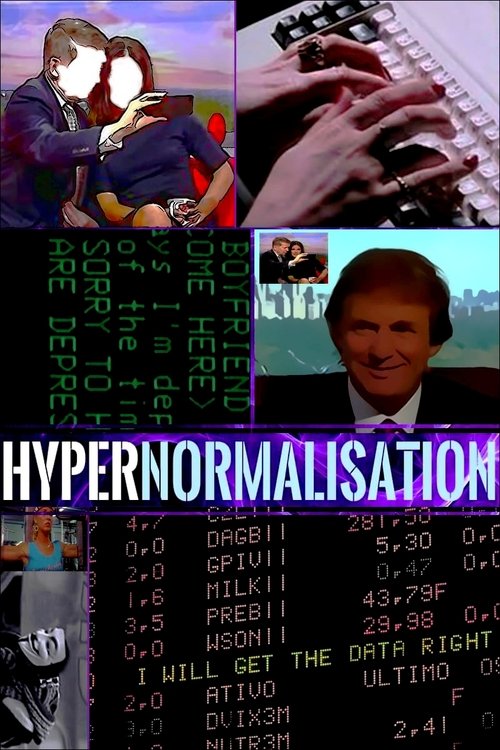
Adam Curtis's essay uses WikiLeaks as one thread in a larger argument about how power works in the modern world. Risk becomes material in a bigger story about control and adaptation.
But It's argumentative and conspiratorial in tone. Curtis's leaps can feel speculative, and the three-hour runtime is exhausting.
Nothing to Hide2017
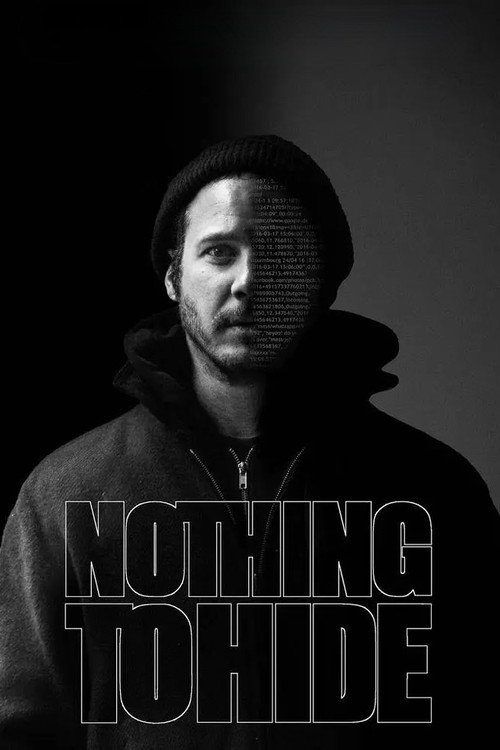
Explores surveillance and privacy from multiple angles—personal, legal, political. Complements Risk by asking who has the right to know what, rather than celebrating information release.
But It's more abstract and theoretical than Risk. If you want story and character, this feels like a philosophy seminar.
The Trial1962
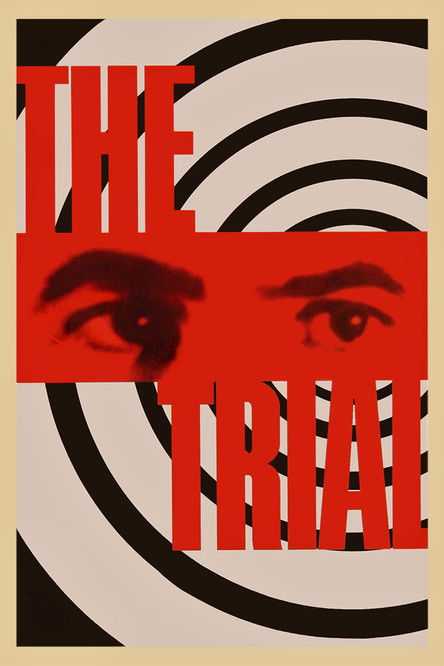
Both examine how institutions and powerful individuals weaponize narrative. The formal estrangement Welles creates mirrors the alienation Poitras documents in real time.
Welles's adaptation of Kafka shows a man crushed by a system that claims to serve justice. Risk documents the inverse—a man who claims to serve truth becoming its obstacle. Both explore how power disguises itself as principle.
But It's formally experimental and deliberately disorienting. The black-and-white abstraction will feel distant if you want contemporary clarity.
The Act of Killing2012
Both use unprecedented access to explore how charismatic figures justify terrible things. Both ask whether filming power challenges it or legitimises it.
Joshua Oppenheimer's film gives mass murderers the chance to recreate their crimes for the camera. Like Risk, it's about access, complicity, and what happens when you film someone comfortable with power. Morally devastating in ways Risk approaches but doesn't fully embrace.
But It's graphic and disturbing. The ethical questions it raises about documentary itself are uncomfortable in ways that may make you question why you're watching.

People
Cast
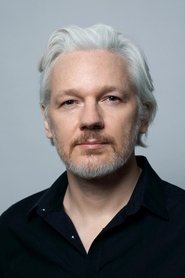 Julian AssangeSelf
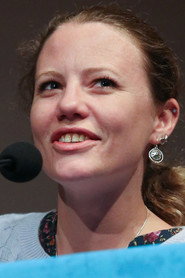 Sarah HarrisonSelf
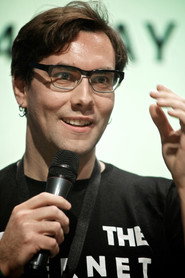 Jacob AppelbaumSelf
- Joseph FarrellSelf
- Renata AvilaSelf - Lawyer
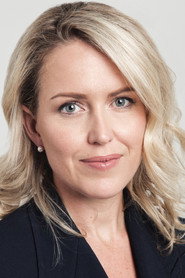 Jennifer RobinsonSelf - Lawyer
- Erinn ClarkSelf - Tor Project developer
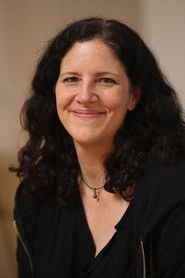 Laura PoitrasSelf (voice)
- Ana AlbanSelf - Ecuadorian ambassador
- Christine AssangeSelf - Julian's mother
- Louis BladelSelf - FBI counterintelligence
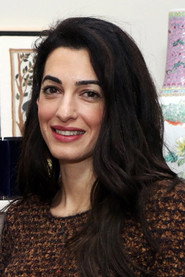 Amal ClooneySelf
Directing
- Laura PoitrasDirector
Production
- Kirsten JohnsonCo-Producer
- Sam EsmailExecutive Producer
- Brenda CoughlinProducer
- Laura PoitrasProducer
- Yoni GolijovProducer