
Film
HyperNormalisation
Adam Curtis's essay-film isn't really a documentary so much as a fever dream stitched from archive footage — Assad's Syria, Reagan's America, Occupy, cyberspace utopianism — set against a soundtrack that turns conspiracy into elegy. There's no reassuring narrator's certainty, just a hypnotic argument that the stories power tells us have quietly replaced the world they were meant to explain. Watch it slowly; expect to feel unsettled, not informed.
If you liked this
The Century of the Self2002
Curtis's masterpiece and the film this one grew out of — Freud, Bernays, and the invention of the consumer self, told with the same archive-and-music method but tighter, angrier, and just as prophetic.
But Four hours of psychoanalytic history with no relief valve; if HyperNormalisation's sprawl already exhausted you, this asks for more patience, not less.
Bitter Lake2015no page yet
Curtis's companion piece from the same period, built almost entirely from unused BBC footage of Afghanistan, arguing the West never understood the story it kept telling itself. Same dread, shorter runtime.
But Slower and more abstract than HyperNormalisation — narration is sparser, and the images are left to do more of the work.
The Power of Nightmares: The Rise of the Politics of Fear2004no page yet
Made a decade earlier and eerily ahead of itself, tracing how politicians on both sides of the War on Terror invented enemies to replace the ideologies they'd lost. Cold, clear, quietly furious.
But Its central thesis about an exaggerated terror threat drew real controversy, and some framing now feels dated against what actually happened after 2004.
The wildcard
Something you would not have found on your own.
Network1976
Curtis argues the powerful learned to manage our despair by turning it into spectacle; Network invented that exact diagnosis as fiction, four decades before Curtis assembled the archive to prove it actually happened.
A furious 1976 satire that predicted rolling news would turn outrage into entertainment and audiences into product — decades before anyone said 'post-truth,' it already knew where this was going.
But The satire is broad and theatrical rather than documentary-cool, and some of its media-industry specifics now read as period detail rather than prophecy.
More like this (7)
Citizenfour2014
The Snowden story filmed as it happened, in a Hong Kong hotel room, with none of Curtis's collage — just a journalist, a source, and the slow dawning of how normal surveillance had already become.
But A tense, procedural sit rather than a grand argument; if you came for Curtis's sweep and theory, this stays narrow and close.
The Great Hack2019
Cambridge Analytica, Brexit and Trump, told through the people who built the machine and the ones who tried to expose it — a concrete case study in exactly the manipulation HyperNormalisation only gestures at.
But A more conventional talking-heads doc than an essay film, and its villains are tidier than the world Curtis describes.
Icarus2017
Starts as a personal doping experiment and turns into an accidental exposé of Russian state fraud at the Olympics — a small, human-scale story that stumbles into the same territory of lies too big to unravel.
But The tonal swing from vanity project to geopolitical thriller is jarring, and the first act is slower than the astonishing back half.

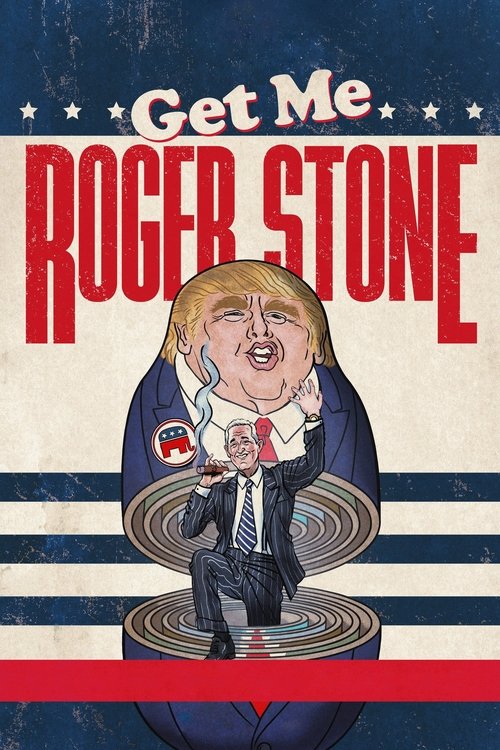
Get Me Roger Stone2017
A gleeful, appalled portrait of the political operative who treated deception as an art form and helped build the Trump era — a character study of hypernormalisation's most cheerful practitioner.
But Stone is a magnetic subject but the film lets him perform for the camera almost as much as it interrogates him.
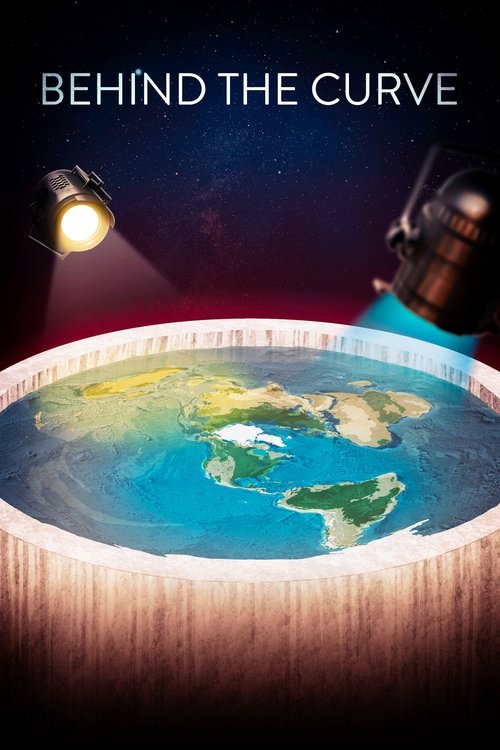
Behind the Curve2018
Flat-earthers filmed with real sympathy, showing how communities build entire alternative realities out of mistrust and belonging rather than stupidity — a small, almost tender version of the same collapse of shared truth.
But Thinner and more repetitive than the other picks here — its point is made an hour in and it keeps circling.
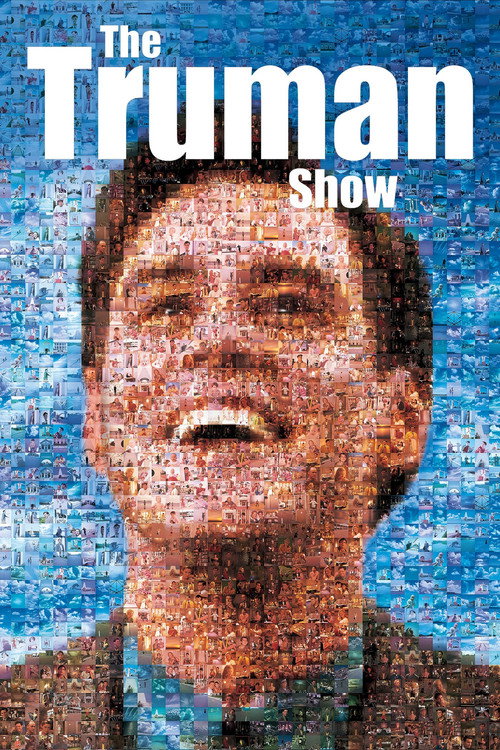
The Truman Show1998
Curtis's title describes a fake world so comprehensive that even its architects start believing it; Truman lives inside the literal version, and his show is the fable Curtis's essay reads like a footnote to.
A studio comedy that quietly became one of the most precise metaphors for engineered normality ever filmed — a man who slowly notices the seams in the reality everyone around him is maintaining for money.
But It's warm, funny, and has a happy ending — none of which HyperNormalisation offers, so the tonal whiplash going from one to the other is real.
Waltz with Bashir2008
Both films ask how people construct comforting fictions to survive an unbearable reality; Curtis does it with the archive of a whole society, Bashir does it with rotoscope inside one collapsing memory.
An animated Israeli documentary about a soldier trying to recover memories he's buried, told in rotoscoped dream-logic that makes forgetting and self-deception visible in a way live footage never could.
But It's intimate and personal where HyperNormalisation is global and panoramic — one man's psyche rather than the world's, and the animation may feel like an odd fit for a documentary.

People
Cast
 Adam CurtisSelf - Narrator (voice)
 Donald TrumpSelf (archive footage)
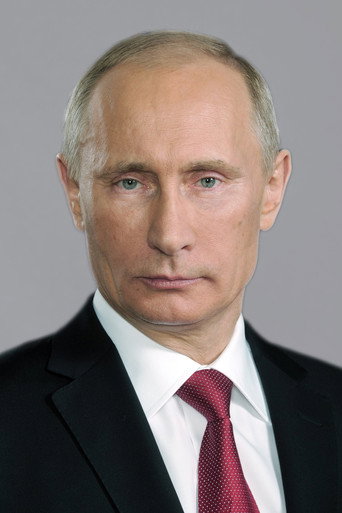 Vladimir PutinSelf (archive footage)
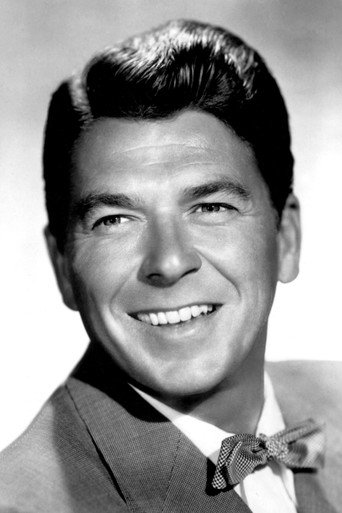 Ronald ReaganSelf (archive footage)
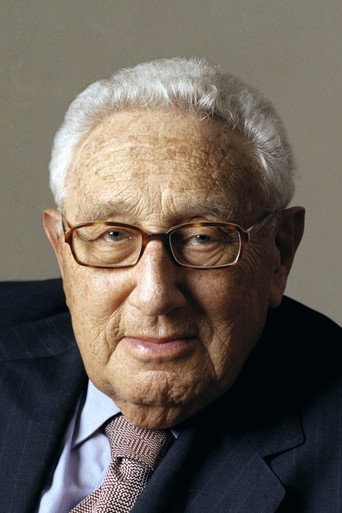 Henry KissingerSelf (archive footage)
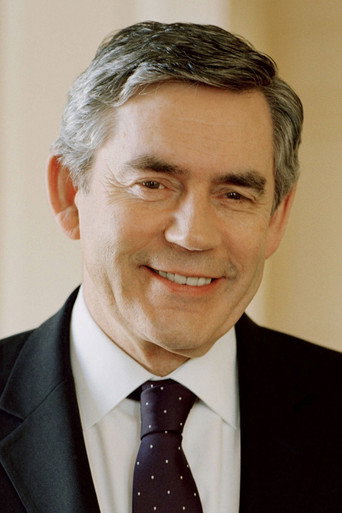 Gordon BrownSelf (archive footage)
 Jane FondaSelf (archive footage)
 Ivana TrumpSelf (archive footage)
 Benjamin NetanyahuSelf (archive footage)
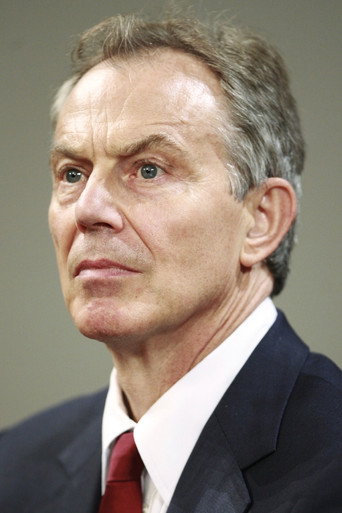 Tony BlairSelf (archive footage)
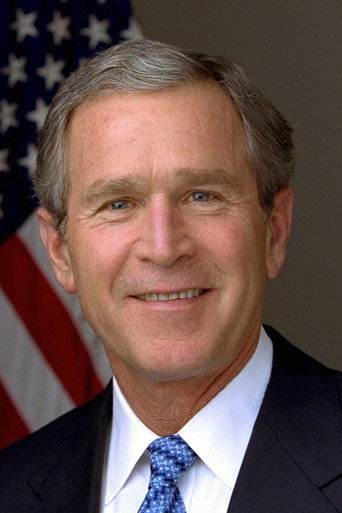 George W. BushSelf (archive footage)
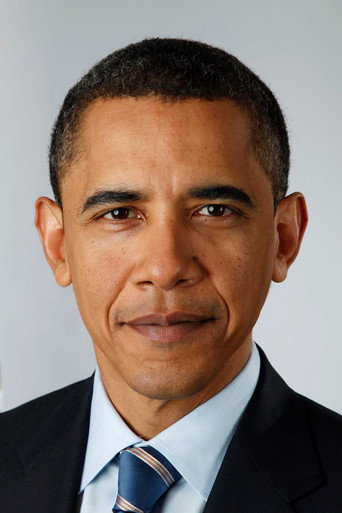 Barack ObamaSelf (archive footage)
Directing
- Adam CurtisDirector
Writing
- Adam CurtisWriter
Production
- Victoria JayeExecutive Producer
- Sandra GorelProducer
- Tomiko NewsonProduction Assistant
- Katie SpeddingProduction Coordinator
- Cara GooldProduction Manager
Recommended by
The Century of the Self, The Great Hack, The Social Dilemma, Idiocracy