
Television series
The Power of Nightmares: The Rise of the Politics of Fear
Adam Curtis's landmark three-part essay film traces how both neoconservatives and jihadists weaponised fear and apocalyptic fantasy to reshape politics. It's rigorous, disorienting, intellectually thrilling—a work that demands active attention but rewires how you see power, risk and modern conflict. For those wanting to understand the architecture of our anxiety.
Should you watch it?
Watch it if you enjoy documentaries that build a sharp, opinionated argument out of archive footage, and you like having a familiar story turned over to see what the people shaping it were really after.
Skip it if you want balanced reporting or fresh footage, since it is talky and pushes a single strong argument hard, leaning heavily on old archive clips.
What it asks of you: Three one-hour episodes that stay in one steady, insistent mode, so you need to keep following the argument rather than drift in and out.
Not sure? Find tonight's pick in a minute.
If you liked this
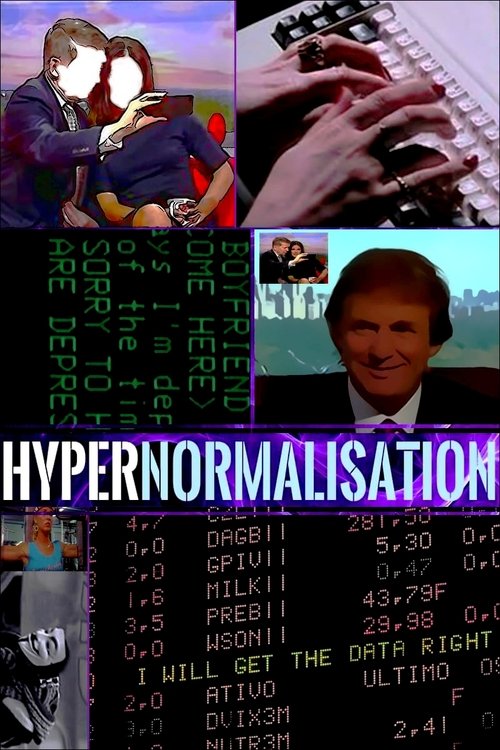
HyperNormalisation2016
Curtis's magnum opus, following the thread from Power of Nightmares into our moment. How technology, delusion and fear combined to make the present seem inevitable. Visually hypnotic and theoretically audacious.
But Three and a half hours, deliberately digressive, and demands you sit with uncertainty rather than offering answers. Exhausting if you want conventional resolution.
All Watched Over by Machines of Loving Grace2011
Curtis traces how the internet was sold as liberation but became a technology of control. Spans counterculture to Silicon Valley. Same brilliant, montage-driven method applied to a different kind of false mythology.
But The argument sometimes feels as slippery and associative as the systems it's critiquing. You may doubt whether the connections hold.
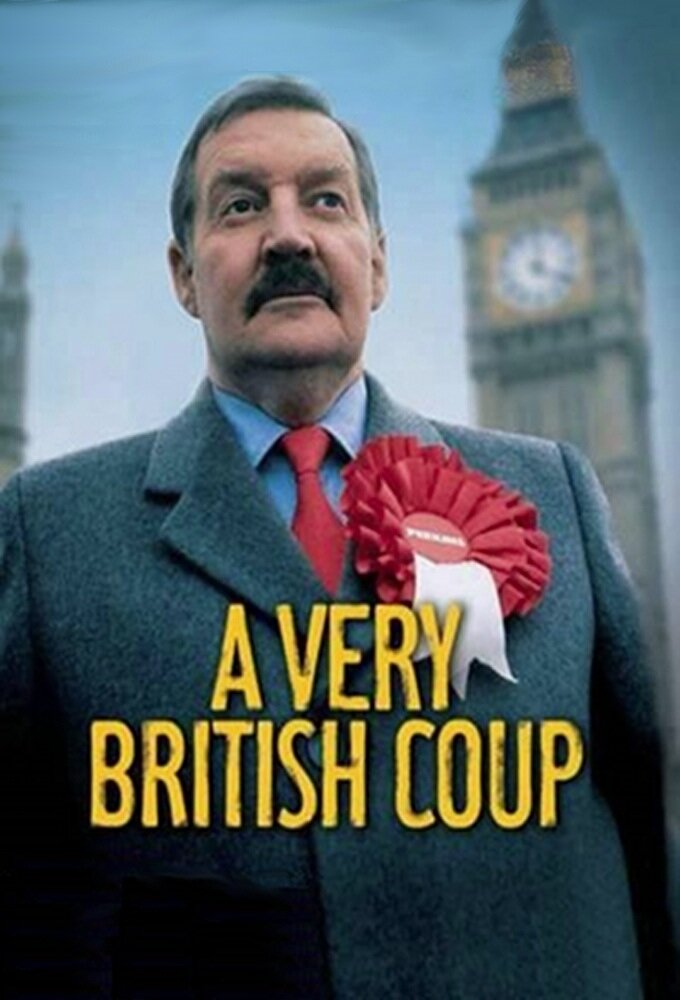
A Very British Coup1988
Four-part drama about a left-wing PM threatened by the establishment. Presciently explores how power operates outside formal politics and how fear destabilises democracy. Gripping and eerily relevant.
But Made in 1988, it's dated in minor ways. The drama sometimes subordinates nuance to argument, which can feel heavy-handed.
Not sure tonight? Get a pick in a minute, starting from The Power of Nightmares: The Rise of the Politics of Fear
The wildcard
Something you would not have found on your own.
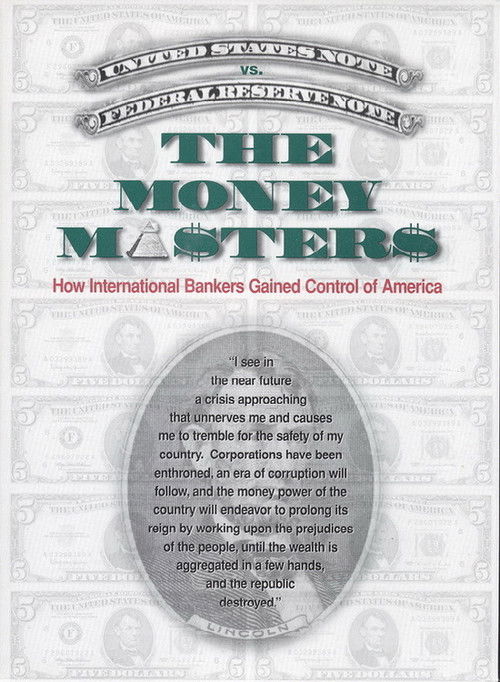
The Money Masters1996
Both map hidden systems of control shaping politics; this one is what happens when you stop interrogating the fear and start weaponising it yourself.
A three-hour documentary arguing that central banking is a hidden system of control. Like Power of Nightmares, it traces paranoia as infrastructure—but commits fully to conspiracy rather than questioning it, offering an inverse perspective.
But The logic can feel circular and the evidence-gathering less rigorous. You may find it falls into the very trap Curtis warns against: replacing one fear narrative with another.
More like this (7)
The Fog of War2003
Errol Morris interviews Robert McNamara on how rationality and fear produced catastrophe in Vietnam. A counterpoint to Curtis: one man grappling with his own role in mass delusion.
But Depends heavily on sympathy for McNamara as a subject. Some find his self-examination insufficient and his centrality self-aggrandising.

Pandora's Box1992
Curtis's earlier eight-part series examining how twentieth-century ideologies—both left and right—promised utopia and delivered disaster. Establishes the themes Power of Nightmares would develop. Addictive in the best way.
But Shot on video with the audio quality of the era. Aesthetically dated, and Curtis's voice-over is sometimes overwrought even for his fans.

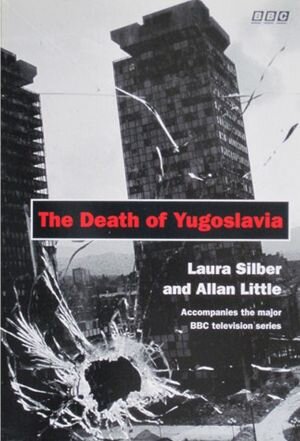
The Death of Yugoslavia1995
Documentary series examining how nationalist narratives and fear of the other tore apart a multicultural nation. Uses archive and interview to show how political elites manufacture collective dread.
But Difficult subject matter. Bleak and sometimes feels designed to make you lose faith in human institutions.
The Century of the Self2002
Curtis investigates how psychoanalysis and consumer capitalism became tools of political control. If you appreciate Power of Nightmares, this predecessor will show you where the obsessions began.
But More tightly structured than his later work, which some experience as slightly less visually arresting. Requires patience with the pace.
The Trap: What Happened to Our Dream of Freedom2007
Curtis examines how game theory and the idea that people are selfish rational actors became the basis for political and economic systems. Another layer of the architecture of modern control.
But The theoretical leaps can feel vast. If you need clear evidence before abstract argument, this will frustrate you.
Better Late Than Never2016
Curtis's most experimental work, exploring how Western intervention in Afghanistan was built on misunderstanding and mythmaking. Dense, visually fractured, genuinely original.
But Almost avant-garde in its refusal of linear narrative. Some will find it pretentious; others will find it baffling on first watch.
La Haine1995
While Curtis traces fear manufactured by elites, this shows fear as lived reality for those already deemed threatening by that machinery.
French film about three young men in the suburbs, their rage at a system designed to exclude them, and the machinery of state fear turned against the powerless. Shows fear as tool of oppression, not abstraction.
But In French with subtitles, and unflinching about violence and urban despair. Not a comfort watch, and its realism is deliberately austere.

People
Production
- Stephen LambertExecutive Producer
- Adam CurtisProducer
- Lucy KelsallProducer
Recommended by
The Century of the Self, Our Brand Is Crisis, Why We Fight, Control Room, HyperNormalisation, Reel Bad Arabs: How Hollywood Vilifies a People, Unprecedented: The 2000 Presidential Election, The Trials of Henry Kissinger, All Watched Over by Machines of Loving Grace, Pandora's Box, The Trap: What Happened to Our Dream of Freedom, Zeitgeist: The Movie, The Rise and Fall of the C.I.A., The Weight of Chains, The Occupation of the American Mind, The Revolution Will Not Be Televised, The Lenny Henry Show, The Oil Factor: Behind the War on Terror, War Made Easy