
Film
The Occupation of the American Mind
A 2016 documentary examining why American public opinion on Israel-Palestine diverges sharply from the rest of the world. It investigates the machinery of pro-Israel public relations in the US—lobbying, media strategy, narrative control—with Roger Waters narrating. Rigorous and unsettling, for viewers ready to question their information sources.
If you liked this
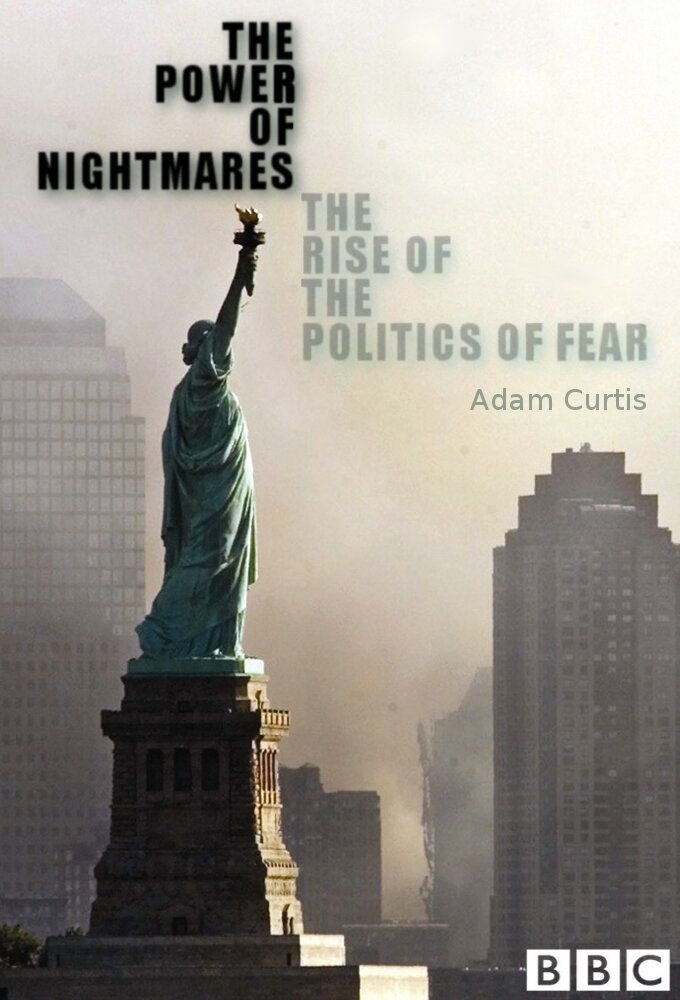
The Power of Nightmares: The Rise of the Politics of Fear2004
Adam Curtis traces how politicians and security agencies weaponize fear and manufactured threats to shape public consent. Essential viewing on how narratives become reality, regardless of facts.
But It's dense, demanding television that requires active thinking. Some find Curtis's pacing glacial and his synthesizer-heavy score exhausting.
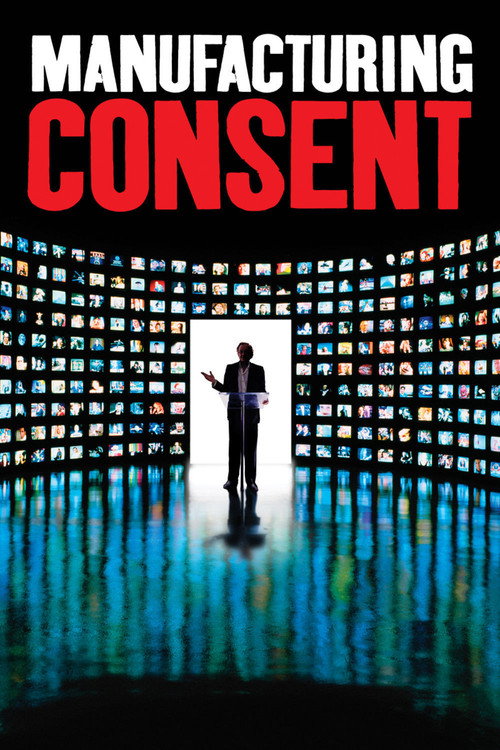
Manufacturing Consent: Noam Chomsky and the Media1992
The foundational documentary on how media systems serve power rather than inform the public. If you're watching Occupation, you need Chomsky's framework for understanding what you're seeing.
But Chomsky can be repetitive, and the film itself is now 30 years old. Some find his arguments reductive or his delivery monotonous.
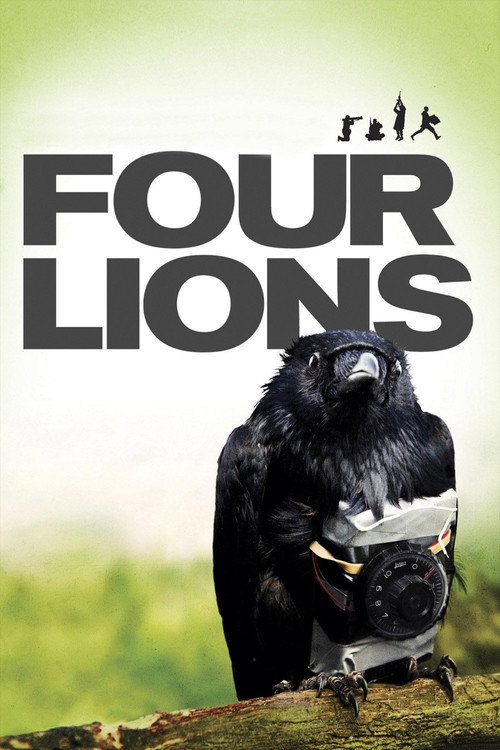
Four Lions2010
Chris Morris's darkly comic film about incompetent would-be jihadists exposes how media narratives and state power create the very radicalization they claim to prevent. Brilliant and morally complex.
But The subject matter is genuinely disturbing, and the comedy sits at severe angles to the violence. It won't feel fun, even when it's funny.
Not sure tonight? Get a pick in a minute, starting from The Occupation of the American Mind
The wildcard
Something you would not have found on your own.
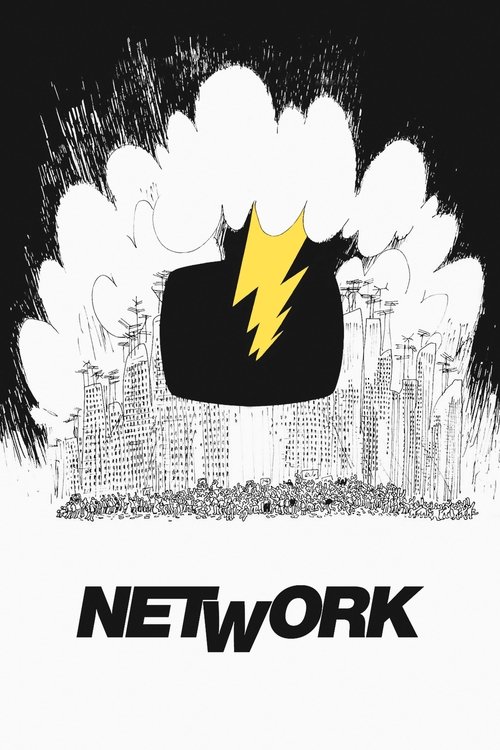
Network1976
Both films show how media narratives are constructed products serving power, not reflections of reality. Network just admits the game openly; Occupation documents it empirically.
Paddy Chayefsky's prescient satire about how media corporations manufacture consent and exploit crisis for profit. Everything about Occupation is here—the mechanics, the cynicism, the inevitability—but as furious comedy rather than documentary.
But It's a 1970s film, and some of the satire lands differently now that the reality has become more grotesque than the parody.
More like this (5)
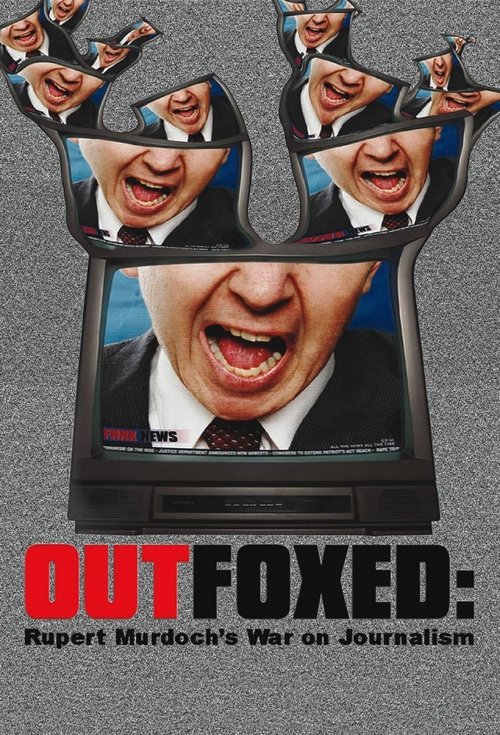
Outfoxed: Rupert Murdoch's War on Journalism2004
Robert Greenwald's investigation of how Fox News deliberately shapes political narratives. A case study in the media mechanics that Occupation identifies more broadly.
But It's advocacy journalism, not neutral analysis. Some footage is recycled and the film can feel like it's preaching to the converted.
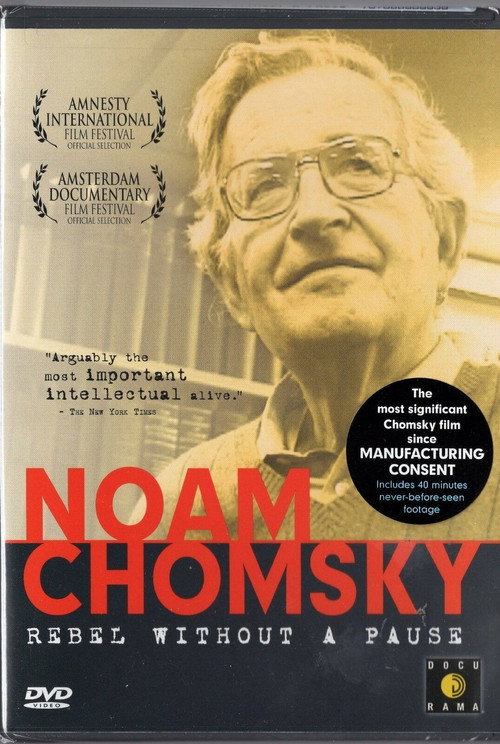
Noam Chomsky: Rebel Without a Pause2003
Biographical documentary on Chomsky himself. Useful for understanding the intellectual lineage behind Occupation's arguments about media and consent.
But It's a portrait rather than an argument—less gripping than Manufacturing Consent, more hagiographic in tone.
Killing Gaza2018
Documentary on the 2014 Gaza conflict focusing on testimonies and on-the-ground reporting absent from Western media. Visceral complement to Occupation's media analysis.
But The footage is traumatic and the film offers no solutions, which some find emotionally punishing rather than clarifying.

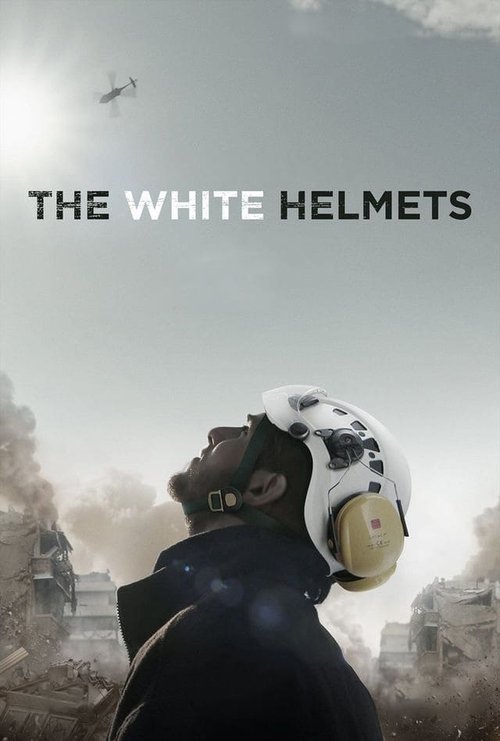
The White Helmets2016
Both examine how competing powers use documentary and media to shape global consciousness about the Middle East. One shows the machine; the other shows its output.
Netflix documentary about Syrian civil defence volunteers. It's a masterclass in how sympathetic narratives are built for geopolitical purposes—the inverse of Occupation's subject, same structural point about whose stories get told.
But The film itself was controversial for allegedly omitting context and complexity. Some viewers find it emotionally manipulative, which is partly the point.
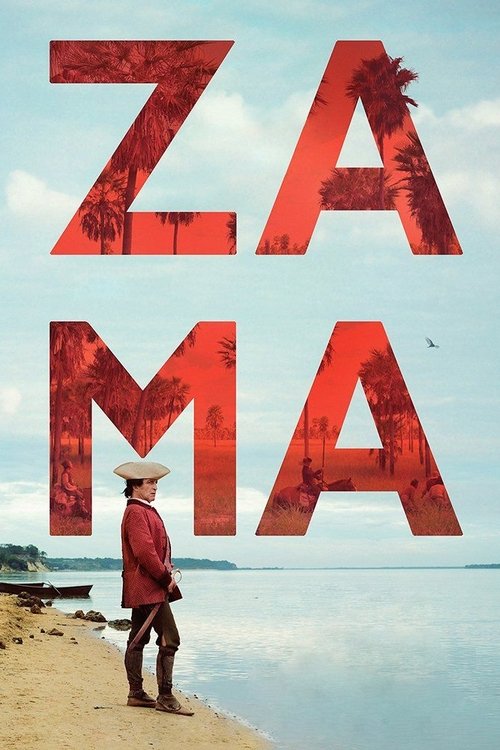
Zama2017
Where Occupation analyzes occupation through media and ideology, Zama shows occupation's psychological texture from the inside—the ennui, the paranoia, the moral rot that settles in when you're part of a system of control.
Lucrecia Martel's bewildering historical drama about a Spanish colonial administrator awaiting transfer. It's formally strange and oblique, but it's about occupation—how it deforms the occupier psychologically, how power relations poison everything.
But It's deliberately obscure and resists narrative comprehension. Subtitled, visually cryptic, occasionally boring. Not a 'watchable' film in any conventional sense.
People
Cast
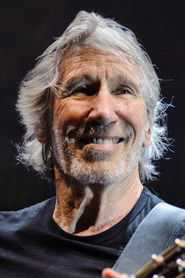 Roger WatersNarrator (voice)
- Peter HartSelf - National Coalition Against Censorship
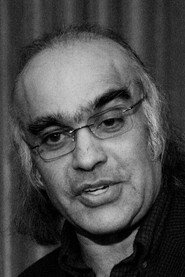 Sut JhallySelf - Professor, University of Massachusetts
- Yousef MunayyerSelf - US Campaign to End the Israeli Occupation
 Rula JebrealSelf - Journalist
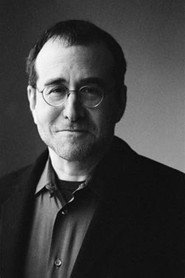 Mark Crispin MillerSelf - Professor, New York University
- Rami KhouriSelf - Columnist, Daily Star, Beirut
- Rashid KhalidiSelf - Professor, Columbia University
- Phyllis BennisSelf - Institute for Policy Studies
- Max BlumenthalSelf - Journalist
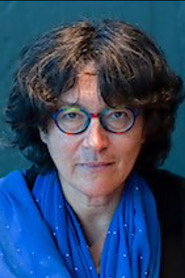 Amira HassSelf - Columnist, Haaretz, Israel
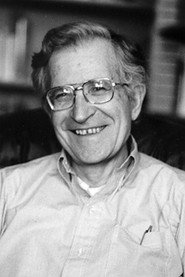 Noam ChomskySelf - Professor Emeritus, MIT
Directing
- Jeremy EarpDirector
- Loretta AlperDirector
Writing
- Jeremy EarpWriter
- Loretta AlperWriter
Production
- George MattaAssociate Producer
- Jason YoungCo-Producer
- Sut JhallyExecutive Producer
- Jeremy EarpProducer
- Loretta AlperProducer