
Film
Noam Chomsky: Rebel Without a Pause
A 2003 portrait of Noam Chomsky at 74, filmed across lectures, small-group discussions, and intimate moments with his wife Carol. The film captures him wrestling with post-9/11 America, media control, and foreign policy amid the Iraq War. It's less polished argument than raw document: you watch a formidable mind in motion, unfiltered and occasionally contradictory. For those hungry to understand where contemporary critique of power comes from.
If you liked this
All the President's Men1976
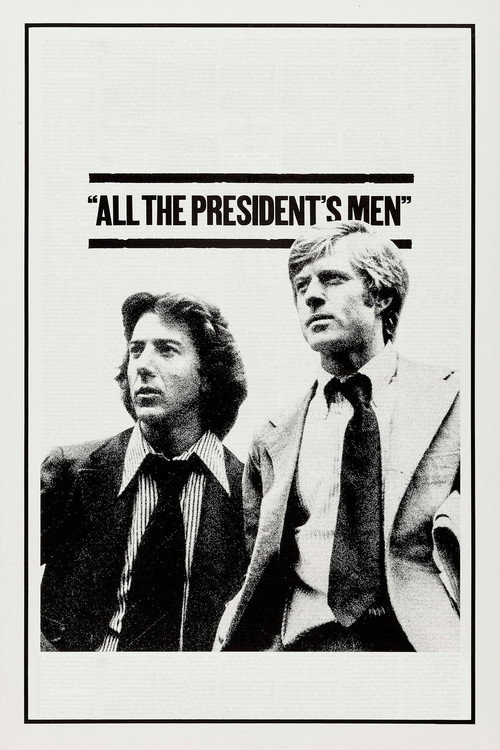
A masterclass in institutional power and how it's challenged. Woodward and Bernstein's investigation of Watergate shows journalism as a real check on authority—a counterpoint to Chomsky's pessimism about media, yet animated by the same urgency about accountability.
But Procedural and methodical by design. If you want dramatic payoff, you're watching for the wrong reasons.
A Brief History of Time1991
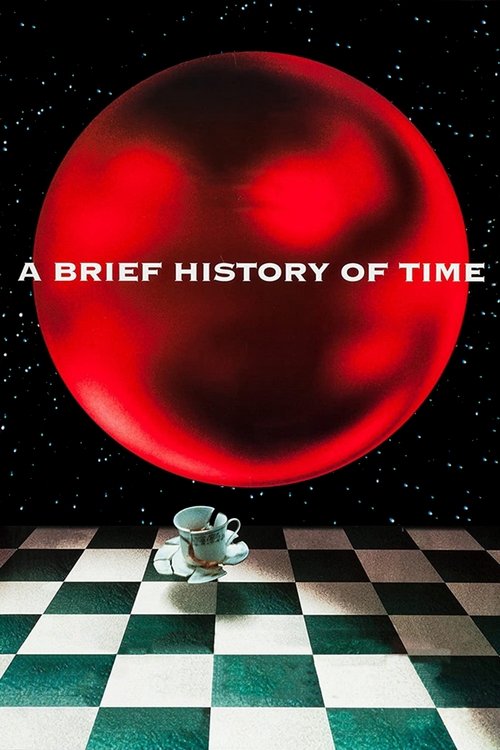
Errol Morris films Stephen Hawking, not Chomsky, but the energy is similar: a towering intellect made present. Morris refuses to explain—he just lets the camera rest on the face of a mind at work. It's about how to cinematically capture thinking itself.
But Very patient. Hawking's speech synthesizer and Morris's aesthetic remove any false intimacy—this is observation, not entertainment.
Sicko2007
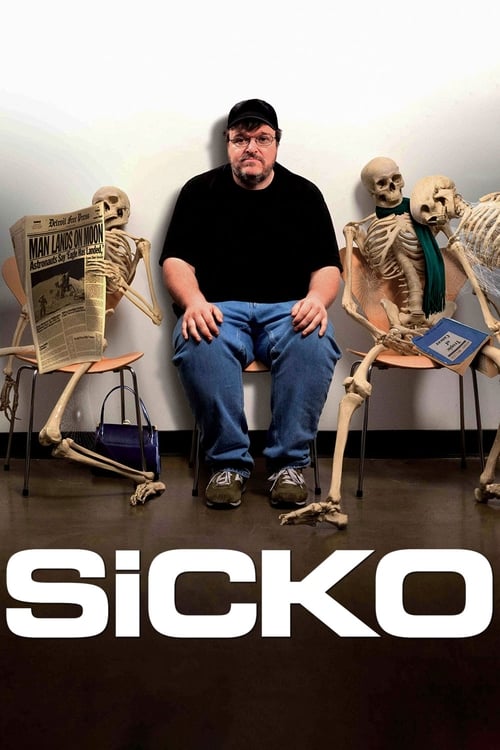
Michael Moore's most sustained polemic. Where Chomsky operates through deconstruction, Moore goes for gut-level outrage—different method, same target. American systems designed to fail ordinary people. Angrier, more populist, but reaching for the same truths.
But Moore's rhetoric can feel manipulative in ways that make you distrust his argument, even when the facts hold up.
Not sure tonight? Get a pick in a minute, starting from Noam Chomsky: Rebel Without a Pause
The wildcard
Something you would not have found on your own.
Stalker1979
Both examine how systems survive by controlling what people are allowed to know and believe. Tarkovsky finds this in the soul; Chomsky finds it in media and foreign policy. Same architecture, opposite registers.
Tarkovsky's science fiction poem about desire, forbidden knowledge, and the state that guards it. Nothing to do with politics directly—it's metaphysical, glacially paced, shot through with longing. But the structure mirrors Chomsky's concern: power operates by controlling access, and those who want to see beyond the barrier are called mad. Pure cinema rather than argument.
But 163 minutes of slow, almost static imagery. If you need plot momentum or immediate clarity, abandon this immediately.

More like this (3)
The Trial of the Chicago 72020
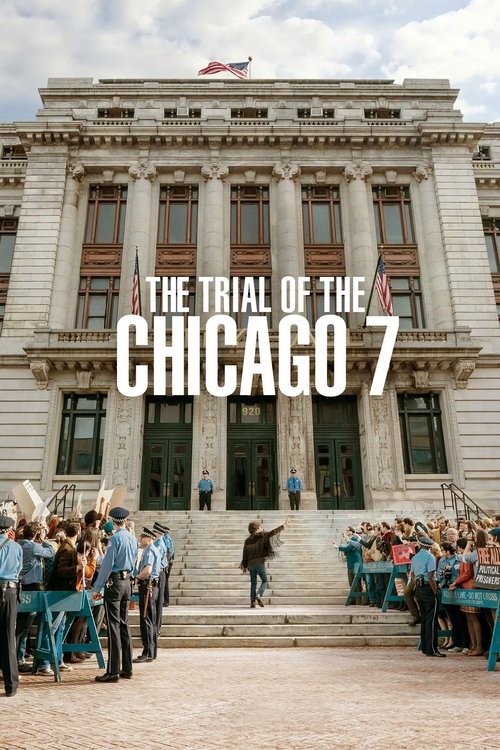
Aaron Sorkin dramatizes the 1969 trial of radicals accused of conspiracy. The film loves argument and principle tested in real time—Chomsky's concerns about state power, free speech, and dissent made into legal theater. Intellectually alive in ways most political dramas aren't.
But Sorkin's overlapping dialogue and pacing can feel slick. Some will read it as activism-lite, Netflix for the politically engaged.
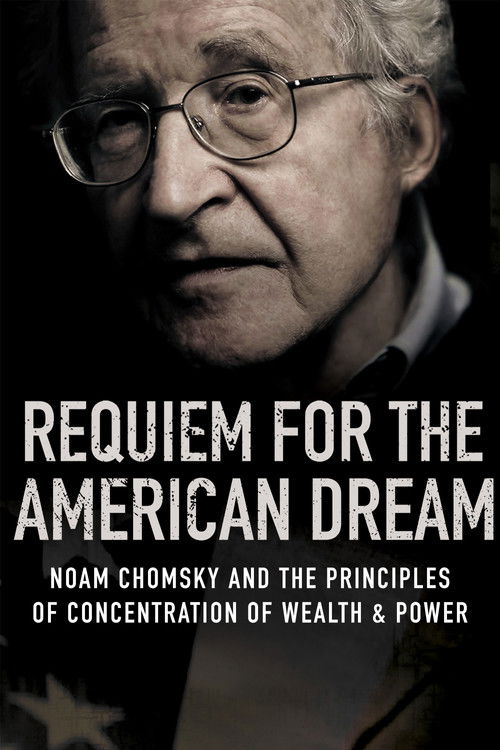
Requiem for the American Dream2015
A later Chomsky doc that feels like a companion piece—more didactic, more explicitly structured around his framework of power concentration. If Rebel feels like watching him think, this is him teaching. Both are necessary.
But More lecture than cinema. If you want documentary as an art form, not just a vessel for ideas, this won't satisfy.
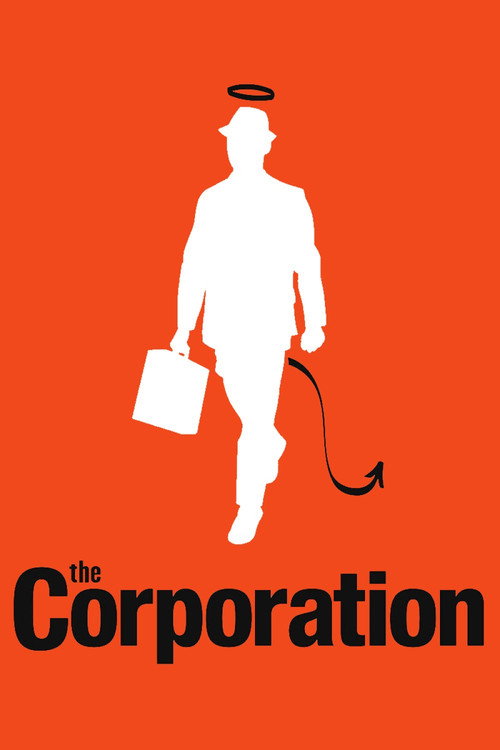
The Corporation2003
Made the same year as Rebel, this film uses Chomsky alongside others to anatomize the modern corporation as a legal entity. Rigorous and inventive formally—it trusts its audience and doesn't simplify. Dark comedy mixed with genuine analysis.
But Tries to do too much. At 145 minutes, you feel the seams where different ideas don't quite cohere.
People
Cast
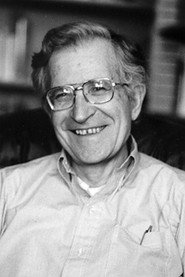 Noam ChomskyHimself
Directing
- Will PascoeDirector