
Film
The Trials of Henry Kissinger
- Crime
- Very dark
A 2002 documentary that builds a case against Henry Kissinger's foreign policy legacy, charging him with complicity in atrocities across Vietnam, Cambodia, East Timor and Chile. Structured like a legal brief, it assembles declassified evidence and expert testimony with the controlled fury of Christopher Hitchens' polemic voice. Essayed rather than dramatized—no easy answers, just the accumulated weight of documented consequences.
Should you watch it?
Watch it if you want a prosecutor's case built patiently from archive footage, memos and reporters' notebooks, and you are happy to be argued at rather than entertained.
Skip it if you came for a balanced portrait or a neutral history, because this is openly one-sided polemic that pushes its verdict hard and gives the defence little room.
What it asks of you: Eighty brisk minutes of interviews and grainy archive footage, with no plot to follow; its rewards come from close listening rather than visual pleasure.
Not sure? Find tonight's pick in a minute.
If you liked this
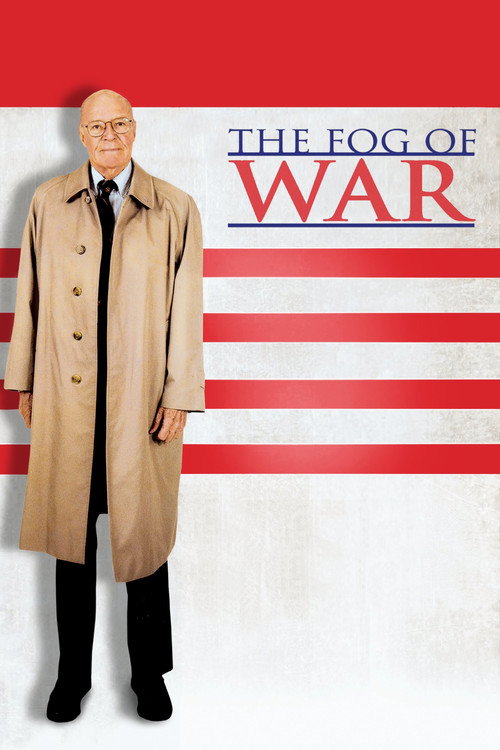
The Fog of War2003
Errol Morris interviews Robert McNamara about Vietnam and Cold War decision-making with the same forensic intensity. A companion piece that shows how the architects of American power justify themselves when forced to speak.
But McNamara's reflections can feel evasive; watching someone parse their conscience for two hours requires patience and a stomach for ambiguity.
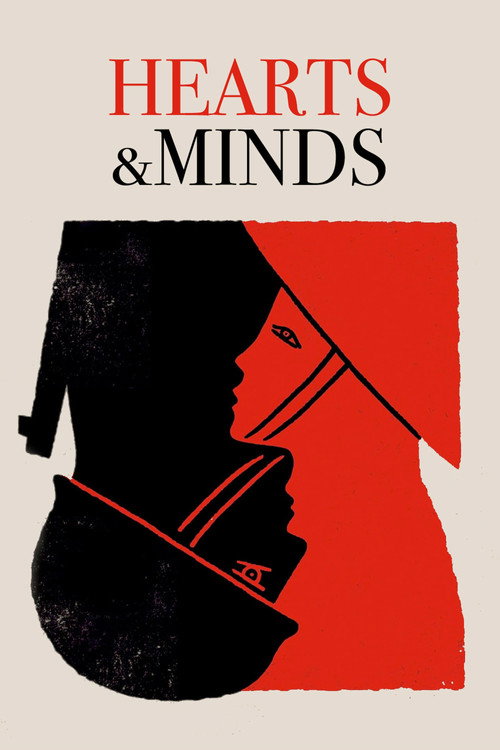
Hearts and Minds1974
The canonical Vietnam War documentary, assembling interviews and footage to anatomize how American foreign policy devastated Indochina. Rage and sorrow in equal measure, with more raw testimony than Kissinger permits itself.
But Made while the war was still contested politically; some arguments feel period-bound, and the pacing is slower than modern docs.
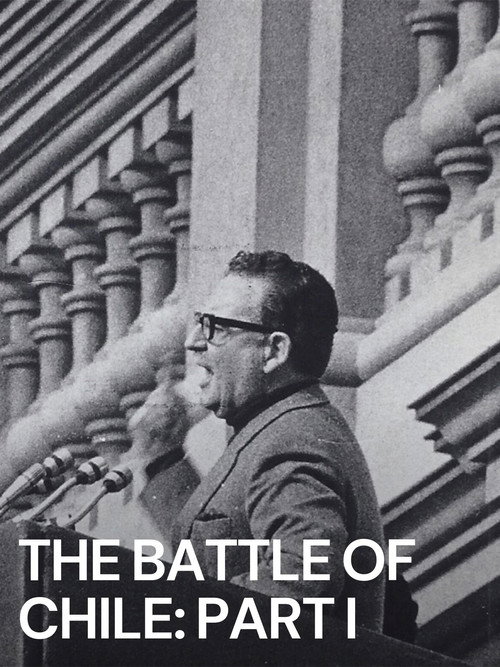
The Battle of Chile: Part I1975
Patricio Guzmán's three-part epic documents the Allende government and Pinochet's coup in real time, the very events Kissinger's policies enabled. Incomparable as a portrait of a nation being unmade.
But Three hours total, in Spanish, and unflinchingly bleak. Not a pleasant watch, and demands you sit with uncomfortable questions about complicity.
Not sure tonight? Get a pick in a minute, starting from The Trials of Henry Kissinger
The wildcard
Something you would not have found on your own.
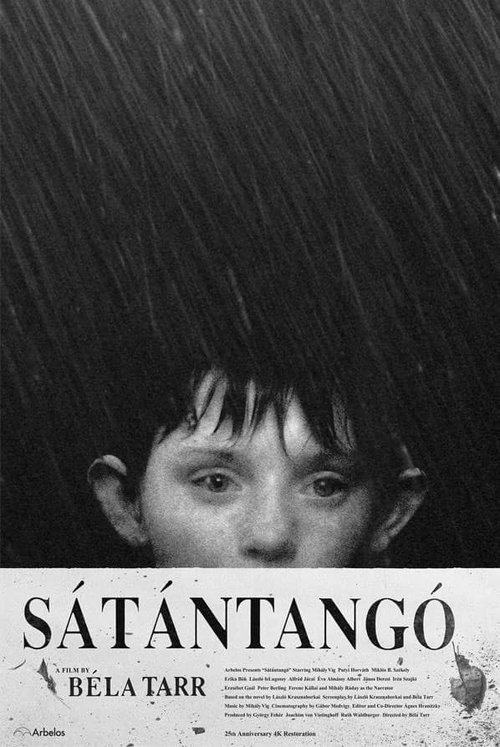
Satantango1994
Both are studies of systems collapsing into their own logic. Where Kissinger shows the machine making decisions, Sátántangó shows the people living in the rubble afterward, unable to distinguish mercy from cruelty.
Béla Tarr's seven-and-a-half hour Hungarian epic about a community in freefall, morality draining away in the absence of certainty. Not about geopolitics—about how power and despair operate when there's no fixed ideology to hide behind anymore. A portrait of what comes after.
But In black and white, in Hungarian, glacially paced, and longer than most people spend awake. Not a punishment, but not entertainment in any conventional sense.
More like this (6)
Manufacturing Consent: Noam Chomsky and the Media1992
Mark Achbar and Peter Wintonick's Noam Chomsky film shares Kissinger's obsession with how power uses media and public ignorance to legitimize itself. A companion analysis of the same machinery.
But Chomsky's arguments are dense and sometimes repetitive; the film doesn't concede an inch, which makes it feel like a lecture if you're not already sympathetic.
The Power of Nightmares: The Rise of the Politics of Fear2004
Adam Curtis traces how fear became the tool of post-Cold War geopolitics. A broader canvas than Kissinger, but the same inquiry: how did realpolitik produce the world we inherited?
But Curtis's montage-heavy style and synth score can feel mannered; the argument is sometimes obscured by its own aesthetic ambition.
Shoah1985
Claude Lanzmann's nine-hour holocaust documentary is the gold standard for assembling testimony about state atrocity. If Kissinger troubles you, this shows what happens when that machinery runs to its logical end.
But Nine hours. Black and white, no music, mostly interviews. A commitment, not an evening. Not to be approached casually.

The Act of Killing2012
Joshua Oppenheimer documents Indonesian genocide perpetrators re-enacting their crimes. Unbearably intimate with evil in a way that makes geopolitical abstractions flesh and blood.
But Deeply disturbing, and the methodology—getting killers to perform themselves—will feel obscene to some viewers. Not a comfortable film.

The War at Home1979
Glenn Silber and Barry Alexander Brown's documentary pairs Vietnam footage with footage of American anti-war organizing. A corrective reminder that not everyone accepted the official story.
But Explicitly partisan, shot on video, some material is degraded. The filmmaking is secondary to the argument, which won't move anyone who doesn't already agree.
A Ghost Story2017
Both are about the gap between intention and outcome. Kissinger is about the vast consequences of decisions made in rooms. This is about those consequences as they move through time, invisible to anyone making them. A longer lens on the same catastrophe.
David Lowery's temporal gut-punch: a ghost watches his life, his wife, his house, his town transform across centuries. Political philosophy in the form of grief—about what we leave behind and what we can never see coming. Oblique, but devastatingly relevant to questions of historical consequence.
But Experimental form, slow, elliptical. Some viewers find it pretentious or just sad without reason. It's not interested in explaining itself.

People
Cast
 Henry KissingerSelf (archive footage)
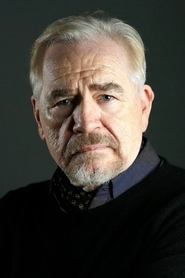 Brian CoxSelf
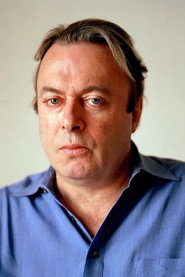
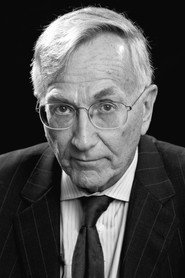 Seymour HershSelf
Directing
- Eugene JareckiDirector
Writing
- Christopher HitchensBook
- Alex GibneyWriter
Production
- Alex GibneyProducer