
Film
The Battle of Chile: Part I
Shot on smuggled film stock in the months before the 1973 coup, this is history caught mid-collapse rather than reconstructed after the fact. Guzmán's crew embeds with strikers, soldiers and politicians as Chile's democracy tears itself apart in real time. It's dense, argumentative and occasionally exhausting — closer to a live wire than a lecture — best suited to anyone who wants to feel a country's institutions actually failing.
If you liked this
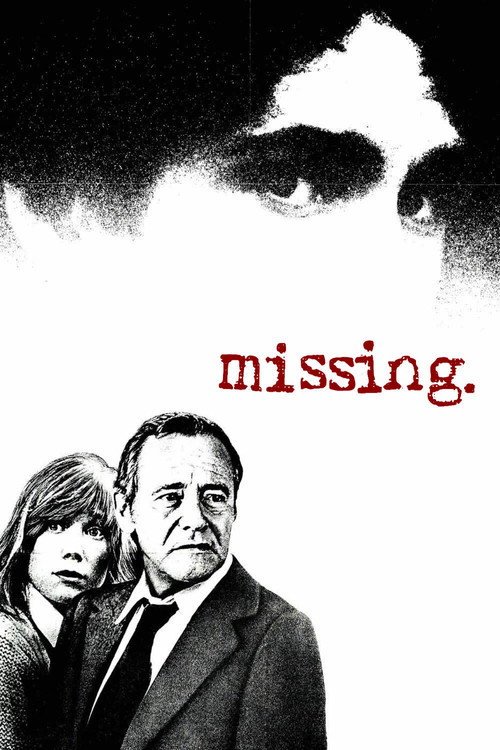
Missing1982
Costa-Gavras dramatizes an American father's search for his son, disappeared after the coup, and turns bureaucratic stonewalling into genuine dread. It's the fictional companion piece that shows the human cost from ground level.
But Its outrage is aimed squarely at American complicity, which can feel didactic if you want something less pointed.
No Country for Old Men2007
Pablo Larraín follows the ad man who helped craft the 1988 campaign to vote Pinochet out, shot on period video that makes the whole thing feel unearthed rather than staged. Funny, cynical, and quietly hopeful.
But The satirical, advertising-industry angle is a strange tonal jump from the documentary's rawness — some will want more gravity, not less.
Nostalgia for the Light2010
Guzmán himself returns decades later, linking astronomers scanning deep space with mothers still searching the desert for the bones of the disappeared. Meditative, strange, and devastating in a way action can't be.
But It's slow and essayistic — closer to poetry than reportage, which won't suit anyone wanting momentum or answers.
The wildcard
Something you would not have found on your own.
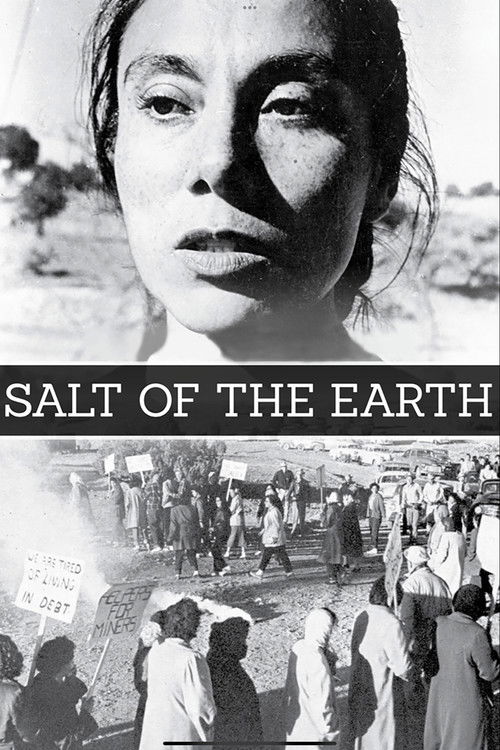
Salt of the Earth1954
Both films were made by people risking their own safety to document the struggle in front of them, blurring documentary and drama until the act of filming becomes an act of resistance itself.
Made by blacklisted American filmmakers using real striking miners as actors, this is a plainspoken, quietly radical drama about labor and dignity that got its makers investigated for the crime of making it.
But Low-budget and stagey by modern standards, with melodrama that can feel dated next to Guzmán's unfiltered immediacy.
More like this (8)
Machuca2004no page yet
A friendship between a wealthy boy and a poor classmate plays out against the exact backdrop this documentary captures, showing how the coup reached down into a schoolyard. Tender, then brutal.
But The child's-eye view softens some of the political detail that the documentary lays out unflinchingly.
The Pinochet Case2001no page yet
Guzmán's own follow-up, tracking the legal pursuit of Pinochet decades on, with survivors and victims' families finally given the floor. A necessary sequel to the outrage of Part I.
But Courtroom procedure and talking-heads structure make it more sober and less kinetic than the original film.
Death and the Maiden1994no page yet
Polanski's chamber piece, set in an unnamed country modeled on post-dictatorship Chile, traps a torture survivor in a room with the man she believes tortured her. Unbearably tense, morally knotted.
But It's stagey and claustrophobic by design, adapted from a play, and some will find the confrontation too theatrical.
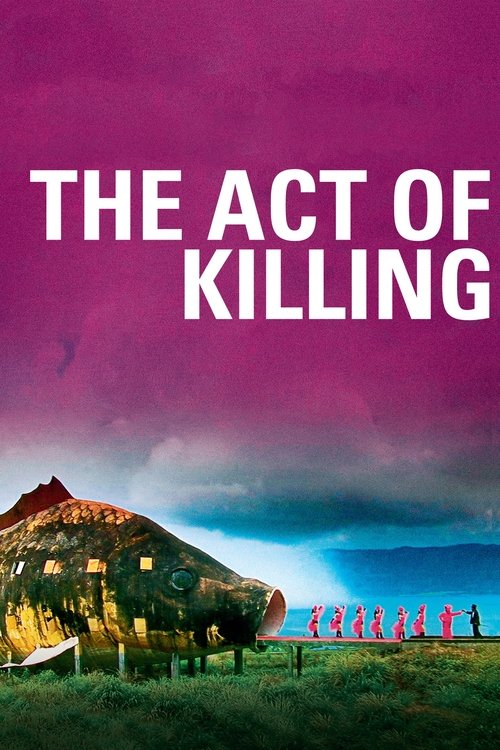
The Act of Killing2012
Indonesian death squad leaders reenact their own massacres for the camera, in a documentary so audacious it changes what you think the form can do. Deeply unsettling, endlessly discussed.
But Its subjects are perpetrators, not victims, and the film's method — letting them perform — will feel obscene to some viewers.
Santiago, Italia2018no page yet
Nanni Moretti's documentary revisits the Italian embassy in Santiago, which sheltered Chileans fleeing Pinochet's death squads, through interviews with people who lived it. A smaller, warmer companion to Guzmán's epic.
But It's talkier and more conventional in form, without the vérité urgency of watching events unfold live.
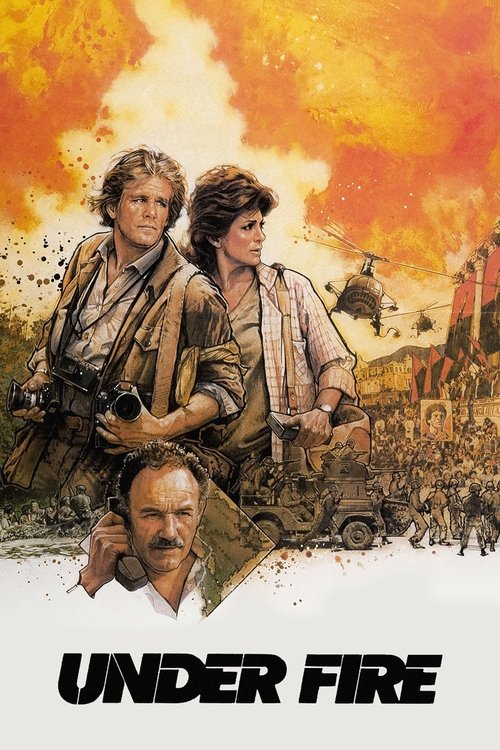
Under Fire1983
A fictional thriller about American journalists covering Nicaragua's revolution, with Nick Nolte navigating the same question Guzmán's crew faced: what happens when the camera stops being neutral.
But It's a glossier, more Hollywood take on Latin American upheaval, with a romantic subplot the documentary has no time for.
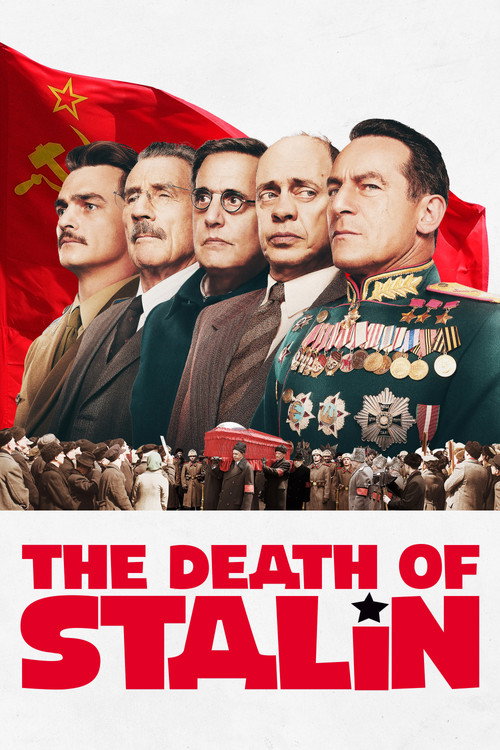
The Death of Stalin2017
Same machinery — a state suddenly leaderless, propaganda scrambling to control the story — but where Guzmán shows the terror as it happens, this shows the absurdity it always secretly contained.
A pitch-black farce about the scramble for power after Stalin's death, packed with brilliant actors turning bureaucratic terror into comedy so sharp it still draws blood.
But If political collapse feels too raw to laugh at, the comedy will land as flippancy rather than relief.
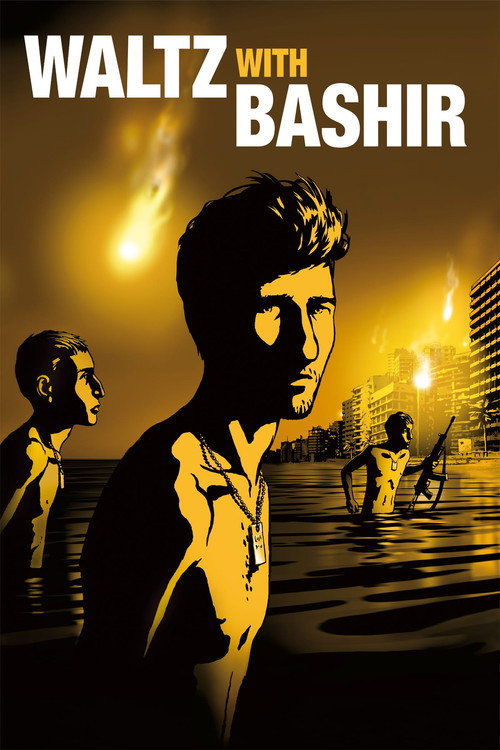
Waltz with Bashir2008
Both are asking what a camera — or a memory — can actually capture of political violence when the full truth is fragmentary; one uses smuggled 16mm, the other draws what film can't record.
An animated memoir of the 1982 Lebanon War, rotoscoped and dreamlike, following a soldier chasing down a memory of a massacre his own mind has buried.
But Animation as a vehicle for real atrocity might feel like the wrong tool if you want unmediated, direct testimony.
People
Cast
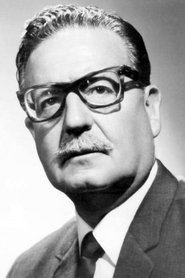 Salvador AllendeSelf (archive footage)
- Abilio FernándezSelf - Narrator (voice)
Directing
- Jose BartolomeAssistant Director
- Patricio GuzmánDirector
Writing
- Federico EltonScreenplay
- José Juan BartoloméScreenplay
- Julio García EspinosaScreenplay
- Patricio GuzmánScreenplay
- Pedro ChaskelScreenplay
Production
- Pablo de la BarraProducer
Recommended by
Navalny, Missing, Winter on Fire: Ukraine's Fight for Freedom, Five Broken Cameras