
Film
The Mercenary
A cynical Polish mercenary and an idealistic female radical compete for the soul of a Mexican revolutionary general during the 1910s uprising. Sergio Leone regular Franco Nero anchors this spaghetti-Western-adjacent romp with moral ambiguity at its heart: is revolution about principle or plunder? It's messier and funnier than you'd expect, blending action, character study, and genuine political friction into something that feels lived-in rather than polished.
Should you watch it?
Watch it if you like revisionist westerns that wear their politics loosely and their cynicism openly, where a bitter veteran's wisecracks and a revolution's idealism keep undercutting each other.
Skip it if you want a tidy, sun-bleached showdown story; this one drifts through episodes, shifts its tone abruptly between broad slapstick and brutality, and can feel scattered.
What it asks of you: Across a brisk 101 minutes, the talk does as much work as the gunfire, and the jokes arrive beside cruelty, so attention to dialogue pays off.
Not sure? Find tonight's pick in a minute.
If you liked this
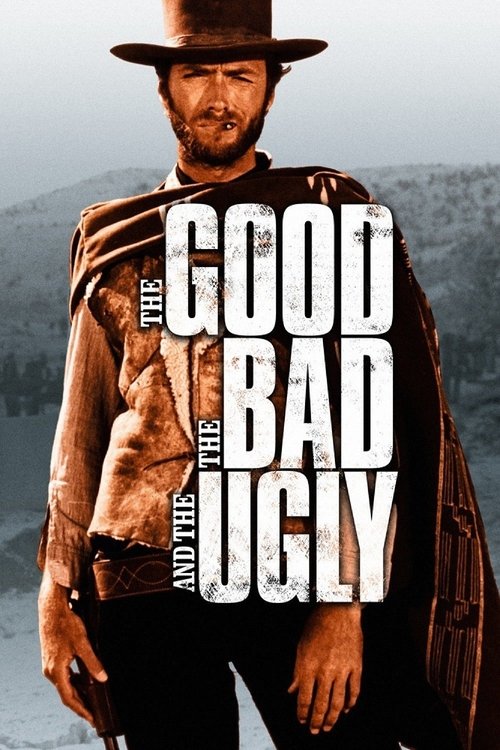
The Good, the Bad and the Ugly1966
The template for everything that follows. Sergio Leone's masterpiece of greed, morality and dusty landscapes, with Eastwood's Man with No Name defining the archetype that Nero's Kowalski both honors and complicates.
But Three hours long, operatic in a way that can feel overwrought if you're not in the mood for pure visual storytelling and Ennio Morricone's overwhelming score.
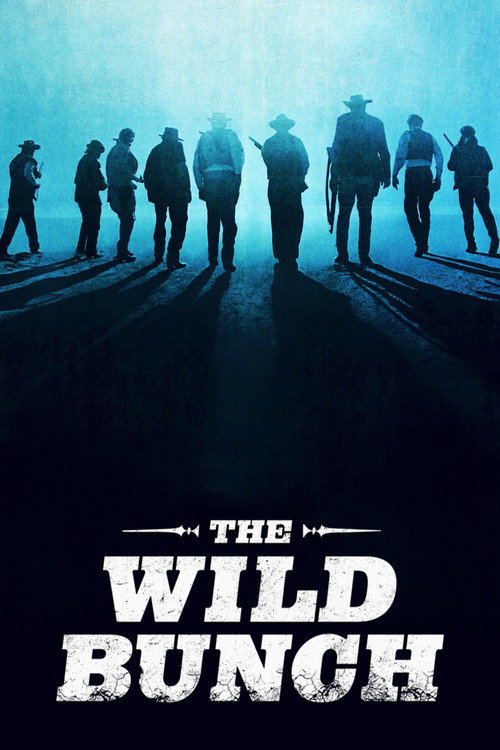
The Wild Bunch1969
Peckinpah's visceral masterpiece about aging outlaws facing a changing world. Like The Mercenary, it's deeply interested in whether violence and theft can be romantic, and what that costs you.
But Genuinely brutal gunfight sequences. The violence is the point, which some find exploitative rather than revelatory.
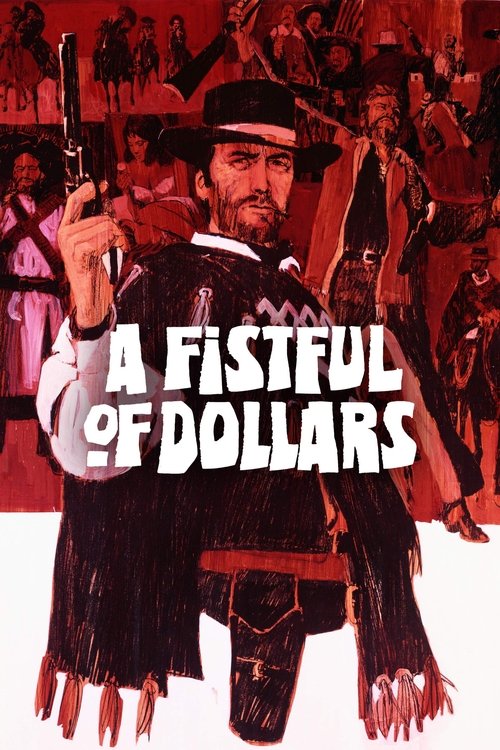
A Fistful of Dollars1964
The film that invented the spaghetti Western and made Clint Eastwood a star. Raw, economic, completely unsentimental about mercenary violence—the direct DNA of Nero's character.
But The dubbing is notoriously weird. The plot is almost secondary to style and atmosphere, which won't appeal if you need conventional narrative momentum.
Not sure tonight? Get a pick in a minute, starting from The Mercenary
The wildcard
Something you would not have found on your own.
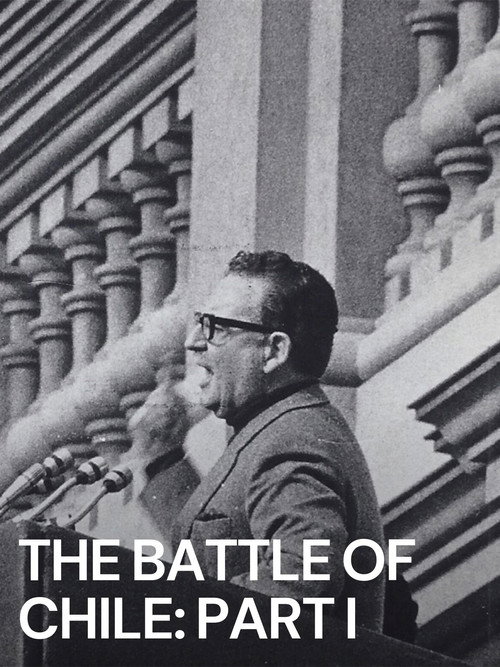
The Battle of Chile: Part I1975
Both are serious about revolution as lived experience rather than adventure fantasy. Both show mercenaries and idealists occupying the same space, compromising together, unable to resolve their fundamental disagreement about what it's all for.
Patricio Guzmán's three-part documentary about the Allende government's fall in 1973. It's what The Mercenary's revolution actually looks like in real time: chaotic, tragic, where ideology crashes into economics and nobody wins cleanly.
But Nearly five hours across three parts, shot in grainy 16mm, with no conventional narrative arc. It's patient, archival, and demands your attention in ways a story film doesn't.
More like this (8)
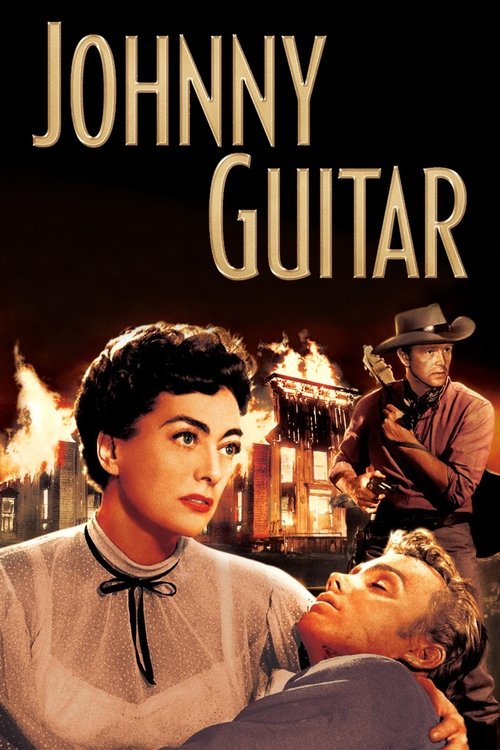
Johnny Guitar1954
Nick Ray's fever dream of a Western where the real conflict is between two powerful women. Visually stunning, structurally bizarre, and obsessed with power dynamics and desire in ways that feel almost modern.
But It abandons conventional Western logic entirely. The pacing is strange and deliberate, which reads as slow if you're expecting gunfights and chase scenes.
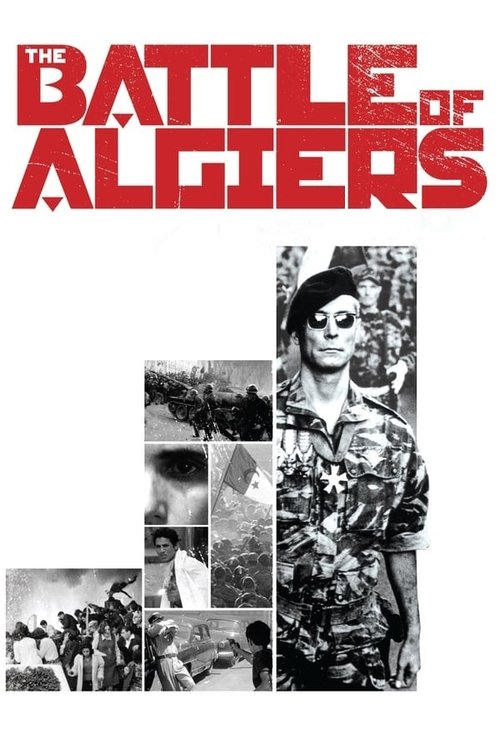
The Battle of Algiers1966
Pontecorvo's urgent, formally brilliant film about colonial resistance and urban warfare. Shares The Mercenary's interest in how revolution actually works—the compromises, the collateral, the moral questions that don't resolve.
But It's a heavy, political film made as quasi-documentary. There's minimal plot comfort; it's interested in systems more than characters, and it doesn't let you off easy.
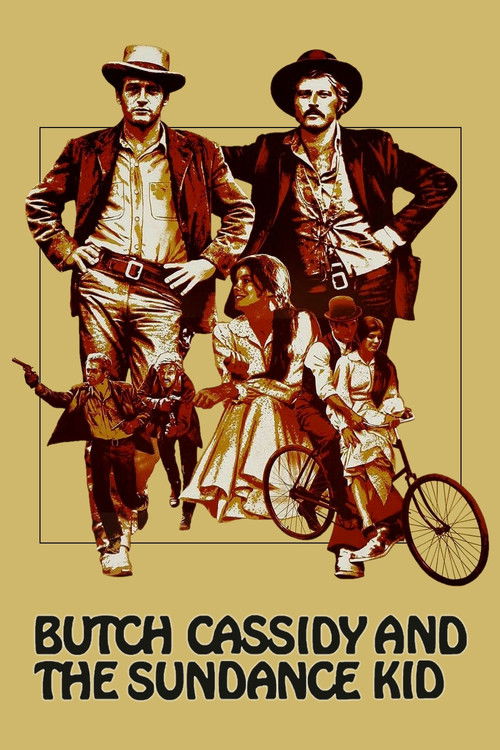
Butch Cassidy and the Sundance Kid1969
Newman and Redford as charming outlaws running from inevitability. It has The Mercenary's blend of humor, action, and genuine melancholy about men who chose the wrong life path.
But Sunnier and less morally complex than it seems. If you want real consequences and darkness, the ending might feel like a copout.
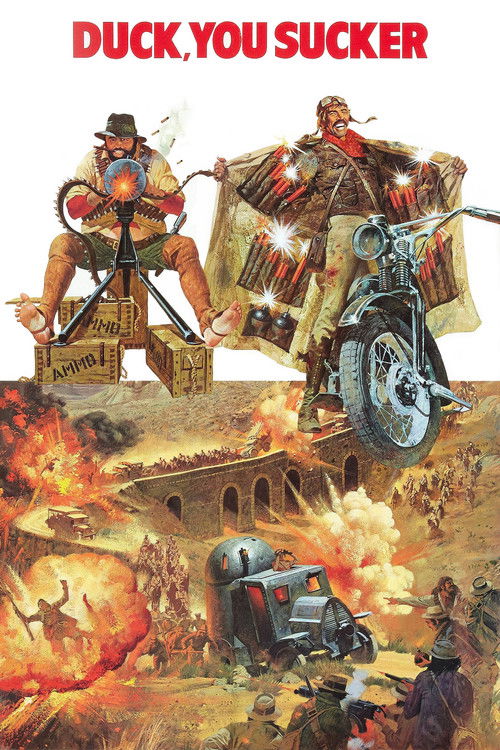
Duck, You Sucker1971
Sergio Leone's only film about revolution, starring James Coburn as a cynical saboteur and Rod Steiger as a peasant bandit. It's The Mercenary's spiritual sibling—funny, violent, and genuinely uncertain about whether revolution is noble or just another con.
But At nearly two and a half hours, it meanders. The tonal shifts between comedy and brutality are intentional but can feel uneven if you're not surrendering to the film's rhythms.
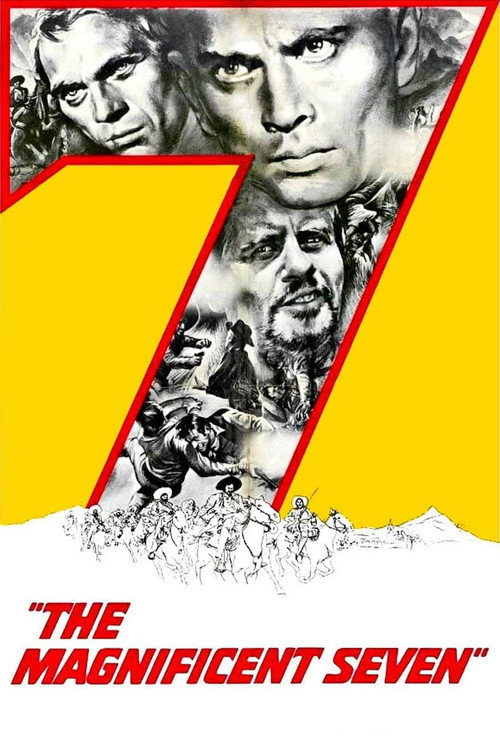
The Magnificent Seven1960
Seven gunfighters agree to defend a Mexican village. It's the template for mercenaries-with-honor, and it's asking the same question: can you do good work for the wrong reasons?
But It's more mythic than realistic. If you want grit and moral ambiguity, this is too clean and sentimental by half.
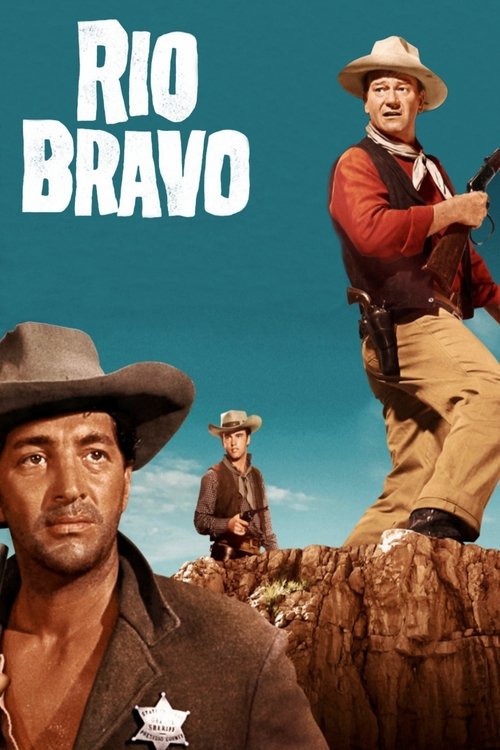
Rio Bravo1959
Hawks' leisurely, character-focused Western with John Wayne and Dean Martin. It trusts the audience to care about dialogue and personality rather than plot velocity—same faith that The Mercenary has.
But Very slow. Nothing much happens for stretches. If you need constant forward momentum, the gentle accumulation of scenes will test your patience.
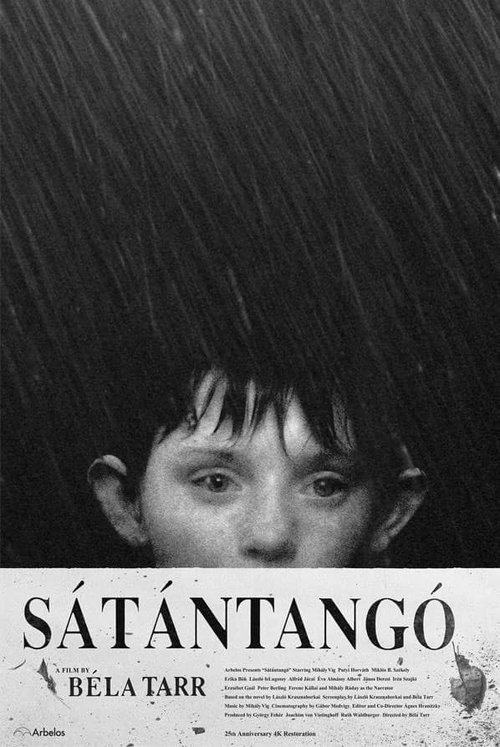
Satantango1994
Like The Mercenary, it refuses to let you rest in an easy position. Both films ask whether the cynic is honest or just afraid, whether principle is noble or naive, and they won't give you an answer because real life doesn't hand you one.
Béla Tarr's seven-hour Hungarian epic about a con artist returning to a dying community. It's moral inquiry as pure cinema: slow, visual, obsessed with whether you can trust anyone, whether survival justifies deception, whether ideals matter when people are hungry.
But Seven hours. Black and white. Deliberately paced. The camera holds on emptiness. It requires patience that resembles meditation more than entertainment.
A Prophet2009
Both are structured as mentorship stories where the mentor wants to teach you cynicism and someone else wants to teach you principle. Both ask: which lesson will actually keep you alive, and at what cost to your soul?
Jacques Audiard's stunning prison thriller about a young man's rise from nobody to power broker. It shares The Mercenary's fascination with how idealism dies, how circumstances reshape you, how you navigate between mentors with opposing visions of what you should become.
But It's a contemporary prison drama, not a Western. If you specifically want the aesthetic and mythology of The Mercenary, this won't satisfy that appetite.

People
Cast
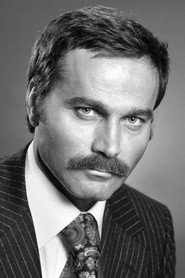 Franco NeroSergei Kowalski, The Polish
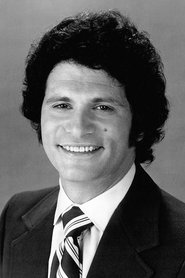 Tony MusantePaco Roman
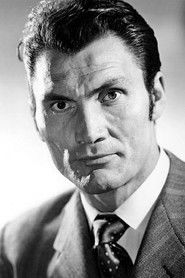 Jack PalanceRicciolo ("Curly")
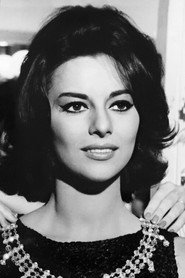 Giovanna RalliColumba
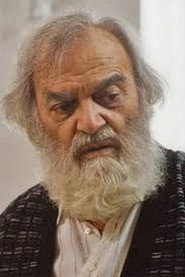 Franco GiacobiniPepote
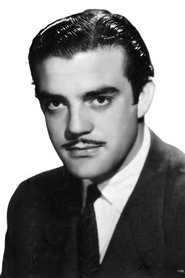 Eduardo FajardoAlfonso García
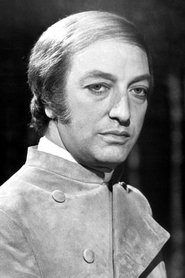 Franco ResselStuds
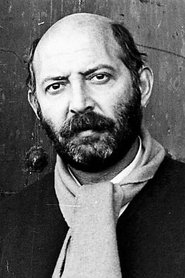 Álvaro de LunaRamon
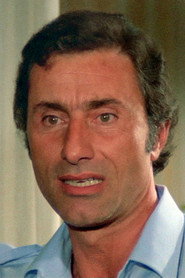 Raf BaldassarreMateo
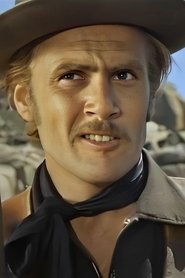 Joe KamelSebastian
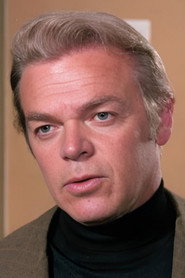 Lorenzo RobledoOfficer
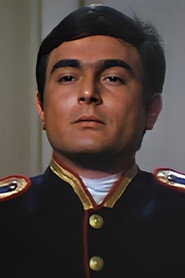
Directing
- Sergio CorbucciDirector
- Filiberto FiaschiFirst Assistant Director
- Ricardo HuertasFirst Assistant Director
- Franca InvernizziScript Supervisor
Writing
- Adriano BolzoniCo-Writer
- Sergio CorbucciCo-Writer
- Sergio SpinaCo-Writer
- Luciano VincenzoniScreenplay
- Franco SolinasStory
- Giorgio ArlorioStory
Production
- Francesco MerliAssociate Producer
- Alberto GrimaldiProducer
- Francesco MerliProduction Manager
- Manuel CastedoProduction Manager
- José Nuño de la RosaProduction Secretary
- Orlando PierfedericiProduction Secretary
- Serafín García TruebaProduction Secretary
- Pietro NofriUnit Manager