Television series
Tales of the South Seas
A 1998 Australian adventure series that adapts Jack London's South Seas stories into episodic swashbuckling. David Grief and his Polynesian partner Mauriri navigate colonial-era Pacific islands seeking fortune, navigating shipwrecks, rivalries, and moral complications. Gorgeously shot on location, it's adventure television made for families but unafraid of real stakes.
Should you watch it?
Watch it if you love old-fashioned adventure built on episodic yarns, where a battered schooner, a sharp-tongued sailor and a new island mystery each week are the whole pleasure, much like the Jack London tales it grew from.
Skip it if you want serialized plotting that tightens across the season, since each hour mostly stands alone and the 1998 production values and pacing feel dated to modern eyes.
What it asks of you: Settle in for one hour per episode across a single run of 22, with a loose, unhurried rhythm and a light touch, so you can dip in and out without losing the thread.
Not sure? Find tonight's pick in a minute.
If you liked this
Black Sails2014
A pirate-era adventure that shares London's interest in moral ambiguity beneath the adventure-story surface. Richly serialized, gorgeously shot, and genuinely moving about loyalty and survival.
But Much darker and more violent than Tales. Also demands patience—the first season requires investment before the serialized plotting pays off.
The Young Indiana Jones Chronicles1992
Educational adventure television that respects both action and history. Episodic but character-driven, with genuine curiosity about the world it portrays. The same era, similar wanderlust.
But Feels a bit safer than London's version. Some episodes are surprisingly uneven in quality and pacing.
Deadliest Catch2005
Real adventure in remote waters, real characters working dangerous jobs. Taps into the same 'man versus ocean and circumstance' energy that London wrote about, but non-fiction.
But Not narrative television—it's observational and episodic, and won't scratch an itch for plot progression or dramatic resolution.
Not sure tonight? Get a pick in a minute, starting from Tales of the South Seas
The wildcard
Something you would not have found on your own.
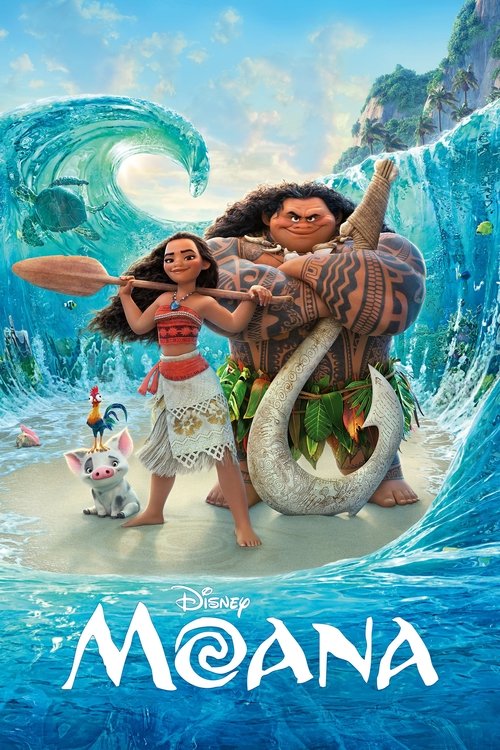
Moana2016
Both find their story in Pacific waters and Polynesian characters as protagonists. Tales treats London's colonial-era adventure as straightforward; Moana reverses the gaze and asks what that ocean meant to the people living on its islands.
An animated film centered on Pacific island culture that takes the mythology and navigation of Polynesian seafaring as its core, not decoration. Genuinely about ocean and heritage, not just adventure trappings.
But A Disney film—optimistic, musical, and shaped for families in ways London's stories emphatically were not. May feel too earnest if you're seeking London's moral cynicism.
More like this (7)
The Far Pavilions1984
A British colonial-era adventure miniseries set across India and Central Asia. Epic romance, genuine exoticism, and that particular '80s confidence that adventure stories could be both thrilling and substantial.
But Paced like the 1980s—patient, long, and sometimes slow. Production values are obviously dated compared to modern work.

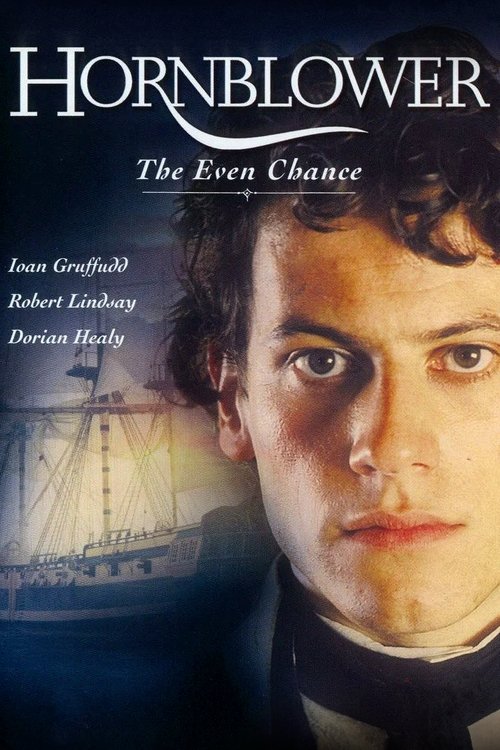
Hornblower: The Even Chance1998
Released the same year as Tales, it captures maritime adventure with intelligence and real nautical knowledge. Episodic stories but with character continuity. Honorable men in impossible situations.
But More formal and buttoned-up than London's rowdier vision. Primarily concerned with naval procedure and gentlemanly conduct rather than moral grit.
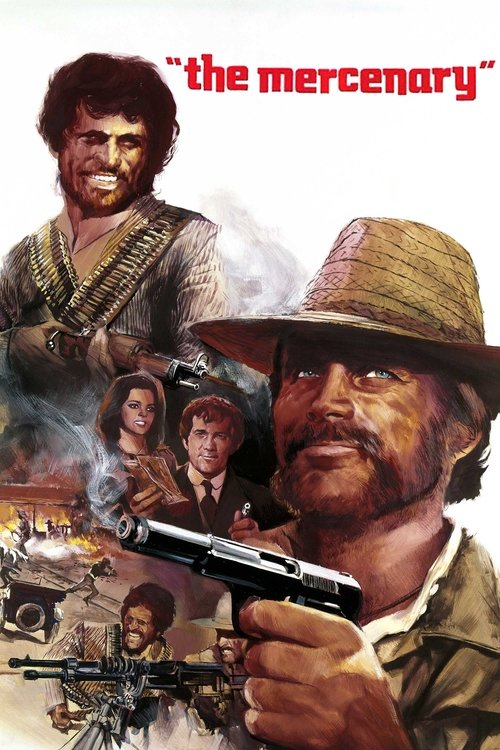
The Mercenary1968
A hardbitten European adventure film about a cynical man taking contracts in volatile regions. Grimy, authentic, and unromantic about the ethics of mercenary life. Captures London's skepticism.
But Not a Hollywood adventure—it's bleak, deliberately unglamorous, and assumes you're an adult who doesn't need reassurance about whether the hero is good.
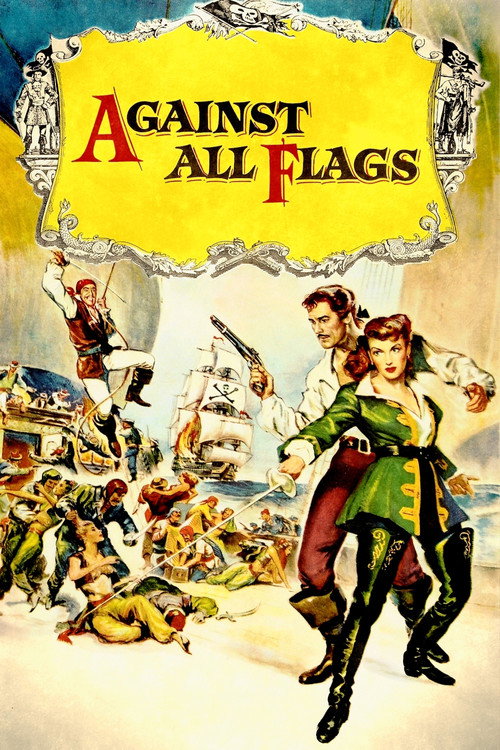
Against All Flags1952
Errol Flynn as a pirate-era adventurer in the South China Sea. Pure swashbuckling joy, technicolor, and the sense that adventure is both thrilling and fundamentally about personal honor.
But Very much of its era—the tone is lighter than London, and some of the gender dynamics will feel dated rather than period.
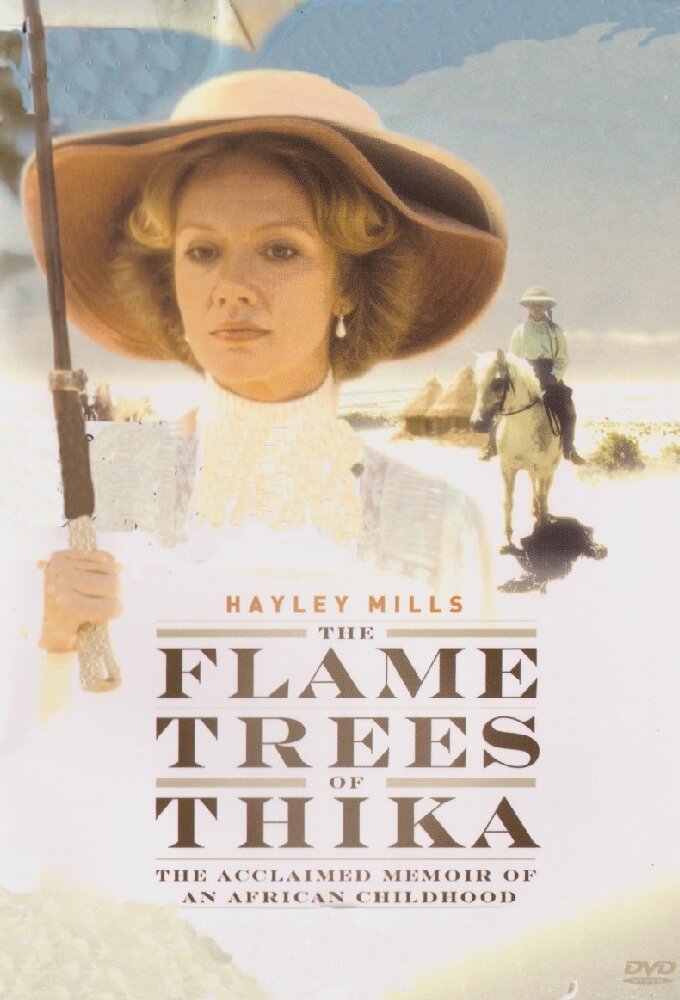
The Flame Trees of Thika1981
A British miniseries about colonial settlers in Kenya. Thoughtful about the exotic landscape and the moral complexity of colonialism, with strong characters navigating a world not built for them.
But A period piece first and an adventure second. If you want action, this prioritizes character and landscape. Also quite British in its emotional reserve.
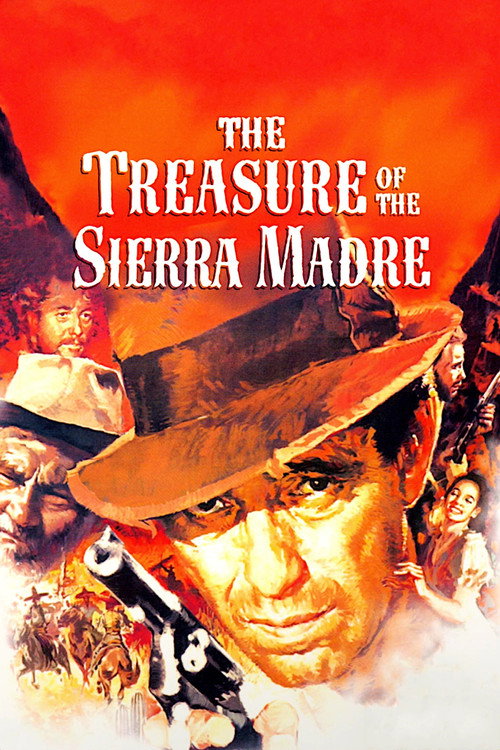
The Treasure of the Sierra Madre1948
Both follow men pursuing fortune across dangerous landscapes, but Treasure asks what happens inside them when they get it. Tales assumes the adventure itself is enough; this film suggests it never is.
Bogart and Huston on greed, partnership, and how adventure strips away civility. A masterpiece about men pursuing fortune and losing everything—the psychological heart of why people leave home.
But Not adventure entertainment. A character study about human corruption. Slow, internalized, deeply pessimistic about human nature.
The Blue Lagoon1980
Both use the South Pacific island landscape as character rather than backdrop. Where Tales treats the islands as spaces for adventure stories, Blue Lagoon asks what it costs to belong to such a place.
Two young people shipwrecked on an uncharted South Pacific island. Visually stunning, genuinely curious about survival, and understated about its own sensuality. A slow-cinema adventure.
But Famously controversial for its casting and what it shows. Also nearly dialogue-free—patience and observation matter more than plot momentum.