Television series
The Flame Trees of Thika
A 1981 BBC adaptation of Elspeth Huxley's memoir about a young English family attempting to build a coffee plantation in turn-of-the-century Kenya. Told through a child's eyes, it balances colonial adventure with genuine cultural collision, domestic struggle, and the raw beauty of an unforgiving landscape. For viewers drawn to character-driven period drama with real stakes and a sense of place.
If you liked this
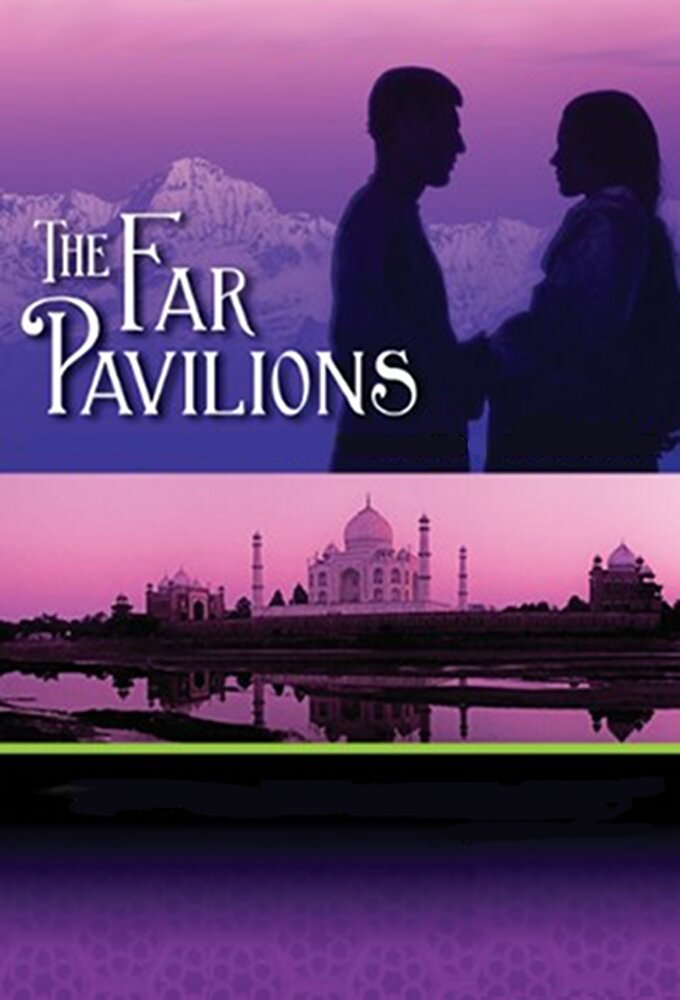
The Far Pavilions1984
Epic Raj-era adventure miniseries with the same ambition to capture colonial experience through romance and spectacle. Ben Cross and Amy Irving anchor sweeping romance against vivid Indian landscapes and political upheaval.
But Considerably more melodramatic and considerably longer—it asks more patience, and the gender politics feel dated even for 1984.
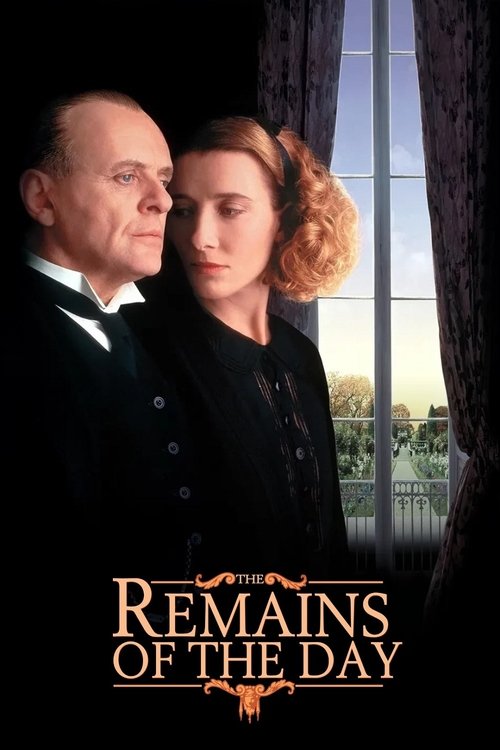
The Remains of the Day1993
James Ivory's masterpiece about English identity abroad, examining what Britain imposed on the world and what it cost those who served the machinery. Hopkins and Thompson are extraordinary, the restraint is shattering.
But Interior, cerebral, almost entirely about what characters *don't* say. If you want adventure and discovery, this is the inverse—loss and complicity.
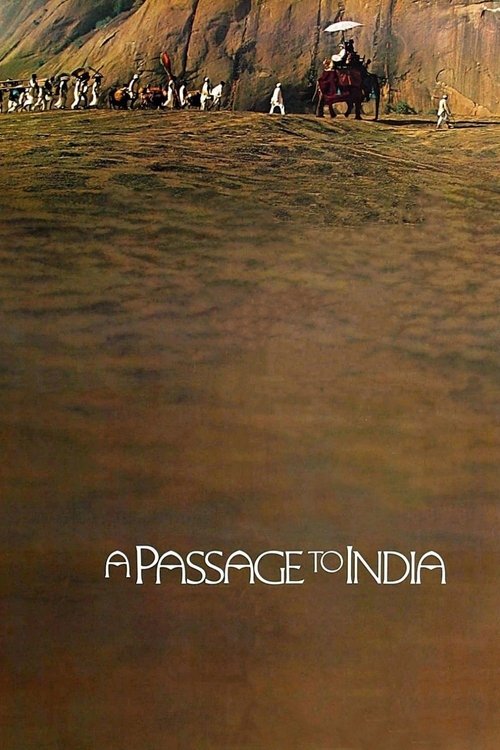
A Passage to India1984
Lean's final film adapts Forster's novel about friendship across colonial lines in British India. Visually sumptuous, dramatically intricate, and genuinely interested in how colonialism warped everyone it touched.
But The pacing is measured rather than propulsive. The central mystery is less important than the tensions it exposes, which some find frustratingly abstract.
Not sure tonight? Get a pick in a minute, starting from The Flame Trees of Thika
The wildcard
Something you would not have found on your own.
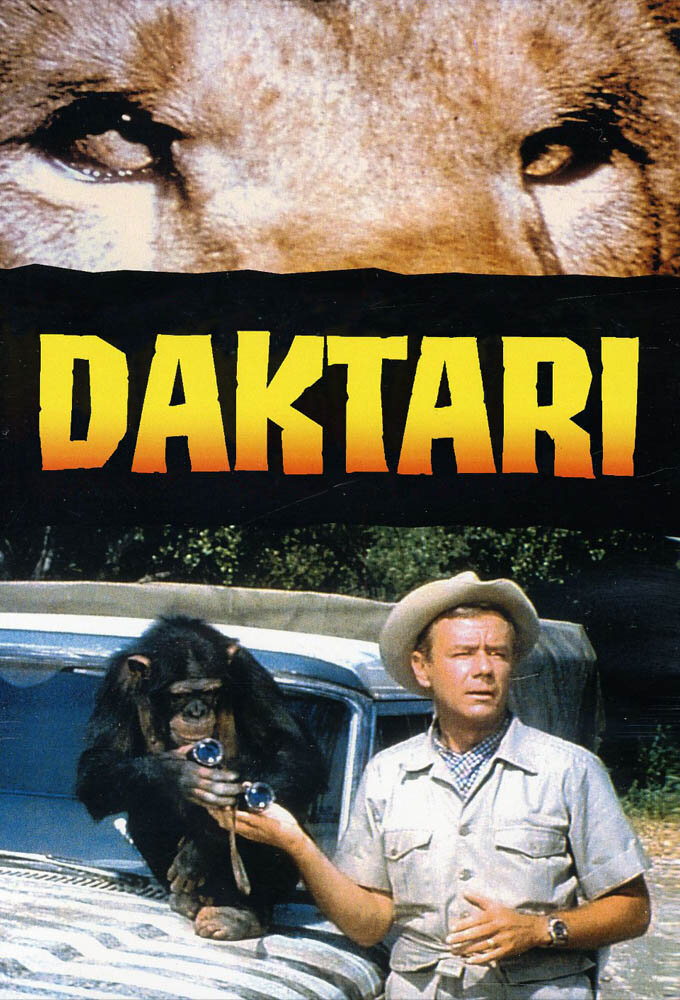
Daktari1966
Both anchor colonial-era African stories in family relationships and daily practicality rather than grand historical pronouncement. Both use landscape as character. But Thika interrogates what Daktari takes for granted.
American adventure series set in Kenya about a veterinarian and his family running a wildlife preserve. It's pulpy fun—animals, small dramas, optimism—but genuinely shot on location with an eye for landscape that surprises you.
But It's wholesome 1960s television with all that implies: simplistic morally, padded narratively, and the treatment of African characters is patronizing even by the standards of the era.
More like this (7)
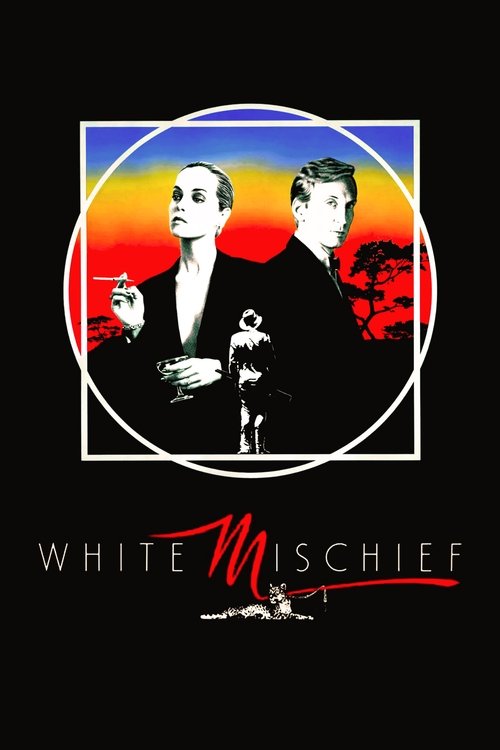
White Mischief1987
Decadence and murder in 1940s Kenya among the Nairobi Set. Charles Dance and Joss Ackland embody the toxicity of unchecked colonial privilege, and the film has genuine erotic charge beneath its social critique.
But It's interested in the settlers' moral corruption more than their humanity. The tone is acidic in ways that can feel cold.
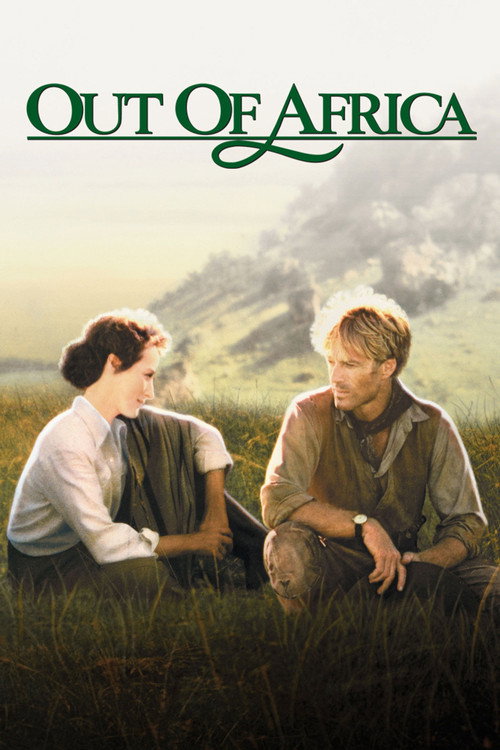
Out of Africa1985
Meryl Streep's Karen Blixen builds a farm and a life in Kenya during the final days of colonialism. Epic in scope, visually ravishing, grounded by Streep's intellectual complexity and Robert Redford's earned vulnerability.
But Won Best Picture, which means it plays it safe. The romance arc is conventional, and at three hours it sprawls beyond its narrative.
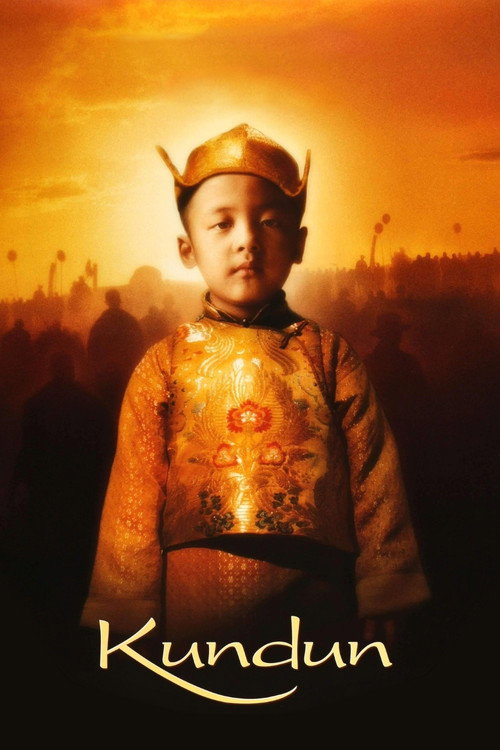
Kundun1997
Scorsese's stylized account of the young Dalai Lama's awakening to Chinese occupation. Shot on location, formally experimental, a meditation on spirituality confronting tyranny rather than conventional historical drama.
But Scorsese's self-consciously artistic approach distances you from the subject. Some find it precious; others feel he's more interested in color than consequence.
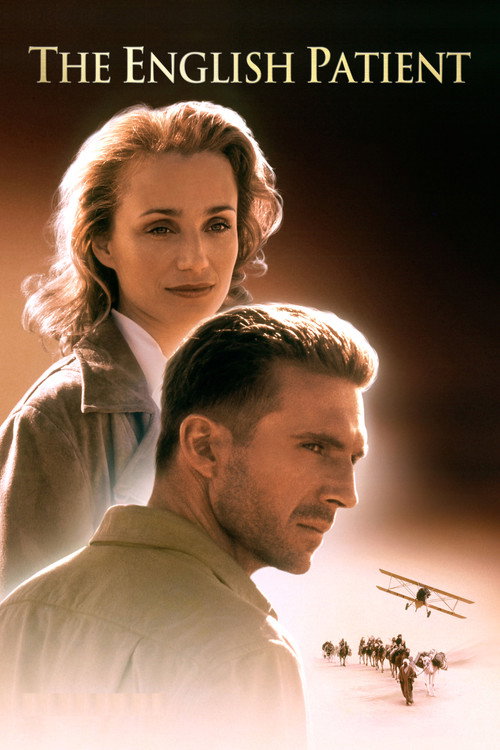
The English Patient1996
Minghella weaves North African desert, betrayal, and passion into a labyrinthine romance that uses World War II as backdrop for asking who we are when identity dissolves. Visually breathtaking.
But It famously outstayed its welcome on screen and in culture. The structure can feel like narrative showing-off, and the love story is sometimes more self-regarding than moving.
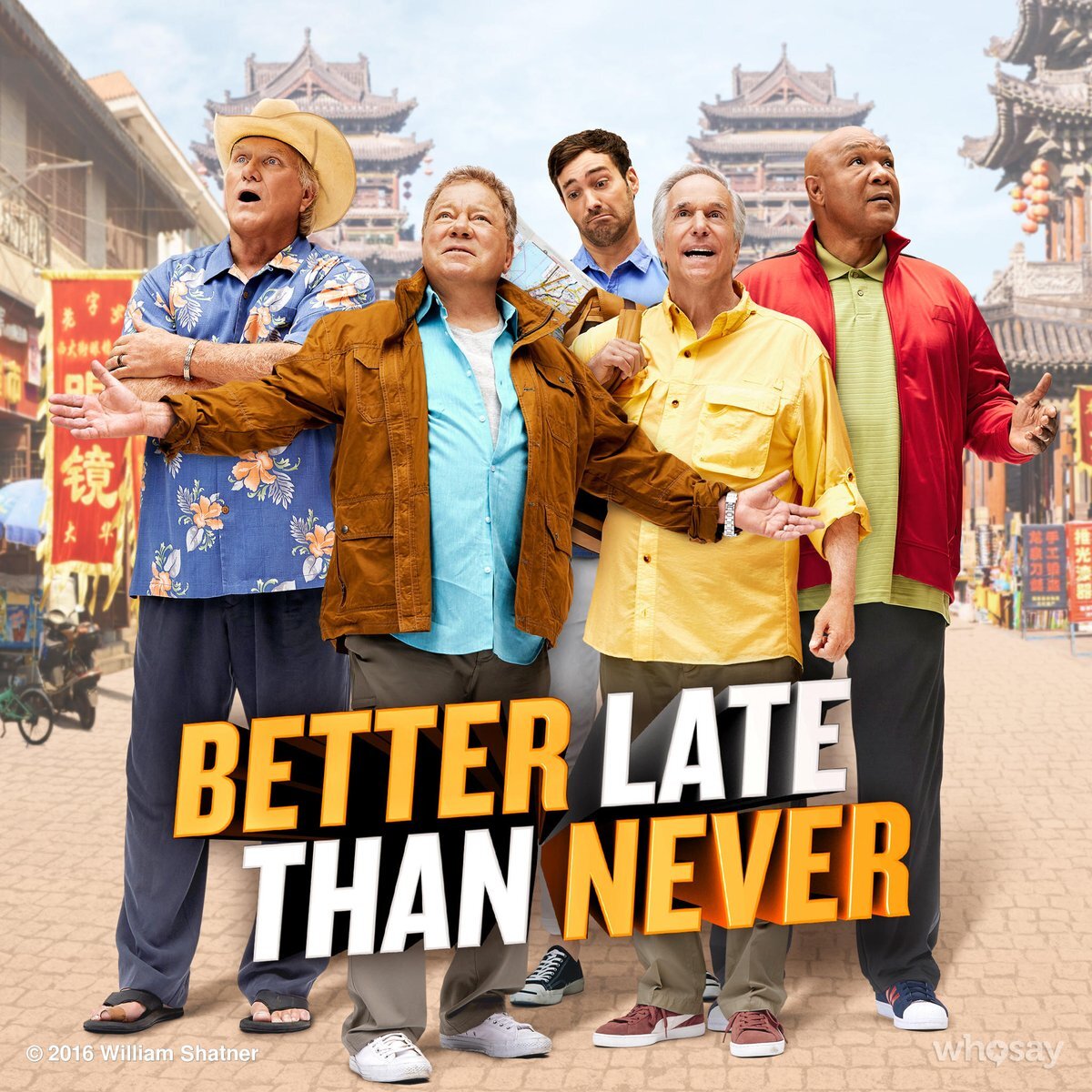
Better Late Than Never2016
Adam Curtis's essay-documentary on Afghanistan and its colonial entanglement. Dense, unsettling, uses archive and analysis to trace how Western intervention created the world we inherited—urgent and strange.
But Curtis's methodology is deliberately non-linear and asks viewers to puzzle out meaning themselves. It's provocative rather than comfortable, and requires real concentration.
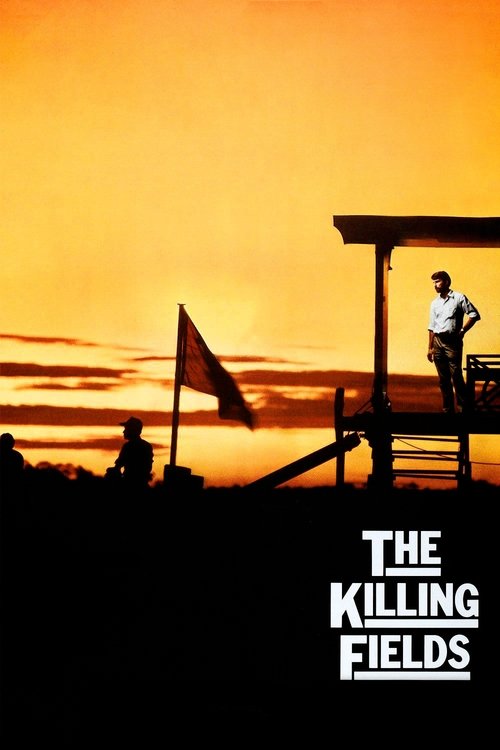
The Killing Fields1984
Both are rooted in a Westerner's presence in a colonial or post-colonial landscape, but use that viewpoint to examine complicity and connection rather than to center Western experience. Both ask what we owe the places and people we encounter.
Joffé's account of Cambodia's genocide told through the friendship between American journalist Sydney Schanberg and his Cambodian assistant Dith Pran. Harrowing, humane, and structurally mirrors Thika's use of witnessing as anchor.
But It documents atrocity, not adventure. The emotional weight is immense and unrelenting. Not a film for escape, and not interested in making the viewer feel good.
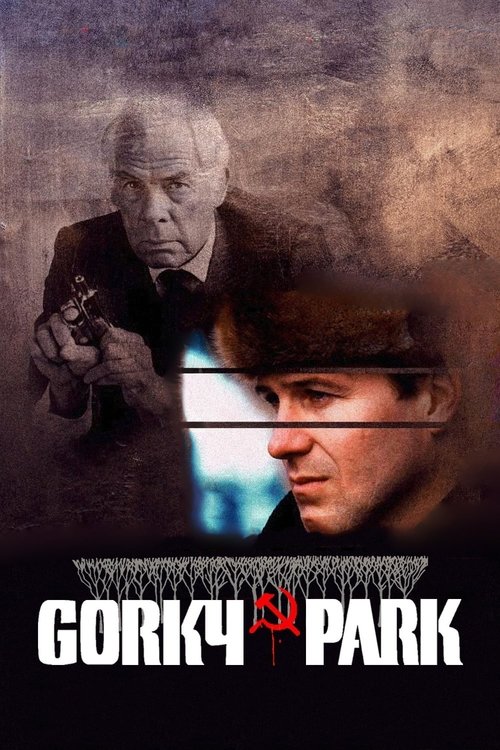
Gorky Park1983
A different geography, but Apted shares Thika's interest in how outsiders navigate unfamiliar bureaucracy and power structures. Both use period detail and setting to make the audience feel off-balance in productive ways.
Michael Apted's Cold War thriller set in Moscow—detective story crossed with political intrigue. Lee Marvin and William Hurt investigate crimes that expose Soviet surveillance and repression. Genuinely tense and intelligent.
But It's a 1980s geopolitical thriller without the period production design of other BBC dramas. The espionage plot can feel like exposition, and the emotional stakes are cerebral rather than felt.