
Film
Duck, You Sucker
Sergio Leone's operatic final Western pairs a cynical Mexican bandit with an IRA dynamiter swept up in the 1913 Mexican Revolution. It's a three-hour symphony of violence, philosophy, and moral transformation wrapped in dust and gunfire. For anyone who's ever wondered what happens when ideology collides with self-interest.
Should you watch it?
Watch it if you love operatic Westerns that mix blunt political anger with a bickering double act, where two mismatched opportunists circle each other through big, theatrical set pieces.
Skip it if the politics are sincere but heavy-handed, and the sprawling length can feel like a lecture with explosions attached.
What it asks of you: Over two and a half hours of unhurried talk, where the quiet stretches carry as much weight as the explosions, and the mood swings from wry to bleak.
Not sure? Find tonight's pick in a minute.
If you liked this
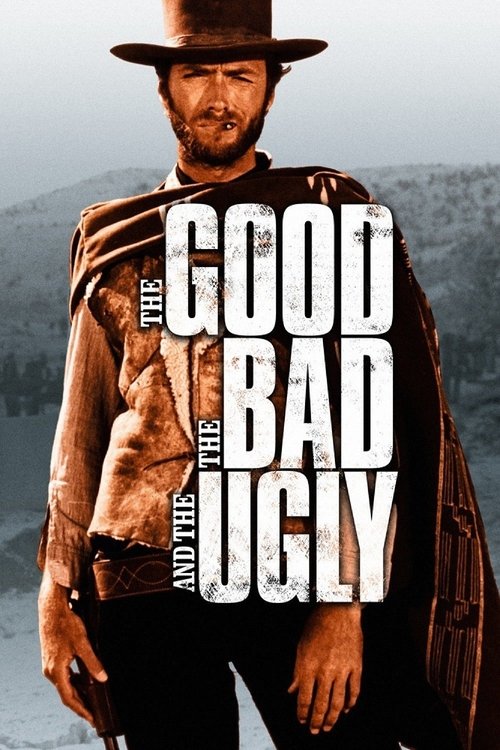
The Good, the Bad and the Ugly1966
The clearest touchstone: Leone's maximalist style, Morricone's magnificent score, and the idea that ordinary men become legends through circumstance rather than virtue. Essential context for understanding Duck, You Sucker's DNA.
But Nearly three hours of deliberate pacing and squinting close-ups. If you want plot momentum over atmosphere, this tests patience.
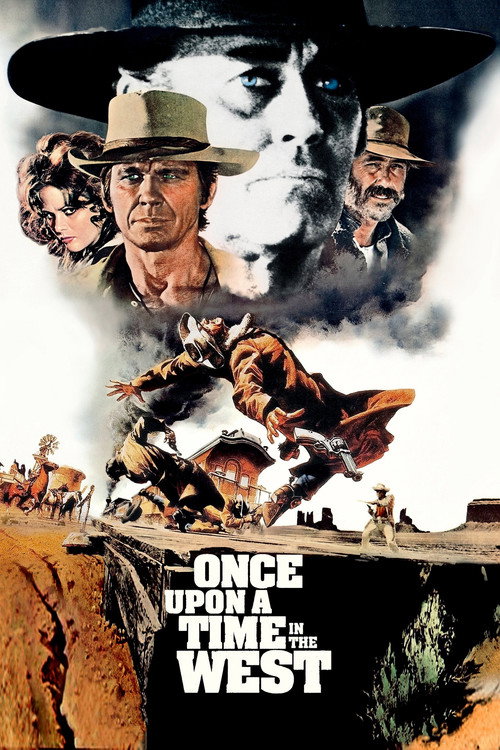
Once Upon a Time in the West1968
Leone at his most ambitious before Duck, You Sucker: perfect compositions, moral ambiguity, and a sense that violence shapes history as much as ideology does. The spiritual predecessor to everything that follows.
But Slower still than The Good, the Bad and the Ugly. Dialogue is sparse, scenes are held long, and nothing rushes.
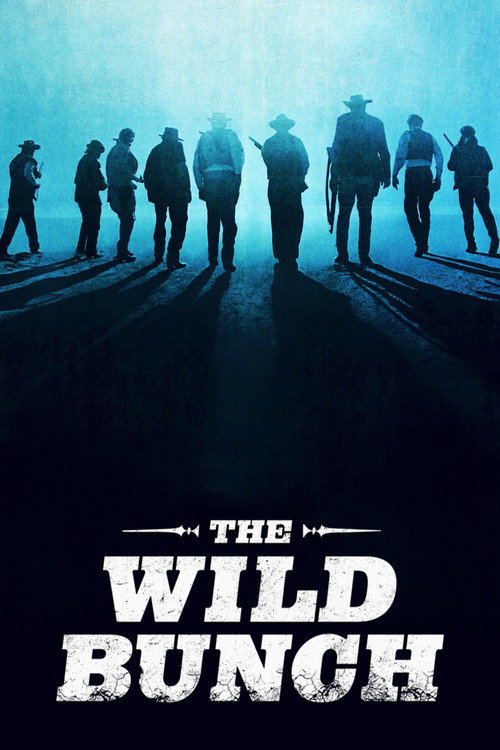
The Wild Bunch1969
Peckinpah's blood-soaked meditation on aging outlaws confronting a changing world. Shares Duck's interest in how idealism and cynicism destroy each other, wrapped in balletic violence and genuine melancholy.
But Intensely brutal. The violence is not distant or mythic—it's visceral and consequences feel real. Not an adventure.
Not sure tonight? Get a pick in a minute, starting from Duck, You Sucker
The wildcard
Something you would not have found on your own.
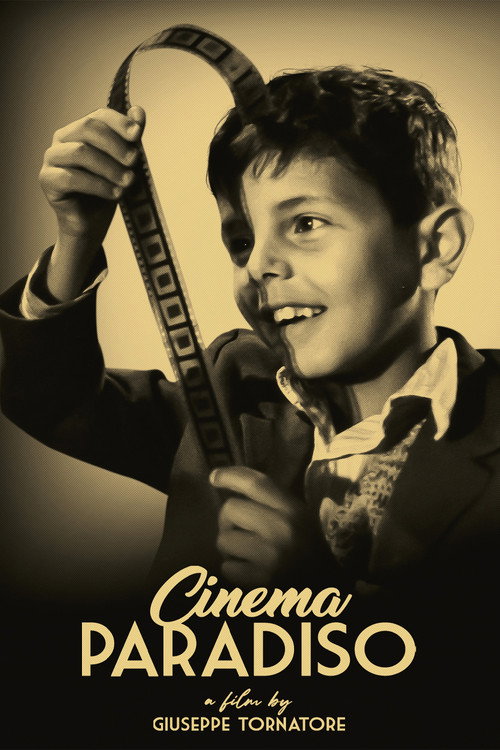
Cinema Paradiso1988
Both are about how individuals become legendary through the stories others tell about them. Duck shows how myth corrupts; Cinema Paradiso shows how myth sustains.
Tornatore's love letter to cinema itself. It seems like pure nostalgia at first, but it's actually about how cinema and memory and mentorship shape who we become—how we're all changed by the stories we're told. A counterweight to Duck's violence.
But Sentimental and warm. If you're looking for Duck's operatic nihilism and moral complexity, this is gentle and almost childlike. The tone is almost opposite.
More like this (7)
Johnny Guitar1954
Nicholas Ray's fever-dream Western where the moral stakes aren't what you expect and characters operate on pure will and conviction. Odd, audacious, and proves the genre could be psychological long before Leone arrived.
But Deliberately strange and oblique. The plot is secondary to mood and character, which won't satisfy if you want a straightforward story.

The Ballad of Little Jo1993
Maggie Greenwald's revisionist Western about identity and survival. Like Duck, it asks what happens when someone becomes a symbol against their will, and treats revolution as messy and personal rather than grand.
But Quieter and more intimate than you might expect from a Western. The scale is small, the budget was modest, and there's little spectacle.

A Prophet2009
Jacques Audiard's prison thriller about a man trapped between systems and forced into power he didn't seek. The same engine as Duck—accidental hero, moral compromise, the cost of survival—but set in a modern French jail.
But Subtitled and contemporary. If you're coming for mythic Westerns, the modern setting and prison setting may feel like a step away from the poetry.

The Battle of Algiers1966
Pontecorvo's stark, brilliant film about revolution and resistance. Like Duck, it refuses easy sides, showing how ordinary people become agents of history and how violence begets more violence without resolving the underlying wrong.
But Documentary-style and unglamorous. It's about strategy and suffering, not action set pieces. The politics are front and center and unsparing.

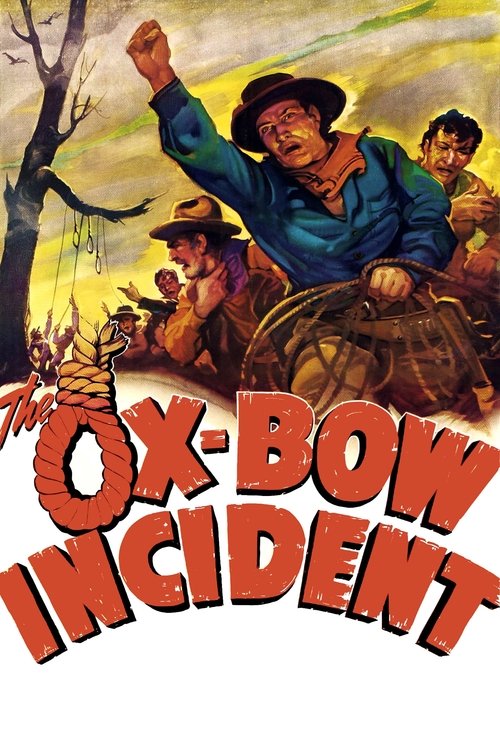
The Ox-Bow Incident1943
William Wellman's lean Western about mob justice and collective guilt. Predates Leone by decades but operates on the same moral wavelength: how do good people do terrible things when given permission by circumstance?
But A tragedy, not an adventure. It's dark and fatalistic and offers no catharsis or redemption, only recognition of human failure.
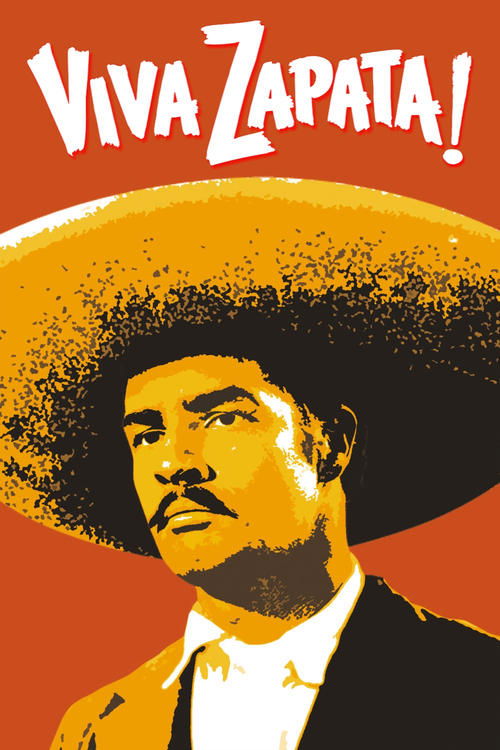
Viva Zapata!1952
Kazan's portrait of the Mexican Revolution through the eyes of Emilio Zapata. More earnest and less mythic than Duck, but essential context for understanding the historical moment Leone is both honoring and subverting.
But Earnest to the point of staginess. It's interested in political philosophy more than character complexity, which can feel heavy-handed.
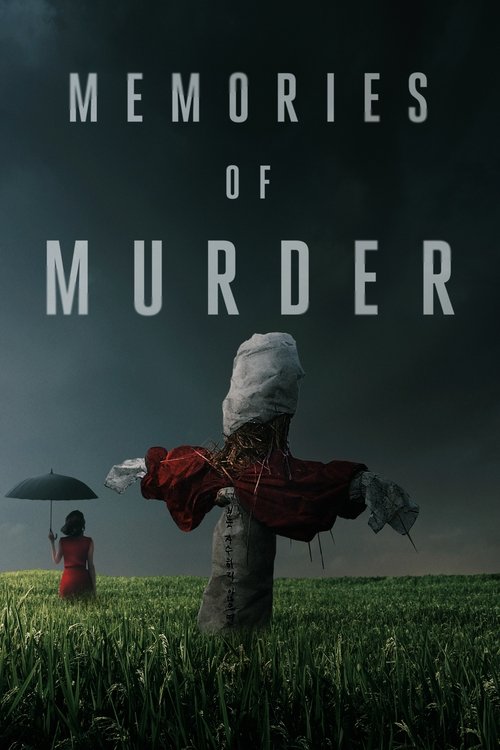
Memories of Murder2003
Both feature an outsider (John in Duck, the city detective in Memories) arriving and destabilizing an existing order. Both show how systems—revolutionary or governmental—grind individuals into tools.
Bong Joon-ho's serial killer procedural set in 1980s South Korea. It shares Duck's interest in how systems corrupt individuals, how authority breeds violence, and how an outsider's presence exposes uncomfortable truths. Morally intricate and masterfully constructed.
But Korean film, subtitled, and brutally bleak. The violence is intimate and ugly rather than mythic. The ending offers no justice or clarity, only recognition of institutional failure.
People
Cast
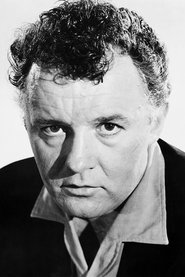 Rod SteigerJuan Miranda
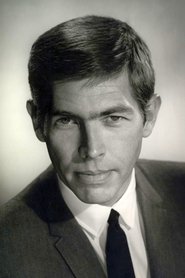 James CoburnJohn H. Mallory
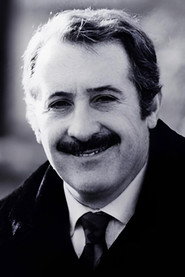 Romolo ValliDr. Villega
 Maria MontiWoman on Stagecoach
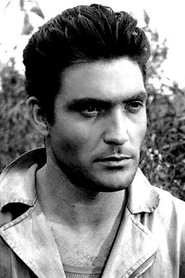 Rik BattagliaSanterna
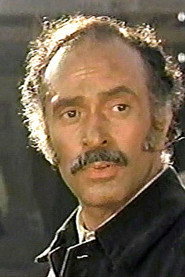 Franco GraziosiGovernor Jaime
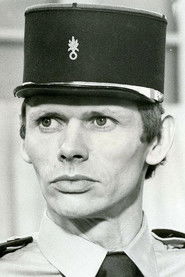 Antoine Saint-JohnCol. Günther Reza
 Vivienne ChandlerJohn's Girlfriend
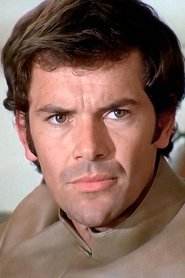 David WarbeckSean Nolan
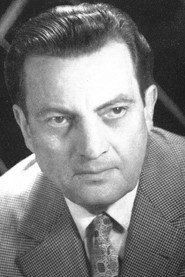 Giulio BattiferriMiguel
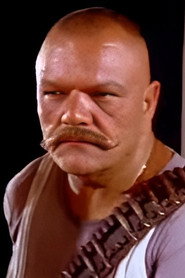 Poldo BendandiRevolutionary
 Omar BonaroRevolutionary
Directing
- Tony BrandtAssistant Director
- Serena CanevariContinuity
- Sergio LeoneDirector
- Alberto De MartinoSecond Unit Director
- Giancarlo SantiSecond Unit Director
Writing
- Carlo TrittoDialogue
- Roberto De LeonardisDialogue
- Luciano VincenzoniScreenplay
- Sergio DonatiScreenplay
- Sergio LeoneScreenplay
- Sergio DonatiStory
- Sergio LeoneStory
Production
- Claudio ManciniAssociate Producer
- Ugo TucciAssociate Producer
- Fulvio MorsellaProducer
- Raffaello FortiProduction Accountant
- Camillo TetiProduction Manager
- Vasco MaferaProduction Secretary
- Claudio ManciniProduction Supervisor