
Film
The Pinochet Case
Rigorous documentary about the 1998 arrest of Chilean dictator Augusto Pinochet in London and the 500-day legal battle that followed. Director Marcelo Faretta traces how an unexpected opportunity for justice collided with geopolitics, immunity law, and political will. Gripping procedural about power, accountability, and how the world actually works—bracing rather than comforting.
Should you watch it?
Watch it if you find the slow machinery of an international legal fight gripping, and you want history told through documents and archive footage rather than reenactment.
Skip it if you want a film that moves quickly; this is a talky, sober affair built from archive clips and legal argument, and its subject, state violence against citizens, is grim.
What it asks of you: Patience above all: it stays in rooms full of officials and lawyers, its tension coming from delay and paperwork rather than from mounting suspense or any rush.
Not sure? Find tonight's pick in a minute.
If you liked this
The Act of Killing2012
Indonesian filmmaker asks perpetrators of 1965 genocide to recreate their crimes on film. The results are disturbing, darkly absurd, and philosophically devastating about memory, conscience, and whether monsters can see themselves clearly.
But Methodologically provocative in ways that still upset people. Requires sitting with real moral discomfort rather than catharsis.

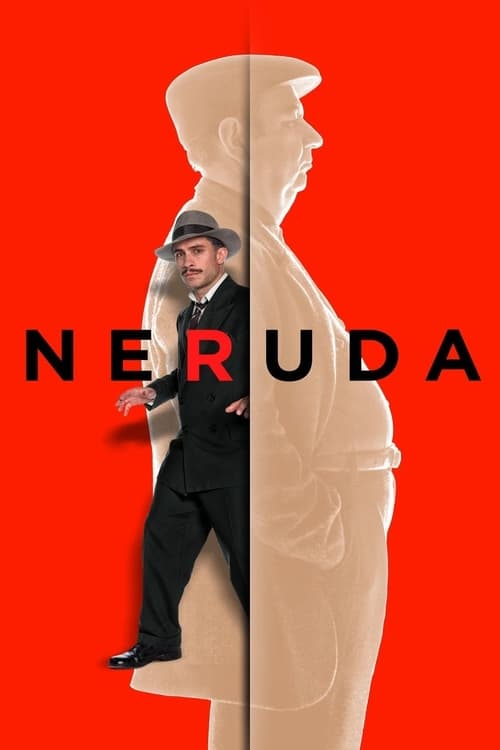
Neruda2016
Pablo Larraín's cat-and-mouse thriller about Chilean poet Pablo Neruda evading Pinochet's secret police. Visually restless and morally complex; shows the regime from the hunted's perspective with style and fury.
But Fictionalized rather than documentary—some viewers want strict adherence to fact when politics are involved. Also formally experimental in a way that might distract from story.
No Strings Attached2011
Gael García Bernal in Larraín's film about the 1988 Chilean plebiscite campaign that finally toppled Pinochet. Political thriller disguised as advertising war room comedy. Joyful and tense at once.
But The regime's brutality is present but not dwelled upon; some want confrontation rather than clever procedural momentum.

Not sure tonight? Get a pick in a minute, starting from The Pinochet Case
The wildcard
Something you would not have found on your own.
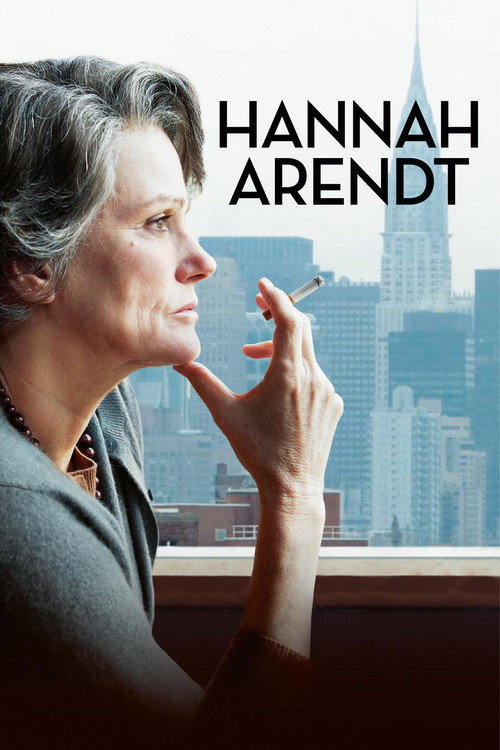
Hannah Arendt2012
Both films turn on trials as moments when history pauses and the powerful must account. Arendt interrogates *whether* justice is possible; Pinochet Case shows *why* it fails. Both ask whether testimony and law can touch conscience.
German film about philosopher Hannah Arendt writing about Eichmann's trial in Jerusalem. Shows how a thinker processes totalitarianism and the banality of evil in real time. Becomes a film about writing itself, and moral argument as urgent work.
But Mostly people in rooms talking about ideas. No courtroom drama or visual spectacle. Demands engagement with dense philosophical material.
More like this (7)
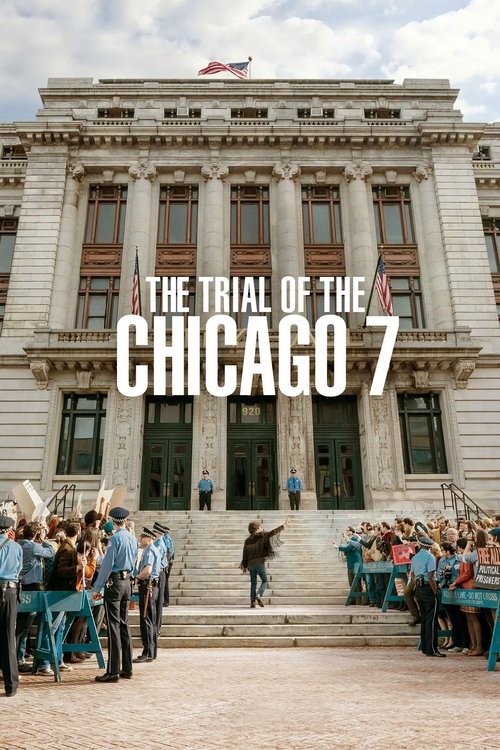
The Trial of the Chicago 72020
Aaron Sorkin's courtroom procedural about 1968 Democratic Convention protesters. Thrilling demonstration of how trial structure itself becomes theatre, and how the system can be rigged or exposed depending on who controls narrative.
But Sorkin's trademark rapid-fire dialogue may feel glib when discussing state violence. Ultimately more about rhetoric than consequences.
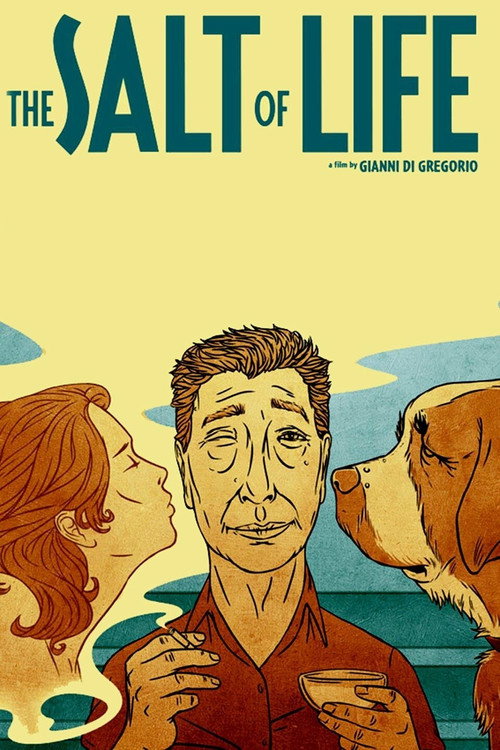
The Salt of Life2011
Italian documentary following a retired judge in Buenos Aires investigating disappeared persons from that country's dictatorship. Intimate and painstaking; shows how justice work actually happens—slowly, with paperwork and exhaustion.
But Deliberately unsexy. Quiet pacing may feel slow to those wanting urgent drama rather than patient investigation.
Our Brand Is Crisis2015
George Clooney political thriller about a presidential campaign in Bolivia, with Bullock as a ruthless American strategist. Stylish examination of how democracy gets staged and sold in the Global South.
But Fictional, sometimes flip-toned when discussing real instability. Less interested in victims than in power mechanics.
A Separation2011
Asghar Farhadi's Iranian drama about divorce uses family law and testimony to examine truth, justice, and whose story gets believed. Every frame interrogates how systems fail ordinary people.
But Not about dictatorships or state violence—operates at family and local court scale. Oblique approach may frustrate those wanting direct political engagement.
Winter Light1963
Bergman's stark chamber film about a pastor losing faith and a woman in crisis. Formal masterpiece about institutional failure and human loneliness; shows how systems abandon people in their darkest moments.
But Bleak, slow, spiritual rather than political. No narrative momentum or clear answers. Austere in the extreme.
Capturing the Friedmans2003
Both trace what happens when the apparatus of justice descends. Pinochet shows power evading accountability; Friedmans shows ordinary people destroyed by it. Mirror images of the same machinery.
Andrew Jarecki's documentary about an accused family uses home video, interviews, and trial footage to ask: what is true? Devastating because it withholds easy answers and shows how families collapse under state scrutiny, guilty or innocent.
But Deeply disturbing subject matter involving children. Methodologically controversial—accused of favoring one narrative over victims. Morally ambiguous in ways that trouble viewers.
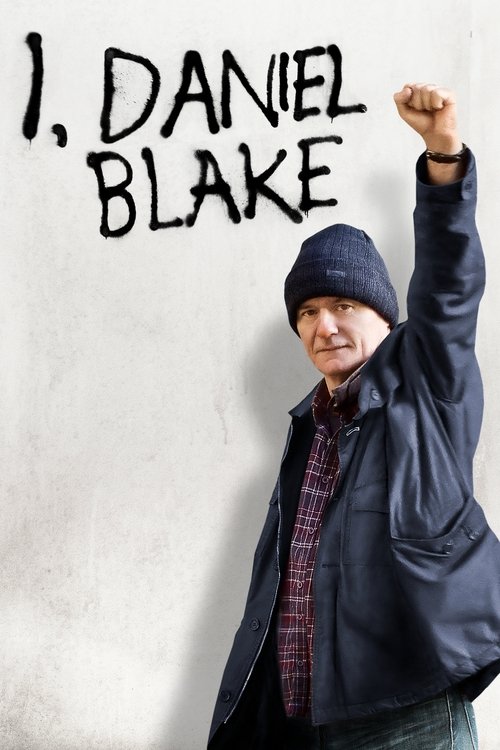
I, Daniel Blake2016
Both examine how systems protect the powerful while destroying the vulnerable. Pinochet's judges chose inaction; Loach's bureaucracy is inaction weaponized. Both ask: where is justice when the apparatus itself becomes the crime?
Ken Loach's film about a widower battling UK welfare bureaucracy after a heart attack. Not political cinema in the obvious way—it's about forms, waiting, the death-by-a-thousand-cuts of systems designed to exhaust. Quietly furious.
But Structurally spare and emotionally punishing. The injustice is quotidian and unglamorous—no villain to hate, just rules that kill. Some find that bleaker than any thriller.
People
Cast
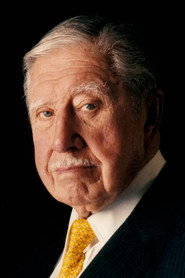 Augusto PinochetSelf (archive footage)
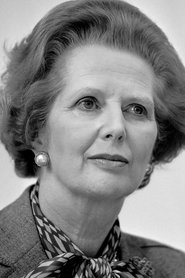 Margaret ThatcherSelf (archive footage)
Directing
- Patricio GuzmánDirector
Production
- Yves JeanneauProducer