
Film
The Salt of Life
A sixty-year-old retired Roman man, beloved by everyone but desired by no one, sets out to prove he's still got it after his friend suggests he should have taken a young mistress by now. Gianni Di Gregorio's film is a tender, funny meditation on aging, desire, and the gap between being useful and being wanted. It's Italian cinema at its most human and least sentimental.
Should you watch it?
Watch it if you enjoy quiet, observant comedies where a decent man's small vanities and late-life restlessness are teased without cruelty, and where the humour comes from ordinary domestic friction.
Skip it if you want a plot that builds and a story that drives forward; this is loose, episodic and gently meandering, with few big laughs.
What it asks of you: Ninety minutes, unhurried and mostly indoors, with a dry, sidelong humour that rewards patience more than attention.
Not sure? Find tonight's pick in a minute.
If you liked this
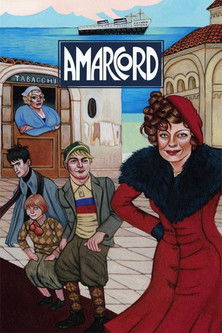
Amarcord1973
Fellini's portrait of a small Italian town is similarly layered—comedy and melancholy wrapped together, full of small moments that reveal everything about how people actually live. The texture of daily life is the whole point.
But It's three hours of digressive, dreamlike storytelling with no conventional plot. If you want things to happen in a line, this will feel indulgent and slow.
About a Boy2002
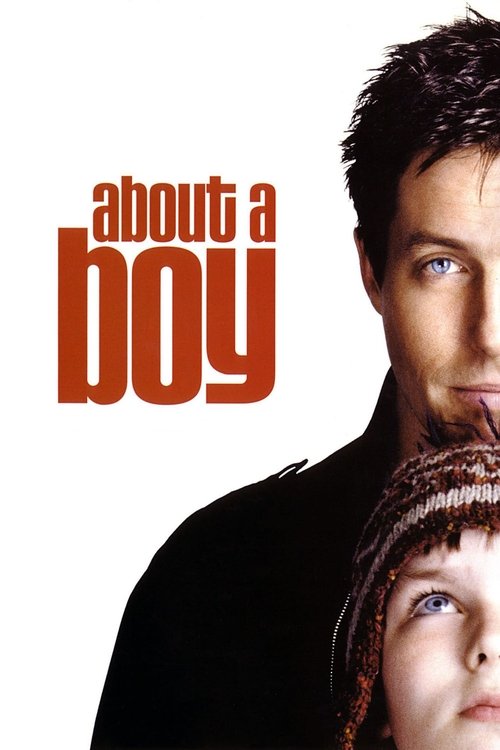
A man adrift in middle age learning to care about someone else, with a similarly gentle humor and the same insight that being likeable isn't the same as being loved. Funny without trying to be clever.
But The tone is warmer and more sentimental than The Salt of Life. Some will find it saccharine; it doesn't have the same wry edge.
Lost in Translation2003
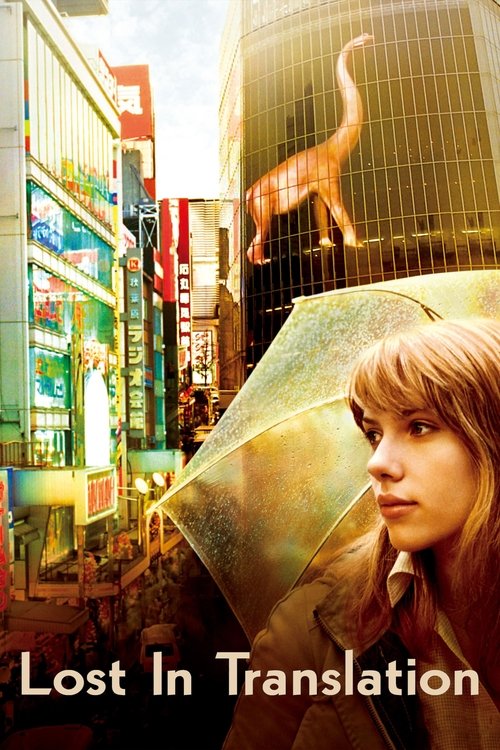
Sofia Coppola's study of two people touching something real in a foreign city has the same unhurried pacing and emotional accuracy. Sadness and humor aren't separated here; they're the same thing.
But Very quiet, very interior. Almost nothing happens. If you need momentum or dialogue, you'll find it frustratingly slow.
Not sure tonight? Get a pick in a minute, starting from The Salt of Life
The wildcard
Something you would not have found on your own.
Jeanne Dielman, 23, quai du Commerce, 1080 Bruxelles1976
Both films treat daily domestic life as profound rather than mundane. The texture of a day—shopping, chores, small courtesies—is where these films find their meaning.
Chantal Akerman's three-hour observation of a woman's daily rituals—shopping, cooking, routine—is the exact inverse of Gianni's story. Where he's trying to escape usefulness and routine, she's living inside it completely. But both films argue that the quotidian IS the story, that how people move through their day reveals everything.
But Experimental and austere. There's almost no plot, no dialogue, just watching someone do chores. Many find it tedious or pretentious. It requires patience that Gianni doesn't demand.

More like this (7)
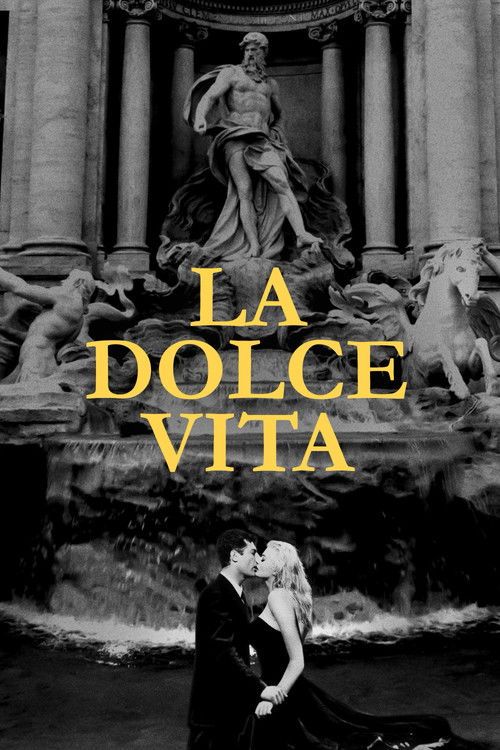
La Dolce Vita1960
Fellini again—the film that defined Italian cinema's fascination with desire, beauty, and the impossible distance between them. Essential viewing to understand what Gianni is both loving and gently mocking.
But Three and a half hours, black-and-white, deliberately episodic. The pacing is stately. Modern audiences often find it glacial.
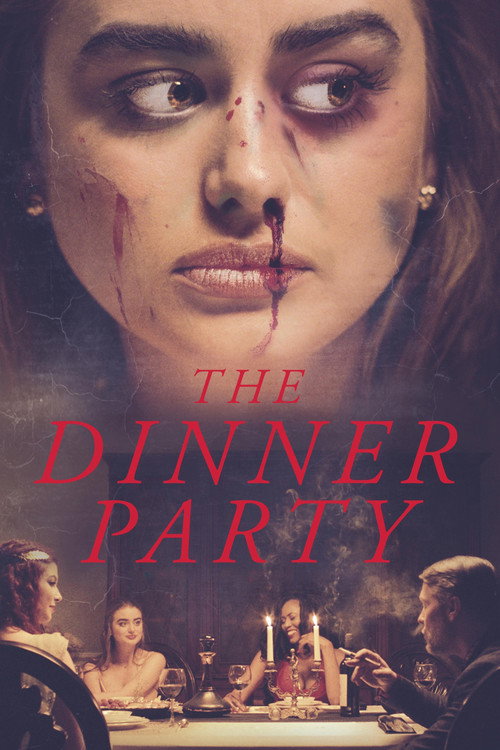
The Dinner Party2020
A recent Italian comedy about middle-aged men and women navigating desire, family, and self-image. Similar humor, similar milieu, a kindred spirit in tone.
But Broader in places. It doesn't have quite the restraint or insight, and it feels more constructed.
Ikiru1952
Kurosawa's masterpiece about an aging bureaucrat asking what his life has meant. Completely different culture and era, but the core question—how to matter, how to be loved, not just useful—is identical.
But Japanese, 1952, deeply serious. There's almost no humor. It's a slow excavation of grief.

Clockers1995
Spike Lee's portrait of a neighborhood is similarly attentive to the details of how people live and interact. That same texture of daily life as character.
But A crime drama set in New Jersey. Tonally and geographically nothing like Gianni's Rome. It's much more violent and urgent.

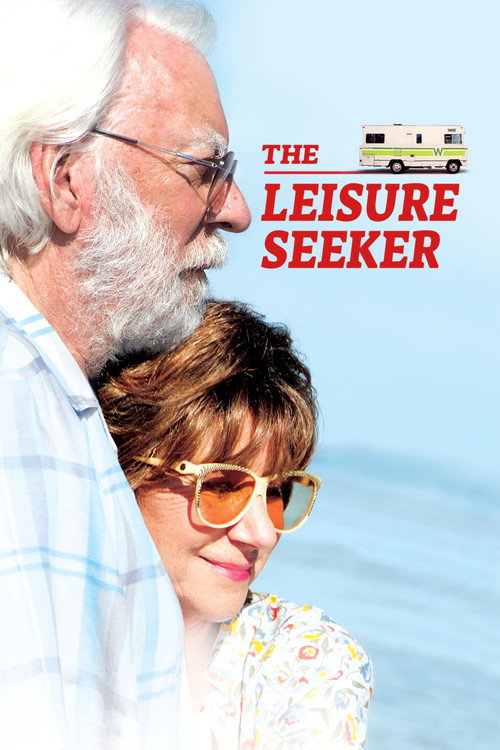
The Leisure Seeker2018
Helen Mirren and Donald Sutherland as an aging couple on a road trip, funny and heartbreaking by turns. The same questions about time, desire, and what matters.
But An American film that leans toward sentiment. It's warmer and less skeptical than The Salt of Life, and some will find it maudlin.
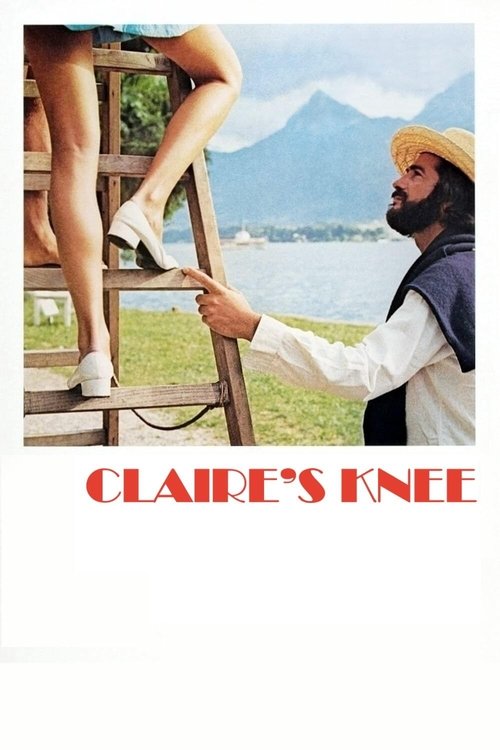
Claire's Knee1970
Both are comedies about desire that take desire seriously without becoming melodramatic. Both find humor in the gap between what people want and what they can actually have or say.
Rohmer's subtle comedy about a man's minor obsession with a young girl's knee is European cinema at its most elegant and funny. The same dry humor about desire, the same attention to how people negotiate attraction and decorum.
But Mannered, cerebral, deliberately constrained. It's about nothing much, which is the whole point, but if you need stakes or drama you'll be bored.
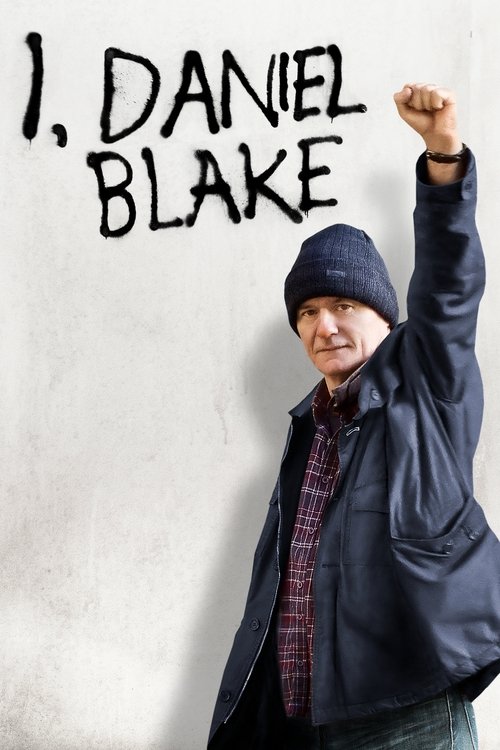
I, Daniel Blake2016
Both films are portraits of an older man's interior life, watching him try to matter to the people around him. Both are skeptical of easy answers about what makes a life meaningful.
Ken Loach's film about an aging man navigating bureaucracy and kindness is as interested in Gianni is in daily life and human connection. Graver in tone, but it asks the same question: what does it mean to matter to people, to be seen?
But It's a social realist drama about poverty and state neglect. Dark, angry, bleak. Nothing like the Italian comedy texture or humor.
People
Cast
 Gianni Di GregorioGianni
- Valeria De FranciscisLa Madre
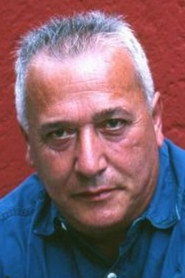 Alfonso SantagataAlfonso
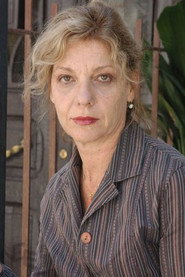 Elisabetta PiccolominiLa Moglie
 Valéria CavalliValeria
 Aylin PrandiAylin
 Kristina CepragaKristina
 Michelangelo CiminaleMichelangelo
 Lilia SilviLilia
Directing
- Gianni Di GregorioDirector
- Guido CollaFirst Assistant Director
- Cinzia LiberatiScript Supervisor
- Giorgio ServilloSecond Assistant Director
- Matilde BarbagalloSecond Assistant Director
- Margherita FerriThird Assistant Director
Writing
- Gianni Di GregorioIdea
- Valerio AttanasioIdea
- Gianni Di GregorioScreenplay
- Valerio AttanasioScreenplay
- Gianni Di GregorioStory
- Valerio AttanasioStory
- Gianni Di GregorioWriter
- Valerio AttanasioWriter
Production
- Bruno Di BartolomeiAccountant
- Bruno Di BartolomeiAdministration
- Isabella SpinelliAssociate Producer
- Fabiola BanziCasting
- Francesca BorromeoCasting
- Michela MinischettiCasting Assistant
- Gaetano DanieleExecutive Producer
- Maria Fantastica ValmoriPost Production Coordinator
- Angelo BarbagalloProducer
- Alfredo MiserocchiProduction Assistant
- Ivana KastratovicProduction Manager
- Claudia TomassiniPublicist
- Maria PanicucciUnit Manager
Recommended by
Human, Our Daily Bread, Finding Vivian Maier, Alive Inside, Even the Rain, Which Way Is The Front Line From Here? The Life and Time of Tim Hetherington, Mediterranea, Cuba and the Cameraman, Neruda, Sea Sorrow, Society of the Snow, Terraferma, CBS Reports: Harvest of Shame, Mayor, The Gleaners and I, The Pinochet Case, Bringing Down a Dictator, Unbranded, Sugar Cane Alley, Carved in Silence, The Invisible War, What the Health, Rivers and Tides, Coffee for All, Pray the Devil Back to Hell, A Film About Coffee, Los Andes no creen en Dios, Burma VJ: Reporting from a Closed Country, Bye Bye Brazil, Trio, Nickel Boys, Ai Weiwei: Never Sorry, Grief, Tantura, Star stuff, Hooligan Sparrow, The Magic Mountain, The Alzheimer's Project, Union Maids, In Pursuit of Silence, Perspective, Monsoon, Last Train Home, All That Breathes, The Dhamma Brothers, 1906, Nomadic, Letters from Marusia, Boat Trip, The Juniper Tree, Vivian Maier Photographer