
Film
The Dhamma Brothers
- Social drama
- Prison
- Slow-burning
A documentary following inmates at a maximum-security Alabama prison as they undertake a ten-day silent Vipassana meditation retreat. What emerges is neither inspirational pablum nor cynical sociology, but something rarer: a genuinely curious look at whether ancient practice can crack open hardened lives. It's quietly devastating and occasionally transcendent.
Should you watch it?
Watch it if you are drawn to quiet documentaries where ordinary people speak plainly about their inner lives, and you like watching a hard place slowly loosen its grip on the men inside it.
Skip it if you want a documentary that drives forward with incident and interviews, since much of the runtime is spent in stillness, silence and men sitting with their own thoughts.
What it asks of you: It runs a brisk seventy-six minutes but moves at the pace of breath, so it rewards patience and a willingness to let long silences do the talking.
Not sure? Find tonight's pick in a minute.
If you liked this
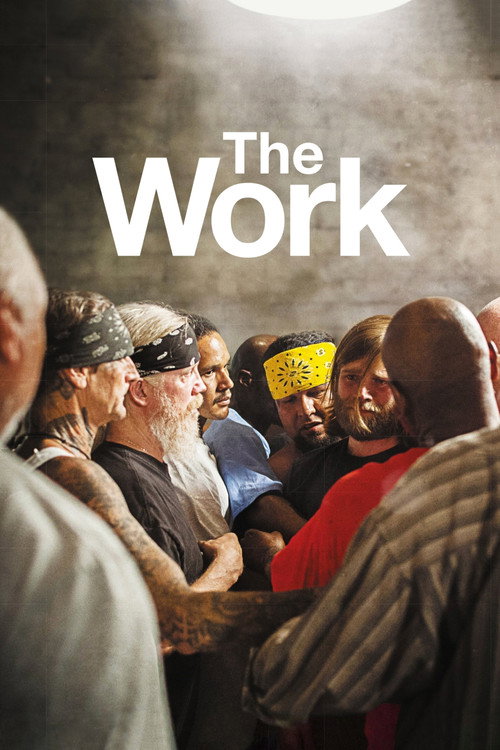
The Work2017
Follows a similar arc—incarcerated men confronting themselves through intensive emotional work—but captures the raw, unfiltered vulnerability of men in a therapeutic prison weekend. Unbearably honest.
But It's relentless emotional exposure. There's no distance, no narration to soften it. Watching men break down for ninety minutes straight is hard.
The Program2015
Lance Armstrong documentary that explores how conviction and denial operate inside a person. A different kind of meditation on truth and self-deception, without sentimentality.
But It's about cycling, and about a specific famous figure. The scale is completely different from a prison doc.

Alien Resurrection1997
A Kentucky prison film about men in programs aimed at rehabilitation. Has the same regional texture and understands that transformation is granular, not cinematic.
But Quieter and more fragmentary. Lacks the narrative momentum that makes *The Dhamma Brothers* so gripping.
Not sure tonight? Get a pick in a minute, starting from The Dhamma Brothers
The wildcard
Something you would not have found on your own.
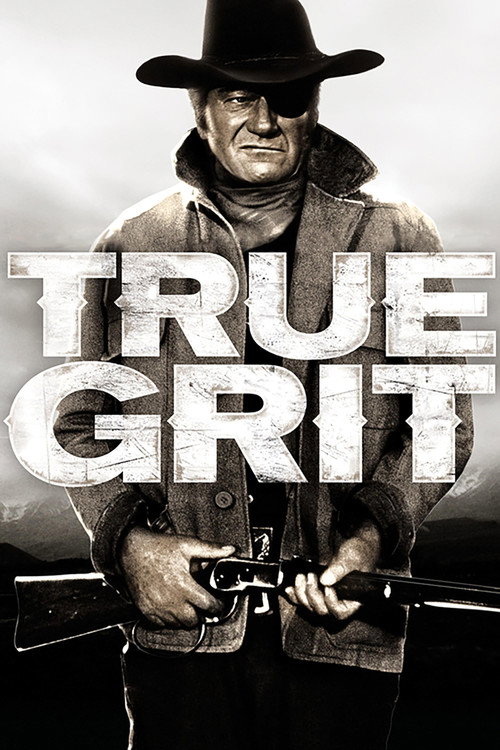
True Grit1969
Both interrogate what it means for a hardened man to change his compass. *True Grit* does it through plot and archetype; *Dhamma Brothers* does it through direct observation. Same question, opposite methods.
Coen Brothers' remake is good, but watch the original: Rooster Cogburn is a portrait of a man shaped by violence trying to live with integrity. It's a meditation on character and redemption without a single second of preaching.
But It's a Western from 1969, not a documentary. If you're looking for 'real' transformation, this is fiction—and slower than modern cinema.
More like this (2)
The Death of Ivan Ilyich2024
Both examine what happens when a man is forced to sit still and see himself clearly. One is ancient meditation; one is medieval literature adapted for film. Both arrive at similar truths about how people actually change.
A Russian film adaptation of Tolstoy's novella about a dying judge confronting a life lived wrongly. Ten days of interior reckoning—what Vipassana might look like as narrative drama. Devastating.
But It's slow, philosophical, and Russian. No plot momentum. Requires patience and tolerance for existential dread.
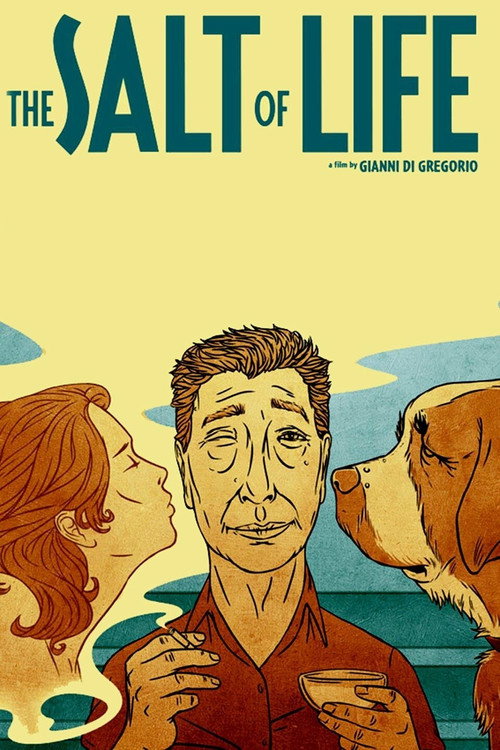
The Salt of Life2011
Both use extended time and the filmmaker's attention as the primary tool. Neither believes in artificial drama. Both trust that observation itself—quiet, sustained—can be enough to reveal who someone is.
Paolo Sorrentino's essay-film about an aging cinematographer reflecting on his life. No narrative, just observation and memory. What happens when a life gets looked at directly.
But It's meditative to the point of immobility. Essentially plotless. If you watch *Dhamma Brothers* for narrative momentum, this will feel like it's not doing anything.
People
Cast
- Grady Bankheadhimself
- Ron Cavanaughhimself
- Jonathan Crowleyhimself
Directing
- Andrew KukuraDirector
- Jenny PhillipsDirector
Recommended by
The Tibetan Book of the Dead: A Way of Life & The Great Liberation