
Film
The Tibetan Book of the Dead: A Way of Life & The Great Liberation
- Fantasy
- Slow-burning
Leonard Cohen narrates this 1994 documentary exploring Tibetan Buddhist teachings on death and the afterlife. Part meditation, part ritual instruction, it traces how ancient bardo practices reached the West and observes them in practice. Hypnotic and sincere, it's for anyone curious about how different cultures contemplate mortality—and unafraid of quiet.
Should you watch it?
Watch it if you are curious about how a foreign belief about death travelled into Western bookshelves and minds, and you like essayistic documentary that lets ideas breathe rather than hurrying toward a point.
Skip it if you want a tight, plot-driven film or a clear answer on what death is like; this is reflective, sometimes talky, and lingers over ritual and ideas.
What it asks of you: It asks for patience across ninety-one minutes; the pace is unhurried, the mood reflective, and the images do much of the talking.
Not sure? Find tonight's pick in a minute.
If you liked this
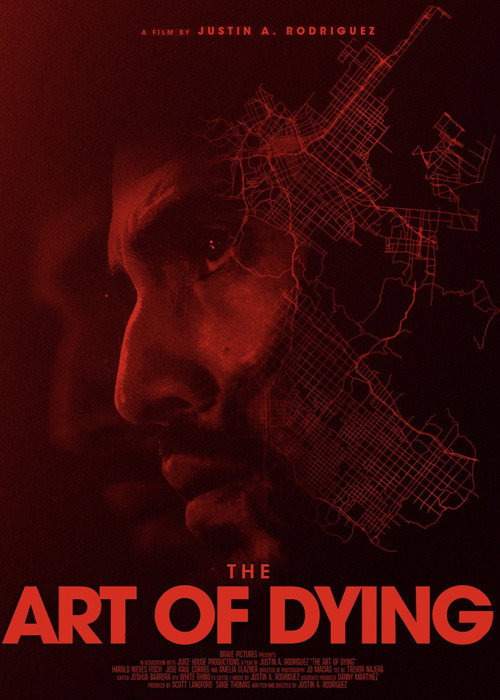
The Art of Dying
Shirley MacLaine explores Eastern philosophy and reincarnation with genuine intellectual curiosity. A rare Hollywood film that takes spiritual inquiry seriously without irony or condescension.
But The production values are distinctly '70s, and some sequences feel more like experimental art than narrative cinema. Patience required.
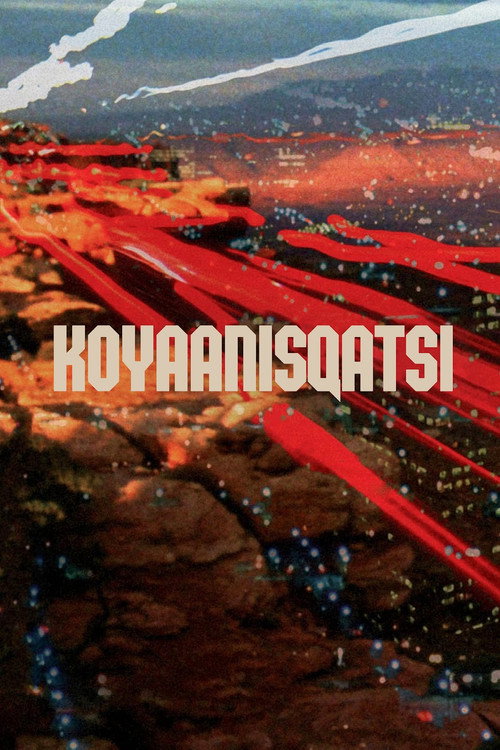
Koyaanisqatsi1983
Godfrey Reggio and Philip Glass create a visual meditation on existence without dialogue. Like this film, it uses image and sound to bypass the thinking mind and create direct experience.
But No plot, no explanation, no characters. If you need story scaffolding, you'll find it alienating and slow.
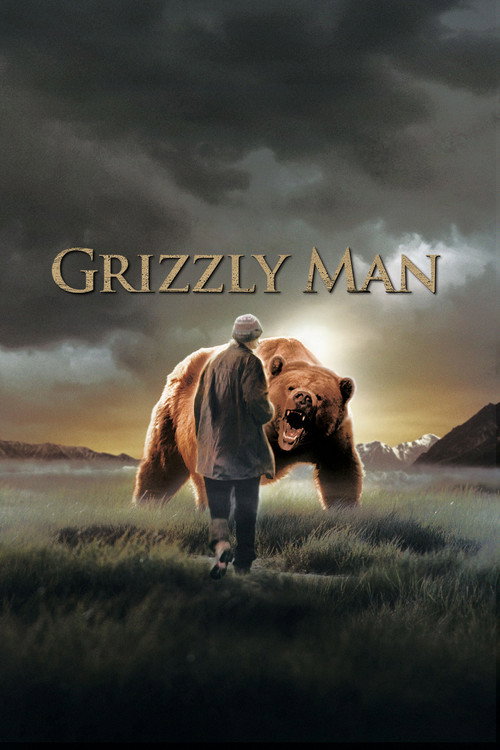
Grizzly Man2005
Werner Herzog meditates on death, nature, and delusion through the life of a bear enthusiast. Another documentary that treats mortality as philosophy, not spectacle.
But It's about a man's death by bear. The final minutes are devastating. Not suitable if you need comfort from your documentaries.
Not sure tonight? Get a pick in a minute, starting from The Tibetan Book of the Dead: A Way of Life & The Great Liberation
The wildcard
Something you would not have found on your own.
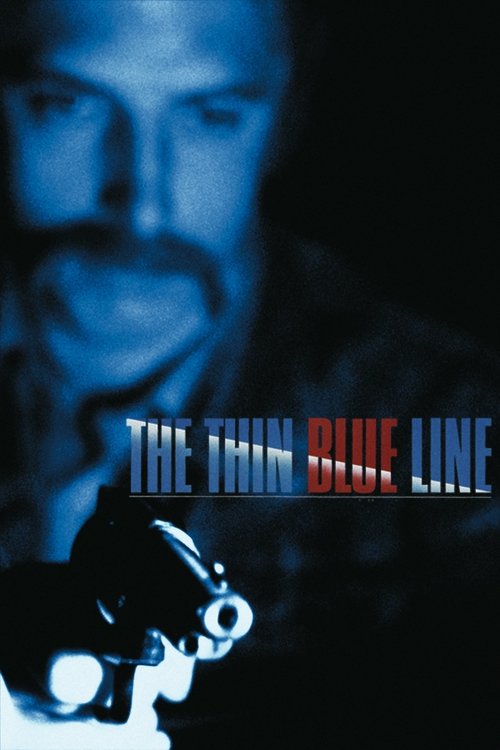
The Thin Blue Line1988
Both use visual language and sound design to convey what cannot be spoken; both trust the viewer's capacity for contemplation.
Errol Morris investigates a murder using only images, music, and interviews—no narration. Like this film, it uses formal innovation to make the invisible visible and asks viewers to sit with ambiguity and meaning-making rather than receiving answers.
But It's about a miscarriage of justice, not transcendence. The emotional register is darker and the stakes are earthly, not spiritual.
More like this (7)
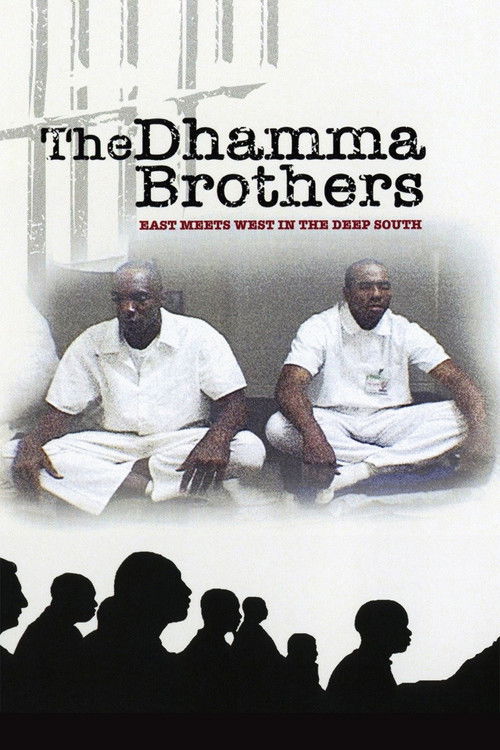
The Dhamma Brothers2007
Buddhist inmates in a maximum-security prison practice meditation and transform their lives. Proof that these teachings work in the harshest possible conditions, no mysticism required.
But Prison footage can feel exploitative. Some viewers find the redemption narrative too neat given the real constraints of incarceration.
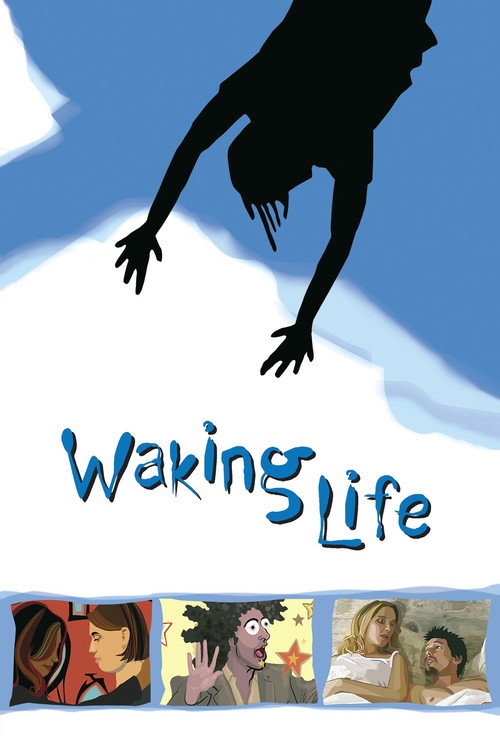
Waking Life2001
A rotoscoped film about a man exploring consciousness and reality through philosophical conversations. Visually hypnotic and structurally similar: no plot, just ideas and atmosphere.
But It's deliberately abstract and can feel pretentious. The philosophy is undergraduate-level, and the animation won't appeal to everyone.
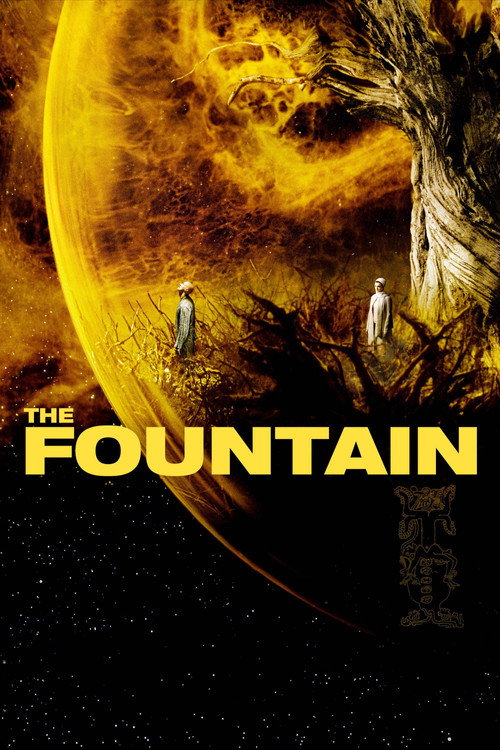
The Fountain2006
Darren Aronofsky's three-timeline meditation on love, death, and acceptance. Like the Tibetan Book, it visualizes the invisible and treats mortality with tenderness rather than fear.
But Narratively opaque and visually dense. Some find it overwrought; it demands active viewing and rewards patience unevenly.
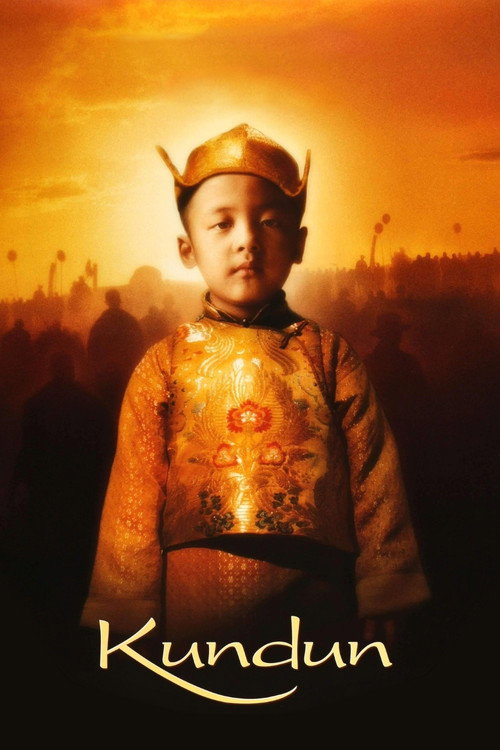
Kundun1997
Martin Scorsese's film about the young Dalai Lama's spiritual awakening. A rare Western film that honors Tibetan Buddhism with visual beauty and genuine reverence.
But It's meditative rather than dramatic. Long sequences of ritual and landscape may feel glacial if you want conventional narrative momentum.
In the Mood for Love2000
Wong Kar-wai's devastating film about desire and loss. It shares this documentary's sense of time as circular, and its understanding that certain feelings exist beyond words.
But It's entirely internal—characters barely speak. The extreme visual stylization overwhelms plot. Not a film for viewers who need clarity.

A Ghost Story2017
Both depict the disorientation of the state after death and use visual repetition and temporal strangeness to evoke it.
David Lowery's film about time, love, and a ghost waiting in a house. Like the Tibetan Book's exploration of the bardo, it visualizes the immediate afterlife and asks what consciousness does when the body is gone.
But It's deliberately slow and uses minimalism that some will find boring. A man in a sheet for ninety minutes. The ending is abstract.

Sans Soleil1983
Both treat time as the real subject—how it passes, how we remember it, how it contains contradictory truths—and use formal fragmentation to embody that theme.
Chris Marker's essayistic documentary collages footage from Japan, Guinea-Bissau, and Iceland into a meditation on memory, history, and time. Like this film, it refuses conventional documentary form and instead creates a philosophical experience through juxtaposition.
But It's a diary film without a narrator's thesis. Connections are personal and elliptical. If you need a guide, you'll be frustrated.

People
Cast
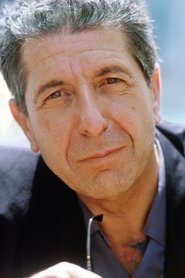 Leonard CohenNarrator
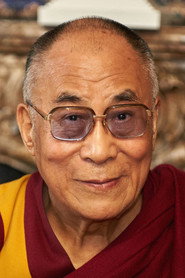 Tenzin GyatsoSelf
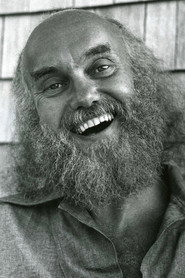 Ram DassSelf
Directing
- Barrie McLeanDirector
- Hiroaki MoriDirector
- Yukari HayashiDirector
Production
- Atsunori KawamuraProducer
- David VerrallProducer