
Film
The Art of Dying
A taut twelve-minute thriller about a man drawn into peril by cryptic instructions from an unseen voice. Shot with real tension and visual economy, it builds dread through misdirection and restraint. For viewers who love tight genre pieces that trust the audience to fill in blanks.
If you liked this
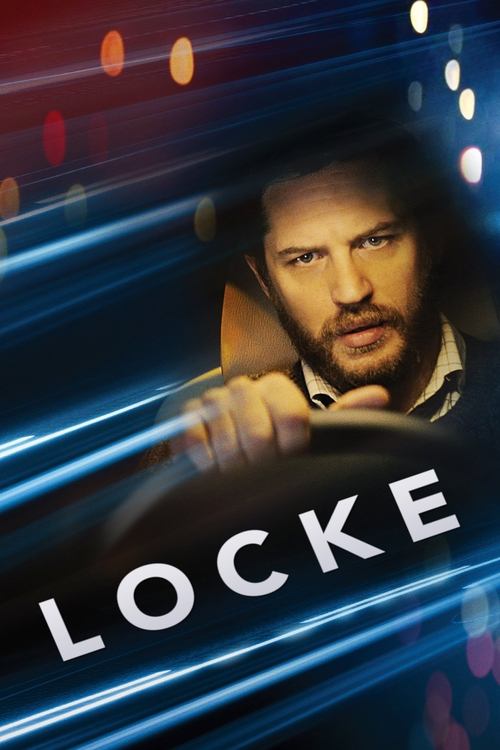
Locke2014
Tom Hardy alone in a car, phone conversations building unbearable pressure. A film that makes constraint into suspense through performance and sound design—every word matters.
But It's literally a man in a car for 85 minutes. The claustrophobia works against you if you need visual variety.
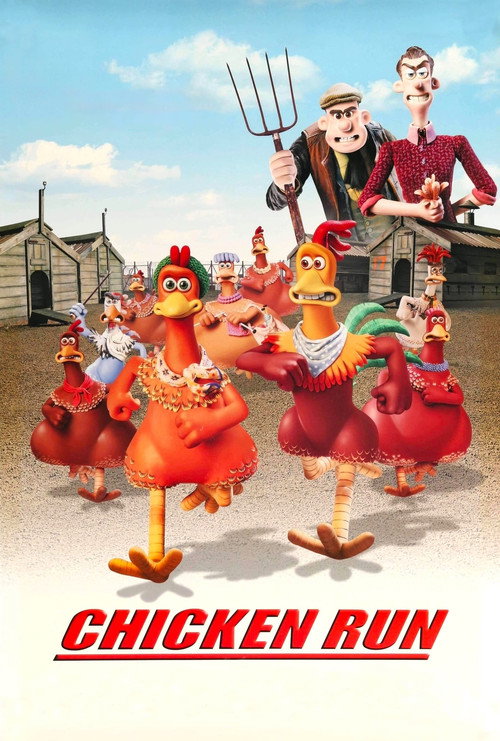
Chicken Run2000
A woman receives mysterious calls that turn her life into a nightmare of invisible threats. Paranoia builds methodically; the camera finds horror in ordinary spaces.
But Long stretches of slow-burn dread may feel glacial if you want faster payoffs. Some plot beats strain credibility.
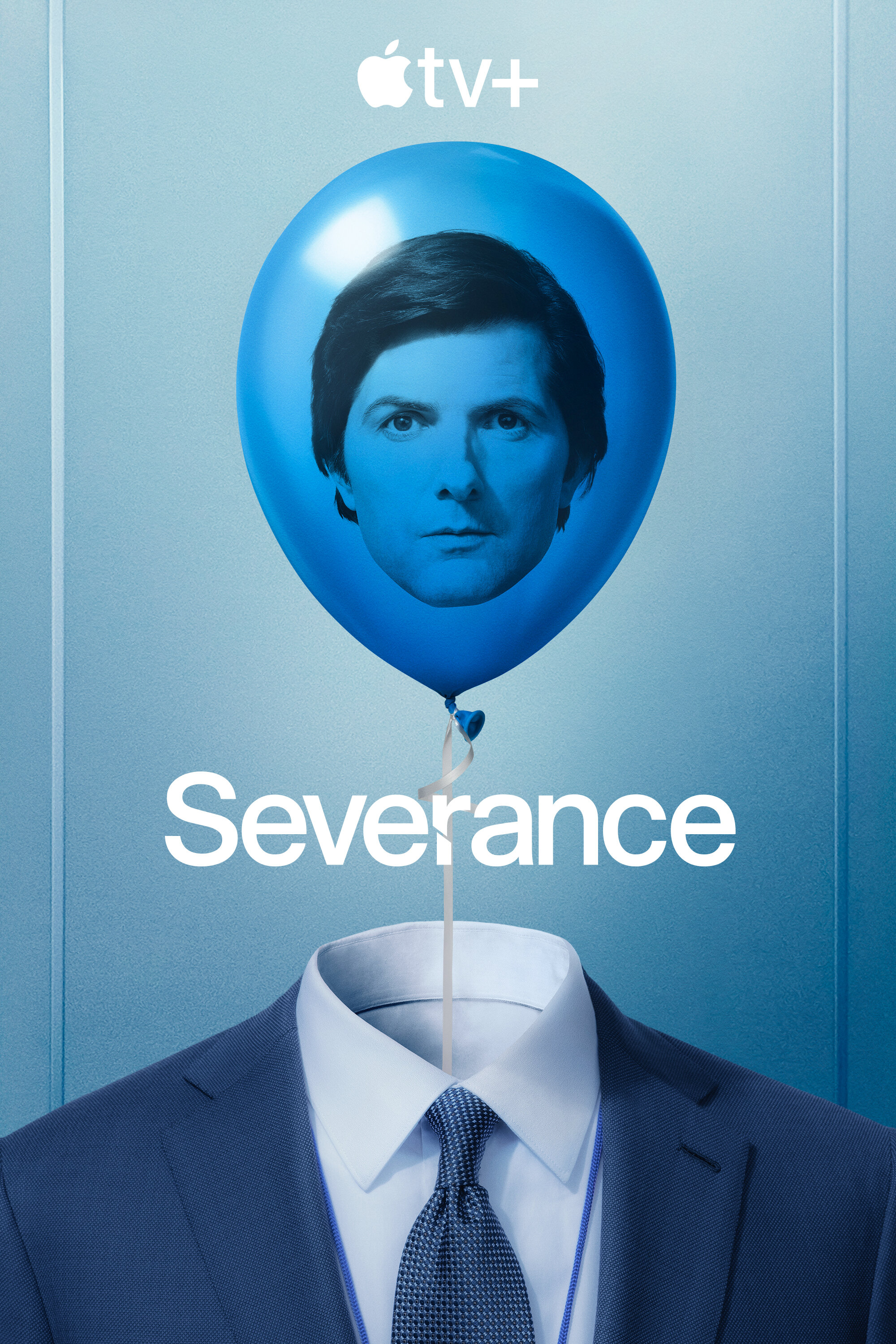
Severance2022
A man wakes up in a corporate dystopia with no memory. Each episode ratchets mystery and unease; the production design is stunning and the questions linger.
But It's deliberately paced and elliptical. If you hate ambiguity or need answers, the first season may frustrate you.
Not sure tonight? Get a pick in a minute, starting from The Art of Dying
The wildcard
Something you would not have found on your own.
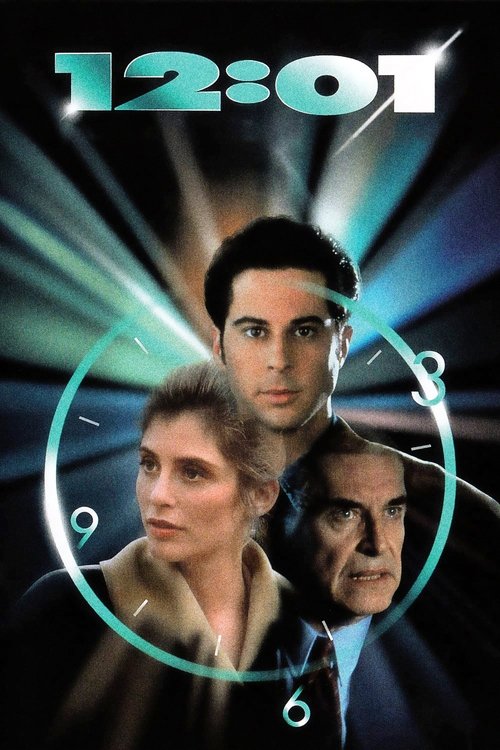
12:011993
Both trap their protagonist in a repeating nightmare triggered by unseen forces beyond their comprehension or control.
A man relives the same twelve minutes over and over, caught in a time loop triggered by institutional surveillance. A genuine precursor to modern time-loop narratives, played with real pathos beneath the sci-fi premise.
But Made for TV in the early 90s on a modest budget. The production values are thin, and it predates the glossy time-loop cycle we're used to now.
More like this (7)
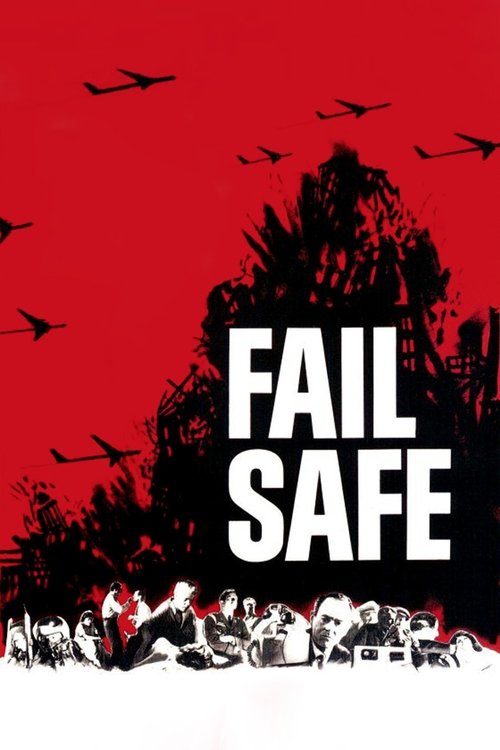
Fail Safe1964
A nuclear war triggered by accident spirals toward apocalypse through rigid protocol and miscommunication. The black-and-white severity and real-time tension are almost unbearable.
But It's slow and talk-heavy by modern standards. The fatalism will crush you if you're looking for catharsis.
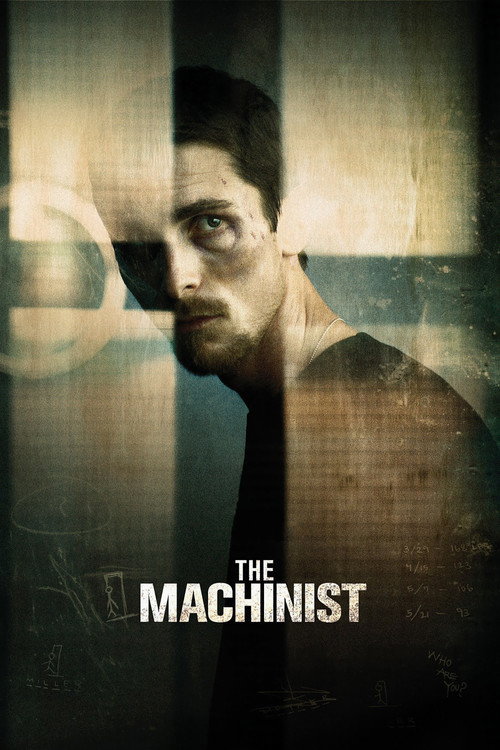
The Machinist2004
Christian Bale, skeletal and insomniac, spirals through an industrial nightmare. Every frame radiates wrongness; the mystery deepens beautifully toward its end.
But Watching a man dissolve across 100 minutes is grim. The twist lands better on rewatch, which is both a feature and a flaw.
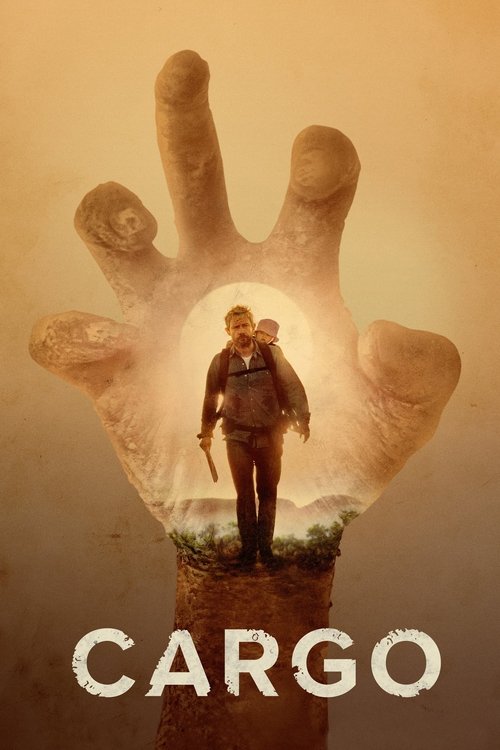
Cargo2017
A man drifts down a river as a zombie father, protecting his daughter. Tender and haunting, it subverts zombie-genre bloodlust in favour of love and sacrifice.
But It's a slow, meditative film about death and parenting. Gore fans will find it sparse; action fans will find it patient.
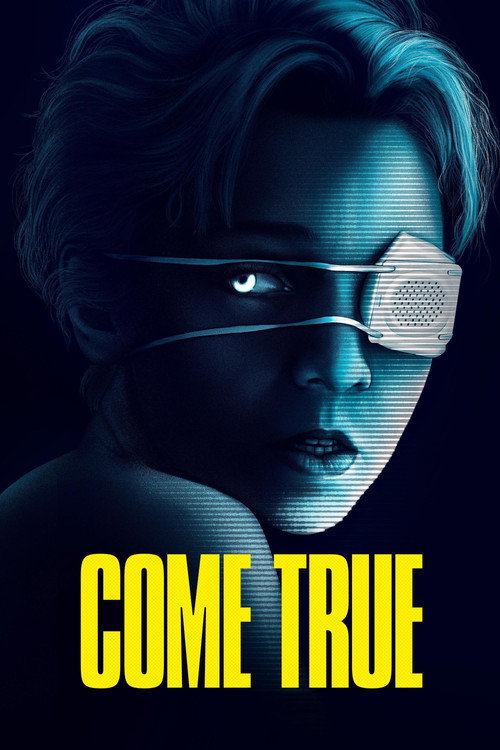
Come True2020
A teenager enrolls in a sleep study that becomes a fever dream of cosmic horror. Visually stunning, genuinely unsettling, and more interested in mood than plot.
But Narrative clarity is sacrificed for atmosphere. If you want your horror to make logical sense, you'll leave frustrated.
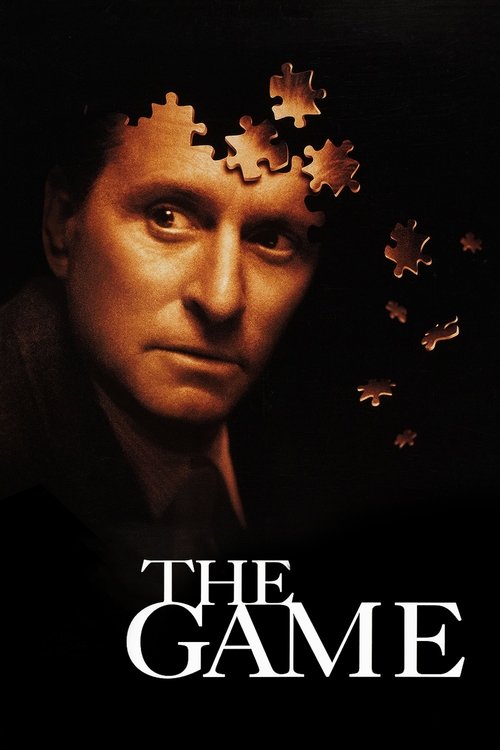
The Game1997
A man is drawn into an elaborate prank-turned-nightmare by mysterious conspirators. Fincher's direction is crisp; every twist has weight and the paranoia feels earned.
But The finale divides audiences sharply. Some see catharsis; others see cop-out. The 90s vibe doesn't age uniformly.
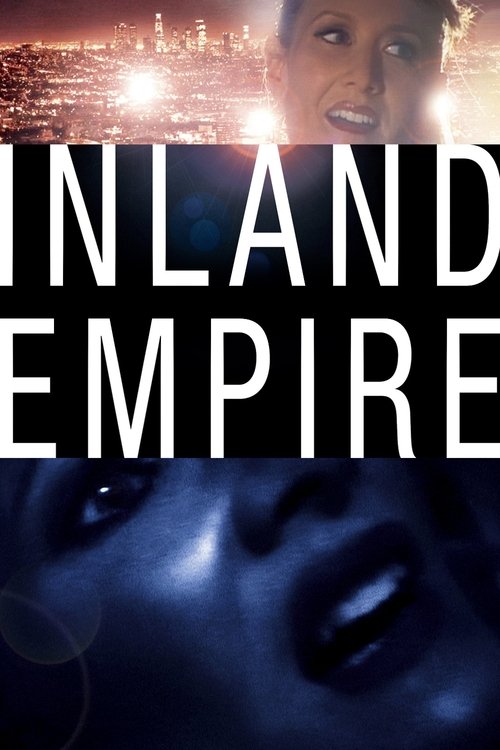
Inland Empire2006
Both are exercises in dread sustained through obscurity and misdirection—the audience knows as little as the protagonist, and that powerlessness is the whole point.
David Lynch's final film is a three-hour fugue through Hollywood, fractured timelines, and a woman losing her grip on reality. Hypnotic, visually relentless, and genuinely disorientating in the best way.
But It's intentionally impenetrable. Lynch admits it has no traditional plot. If you need narrative coherence, you'll be angry for 180 minutes.
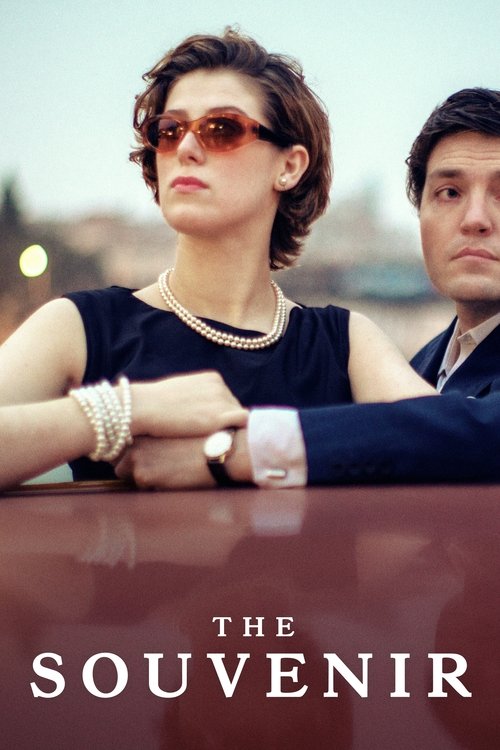
The Souvenir2019
Both use mystery and an unseen threat or caller as a mechanism to trap their protagonist into complicity—the danger isn't always obvious, which is precisely what makes it dangerous.
A young film student's relationship with a mysterious older man spirals into something unsettling and tragic. Understated, visually elegant, and it trusts you to read the horror in silences and subtext.
But It's quiet to the point of abstraction. The emotional violence is implied rather than shown. Some will find it too restrained to register as affecting.
People
Cast
- Harold Nieves FischGabriel
- Jose Raul CorresDaniel
- Amelia GlaznerBrenna
Directing
- Justin A RodriguezDirector
Production
- Scott LangfordProducer
Recommended by
The Tibetan Book of the Dead: A Way of Life & The Great Liberation