
Film
Locke
A single continuous drive, one man, one car, and a phone that won't stop ringing. Tom Hardy carries the whole film as a construction foreman steering toward professional triumph and personal catastrophe in real time. It's a stripped-back, almost theatrical thriller — no action, just voices and consequence — for anyone who finds dread more compelling than spectacle.
If you liked this
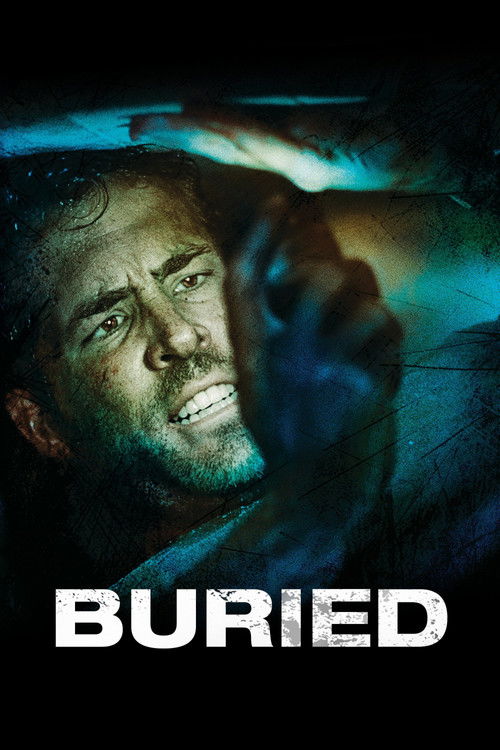
Buried2010
Ryan Reynolds spends the entire film trapped in a wooden coffin, armed with only a lighter and a phone — the purest possible distillation of the one-man, one-space thriller Locke perfected.
But The claustrophobia is total and literal; if enclosed spaces genuinely unsettle you, this is a rough eighty minutes.
The Guilty2018
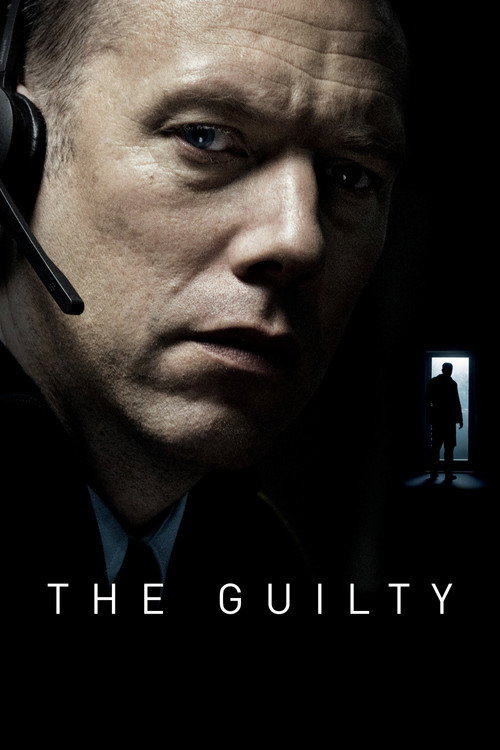
A disgraced cop stuck at a police dispatch desk tries to save a kidnapped woman using only phone calls — tension built entirely from voice, silence, and what's implied.
But It's Danish with subtitles, and the single-room visual monotony may test patience if you need more to look at.
12 Angry Men1957
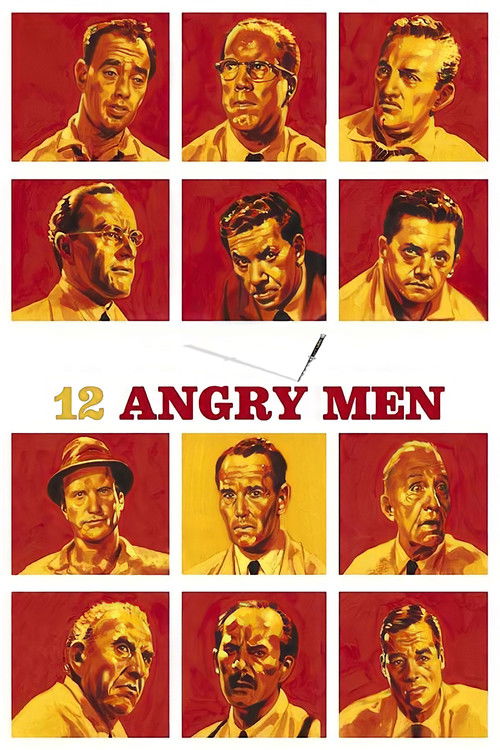
Twelve men, one room, and a verdict that will define a boy's life — the original proof that dialogue alone can hold a room's tension for ninety unbroken minutes.
But Black-and-white and stagey by design; if you need visual movement, its stillness might feel like homework at first.
The wildcard
Something you would not have found on your own.
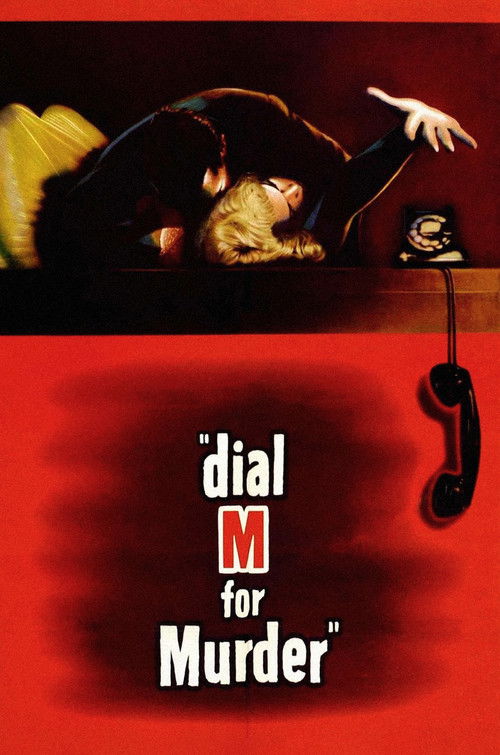
Dial M for Murder1954
Locke's entire drama is triggered and sustained by phone calls; Hitchcock's classic runs on the exact same device, using the telephone as the instrument of betrayal and control.
Hitchcock turns the telephone into the engine of a near-perfect murder plot decades before mobiles existed — proof the same structural trick worked just as well in 1954.
But It's stagier and more deliberate than modern thrillers, adapted straight from a play, so the pacing rewards patience rather than urgency.
More like this (8)
Carnage2011no page yet
Two couples, one apartment, and a civilised dinner that curdles into open warfare — Polanski turns polite small talk into something as gripping as any thriller.
But It's talky and theatrical to its bones, basically a filmed play, so don't expect much visual variety.
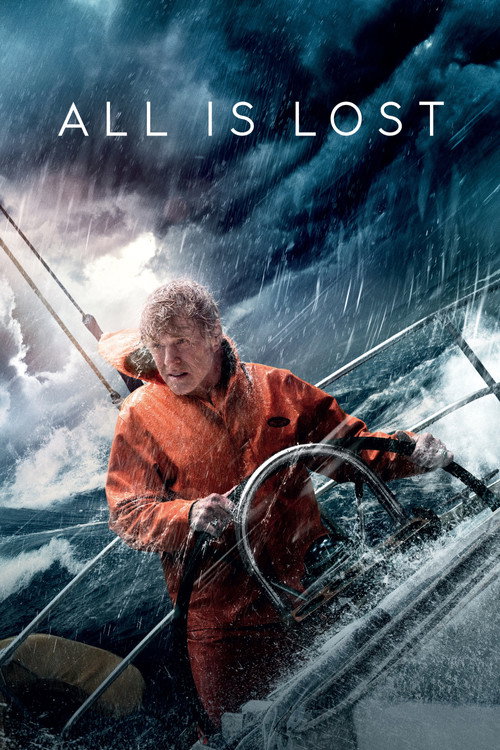
All Is Lost2013
Robert Redford, alone on a sinking boat, barely speaks a word — a masterclass in solitary unraveling that swaps Locke's voices for near-total silence and physical struggle.
But There's almost no dialogue at all; if Locke's talkiness was the draw, this might feel like the opposite experience.
Non-Stop2014no page yet
Liam Neeson trapped on a transatlantic flight, texting with a killer in real time — a bigger, more commercial cousin of the ticking-clock, contained thriller.
But It leans hard into action-movie logic by the third act, which undercuts the grounded tension it starts with.
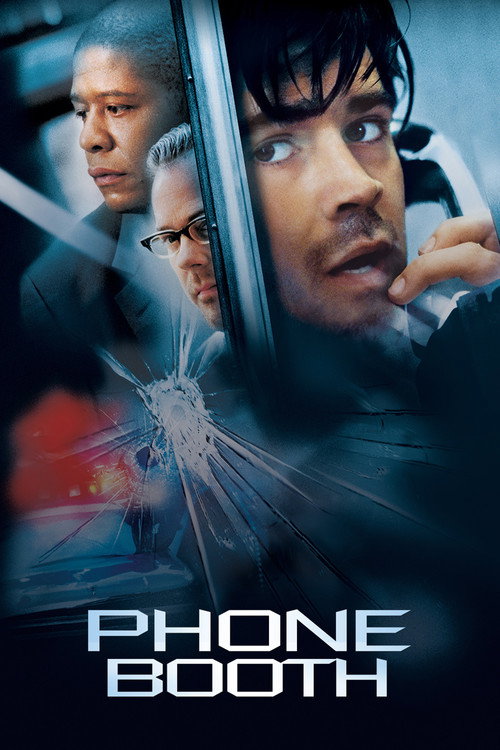
Phone Booth2003
Colin Farrell held hostage by a sniper's voice inside a New York phone booth — pulpy, tight, and a direct ancestor of the single-location phone thriller.
But It's flashier and more contrived than Locke, trading psychological realism for pure genre thrills.
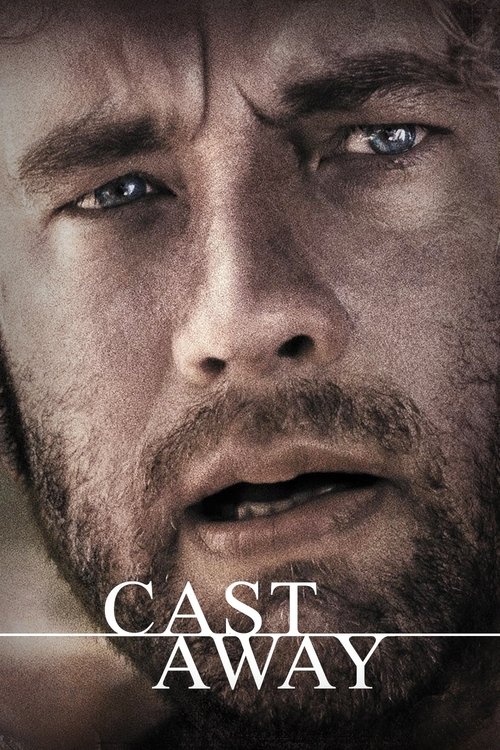
Cast Away2000
Tom Hanks, stripped of everything but his own resourcefulness — a longer, quieter meditation on a man rebuilding himself after his old life is suddenly taken away.
But It's twice the length of Locke and spends a lot of time on survival mechanics rather than psychological drama.
The Sunset Limited2011no page yet
Two men, one room, and a life-or-death argument about whether existence means anything at all — a raw two-hander that pushes Locke's confined intensity into pure philosophical confrontation.
But It's dense, heavy, and almost entirely dialogue about faith and despair — bleak with little relief offered.
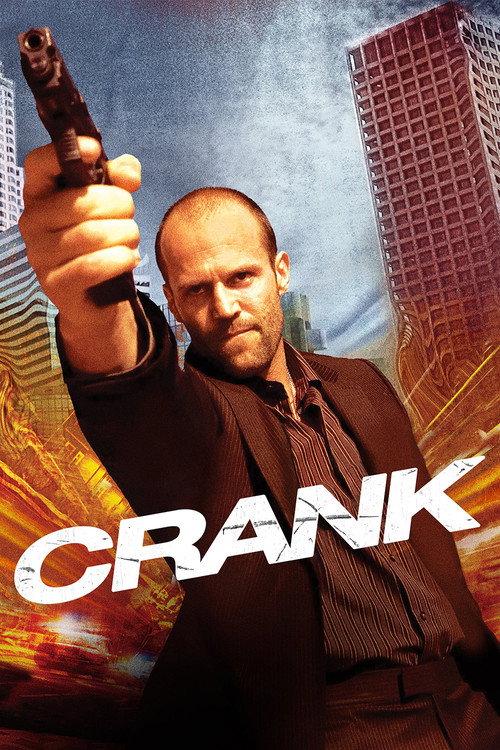
Crank2006
Both films run on a ticking clock and a man who cannot stop moving toward disaster; Crank takes that same propulsive structure and injects it with adrenaline, absurdity, and zero restraint.
Jason Statham has to keep his heart rate up or die, so the film physically cannot stop moving — the trashy, hyperactive cousin of Locke's slow-motion unraveling.
But It's deliberately ridiculous and over-the-top; if you loved Locke's restraint, this will feel like the opposite instinct entirely.
Krapp's Last Tape2000no page yet
Locke is a man alone with disembodied voices confronting the wreckage of his own choices; Beckett's Krapp does the same with a tape recorder instead of a phone, turning solitude and self-confrontation into pure theatre.
One man, one tape recorder, and the accumulated regret of a lifetime — a stripped-to-the-bone piece of theatre-on-film that makes Locke look almost plot-heavy by comparison.
But It's a filmed stage monologue with almost no narrative momentum — an acquired taste even by arthouse standards.
People
Cast
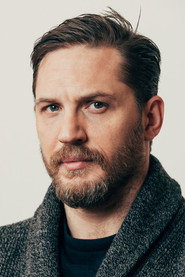 Tom HardyIvan Locke
 Ruth WilsonKatrina (voice)
 Andrew ScottDonal (voice)
 Olivia ColmanBethan (voice)
 Tom HollandEddie (voice)
 Ben DanielsGareth (voice)
 Bill MilnerSean (voice)
 Alice LoweSister Margaret (voice)
 Danny WebbCassidy (voice)
 Lee RossPC Davids (voice)
 Silas CarsonDr. Gullu (voice)
 Kirsty DillonGareth's Wife (voice)
Directing
- Steven KnightDirector
- Martin HarrisonFirst Assistant Director
- Julia ChiavettaScript Supervisor
Writing
- Steven KnightWriter
Production
- Shaheen BaigCasting
- Andrew WarrenCo-Producer
- David JourdanExecutive Producer
- Joe WrightExecutive Producer
- Steven SquillanteExecutive Producer
- Stuart FordExecutive Producer
- Ben PiltzLocation Manager
- Guy HeeleyProducer
- Paul WebsterProducer
- Stephanie BambergProduction Coordinator
Recommended by
Boiling Point, Victoria, Duel, Gravity, My Dinner with Andre, Buried, Bo Burnham: Inside, Collateral, Sorry, Wrong Number, Phone Booth, #Alive, The Guilty