
Film
The Sunset Limited
- Social drama
- Very dark
- Slow-burning
Two men—a religiously devoted ex-convict and a suicidal academic—spend ninety minutes in a sparse apartment debating God, meaning, and whether life is worth living. Tommy Lee Jones and Samuel L. Jackson anchor this philosophical duel with quiet intensity. It's Cormac McCarthy adapted for screen: austere, uncompromising, and entirely dependent on the power of argument and performance. For viewers who believe ideas matter.
Should you watch it?
Watch it if you find yourself hungry for two stubborn minds colliding over faith, despair and whether a life is worth staying for, and you're happy to sit with talk instead of action.
Skip it if you need movement, plot turns or a little relief, since it is almost entirely two men talking in a single apartment and the arguments can feel repetitive.
What it asks of you: It runs ninety-one minutes on one set, almost all dialogue, and every argument needs your full attention to land.
Not sure? Find tonight's pick in a minute.
If you liked this
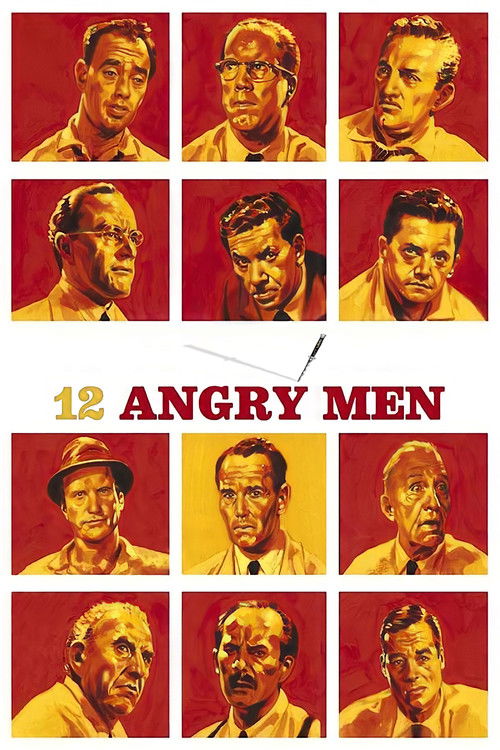
12 Angry Men1957
A masterpiece of dialogue and moral conviction. Twelve men in a room, one juror against the rest, forcing the others to confront their prejudices and assumptions. Like Sunset Limited, it's proof that cinema built on conversation can be riveting.
But Shot in black-and-white on a soundstage, it can feel static if you're used to movement and visual spectacle. The pacing is deliberate, not for everyone.
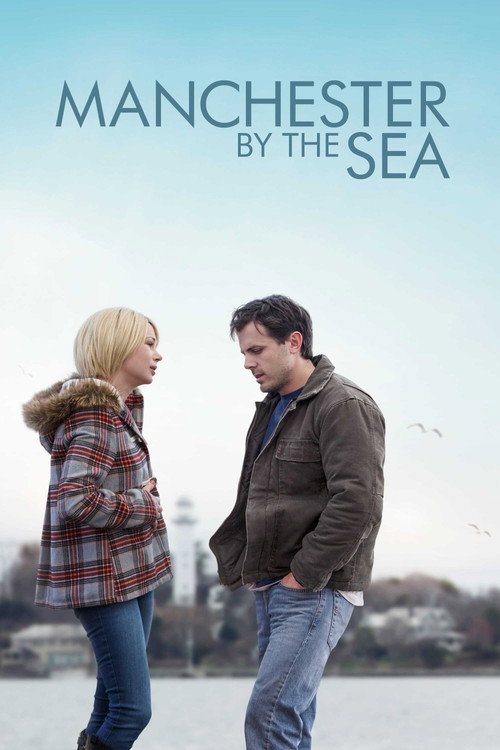
Manchester by the Sea2016
Casey Affleck as a man carrying grief so heavy it's become his entire architecture. The film asks the same question Sunset Limited does: can grief be survived, or only endured? Profound without preaching.
But Emotionally punishing. It refuses catharsis or easy resolution. Some find that honest; others find it bleak and exhausting.
Moonlight2016
Three sections of one man's life, each a conversation about identity, desire, and what it means to survive in a world not built for you. Gorgeous, quiet, and emotionally shattering. Asks the questions that matter.
But Sparse dialogue and long silences. Visual and poetic rather than narrative-driven. Requires patience and attention.

Not sure tonight? Get a pick in a minute, starting from The Sunset Limited
The wildcard
Something you would not have found on your own.
Synecdoche, New York2008
Both films trap men in rooms (literal or psychological) forcing them to confront the question: is there meaning, or do we hallucinate it to survive?
Charlie Kaufman's film about a theater director creating a play within the film within the film, losing himself in layers of representation. Like Sunset Limited, two characters (or a man and his creations) debate what's real, what matters, whether meaning exists or we just project it. A philosophical thriller disguised as a cerebral tragedy.
But Bewilderingly complex and deliberately confusing. Requires active interpretation. Some find it brilliant; others find it exhausting self-indulgence. No spoilers will help.

More like this (8)
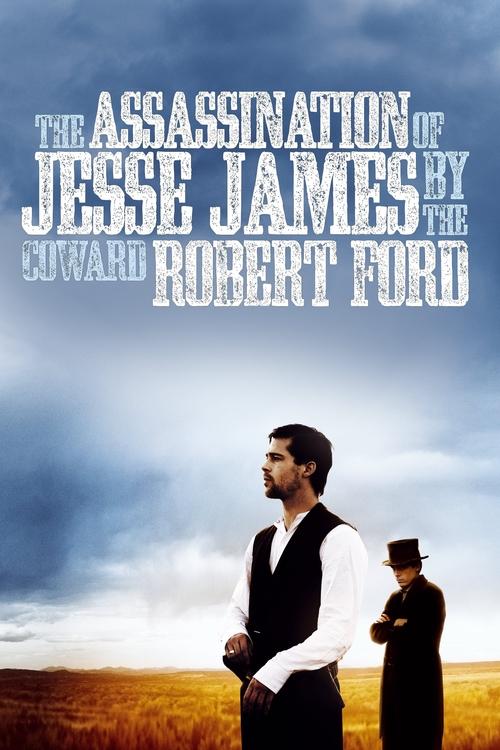
The Assassination of Jesse James by the Coward Robert Ford2007
Two men locked in a psychological cat-and-mouse, each trying to understand the other's interior life. Beautifully shot and performed. A Western that's really about obsession, shame, and the stories we tell ourselves.
But Three hours long and deliberately paced. The ending, though perfect, may feel anticlimactic if you're expecting gunfire rather than introspection.
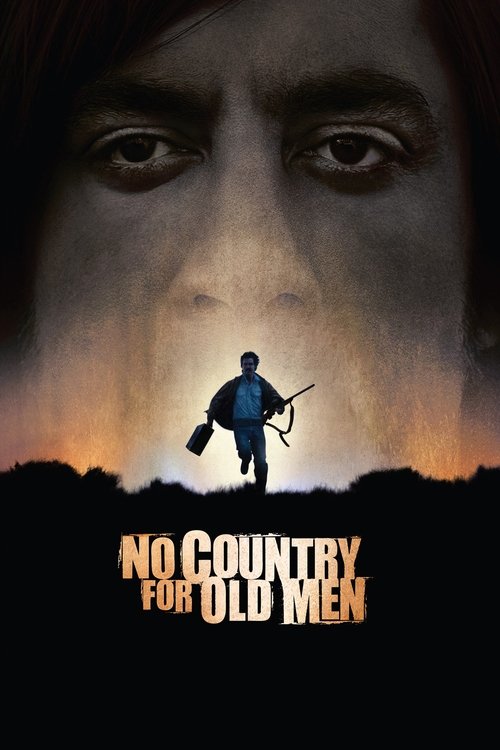
No Country for Old Men2007
Cormac McCarthy's worldview fully realized. A hunter, a killer, and a cop trying to make sense of violence and chance. Like Sunset Limited, it's a meditation on meaning in a world that offers none.
But Relentlessly dark. Javier Bardem's villain is disturbing by design. The ending prioritizes philosophy over satisfaction.
A Prophet2009
A young man enters prison; a seasoned criminal takes him under his wing. Their relationship—part mentorship, part manipulation—explores power, loyalty, and redemption. Taut, intelligent, morally complex.
But Subtitled. Prison violence, though not gratuitous. The moral calculus refuses easy answers, which some find frustrating.

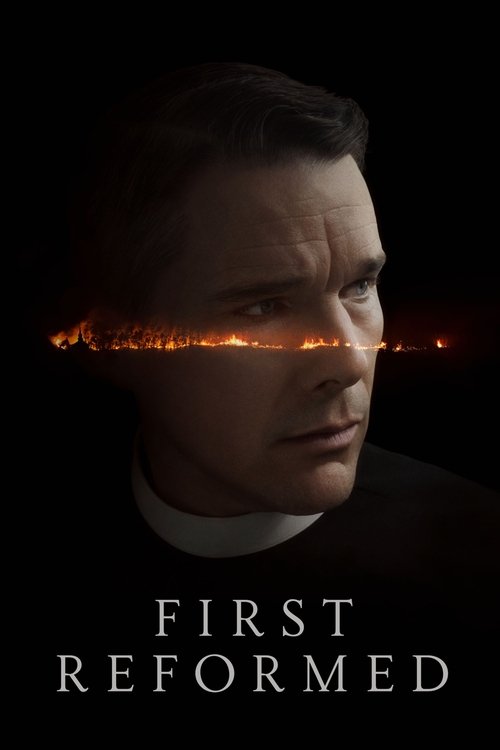
First Reformed2018
Ethan Hawke as a pastor wrestling with faith, environmental collapse, and his own worthlessness. A film about despair that earns its terrain. Formally inventive and spiritually urgent.
But Formally experimental in ways that could feel pretentious. Deeply depressing. Some shots are deliberately ugly. Not comforting.
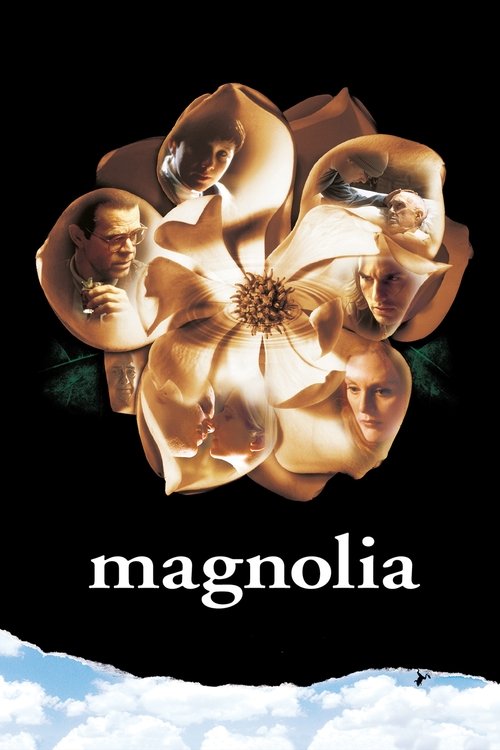
Magnolia1999
Multiple storylines in Los Angeles, each a person trying to communicate with someone else they've failed. A three-hour symphony of missed connections, shame, and the possibility of grace. Ambitious and emotionally devastating.
But Three and a half hours. Paul Thomas Anderson's maximalism can feel indulgent. The ending divides people sharply.
The Turin Horse2011
Béla Tarr's final film: a man and his daughter, routines decaying, the world winding down. Austere, hypnotic, philosophical. About the end of meaning itself. Released the same year as Sunset Limited; they're strange siblings.
But Black-and-white, glacially paced, deliberately monotonous. Very difficult. Some call it a masterpiece; others call it an ordeal. No middle ground.

Bicycle Thieves1948
Like Sunset Limited, stripped of everything but the essential: two people, conversation (or its absence), and the question of whether the world allows dignity or demands compromise.
Italian neorealism at its finest. A father and son search Rome for a stolen bicycle. Sounds simple; it's profound. About survival, dignity, desperation, and the moment when good people do bad things. No actors, real locations, moral clarity without sentimentality. A film that changed cinema.
But Shot in 1948 Italy with non-professional actors speaking Italian (subtitled). Slow by modern standards. The ending is heartbreaking rather than redemptive. Some find it depressing rather than moving.

Harakiri1962
Both films stage a confrontation between a man and a system—between faith and reason, between honor and survival—through conversation and moral argument. Both refuse compromise or easy answers.
Masaki Kobayashi's masterpiece: a samurai arrives at a gate asking permission to commit ritual suicide. What unfolds is a shattering indictment of honor, duty, and systems that destroy men in their name. Visually stunning—composed, almost sculptural—but emotionally devastating. A film that argues philosophy with images and silence.
But Japanese, subtitled, 1962, shot in black-and-white with a 4:3 aspect ratio. The pacing is formal and deliberate. The violence, though sparing, is shocking. It's a critique of the samurai code, not a celebration—some find that alienating.

People
Cast
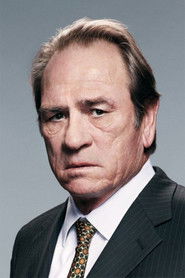 Tommy Lee JonesWhite
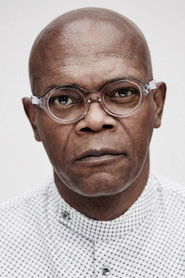 Samuel L. JacksonBlack
Directing
- Tommy Lee JonesDirector
Writing
- Cormac McCarthyTheatre Play
- Cormac McCarthyWriter
Production
- Wesley A. OliverCo-Producer
- Tommy Lee JonesExecutive Producer
- Barbara A. HallProducer
Recommended by
The Battery, Locke, Best of Enemies, Knock at the Cabin, Comedians in Cars Getting Coffee, What's My Line?, The Doctor, Listen Up Philip, Guzaarish, Looking for Eric, The Midnight Club, Bad Lieutenant: Port of Call New Orleans, Genius, Godless, American Buffalo, Parlour Games, All the Bright Places, Cyrus, The End of the Tour, National Theatre Live: The Curious Incident of the Dog in the Night-Time, Dead Man's Letters, Bodycam, Insomnia, The Blueberry Hunt