
Film
The Doctor
A surgeon diagnosed with throat cancer discovers what his patients have always known: doctors treat symptoms, not people. William Hurt gives a measured performance as a man learning empathy through suffering. It's a sincere 1991 drama about the cost of detachment, slightly creaky now but genuinely felt.
Should you watch it?
Watch it if you like a quiet, humane drama that lets a proud man's cool certainty slowly wear thin, and you're happy to sit with talk about bedside manner more than plot.
Skip it if you want brisk pacing or a clear arc, since this is unhurried, sentimental in places and runs past two hours with long stretches of talk and waiting rooms.
What it asks of you: Patient attention across its full length, scenes that linger on a silence longer than comfortable, and a tone that stays mostly grave with flickers of dry humour.
Not sure? Find tonight's pick in a minute.
If you liked this
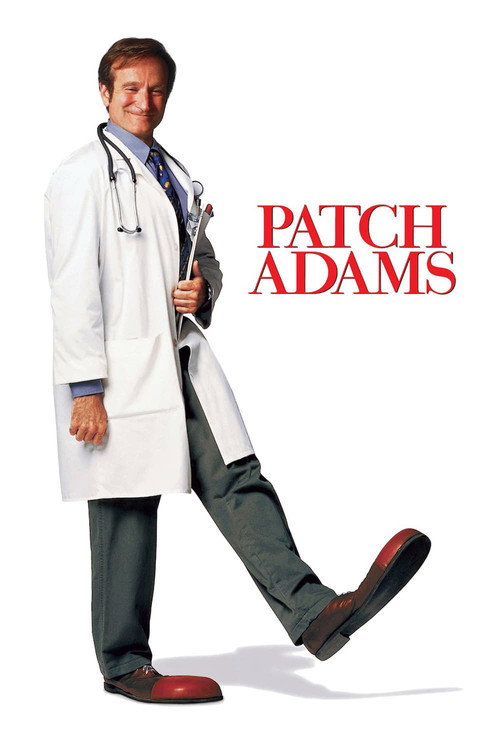
Patch Adams1998
Robin Williams as a maverick med student who believes medicine is about connecting with patients, not just data. It shares The Doctor's conviction that healthcare needs humanity, with more lightness and humour.
But Williams' performance can veer into sentimentality, and the film doesn't interrogate its own optimism the way The Doctor does.
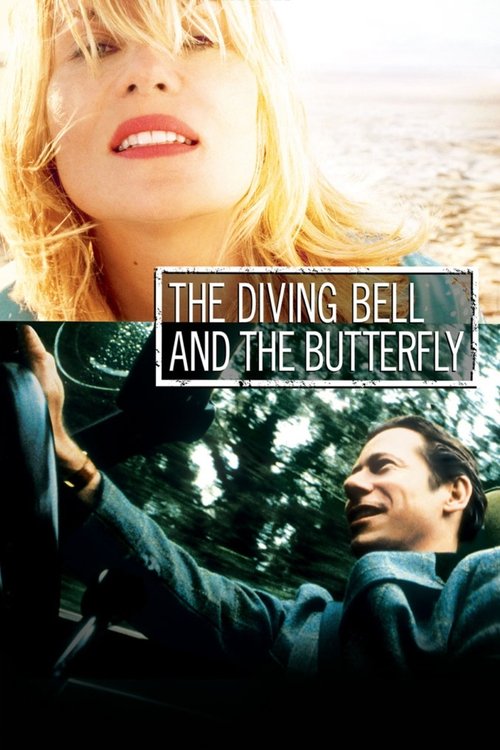
The Diving Bell and the Butterfly2007
A man trapped in his body by stroke rediscovers life through memory and small kindnesses. Like The Doctor, it's about radical vulnerability and what you lose when you stop paying attention to the world around you.
But It's far more visually experimental and less traditionally structured. Some find the surrealism alienating rather than moving.
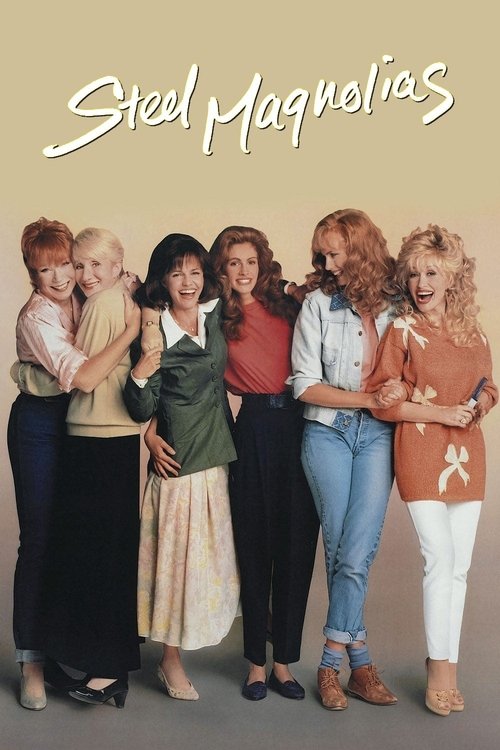
Steel Magnolias1989
Women facing mortality and grief with honesty and humour. The emotional core — how you live when medicine can't save you — hits the same nerve as The Doctor, but with more warmth and community.
But It's very much a product of its era in terms of sentiment. The Southern Gothic atmosphere won't appeal to everyone.
Not sure tonight? Get a pick in a minute, starting from The Doctor
The wildcard
Something you would not have found on your own.
Synecdoche, New York2008
Both follow a man whose professional power blinds him to reality; both charts his slow dissolution as that blindness breaks down. The Doctor learns empathy; Synecdoche shows what happens when self-awareness arrives too late.
Philip Seymour Hoffman as a theatre director staging his own life's disintegration. Like The Doctor, it's about a man realising he has been rehearsing existence instead of living it — but through art, illness, and obsession rather than medicine.
But It's deliberately byzantine and won't hold your hand. Some find Kaufman's vision solipsistic or the fragmentation exhausting rather than profound.

More like this (8)
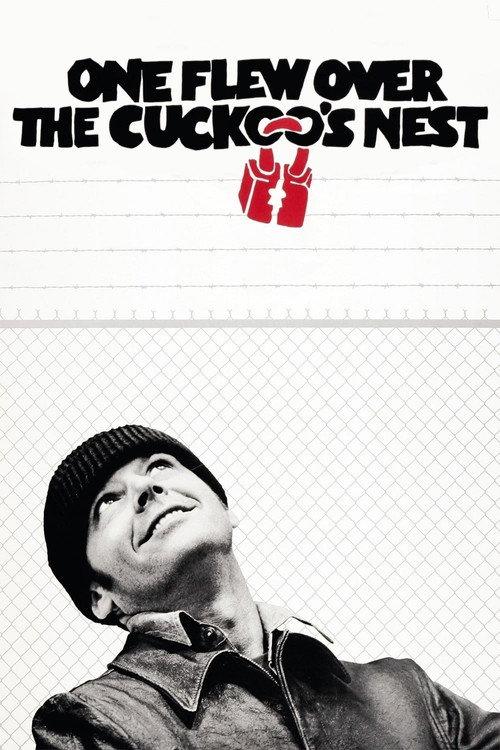
One Flew Over the Cuckoo's Nest1975
A patient who refuses to accept institutional authority versus a system that prizes compliance over dignity. Both films ask who medicine really serves, and whether the healer can become a tyrant.
But It's darker and more explicitly political than The Doctor. Some find Nicholson's performance dated, or the film's framing of mental illness troubling.
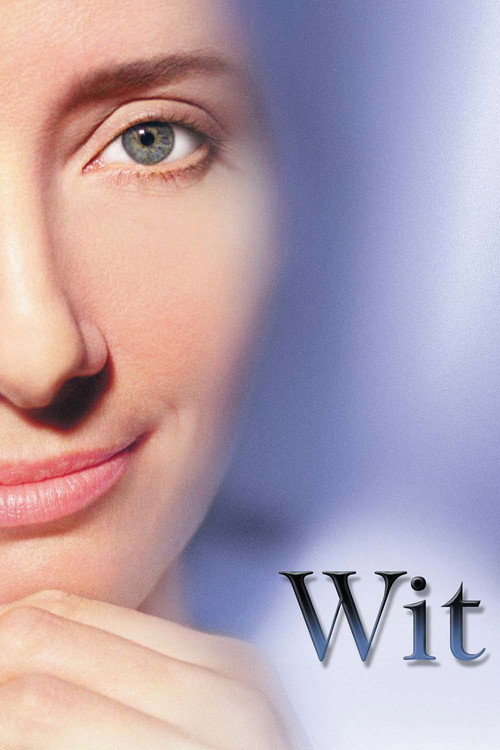
Wit2001
Emma Thompson as a scholar with ovarian cancer, documenting her own erasure in medical care. Sharper and more intellectually rigorous than The Doctor, it cuts deeper into the gap between doctor and patient.
But It's deliberately austere and sparse. The experimental structure and literary references feel distant to some viewers.
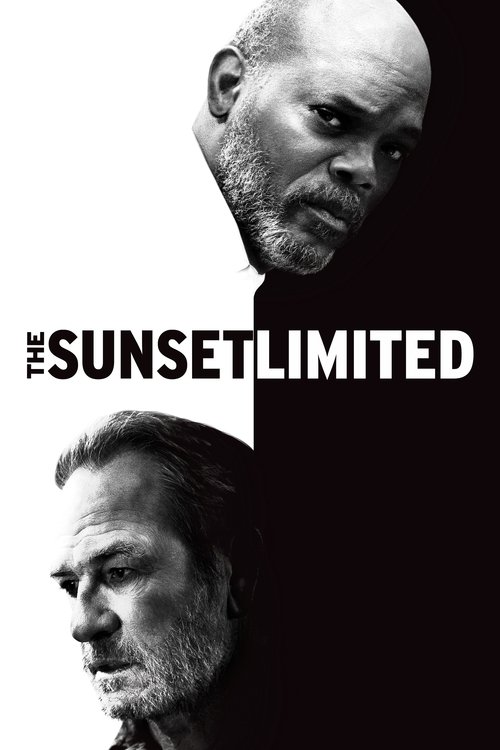
The Sunset Limited2011
Two men — one a former addict, one a professor in crisis — talk for ninety minutes about meaning, suffering, and whether life is worth living. A meditation on empathy between broken people.
But It's almost entirely dialogue in a single room. Tommy Lee Jones and Samuel L. Jackson's philosophical sparring won't satisfy anyone looking for plot.
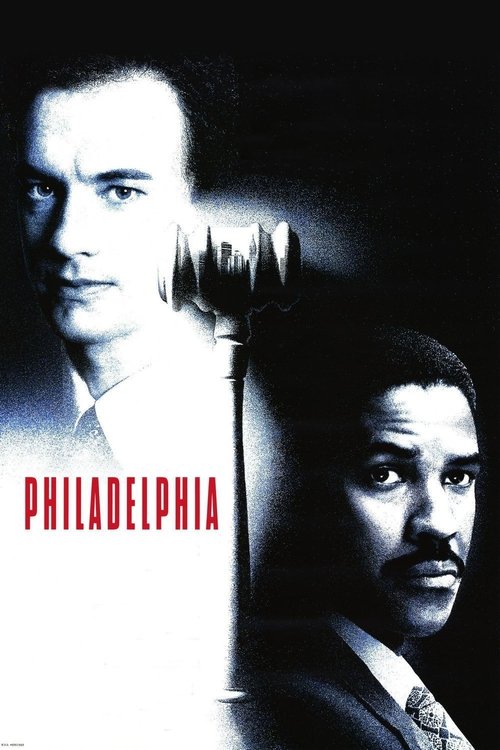
Philadelphia1993
Tom Hanks as a lawyer dying of AIDS while battling the system that abandons him. It shares The Doctor's rage at institutional coldness, but channels it into a legal and moral reckoning.
But The broad strokes can feel like issue-of-the-week cinema. Some find Denzel Washington's role underwritten.
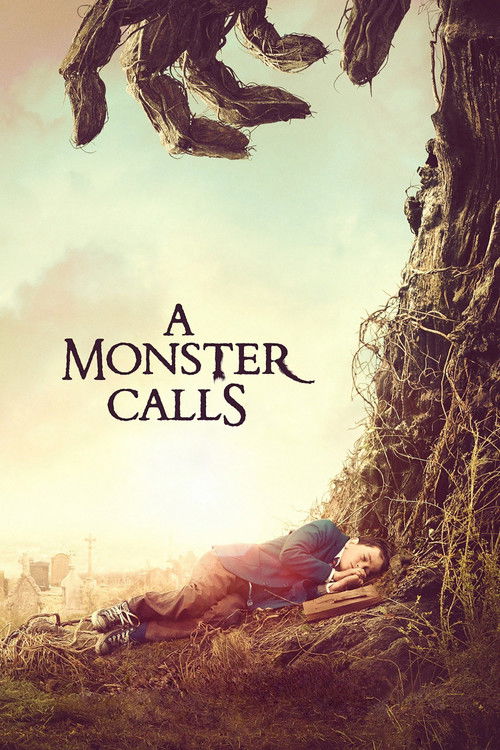
A Monster Calls2016
A boy coping with his mother's cancer through grief and imagination. Tender without being sentimental, it captures the loneliness of illness and how loved ones struggle to help.
But The magical-realism elements with the tree creature feel incongruous to some. The whimsy can undercut the weight of what's happening.
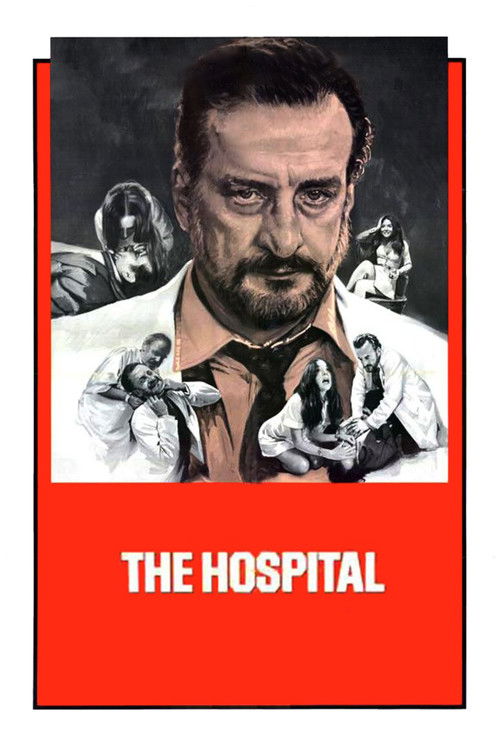
The Hospital1971
George C. Scott as a burned-out hospital administrator watching the system collapse around him. A dark comedy about medical bureaucracy that predates The Doctor and asks the same questions with more gallows humour.
But It's genuinely cynical, almost misanthropic. The 1970s satire doesn't land the same way now, and it can feel more dated than genuinely insightful.
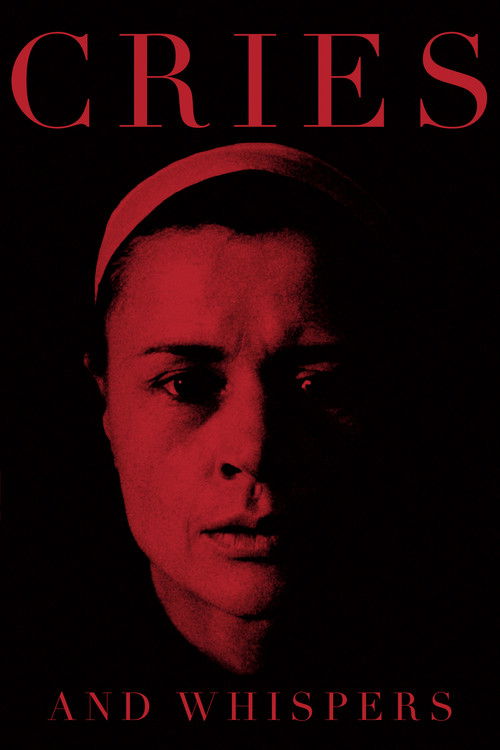
Cries and Whispers1972
The Doctor is American and optimistic about growth through suffering; Cries and Whispers is European and horrified by it. Both centre on the body's betrayal and the helplessness of those who love the dying. One is about learning; the other is about enduring.
Bergman's masterpiece about dying, tended by family and servants in a mansion slowly stained red. Formally radical and visceral, it captures the thing The Doctor circles around: what it actually feels like to suffer, and how inadequate presence is.
But It's slow, intensely interior, and uses prolonged silence as a storytelling tool. The Swedish aesthetics and emotional temperature are uncompromising — some will find it glacial or airless.
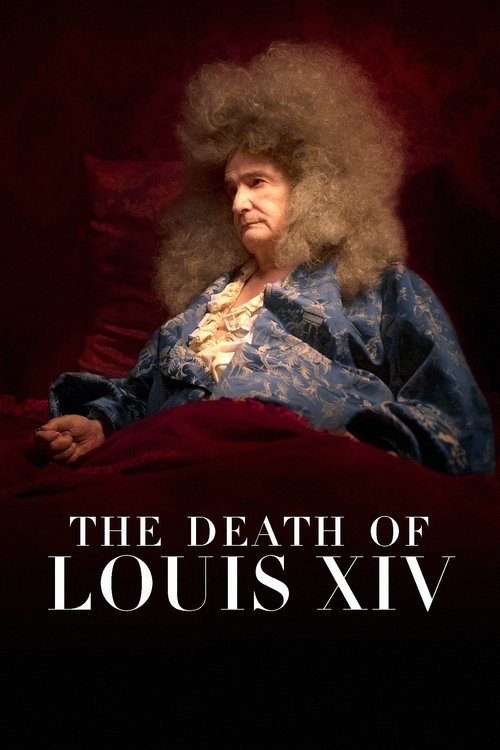
The Death of Louis XIV2016
Where The Doctor finds redemption in empathy, Louis XIV finds nothing but the body's indifference to status or will. Both strip away professional authority and force confrontation with what doctors actually cannot do — but Serra refuses The Doctor's consolation.
Albert Serra's radical film: the Sun King dying in real time, attended by doctors, priests, and courtiers who cannot save him. Ninety minutes of a man's body failing. No plot, no growth narrative — just the weight of mortality and useless expertise.
But It is austere to the point of provocation. In French, barely scored, more installation art than drama. You have to submit to Serra's vision or it will feel pretentious and airless.
People
Cast
 William HurtJack
 Christine LahtiAnne
 Mandy PatinkinMurray
 Adam ArkinEli
 Charlie KorsmoNicky
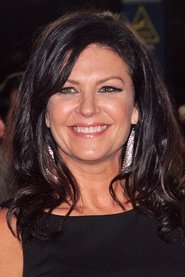 Wendy CrewsonLeslie Abbott
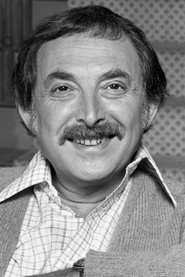 Bill MacyAl Cade
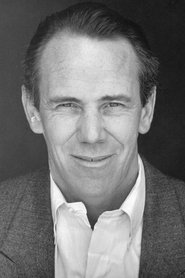 J.E. FreemanRalph
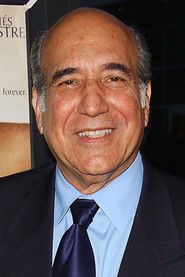 William MarquezMr. Maris
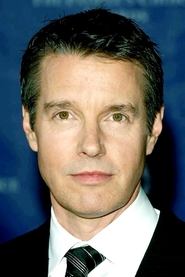 Kyle SecorAlan
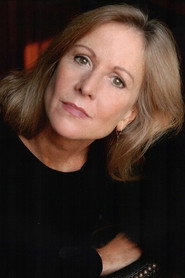
Directing
- Randa HainesDirector
- Dennis MaguireFirst Assistant Director
- June SamsonScript Supervisor
- David N. SchragerSecond Assistant Director
Writing
- Ed RosenbaumNovel
- Robert CaswellScreenplay
Production
- Lynn StalmasterCasting
- Michael S. GlickCo-Producer
- Edward S. FeldmanExecutive Producer
- Katherine SwansonFirst Assistant Accountant
- Laura ZiskinProducer
- Sue BokobzaProduction Accountant
- Laura TateishiProduction Coordinator
- Michael S. GlickUnit Production Manager
Recommended by
Patch Adams, Red Beard, Live Rescue, Regarding Henry, Whose Life Is It Anyway?, A Mother's Prayer, The Nurses, Heartsounds