
Film
Cries and Whispers
Bergman locks three sisters and a maid inside a blood-red house while one of them dies slowly of cancer, and turns the ordeal into a controlled explosion of feeling — faces held in unbearable close-up, silences louder than any dialogue. It's less story than sensation: beautiful, merciless, formally exacting. Watch it when you want cinema stripped to nerve and colour, not when you need comfort.
If you liked this
Autumn Sonata1978no page yet
Bergman turns the same unflinching camera on a mother-daughter reunion, with Ullmann now the wounded child rather than the silent witness — an equally devastating study of family cruelty disguised as love.
But It's another slow, dialogue-heavy Bergman chamber piece; if the intensity of Cries and Whispers wore you out, this offers no relief.
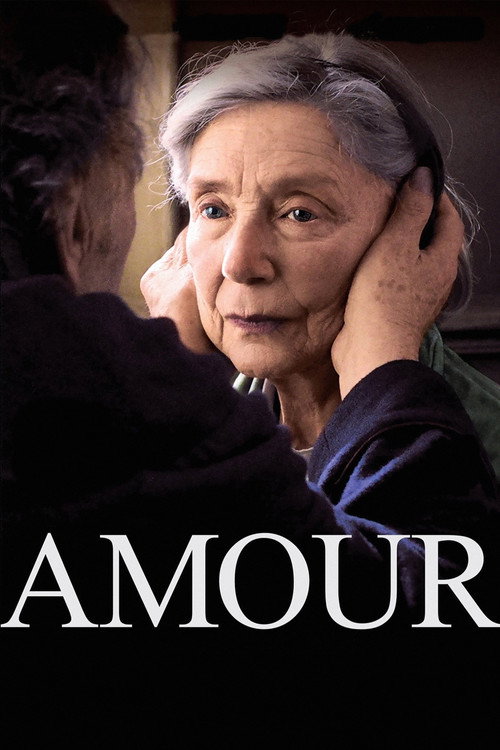
Amour2012
An elderly husband cares for his dying wife with the same clinical, unsparing tenderness Bergman brought to illness — grief observed without music, sentiment, or mercy.
But Haneke's austerity can feel punishing rather than cathartic; there's no release valve, and the ending offers no comfort at all.
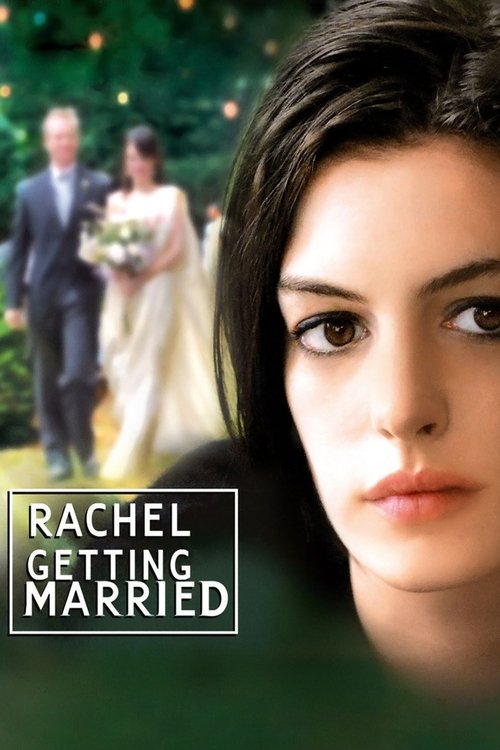
Rachel Getting Married2008
A family wedding weekend cracks open old wounds between sisters, its handheld intimacy making every buried resentment feel dangerously close to the surface.
But The shaky, overlapping-dialogue style is the opposite of Bergman's controlled compositions — warmer, messier, far less exact.
The wildcard
Something you would not have found on your own.
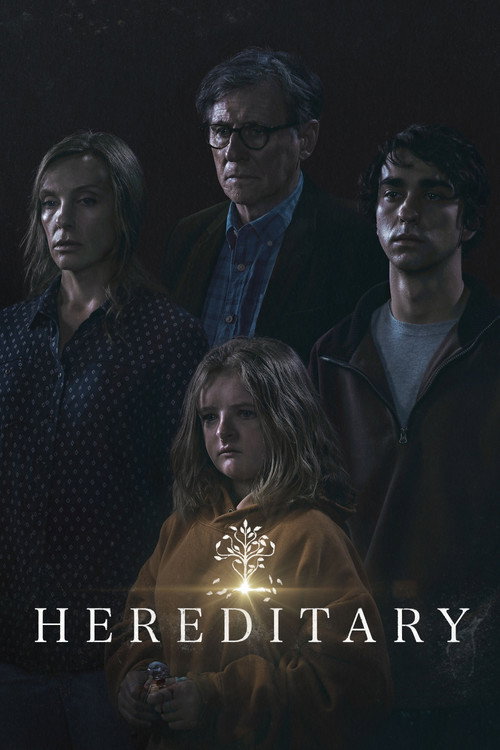
Hereditary2018
Both use a dying matriarch and warring female relatives as fuel for an eruption of long-buried family horror, told through color, ritual and unbearable close-ups — Hereditary just recasts the psychological terror as literal horror grammar.
Takes Bergman's theatrical grief and cranks it into full horror-movie register — the same inherited trauma passed between women, but with dread you can feel in your stomach.
But The supernatural machinery and jump-scare craft are a world away from Bergman's restraint; purists may find the genre trappings cheapen the anguish.
More like this (8)
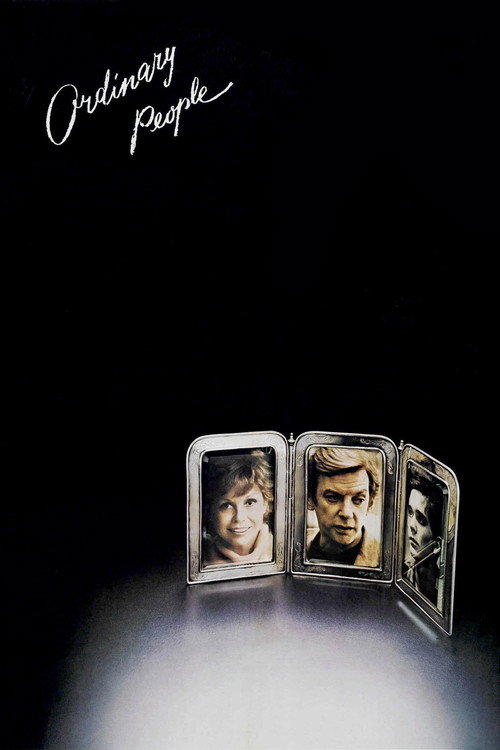
Ordinary People1980
A family quietly unravels after loss, each member locked in private grief they can't share with the others — restrained, devastating, superbly acted.
But It's gentler and far more conventionally structured than Bergman's film; the anguish is real, but the telling is tidier.
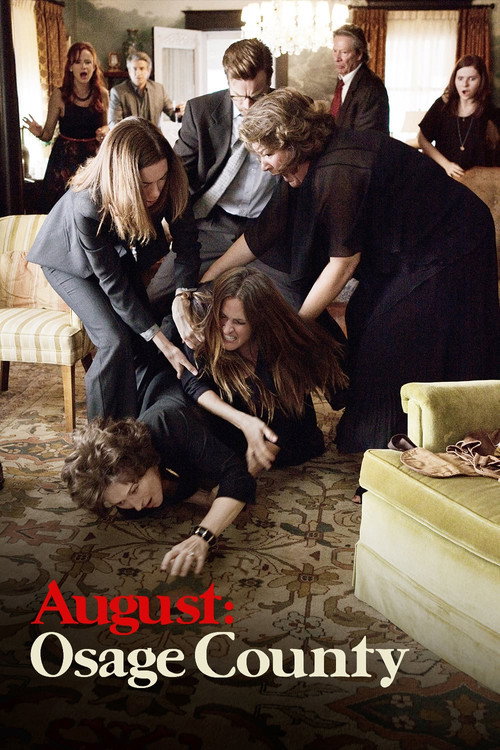
August: Osage County2013
Three sisters reunite under one roof and detonate decades of resentment — the same claustrophobic family horror, but with more shouting and pitch-black comedy.
But It trades Bergman's austerity for theatrical excess — broader, funnier, more interested in spectacle than in silence.
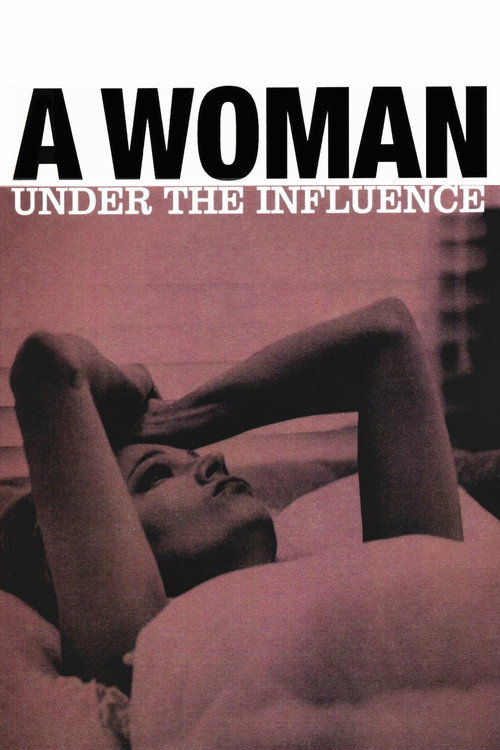
A Woman Under the Influence1974
Cassavetes' camera stays brutally close to a woman's unraveling mind, matching Bergman's appetite for unbearable close-ups and raw, unfiltered female pain.
But It's loose and improvisational where Bergman is precise — messier, longer, exhausting in a very different register.
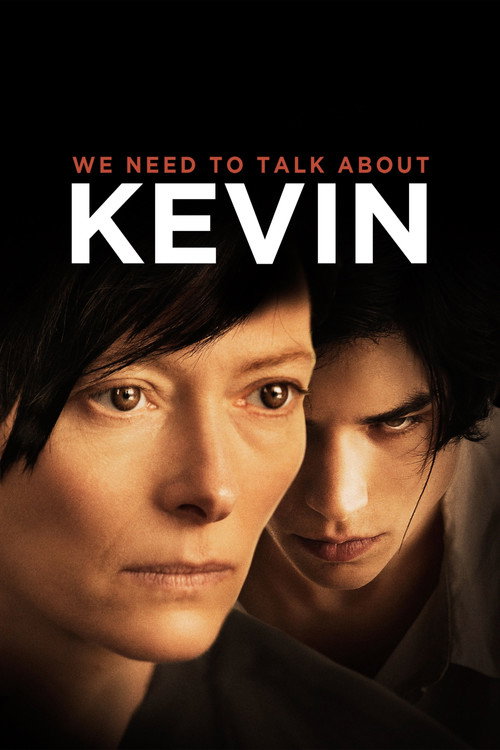
We Need to Talk About Kevin2011
Grief and maternal horror unfold through color and fractured time rather than plot — formally daring in ways that echo Bergman's symbolic use of red.
But The thriller structure and shock ending are a different animal from Bergman's stillness; it can feel sensational rather than sorrowful.
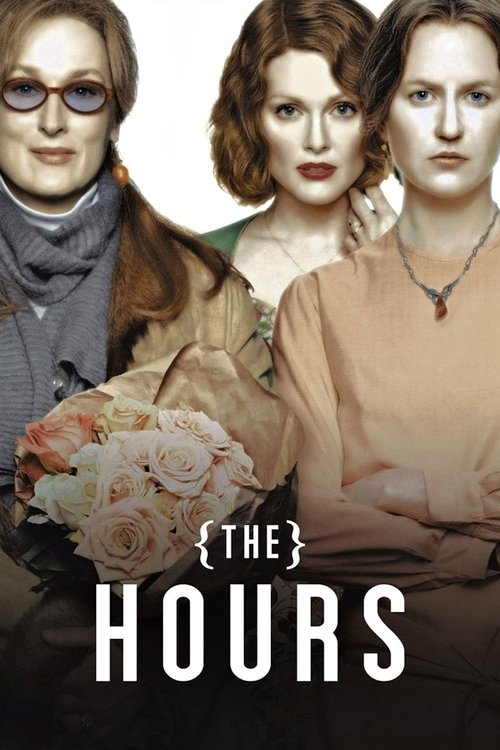
The Hours2002
Three women across different eras share a current of depression and mortality, cut between the way Bergman cuts between his sisters' private memories.
But It's polished and score-heavy where Cries and Whispers is stark and nearly musicless — a softer, more awards-friendly version of similar pain.
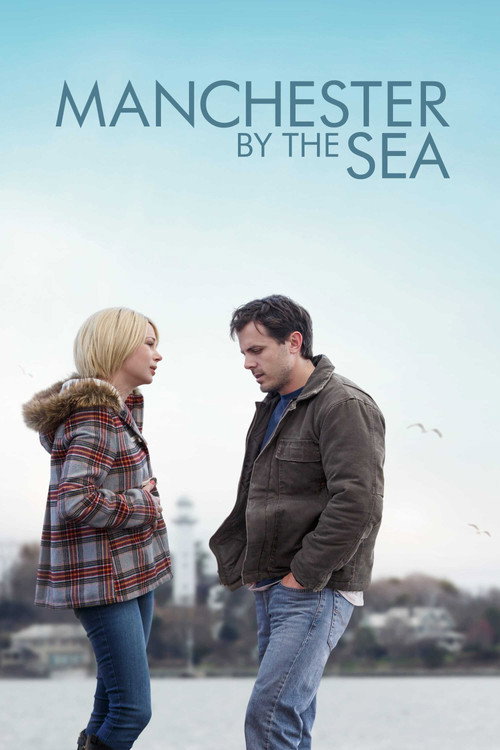
Manchester by the Sea2016
Grief here is a low, constant hum rather than an eruption — patient, unglamorous, devastating in its refusal to resolve neatly.
But Much more naturalistic and American-indie in texture; anyone wanting Bergman's operatic intensity will find this comparatively muted.
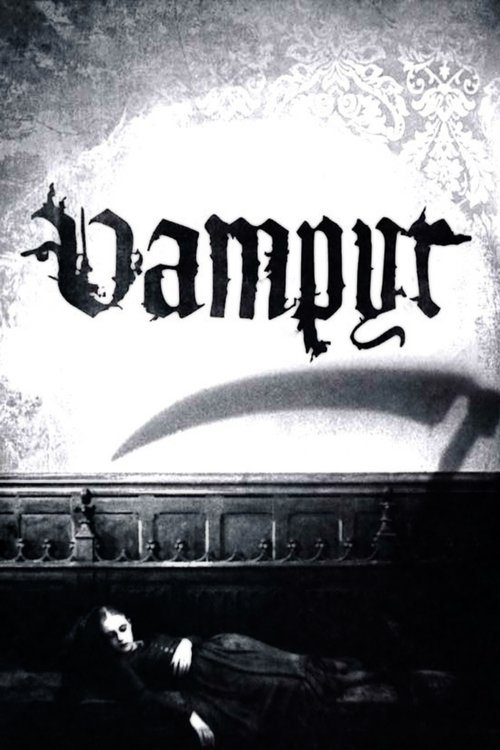
Vampyr1932
Bergman cited this eerie black-and-white horror film's stark imagery and half-dead atmosphere as a direct influence on Cries and Whispers' ghostly visitations and color logic.
A hypnotic, near-silent ghost story that helped invent the visual language Bergman later borrowed — dreamlike, uncanny, genuinely strange decades before 'arthouse horror' was a category.
But Nearly a century old, largely without spoken dialogue, and paced like a fever dream — a real patience test if you want narrative momentum.
Near Death1989no page yet
Frederick Wiseman's documentary watches real patients, families and staff sit with dying in an ICU with the same unflinching, unsentimental gaze Bergman fictionalizes — no score, no comfort, just presence.
Removes fiction entirely and just watches people die and be cared for in real time — an extraordinary, humane document that makes Bergman's staging look almost tender by comparison.
But It's six hours long, unscripted, and offers none of Bergman's visual beauty — a genuine endurance test even for documentary lovers.
People
Cast
 Liv UllmannMaria
 Ingrid ThulinKarin
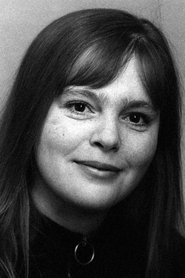 Kari SylwanAnna
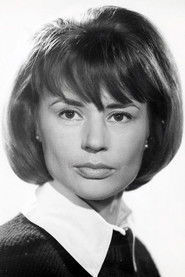 Harriet AnderssonAgnes
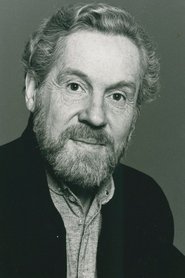 Erland JosephsonDavid
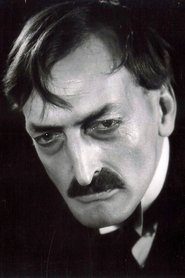 Georg ÅrlinFredrik
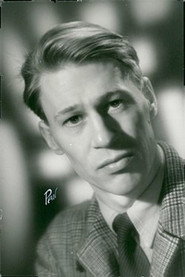 Anders EkIsak
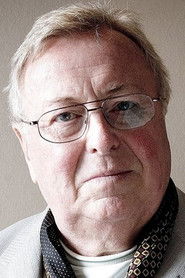 Henning MoritzenJoakim
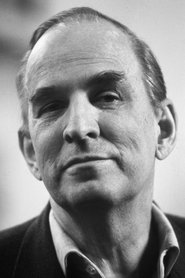 Ingmar BergmanNarrator (voice)
- Ingrid SandellGirl at a Family Gathering (uncredited)
- Ingrid BergmanSpectator
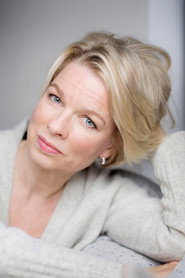 Linn UllmannMaria's Daughter
Directing
- Ingmar BergmanDirector
Writing
- Ingmar BergmanScreenplay
Production
- Ingmar BergmanProducer
- Lars-Owe CarlbergProducer