
Film
Hour of the Wolf
- Drama
- Very dark
Bergman's hallucinatory portrait of artistic breakdown and marital dread. An ageing painter unravels on a Baltic island, haunted by phantom visitors and the ghosts of past desire. Max von Sydow's disintegration is mesmerizing and deeply uncomfortable—this is cinema as psychological autopsy, not reassurance.
If you liked this
The Seventh Seal1957
Bergman's most famous film: a knight plays chess with Death itself. Von Sydow's quiet intensity anchors this meditation on faith, mortality and meaning. If you've heard of only one Bergman, this is probably it.
But Medieval allegory can feel distant and academic. The pacing is deliberate—this demands patience, not action.

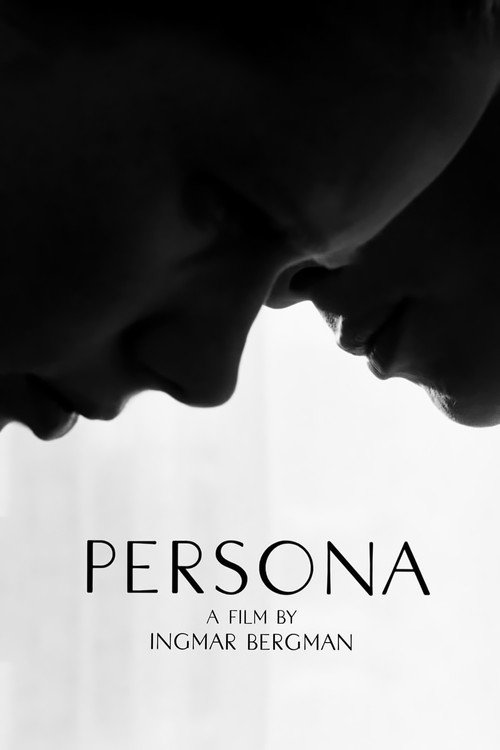
Persona1966
Two women, one of whom has gone silent, confront each other in isolation. Bergman at his most formally daring, exploring identity and the mask of performance. Liv Ullmann is extraordinary.
But Very abstract and fragmented. The camera work is challenging rather than beautiful. Some find it impenetrable on first viewing.
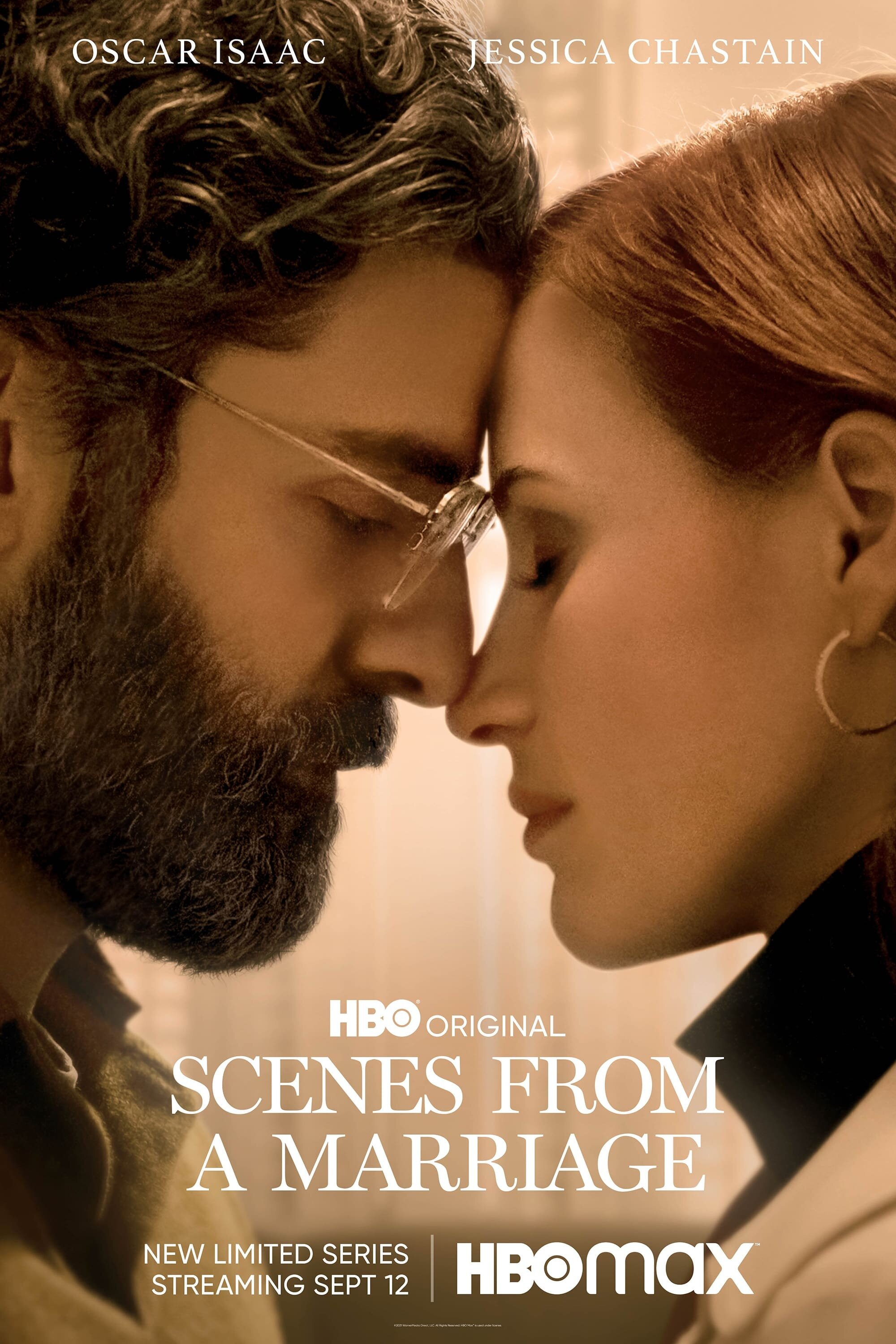
Scenes from a Marriage2021
Bergman and Ullmann dissect a marriage across six brutal, unflinching scenes. Intimate and raw, it redefined what television drama could be. Essential viewing about love, betrayal and compromise.
But It's a masterclass in emotional exhaustion. Watching a relationship deteriorate can feel voyeuristic and draining, not cathartic.
Not sure tonight? Get a pick in a minute, starting from Hour of the Wolf
The wildcard
Something you would not have found on your own.
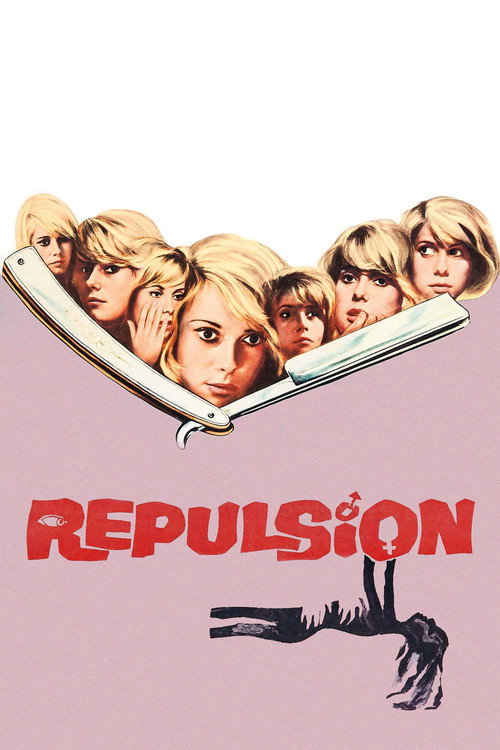
Repulsion1965
Both are formal explorations of paranoia and sexual dread rendered through distorted space and hallucinatory imagery—masculinity in collapse rendered as gothic architecture.
Polanski's descent into madness: a withdrawn woman alone in an apartment as reality fractures. Like Hour of the Wolf, it's psychological horror without supernatural explanation—the terror is internal, embodied in space and perception. Catherine Deneuve's dissociation is terrifying.
But Intensely disturbing imagery of bodily violation and decay. The protagonist is alienating by design. Watching someone decompose mentally for 105 minutes is an ordeal, not entertainment.
More like this (6)
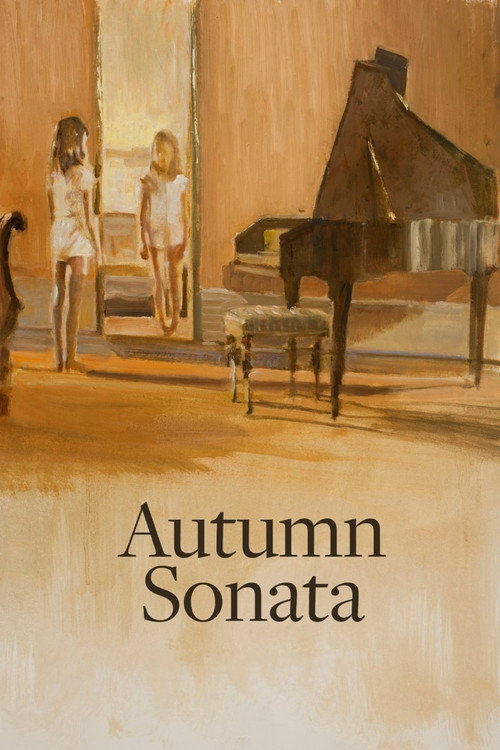
Autumn Sonata1978
Ingrid Bergman and Liv Ullmann in a chamber piece about mothers and daughters, art and motherhood, guilt and resentment. Confrontational, musical, devastatingly honest about female relationships.
But Heavy on dialogue, light on plot. It's essentially two women arguing for two hours. If you need external drama, this will feel glacial.
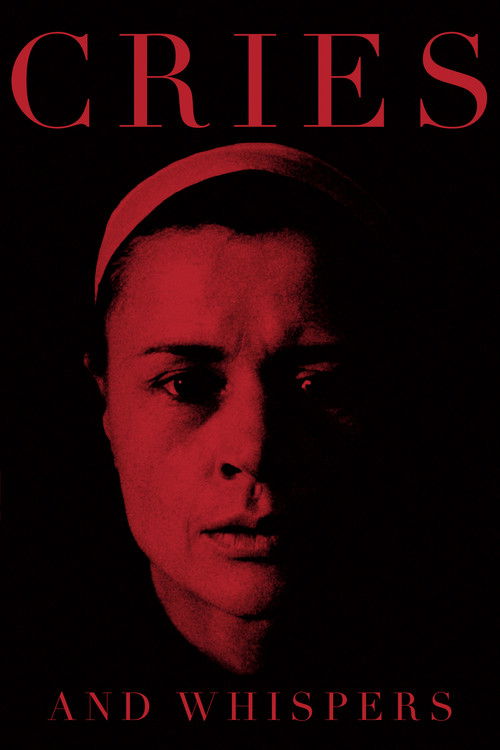
Cries and Whispers1972
A woman dying of cancer, her two sisters, a servant. Red walls. Suppressed rage and tenderness. Bergman's masterpiece—formally perfect, emotionally annihilating. Sven Nykvist's cinematography is sublime.
But Extremely bleak subject matter with no redemption in sight. The claustrophobia and bodily horror will unsettle many viewers.
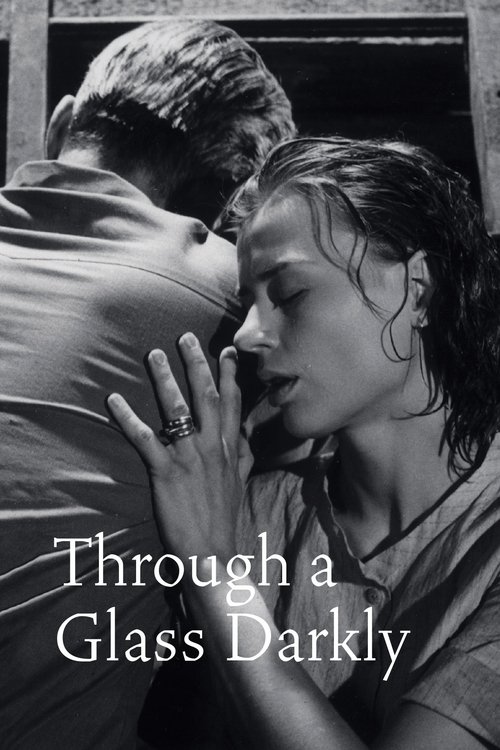
Through a Glass Darkly1961
A family holidaying on an island as one member descends into mental illness. Intimate and claustrophobic, shot in luminous black and white. Only four actors, one location—Bergman proves constraint breeds brilliance.
But The pacing is contemplative to the point of stasis. Very little happens externally; it's all internal and philosophical.
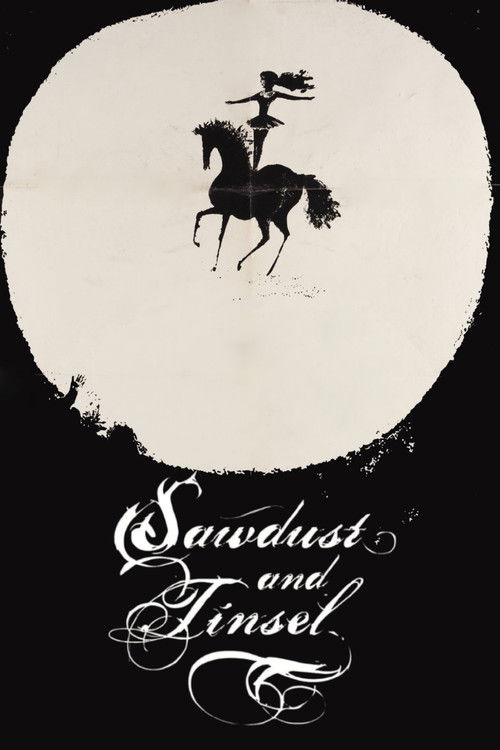
Sawdust and Tinsel1953
A circus master navigates desire, shame and aging in post-war Stockholm. Raw and baroque, with a remarkable tonal range. More theatrically exuberant than Bergman's later work, but no less probing.
But The carnival setting can read as whimsical until the cruelty emerges. Some sequences are genuinely grotesque and unpleasant.
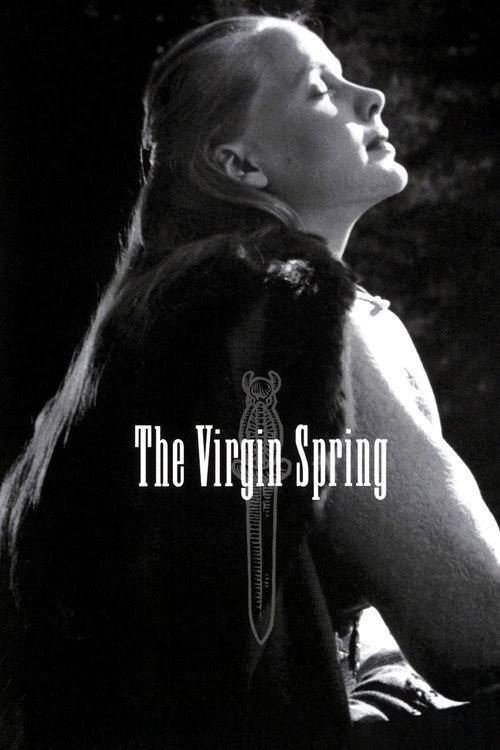
The Virgin Spring1960
A father's daughter is brutally murdered; he enacts vengeance in this stark, violent medieval parable. Visually stunning and morally complex, it won the Palme d'Or. Challenging Bergman.
But Contains graphic sexual violence. The film never flinches from depicting brutality, which some find exploitative rather than enlightening.
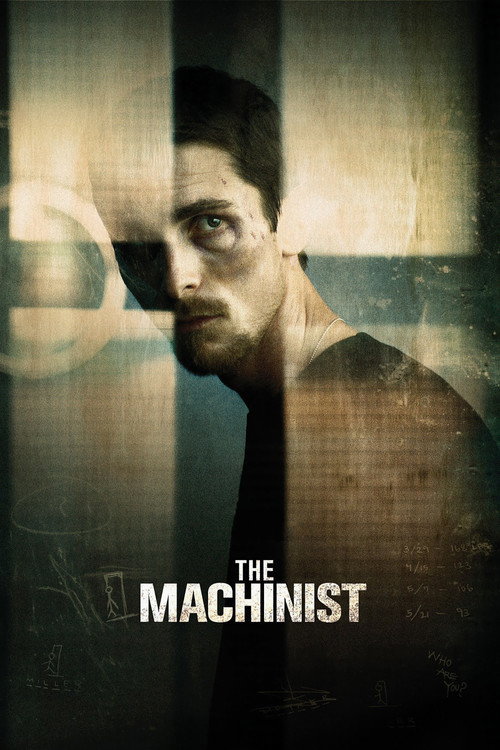
The Machinist2004
Both use psychological deterioration as the engine of narrative, depicting men disintegrating through willful isolation and unprocessed guilt. Both are formally restrained, making internal chaos visible through mise-en-scène rather than dialogue or explanation.
A factory worker's insomnia produces paranoia, delusion and moral collapse. Nolan's Anglo-Spanish noir distills Hour of the Wolf's core into a taut, lean frame. Christian Bale's skeletal physicality mirrors the film's visual starvation. Haunting and hypnotic.
But A genre exercise rather than art film—feels more like a thriller than philosophical exploration. The twist ending divides viewers sharply; some find it reductive.
People
Cast
 Max von SydowJohan Borg
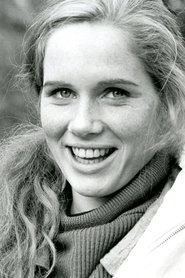 Liv UllmannAlma Borg
 Gertrud FridhCorinne von Merkens
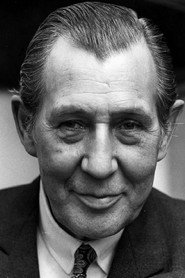 Georg RydebergLindhorst
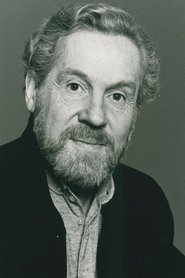 Erland JosephsonBaron von Merkens
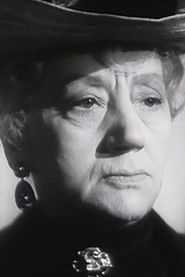 Naima WifstrandOld Lady with Hat
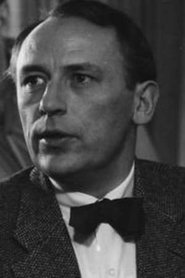 Ulf JohanssonHeerbrand
 Gudrun BrostGamla Fru von Merkens
- Bertil AnderbergErnst von Merkens
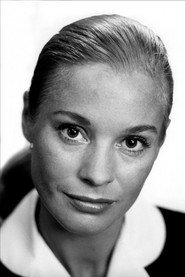 Ingrid ThulinVeronica Vogler
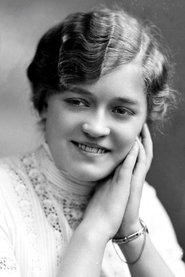 Agda HelinVon Merken's Maid (uncredited)
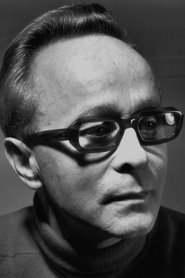 Lenn HjortzbergKreisler (uncredited)
Directing
- Lenn HjortzbergAssistant Director
- Ingmar BergmanDirector
- Bo Arne VibeniusSecond Assistant Director
Writing
- Ingmar BergmanWriter
Production
- Lars-Owe CarlbergProducer
- Lars-Owe CarlbergProduction Manager
Recommended by
The Curse of the Cat People, Storm of the Century, The Night of Counting the Years, An Inspector Calls, Bathory: Countess of Blood, Night Games