
Film
Bathory: Countess of Blood
A 2008 revisionist biography of Elizabeth Báthory that upends the murderess legend, suggesting she was a Renaissance woman destroyed by political enemies. It's a lush, violent period drama that swaps the gothic horror angle for intimate cruelty and courtly intrigue. For viewers interested in how history gets rewritten, especially the stories we tell about powerful women.
If you liked this
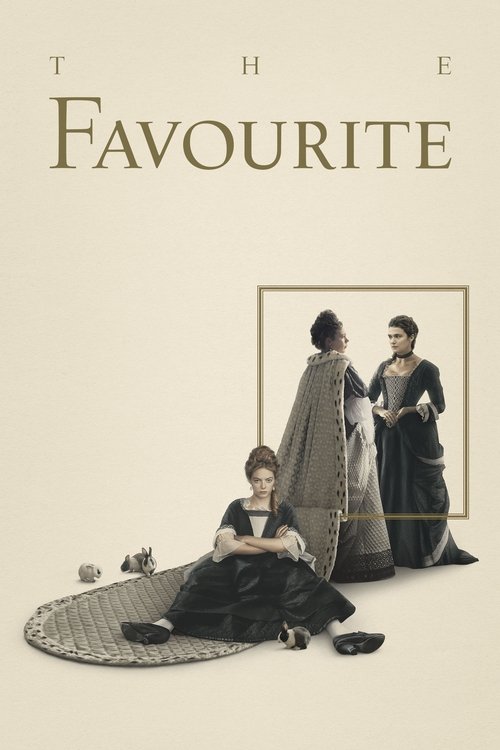
The Favourite2018
Two women compete for a queen's affection across a glittering, treacherous court. Like Bathory, it's visceral period drama that explores how women weaponize intimacy and the price of influence in male-dominated power structures.
But The tonal whiplash between comedy and cruelty might feel scattered. Some find its anachronistic style more distracting than illuminating.
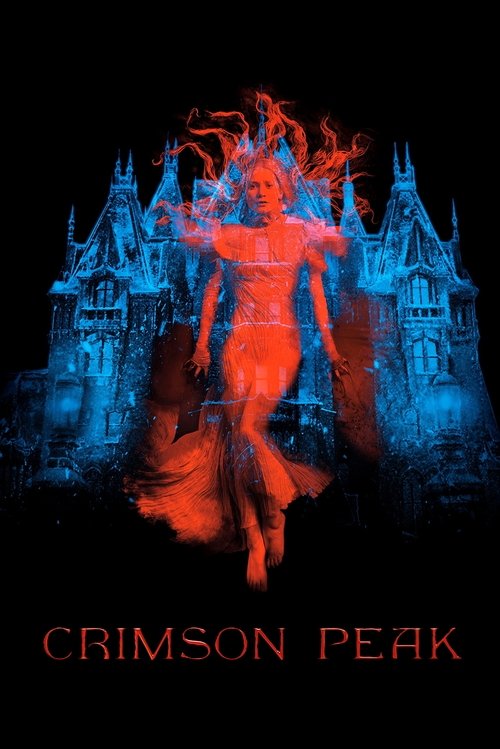
Crimson Peak2015
Guillermo del Toro's Gothic romance about a woman discovering terrible secrets in an decaying mansion. Shares Bathory's atmospheric dread, painterly violence, and the question of whether a woman is victim or perpetrator.
But It leans harder into horror-romance than historical reckoning. If you want realism over mood, this tilts the other way.
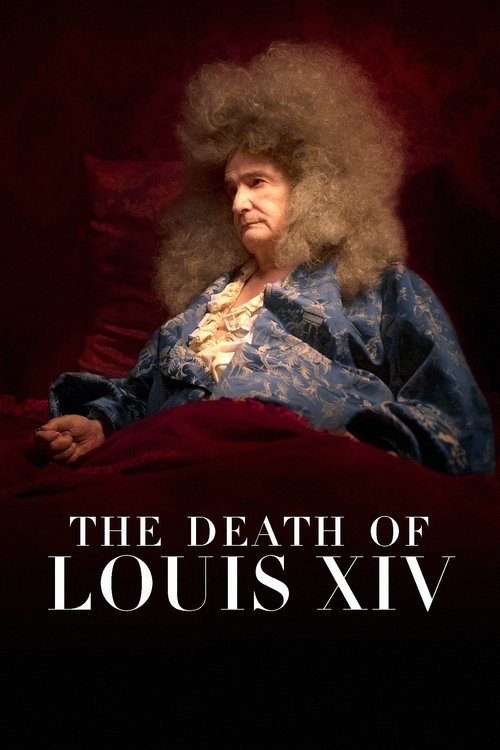
The Death of Louis XIV2016
A slow, unflinching portrait of dying power in a gilded setting. Like Bathory, it treats historical figures as flesh and bone, not myths—intimate and sometimes grotesque, never sanitized.
But Deliberately paced to the point of stasis. The plot is literally a man dying over two hours. Patience is not optional.
Not sure tonight? Get a pick in a minute, starting from Bathory: Countess of Blood
The wildcard
Something you would not have found on your own.
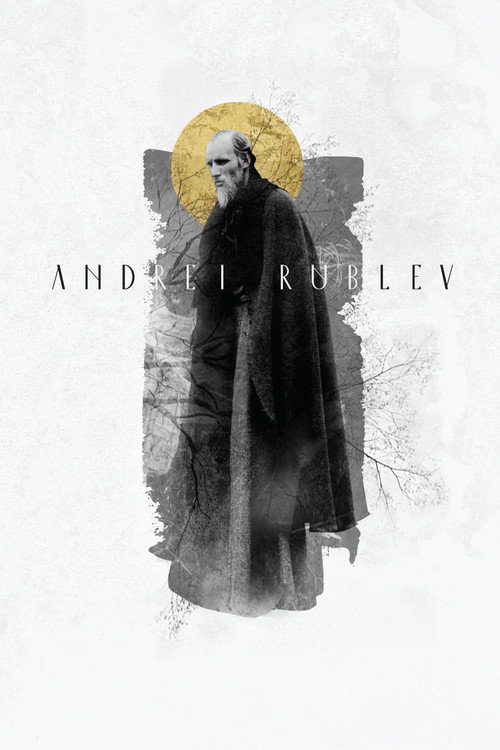
Andrei Rublev1966
Both are visually rapturous meditations on how power corrupts art and the body in medieval Europe. Both reject plot efficiency for atmosphere and moral ambiguity.
Tarkovsky's 205-minute epic about an iconographer in medieval Russia. Both films treat history as sensual and brutal, with long sequences of quiet observation punctured by violence. Both ask what beauty costs when made in barbarous times.
But This is Soviet art cinema at maximum length and opacity. It demands active surrender. Many viewers find it exhausting rather than transcendent.
More like this (7)
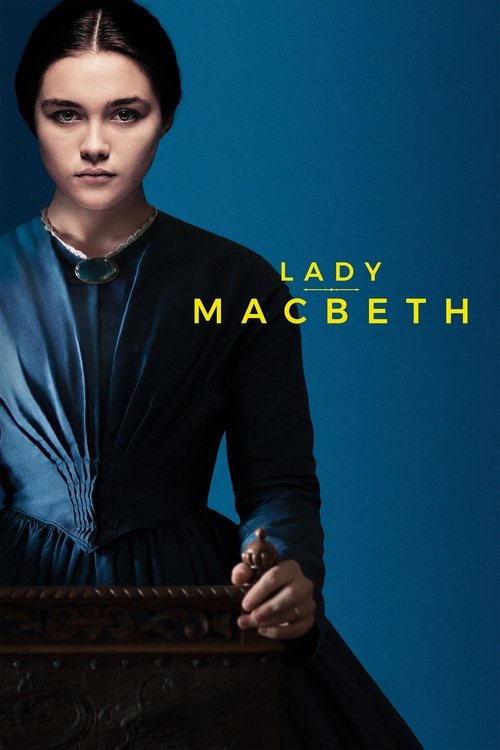
Lady Macbeth2016
A woman in a repressive household becomes a force of terrible will. Shares Bathory's fascination with female agency expressed through transgression, and the same claustrophobic, morally ambiguous intensity.
But The sexual violence and abuse are central to the story, not window-dressing. Genuinely difficult to watch in ways that won't lift.
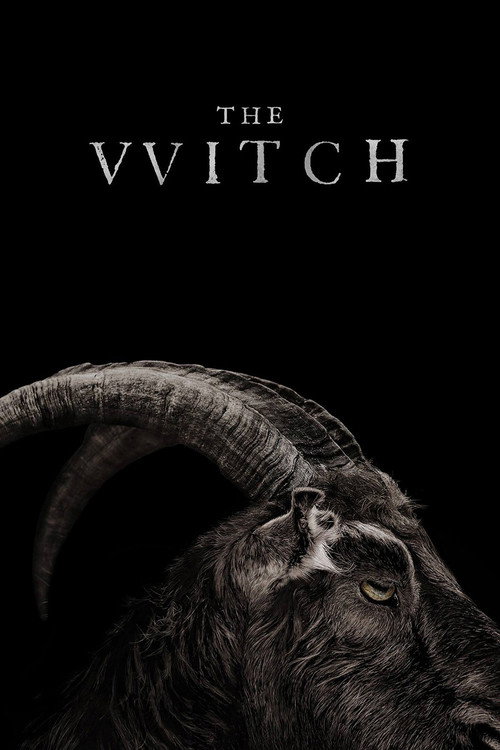
The Witch2016
A woman accused of witchcraft in colonial New England; a story about how communities project evil onto the female Other. Bathory has the same undertow—the gap between what she actually did and what legend says she did.
But It's slow-burn folk horror, not a traditional narrative. The accents require attention. Some find it glacially paced rather than hypnotic.
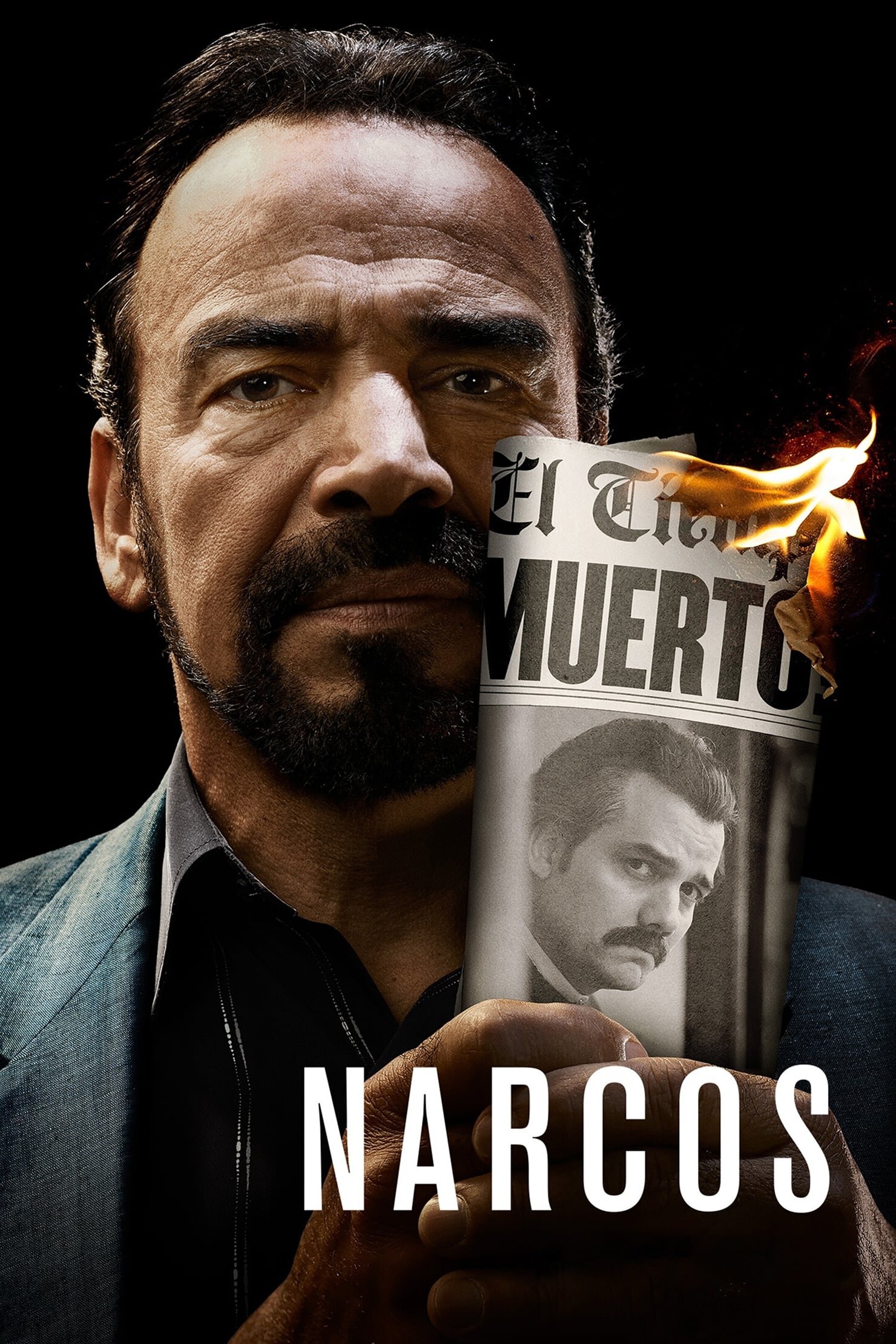
Narcos2015
A sprawling, beautifully shot drama about power, obsession, and how history is written by the victors. The show's moral complexity—everyone is compromised—matches Bathory's refusal to paint in simple strokes.
But Three seasons is a commitment, and the middle drags. The show doesn't always know when to end a thread.
American Crime Story2016
A true-crime story told with operatic flair and genuine sympathy for its subjects. Like Bathory, it interrogates legend, media narrative, and the space between myth and truth about a sensational life.
But If you're not invested in the Versace world or fashion history, the glamour can feel hollow. Comes close to style over substance.

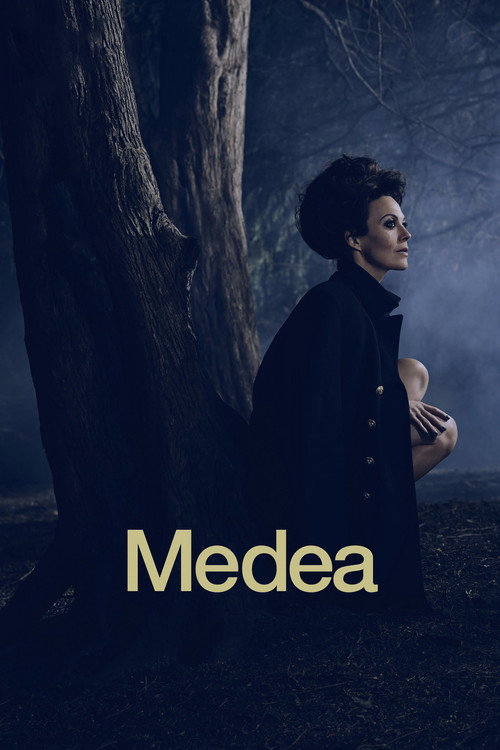
National Theatre Live: Medea2014
Lars von Trier's radical take on the Greek tragedy, focusing on a woman's interior rage before the infanticide. Abstract and challenging in ways Bathory isn't, but the same obsession with female rage as both cosmic and mundane.
But Von Trier's maximum artificiality—black-and-white, digital experiments, no conventional narrative—will alienate viewers wanting realism.
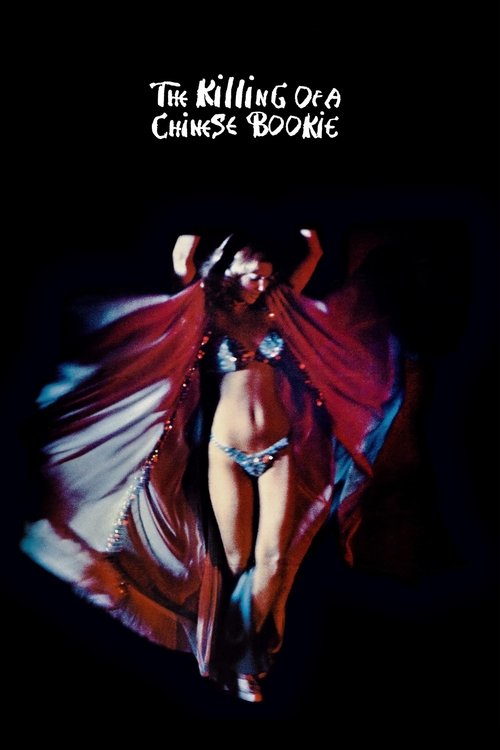
The Killing of a Chinese Bookie1976
Both examine how power operates through debt and obligation; how good people become complicit in evil through circumstance rather than malice. Both see victims and perpetrators as inseparable.
Cassavetes' devastating film about a nightclub owner forced into murder by brutal men who own him. Shares Bathory's focus on entrapment, the erosion of agency, and intimate corruption—but told through modern Los Angeles alienation.
But Grainy, naturalistic, dialogue-heavy, and formally loose to the point of formlessness. Refuses catharsis or clarity. Viewers seeking plot will be frustrated.
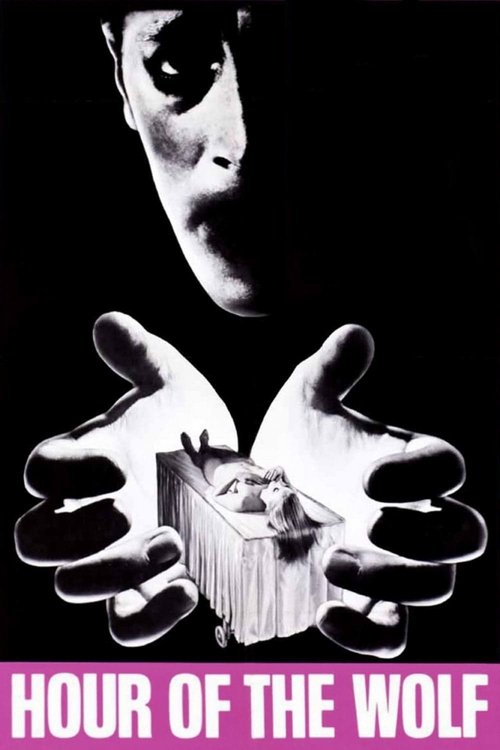
Hour of the Wolf1968
Both use period setting and intimate confinement to explore how identity fractures under scrutiny. Both suggest that the line between madness and evil, victim and perpetrator, can dissolve entirely.
Bergman's nightmare about an artist and his wife in a haunted island mansion. A woman watches her partner's psychological dissolution while unsure if she's witness or accomplice. Shares Bathory's claustrophobic dread and the destabilization of historical truth.
But Deliberately cryptic and open-ended. It's closer to fever dream than drama. Viewers needing narrative coherence will find it maddening and empty.
People
Cast
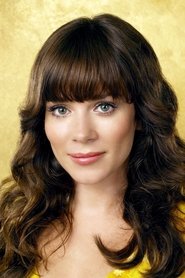 Anna FrielErzsébet Báthory
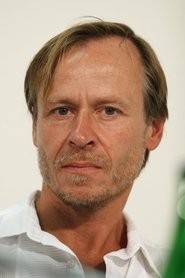 Karel RodenJuraj Thurzo
 Vincent ReganFerenc Nadasdy
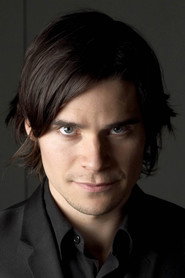 Hans MathesonMerisi Caravaggio
 Deana HorváthováDarvulia
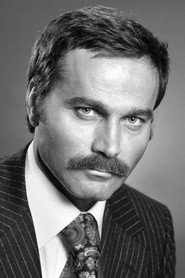 Franco NeroKing Mathias
 Antony ByrnePastor Ponicky
 Bolek PolívkaMonk Petr
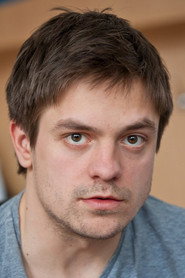 Jiří MádlCyril
 Monika HilmerováCountess Czobor
 Lucie VondráčkováLucia
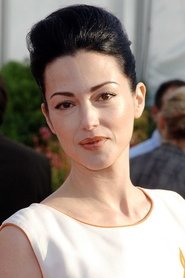 Julie DreyfusLady Katarina
Directing
- Juraj JakubiskoDirector
Writing
- John Paul ChappleDialogue
- Juraj JakubiskoScreenplay
Production
- Martin SpottAssociate Producer
- Ingrid HodálováCasting
- Jessica HorváthováCasting
- Lucy BevanCasting
- Péter MiskolcziCo-Producer
- Zorana PiggottCo-Producer
- Thom MountExecutive Producer
- Ivan FilusLine Producer
- Kevan Van ThompsonLine Producer
- Deana HorváthováProducer
- Mike DowneyProducer
- Zorana PiggottProducer