
Film
National Theatre Live: Medea
- Drama
- Very dark
Helen McCrory's Medea is a searing 90-minute plunge into ancient fury recorded from the National Theatre stage. It's classical drama stripped of pageantry—intimate, brutal, hypnotic. McCrory finds the cold calculus beneath the passion: a woman weaponizing her own love against the man who discarded her. Extraordinary if you can sit with moral devastation.
If you liked this
The Humans2021
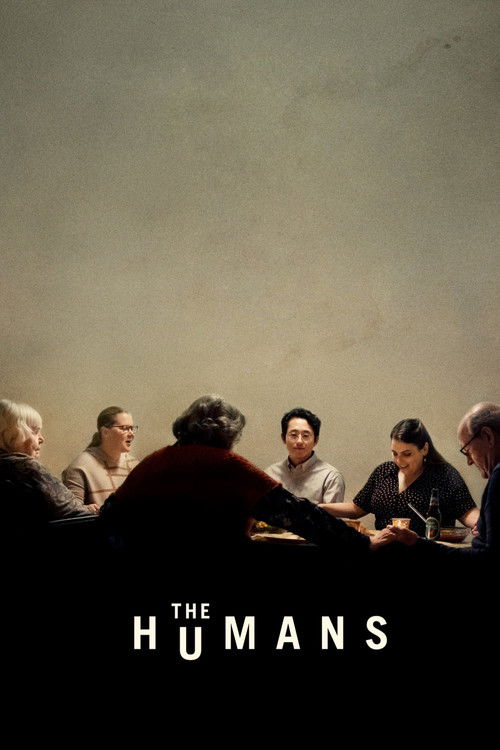
A family Thanksgiving gathering becomes a portrait of simmering resentment and unsayable things. It has Medea's suffocating attention to domestic spaces where cruelty lives, and the same sense that politeness is a dam holding back floods.
But Slow, claustrophobic, almost no plot. The dread builds inward rather than outward. Takes patience.
Antigone1992
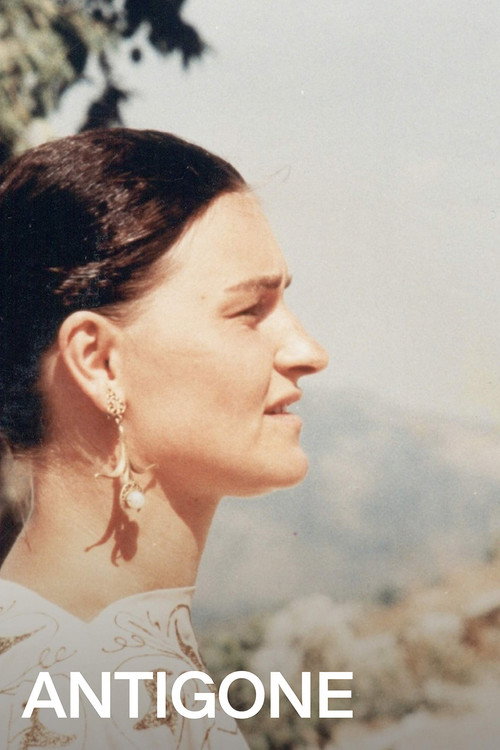
Another ancient tragedy adapted for modern sensibility, starring Juliet Rouget. It moves with the same inexorable logic toward collision—a woman alone against authority, refusing compromise. Devastating in its simplicity.
But You will not leave feeling better. It's structured like a falling piano, not a journey.
The Cherry Orchard1999
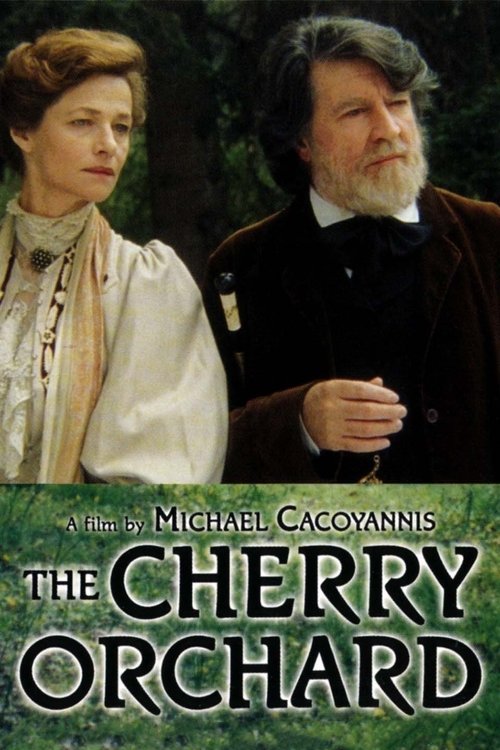
Chekhov's final play, filmed with Stephen Dillane and Frances de la Tour. Less explosive than Medea, but equally exact about the unspeakable: loss, paralysis, the things we cannot bring ourselves to say or do.
But Medea kills. This one watches people fail to act. If you want catharsis through violence, this offers something else entirely—and sadder.
Not sure tonight? Get a pick in a minute, starting from National Theatre Live: Medea
The wildcard
Something you would not have found on your own.
Scenes from a Marriage2021
Both strip the myth of revenge down to its actual engine: a person made small by someone they loved, finding the only power left is to break what they cannot keep.
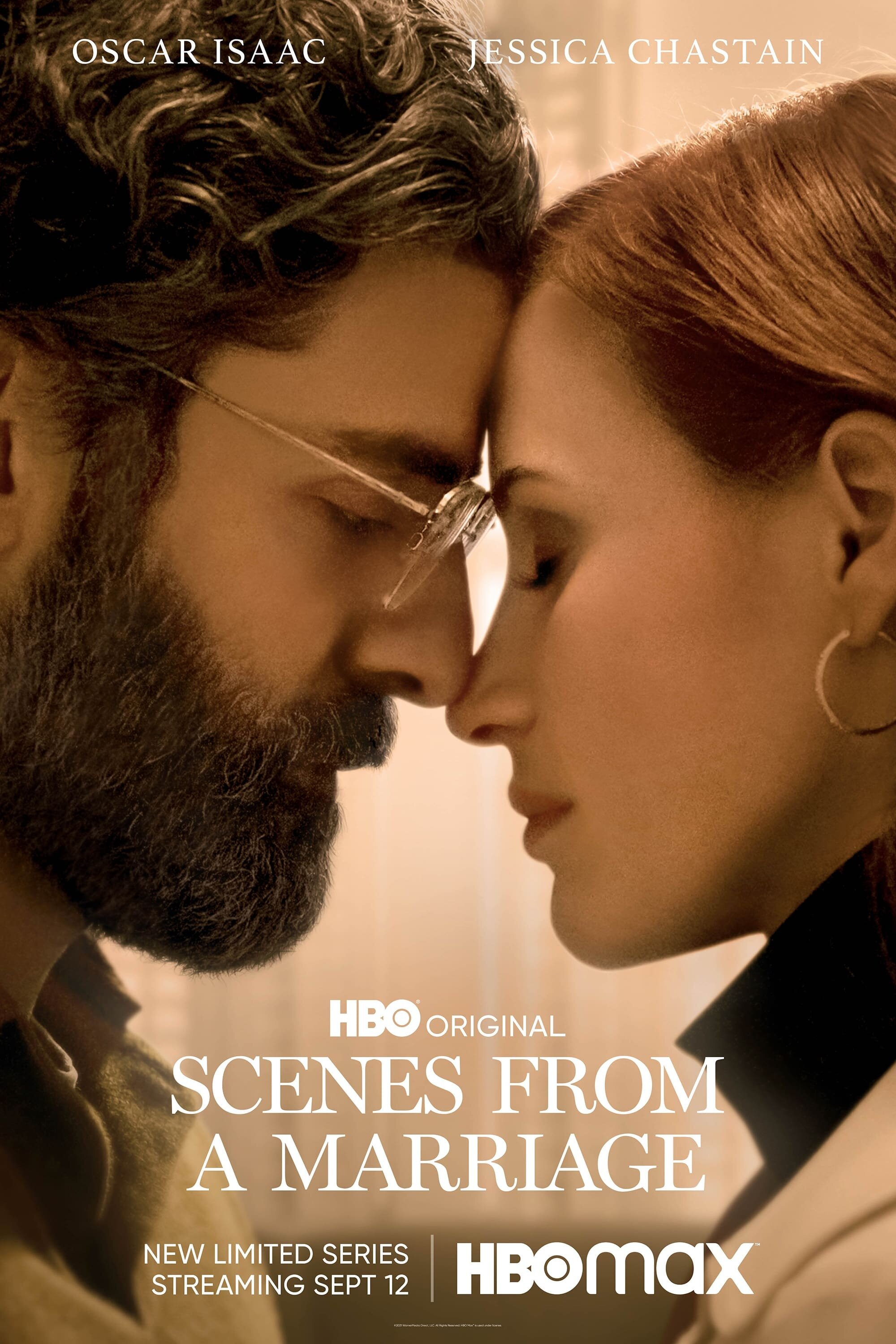
Bergman's six-part miniseries (or single film, cut either way) follows Marianne and Johan through marriage's entire arc with merciless precision. Not as violent as Medea, but operating on the same frequency—two people destroying each other through intimacy. Liv Ullmann is extraordinary.
But Swedish, 1973, 300 minutes (or 168 depending on version). Shot with Bergman's unblinking camera. It will dismantle you slowly and completely, and some people prefer movies to feel like less work.
More like this (6)
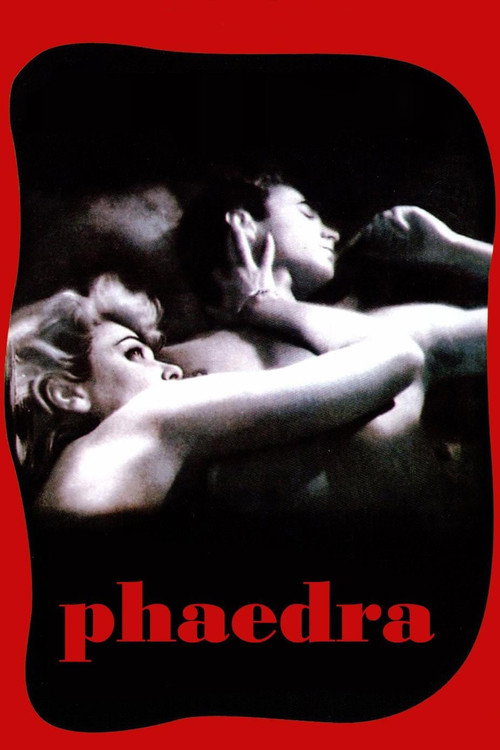
Phaedra1962
Melina Mercouri in Jules Dassin's take on Euripides—a woman undone by forbidden desire, shot in Athens with the landscape as moral witness. Operatic where Medea is surgical, but the same collision between private want and public ruin.
But Black and white, slow-burn, European. The pacing asks things contemporary audiences sometimes resent from older cinema.
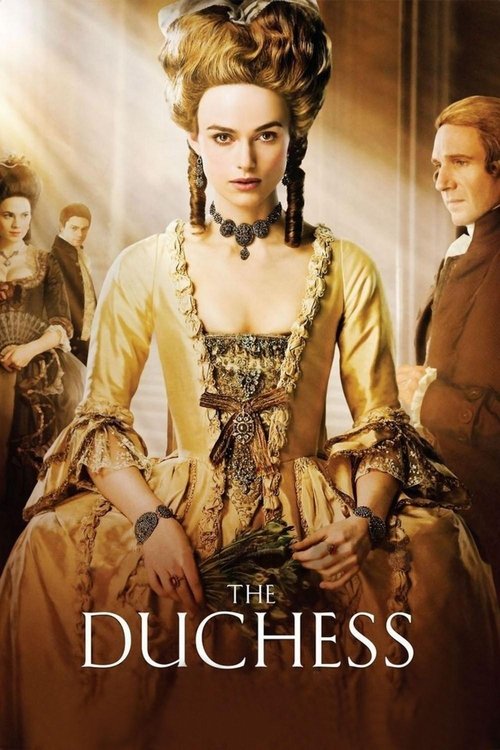
The Duchess2008
Keira Knightley as the Duchess of Devonshire—trapped in a loveless marriage, motherhood weaponized against her, her every move calculated by men. Different century, same cage. Ralph Fiennes is cold and cutting as the Duke.
But Period drama mechanics can feel shopworn. Some will find it too comfortable in its period-drama beauty.
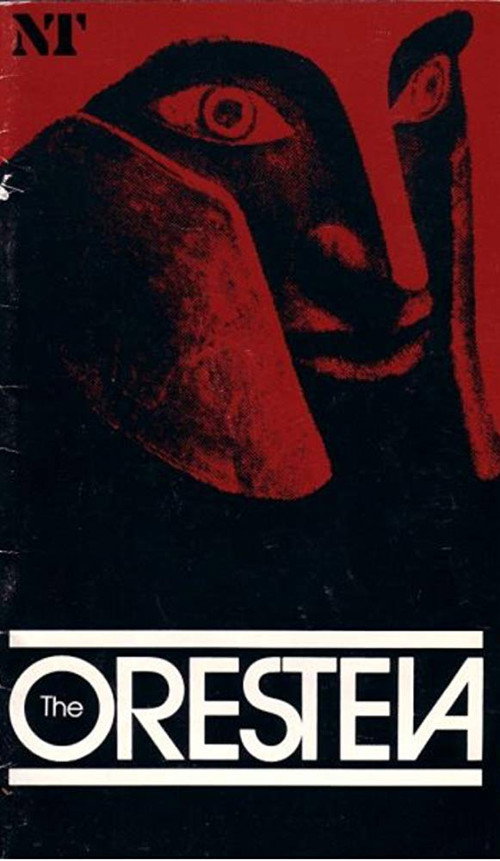
The Oresteia1983
The complete Greek trilogy filmed for BBC, starring cast that includes Helen McCrory (yes, her Medea parallel). Three plays about cycles of vengeance and the possibility of justice. Essential context for understanding what Medea precedes.
But Three hours, ancient language translated into modern English verse. It demands more stamina than some nights allow.
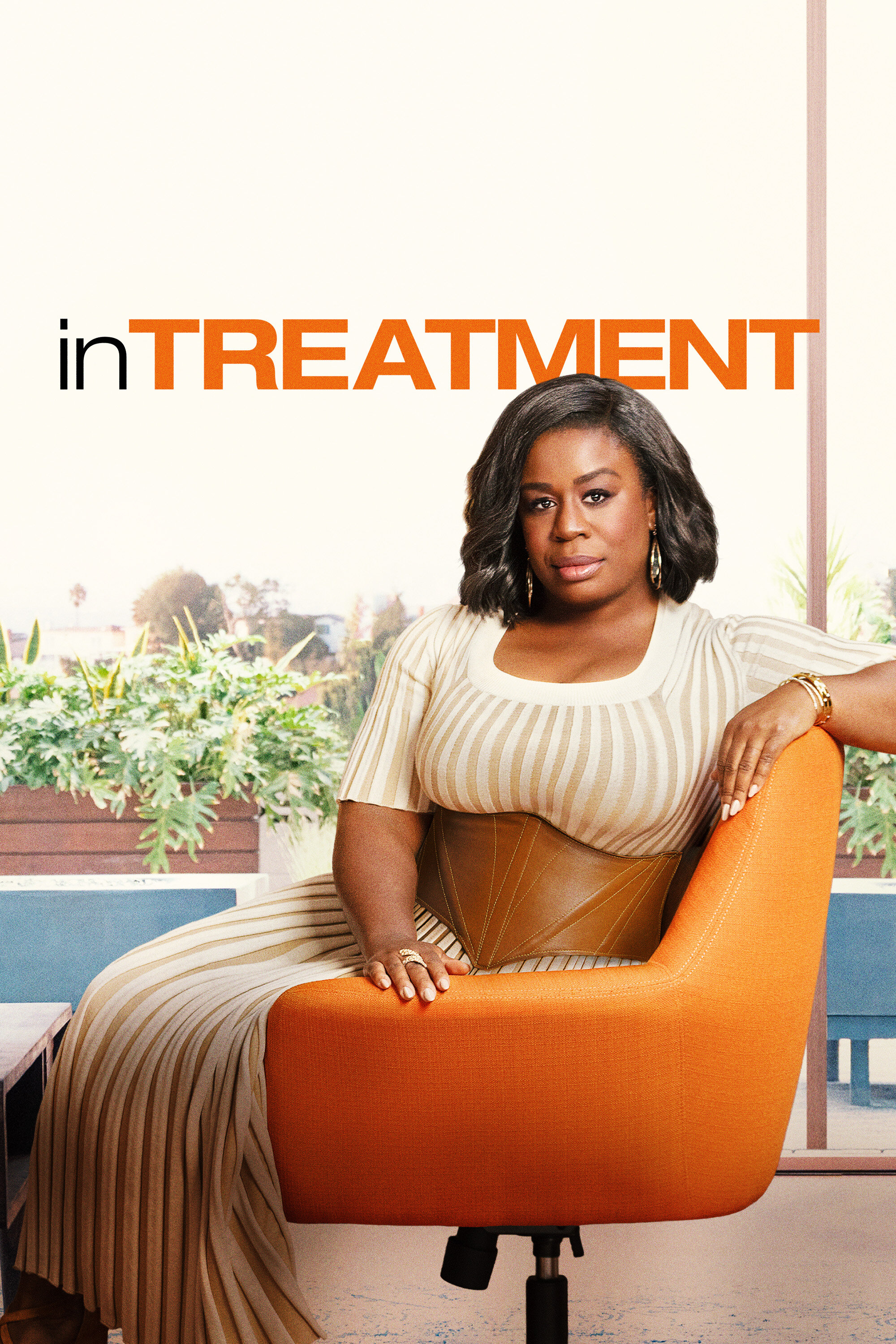
In Treatment2008
Gabriel Byrne's therapist listens to damaged people excavate their marriage wreckage, their parental failures, their self-deceptions. Like Medea, it's about the gap between what people tell themselves and what they've actually done.
But Dialogue-heavy. If you need plot, this is five seasons of people talking in rooms. The repetition bothers some viewers.
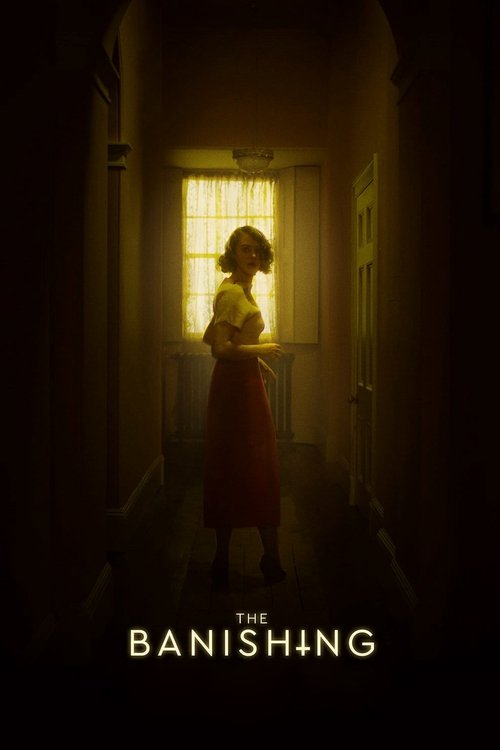
The Banishing2021
Sean Harris in a 1930s gothic about a clergyman whose new home holds a dark secret. Different genre entirely, but it has Medea's architecture of horror—the intimate turning monstrous, the home as the most dangerous place a person can be.
But Gothic pastiche can feel self-conscious. The period setting is studied rather than lived in. Horror fans might find it too mannered.
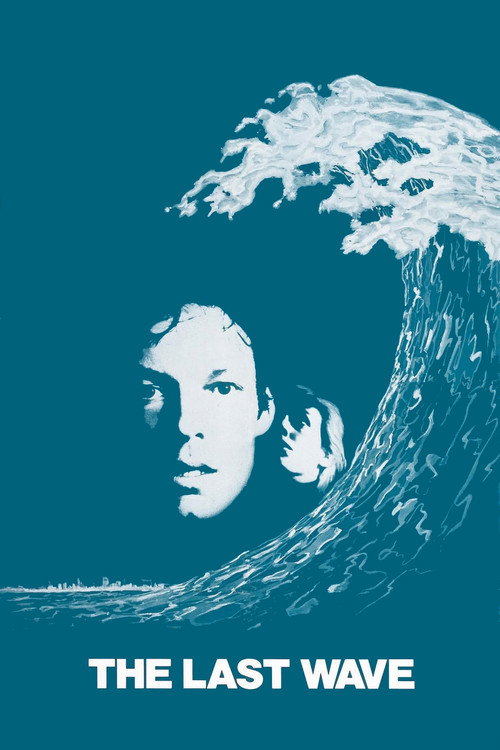
The Last Wave1977
Both are about powerlessness—a person caught in systems (legal, marital, colonial) that won't hear them. Both turn that powerlessness into something inexplicable and terrifying.
Peter Weir's fever dream about a lawyer defending an Aboriginal man, drawn into spiritual forces beyond rationality. Hypnotic, cryptic, feels like watching someone's fever. Shot in Sydney with the city itself becoming uncanny. A completely different genre, but same intensity.
But Experimental structure, vague, deliberately obscure about what's actually happening. It refuses clarity. Deeply unsettling rather than cathartic.
People
Cast
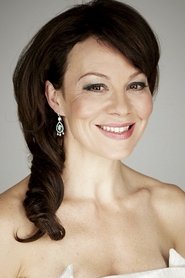 Helen McCroryMedea
 Michaela CoelNurse
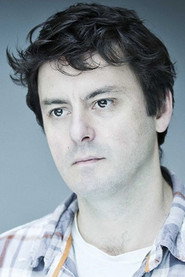 Dominic RowanAegeus, King of Athens
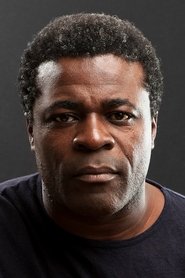 Danny SapaniJason
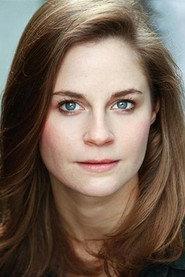 Clemmie SveaasKreusa
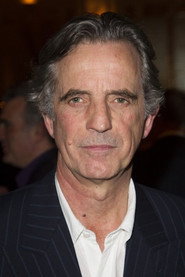 Martin TurnerKreon, King of Corinth
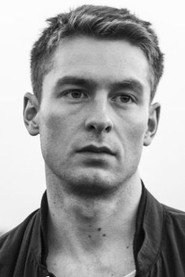 Toby WhartonJason's attendant
- Joel McDermottMedea's son
- Jude PearceMedea's son
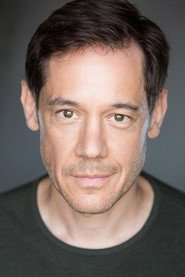 Adrian GroveEnsemble
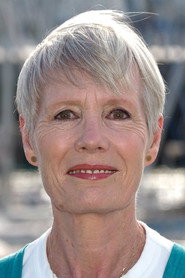 Jane WymarkChorus
Directing
- Ross MacGibbonDirector
- Laura VineScript Supervisor
- Carrie CracknellStage Director
Production
- Sophie FarrahAssociate Producer
- Charlotte SuttonCasting
- Wendy SponCasting
- David SabelExecutive Producer
- Emma KeithProducer
- Harry GuthrieProduction Manager
- Jon HarrisUnit Manager