
Film
The Cherry Orchard
Other titles called The Cherry Orchard: the 1990 film.
Michael Cacoyannis's 1999 film strips Chekhov's final play to its raw emotional core: a family losing their ancestral estate watches their world collapse in real time. Charlotte Rampling is mesmerizing as a woman choosing delusion over survival. It's devastating and funny at once—a masterclass in how people fail each other when it matters most. For anyone who loves character-driven drama that trusts you to feel the silence.
Should you watch it?
Watch it if you love Chekhov's talky, sidelong comedy of people who refuse to notice their own ruin, and you enjoy performances that let the sadness leak out between the jokes.
Skip it if you want plot momentum or a clear villain to root against, since the drama lives in mood and drift, and the long scenes of genteel talk can feel like waiting.
What it asks of you: Expect two and a half hours spent with characters circling a decision they keep postponing; settle in and let the talk set the pace.
Not sure? Find tonight's pick in a minute.
If you liked this
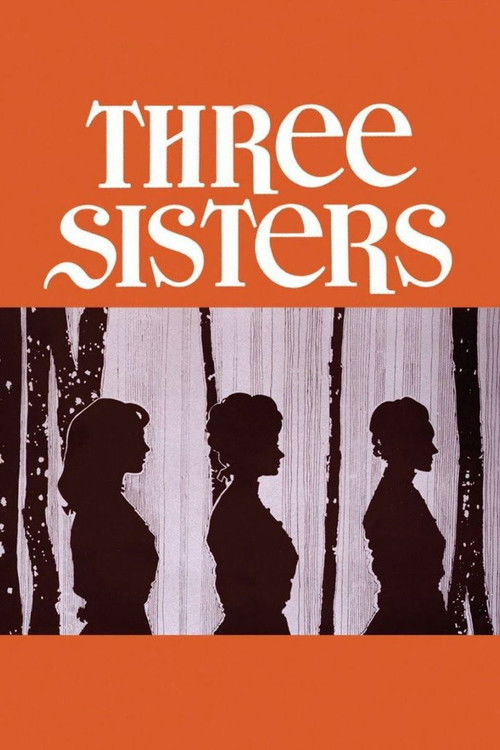
Three Sisters1970
Laurence Olivier's production of another Chekhov masterpiece about family paralysis and longing. The same sense of lives slipping away while people talk beautifully about everything except what matters. Exquisite ensemble work.
But It's Chekhov, so if you find his pacing glacial or his plots too slight, this won't change your mind. And it's quite long.
Ikiru1952
An aging bureaucrat facing his own irrelevance discovers what actually mattered. Kurosawa crafts the same slow-motion catastrophe of self-awareness that Chekhov does, but with a raw emotional gut-punch that lingers for days.
But It's a film about dying, and it doesn't look away. If you need lighter entertainment, this isn't it. The pacing is deliberate.

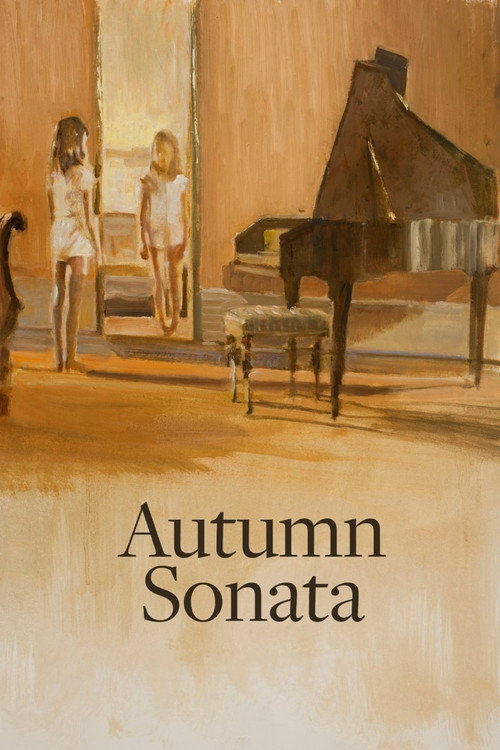
Autumn Sonata1978
Bergman's chamber piece about a mother and daughter confronting decades of resentment and unspoken pain. Ingrid Bergman and Liv Ullmann tear into each other with the precision of people who've rehearsed their arguments in silence for years. Absolutely brutal.
But It's two women in a house having one conversation that matters. If you want plot or spectacle, look elsewhere. Some find it claustrophobic.
Not sure tonight? Get a pick in a minute, starting from The Cherry Orchard
The wildcard
Something you would not have found on your own.
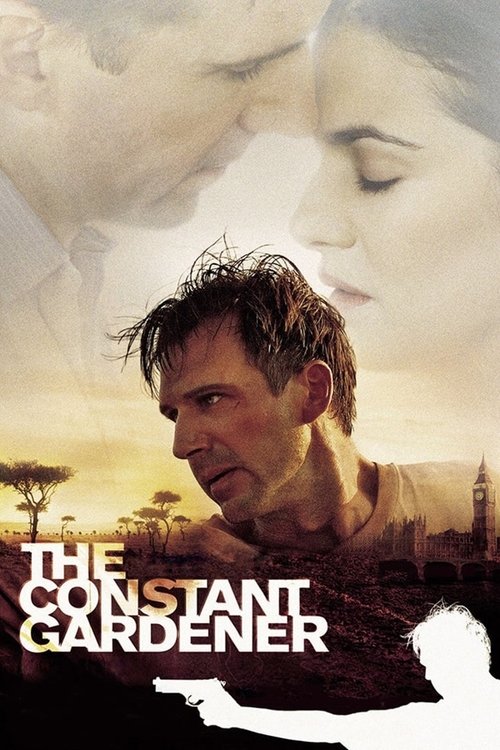
The Constant Gardener2005
Both trap their protagonists in a state of profound denial—Ranevskaya about her estate, the gardener about his marriage—forcing them to confront what they chose not to see.
Ralph Fiennes as a grieving man uncovering his dead wife's secrets. Like The Cherry Orchard, it's a film about someone arriving too late to understand the life they were actually living. But it wraps that tragedy in a political thriller, making it urgent and modern.
But It's far more plot-driven than Cacoyannis's chamber piece, which changes the emotional temperature. Some find the thriller apparatus distracting from the grief at the center.
More like this (8)
The Remains of the Day1993
Anthony Hopkins as a butler who chose duty over life, now witnessing the consequences. Like The Cherry Orchard, it's about someone finally seeing their own complicity too late. Quiet, restrained, and profoundly sad.
But It's a very English restraint—meaning very little actually happens. The emotional work is all internal, which some find frustratingly muted.

Another Year2010
Mike Leigh's portrait of a couple with a happy marriage watching their friends' lives fall apart around them. It has Chekhov's gift for finding both comedy and tragedy in human failure, and a generosity toward its broken characters.
But The happiness of the central couple can feel smug to some viewers. And Leigh's method-acting approach means scenes that meander before landing their point.
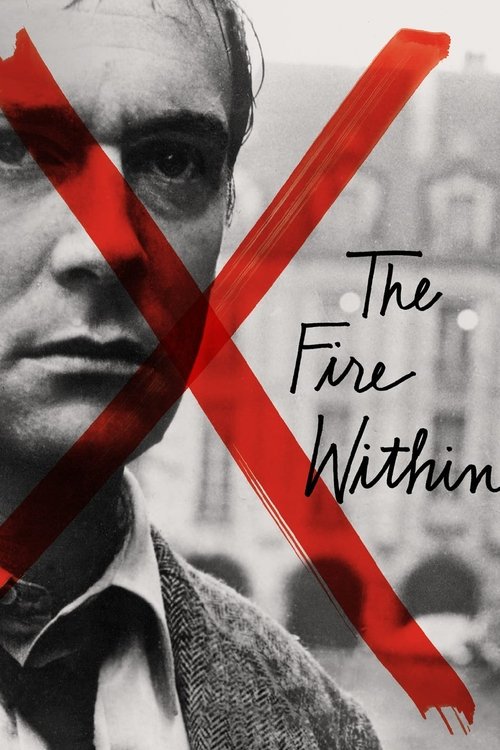
The Fire Within1963
Louis Malle's film about a man's final days before suicide is unbearably tender and precise. It shares Chekhov's belief that the most important moments are quiet, and that despair doesn't announce itself loudly.
But It's about suicide and it doesn't shy away. The deliberate pacing will test your patience. Not a film you put on casually.
Moonlight2016
Three chapters of a man's life, quiet and fragmented, showing how people fail to say what they mean. Barry Jenkins uses silence the way Chekhov does—as a character itself. Gorgeously shot and emotionally precise.
But The narrative is oblique and scattered. If you need clear plot points and explicit dialogue about feelings, this will frustrate you.

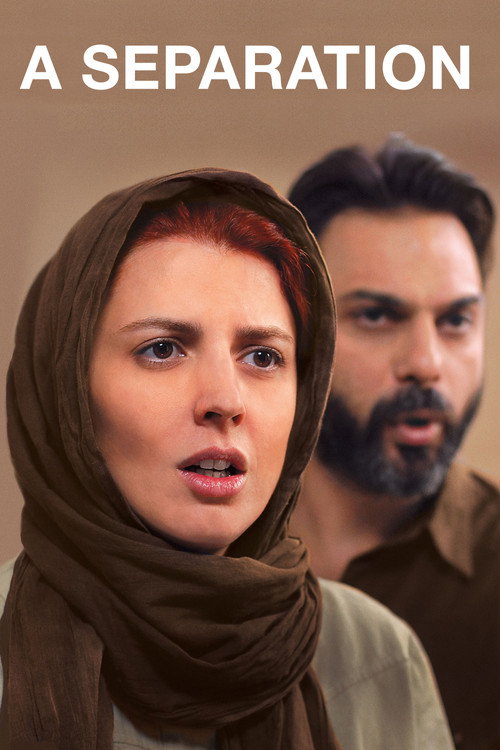
A Separation2011
Asghar Farhadi's film about a marriage dissolving shows two good people becoming unable to hear each other. It has the Chekhovian gift for finding tragedy in ordinariness and refusing easy judgment.
But It's bleak and morally ambiguous in ways that leave no one satisfied. Some find the Iranian legal system subplot distracting from the emotional core.
Tokyo Story1953
Ozu's film about aging parents visiting their son is Chekhov in Japanese—time moving quietly past people, small moments carrying enormous weight. A meditation on family, loss, and the inability to fix anything.
But Almost nothing happens and almost no one raises their voice. If you need conventional dramatic arc or emotional crescendos, this will feel glacial.

Stalker1979
Both are about people approaching something they cannot have, and discovering that the wanting matters more than the getting. Both trust you to sit with uncertainty.
Tarkovsky's science-fiction parable about three men walking through a mysterious zone is formally as far from Chekhov as you can get, but it shares his obsession with time, futility, and the gap between what people want and what they deserve. Hypnotic and strange.
But It's 163 minutes of slow tracking shots and philosophical dialogue. If you watch it like a conventional film, it will feel like punishment. It demands a different kind of attention.

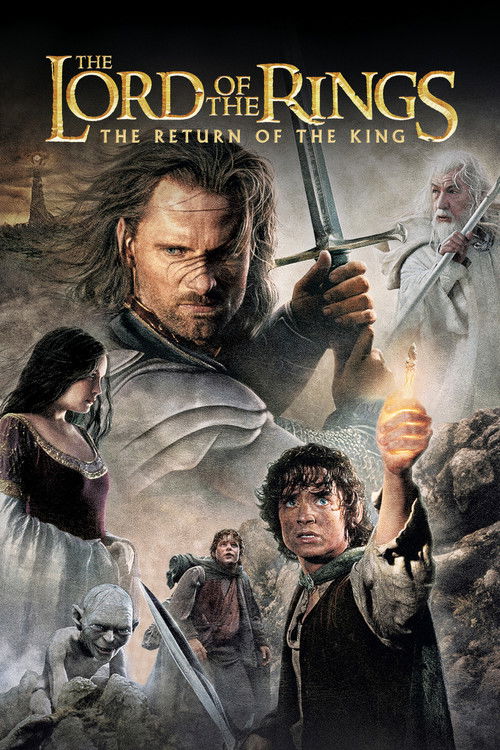
The Lord of the Rings: The Return of the King2003
Both are Russian stories about families unable to bridge the distance between who they are and who they wish they were, set against landscapes that reflect their emotional isolation.
Andrei Zvyagintsev's film about two boys reconnecting with their absent father is a Russian echo of Chekhov—a family failing each other in small, devastating moments. It's controlled and austere, but the pain is real and specific.
But It's very bleak and offers no comfort or resolution. The father is not sympathetic. The ending is abrupt in a way some find cheap rather than poetic.
People
Cast
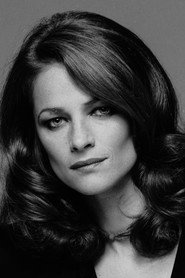 Charlotte RamplingRanyevskaya
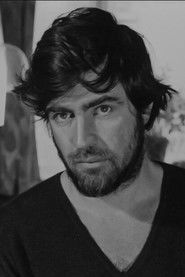 Alan BatesGayev
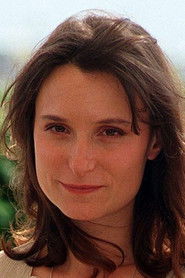 Katrin CartlidgeVarya
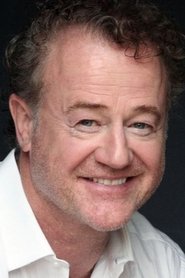 Owen TealeLopahin
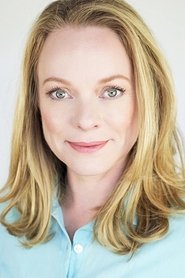 Tushka BergenAnya
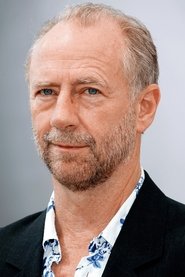 Xander BerkeleyYepihodov
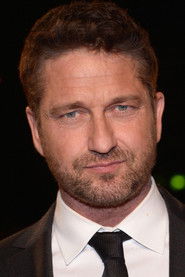 Gerard ButlerYasha
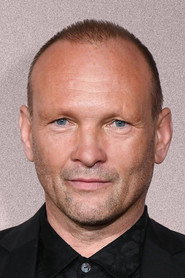 Andrew HowardTrofimov
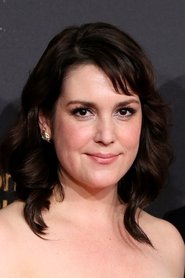 Melanie LynskeyDunyasha
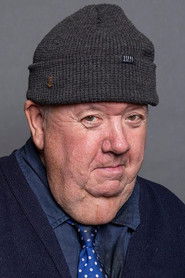 Ian McNeicePishchik
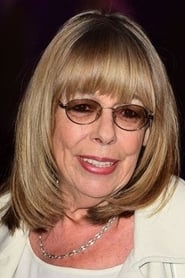 Frances de la TourCharlotte Ivanovna
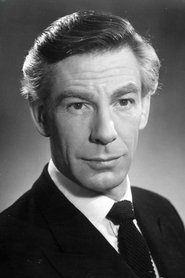 Michael GoughFeers
Directing
- Mihalis KakogiannisDirector
- Guy TraversFirst Assistant Director
Writing
- Mihalis KakogiannisScreenplay
- Anton ChekhovTheatre Play
Production
- Bruce H. NewbergCasting
- Alexander MetodievExecutive Producer
- Yannoulla WakefieldExecutive Producer
- Mihalis KakogiannisProducer
- Jean-Pierre DesagnatProduction Manager
- Pat ArvanitiProduction Supervisor