
Film
The Cherry Orchard
Other titles called The Cherry Orchard: the 1999 film.
A 1990 Japanese film about schoolgirls preparing to stage Chekhov's Cherry Orchard. It's intimate, quietly observant, and moves between rehearsal chaos and private moments with an almost documentary gentleness. For anyone drawn to stories about art-making, adolescence, and the particular intensity of group creative work.
If you liked this
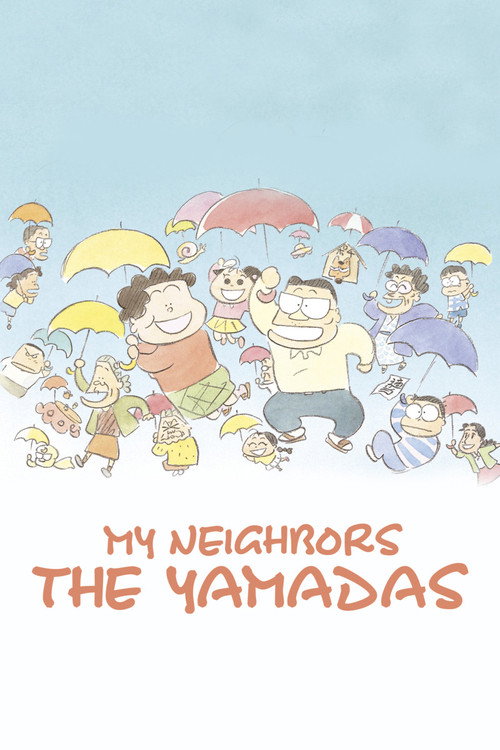
My Neighbors the Yamadas1999
Isao Takahata's hand-drawn comedy about ordinary domestic life has the same warmth and observational humour. It finds depth in small moments and non-moments between people who know each other.
But It's a Studio Ghibli film often overlooked in favour of the more dramatic work. Some find the loose narrative structure meandering rather than meditative.
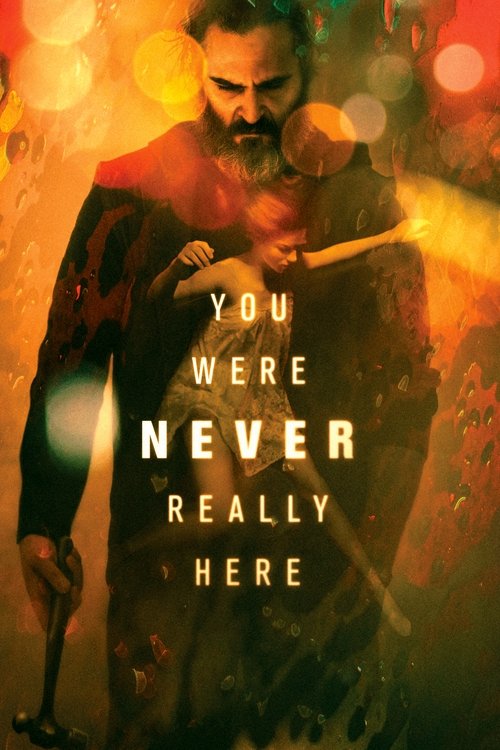
You Were Never Really Here2017
Lynne Ramsay's fractured portrait of a damaged man. Like Chekhov adapted by your film, it trusts the audience to read emotional truth in glances and silences rather than exposition.
But Viscerally dark. Difficult subject matter. Nothing like the gentle mood of schoolgirl rehearsals—the register shift is extreme.
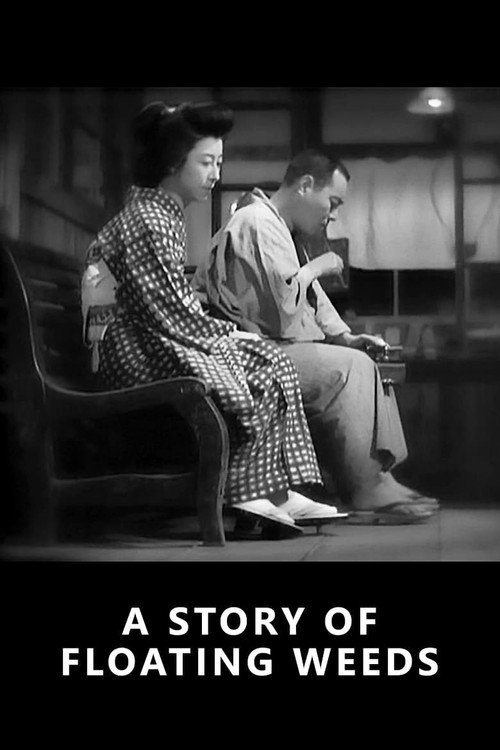
A Story of Floating Weeds1934
Ozu's silent film about a travelling theatre troupe carries the same DNA as Cherry Orchard—Japanese sensibility applied to ensemble ensemble dynamics and the theatre world.
But It's from 1934 and silent. The cultural and temporal distance is real. Black and white, archival quality prints.
Not sure tonight? Get a pick in a minute, starting from The Cherry Orchard
The wildcard
Something you would not have found on your own.
Come and See1985
Both use ensemble casting to explore how ordinary people prepare for and navigate situations beyond their control; both find tragedy in youth and vulnerability.
Elem Klimov's devastating account of a boy conscripted into Soviet partisan warfare. The connection: both films are about rehearsal and performance—one for play-acting, one for survival. Both watch innocence against something vast and uncontrollable.
But One of cinema's most difficult films. Not remotely gentle. Based on real atrocity. The opposite of comfortable viewing.

More like this (4)
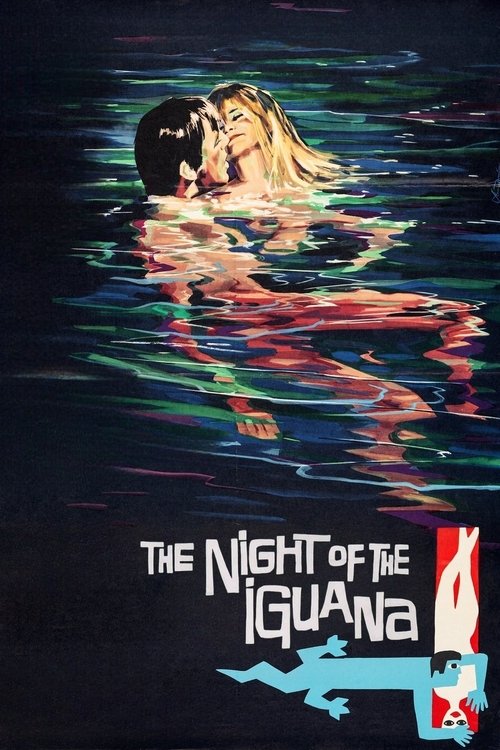
The Night of the Iguana1964
John Huston's adaptation of Williams captures that Chekhovian mood perfectly—people in one place, secrets and old regrets surfacing, beauty alongside disappointment. Richard Burton, Ava Gardner.
But Very much a 1960s Hollywood version of literary drama. Some find its treatment of its source material overly glossy.
The Ballad of Little Jo1993
Maggie Greenwald's understated western about a woman living as a man. Like your film, it's interested in performance—how we construct identity, the gap between what we show and what we are.
But A revisionist western that refuses genre gratification. Period drama that doesn't feel period. Some find it too quiet for comfort.

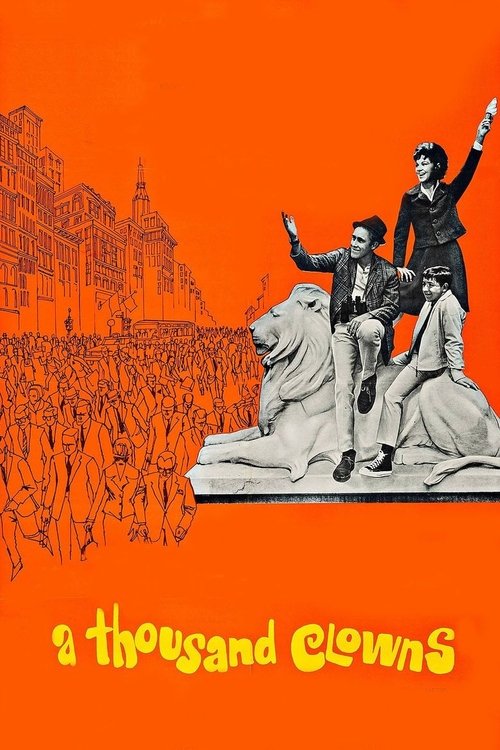
A Thousand Clowns1965
Both explore theatre people as protagonists; both measure worth against artistic commitment rather than worldly success; both suggest that the rehearsal room is where real life happens.
Fred Coe's beloved comedy about a failed actor and the child he's raising, centred on performance, theatre, and the cost of taking art seriously. Much lighter in tone but identical in its understanding of why people need to make art.
But A 1960s American film that can feel dated. Sentiment risked throughout. Jason Robards' performance divides viewers.
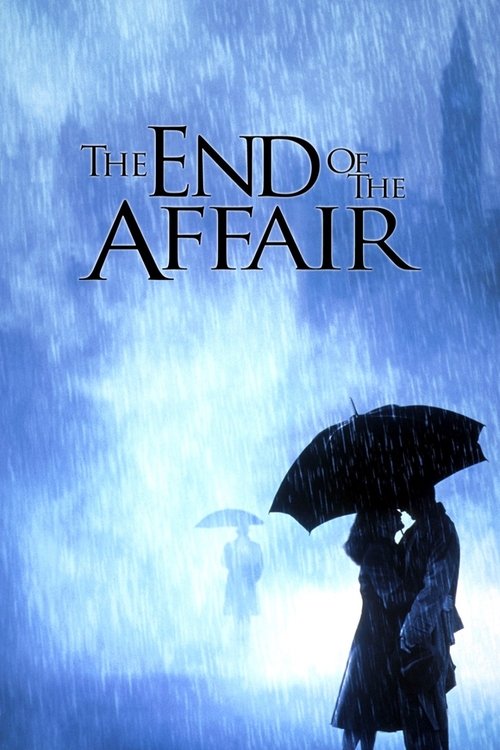
The End of the Affair1999
Both films privilege the unspoken; both treat groups of people in confined spaces with novelistic depth; both suggest that what matters cannot be fully articulated.
Neil Jordan's adaptation of Greene's novel is glacial, formal, almost theatrical in composition. Three people, one essential space, secrets, the past pressing against the present. Chekhovian in register—unresolved, unbearably human.
But Slow. Sad. Ralph Fiennes and Julianne Moore at their most restrained. Not redemptive. Emotionally punishing.
People
Cast
 Hiroko NakajimaYuko Shimizu
 Miho TsumikiNoriko Sugiyama
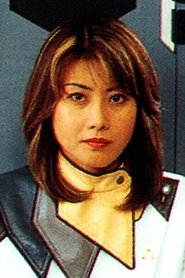 Yasuyo ShirashimaChiyoko Kurata
 Miho MiyazawaKaori Jomaru
- Chigusa AbeArimi Tashiro
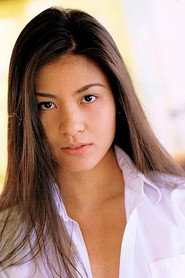 Reiko AsanumaKanako Onishi
- Rika FurukawaKeiko Matsumoto
- Yumi GotoReiko Toda
- Mihoko HironoFan of Chiyoko
- Megumi IseriKimiko Kawai
- Reina ItoFan of Chiyoko
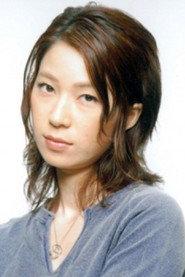 Aki KajiwaraMaki Kubota
Directing
- Masahiro HaraAssistant Director
- Masaki TakeuchiAssistant Director
- Shin TogashiAssistant Director
- Tetsuo ShinoharaAssistant Director
- Shun NakaharaDirector
Writing
- Akimi YoshidaComic Book
- Hiroaki JinnoScreenplay
Production
- Kosaburo SasaokaProducer
- Naoya NaritaProducer
- Yutaka OkadaProducer