
Film
Oblomov
- Period drama
- Slow-burning
A 1980 Soviet adaptation of Goncharov's novel about a man so paralyzed by inertia he can barely leave his apartment—until love offers a reason to try. It's a film about the weight of potential unfulfilled, tender and funny and sad, asking what we owe ourselves and others. For anyone who's felt stuck.
Should you watch it?
Watch it if you love slow, sardonic character studies where the comedy comes from a man's inertia and the drama from a quiet, creeping guilt about wasted years.
Skip it if you want brisk plotting; most of this is talk, daydreaming and a man failing to leave his dressing gown, and 140 minutes tests that patience.
What it asks of you: Settle in for a long, unhurried sit: the pace is deliberate, the tone soft and wry, and it rewards staying with its stillness rather than waiting for events to pick up.
Not sure? Find tonight's pick in a minute.
If you liked this
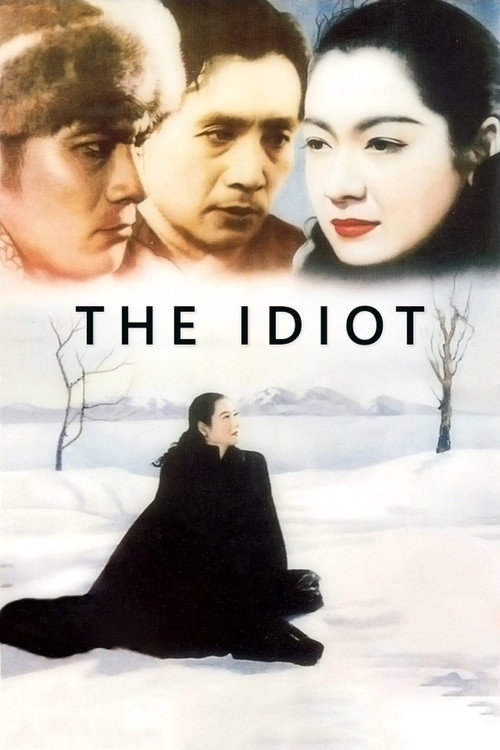
The Idiot1951
Kurosawa's restless adaptation of Dostoevsky moves the story to postwar Japan but keeps the spiritual crisis intact. A man too good for the world around him; gorgeously shot.
But The pacing is elliptical and the ending deliberately unresolved. It refuses to comfort you with neat answers.
Stalker1979
Tarkovsky's meditative masterpiece about desire and the things we pursue. Hypnotic cinematography and a profound quietness that rewards patience. Released the year before Oblomov.
But If you want plot momentum, stay away. This is pure atmosphere and philosophy. It demands surrender, not engagement.

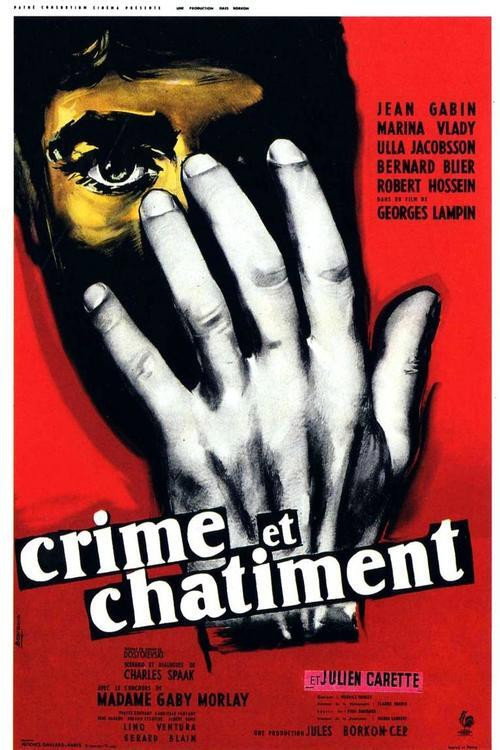
Crime and Punishment1956
A taut Soviet adaptation of Dostoevsky's novel about guilt and redemption. Sharp-edged where Oblomov is soft, but equally rooted in Russian spiritual struggle and the cost of inaction.
But The black-and-white cinematography is stark and sometimes difficult to read. Subtitles required, and concentration.
Not sure tonight? Get a pick in a minute, starting from Oblomov
The wildcard
Something you would not have found on your own.
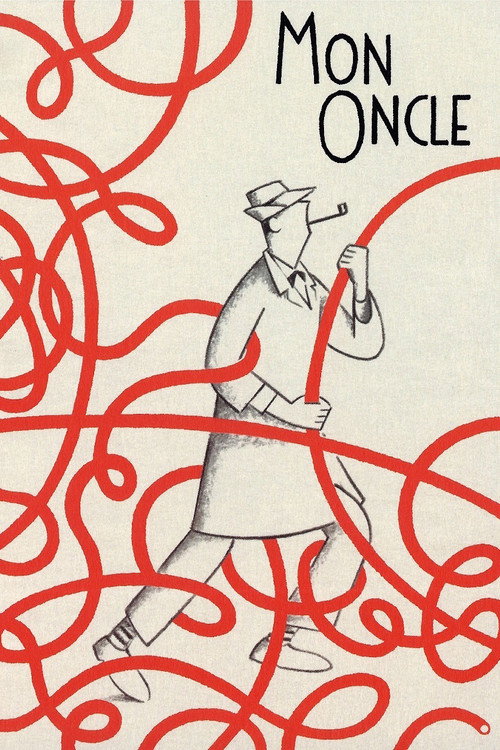
Mon Oncle1958
Both films are about men paralyzed by incompatibility with the world around them, exploring this through the contrast between traditional and modern values—but where Oblomov is melancholic, Tati makes it ridiculous.
Tati's wordless comedy about a man caught between two worlds—one old and chaotic, one modern and sterile. Like Oblomov, it's about a man unable to fully inhabit either space, but told through physical comedy rather than psychology.
But There's almost no dialogue. If you're not tuned to silent-film comedy, the pace may feel glacial and the humor too subtle.
More like this (7)
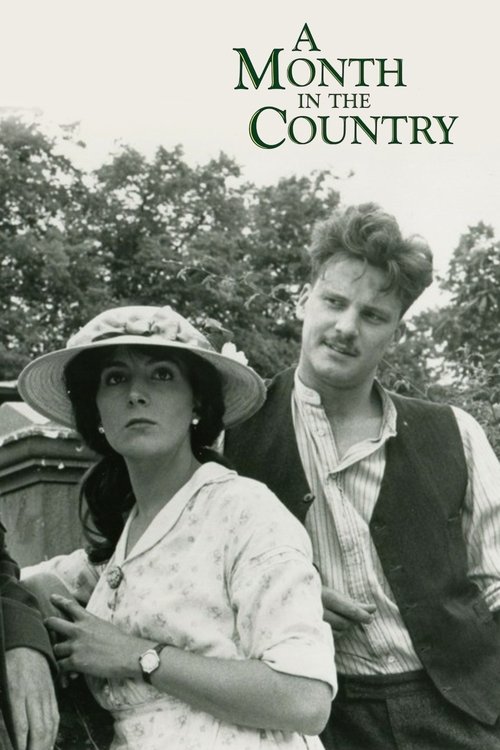
A Month in the Country1987
Slow-burn romance set on an English country estate, with Tutin and Irons circling each other with restrained desire. Bittersweet and achingly romantic without ever raising its voice.
But Nothing happens quickly. It's entirely mood and the space between words. If you need plot, this will frustrate.
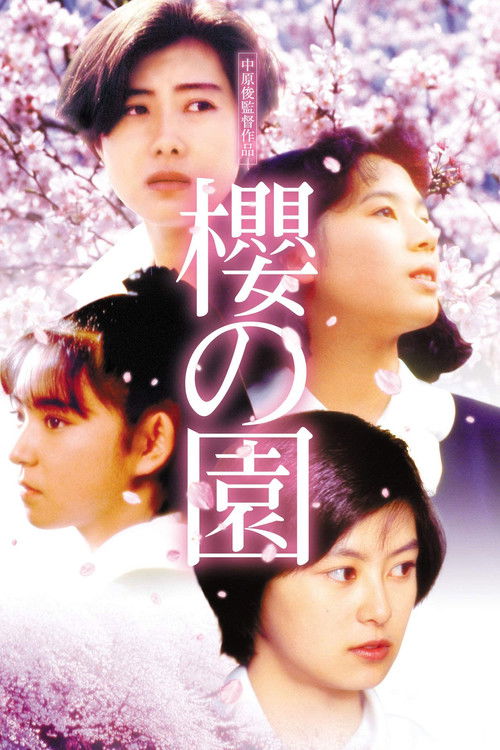
The Cherry Orchard1990
Louis Malle's final film, a stately adaptation of Chekhov capturing the melancholy of an old world dissolving. Characters trapped by their own natures, unable to act decisively.
But It's an adaptation of a play, and it feels like one. Theatrical staging and theatrical pacing won't appeal to everyone.
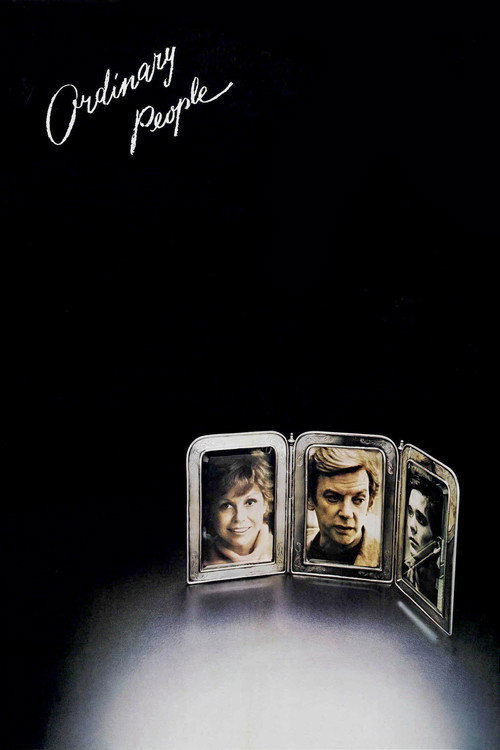
Ordinary People1980
Released the same year, this American drama explores paralysis and communication within a family. Restrained, intelligent, utterly human in its disappointments.
But It's more about trauma and therapy than romance. Some find it dour; others find that honesty bracing.
The Remains of the Day1993
Hopkins delivers a masterclass in emotional constraint as a butler who has sacrificed everything to duty and propriety. A meditation on roads not taken.
But It's polite almost to the point of suffocation. The passion is entirely repressed, which some experience as coldness rather than depth.

Brief Encounter1945
Coward's bittersweet romance between two married people who meet by chance and choose duty over passion. Economical, deeply felt, and achingly romantic about what we cannot have.
But It's a British film from 1945, which means emotional restraint and a deeply melancholic ending. Don't expect comfort.

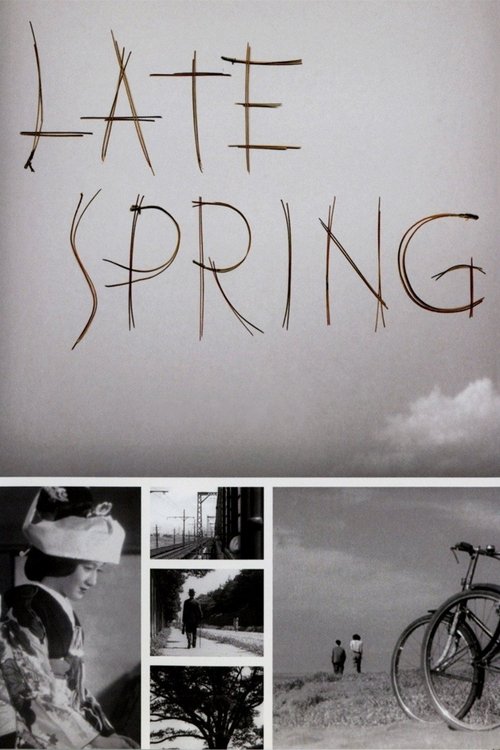
Late Spring1949
Both explore the paralysis of love and obligation, the way comfort can become a cage. But where Oblomov dreams of escape, Ozu's characters choose their cages willingly.
Ozu's devastating film about a widowed father and his daughter, bound by love and habit, unable to separate. Minimal plot, maximum emotional weight. Shot almost entirely in interiors, it captures the suffocating comfort of inertia.
But It's deliberately static. Camera placement, compositions, the absence of sweeping cinematography—if you need visual dynamism, this will feel claustrophobic.
The Ascent1977
Both are Soviet films wrestling with spiritual paralysis, but where Oblomov's inertia is psychological, Shepitko's protagonists face the ultimate test of will. One is intimate and domestic; the other is apocalyptic.
Larisa Shepitko's stunning black-and-white film about two Soviet partisans in World War II facing their final hours. Spiritual, metaphysical, visceral. About the gap between intention and action, desire and will.
But It's harrowing. Conceptually difficult, visually stark, unrelentingly dark. Not a film you enjoy so much as survive and then think about for years.

People
Cast
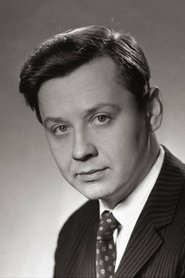 Oleg TabakovIlya Ilyich Oblomov
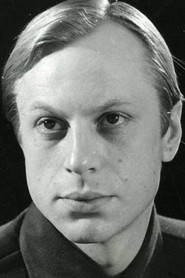 Yuri BogatyryovAndrei Ivanovich Stoltz
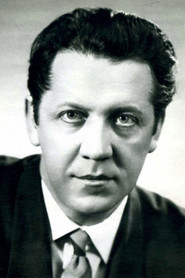 Andrei PopovZakhar
 Yelena SoloveyOlga
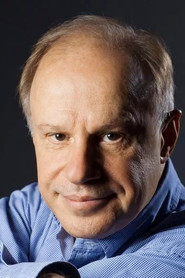 Avangard LeontyevAlekseev
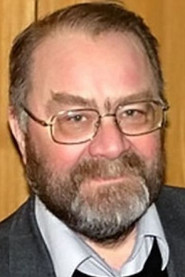 Andrei RazumovskyIlya as a child
- Oleg KozlovStoltz as a child
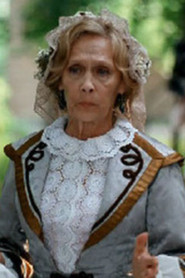 Galina ShostkoOlga's aunt
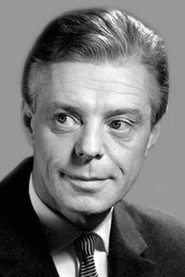 Gleb Strizhenovbaron
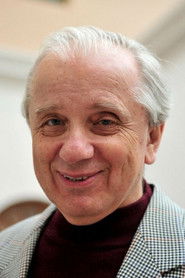 Evgeniy SteblovOblomov's father
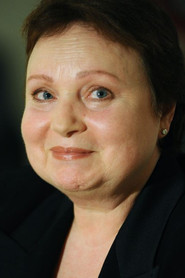 Evgeniya GlushenkoOblomov's mother
Directing
- Nikita MikhalkovDirector
- Vladimir FridmanFirst Assistant Director
Writing
- Ivan GoncharovNovel
- O. KozlovaScript Editor
- Alexander AdabashyanWriter
- Nikita MikhalkovWriter
Production
- Willie GellerExecutive Producer